Executive function
Recent articles

Study questions DSM-5’s combining of autism traits
Sensory traits and restricted and repetitive behaviors are best understood as distinct but related characteristics, the new work suggests.
Study questions DSM-5’s combining of autism traits
Sensory traits and restricted and repetitive behaviors are best understood as distinct but related characteristics, the new work suggests.
To accelerate the study of neurodevelopment, we need a transdiagnostic framework
Our tendency to focus on one condition at a time likely silos expertise and services—and obscures critical connections across diagnostic categories.
To accelerate the study of neurodevelopment, we need a transdiagnostic framework
Our tendency to focus on one condition at a time likely silos expertise and services—and obscures critical connections across diagnostic categories.
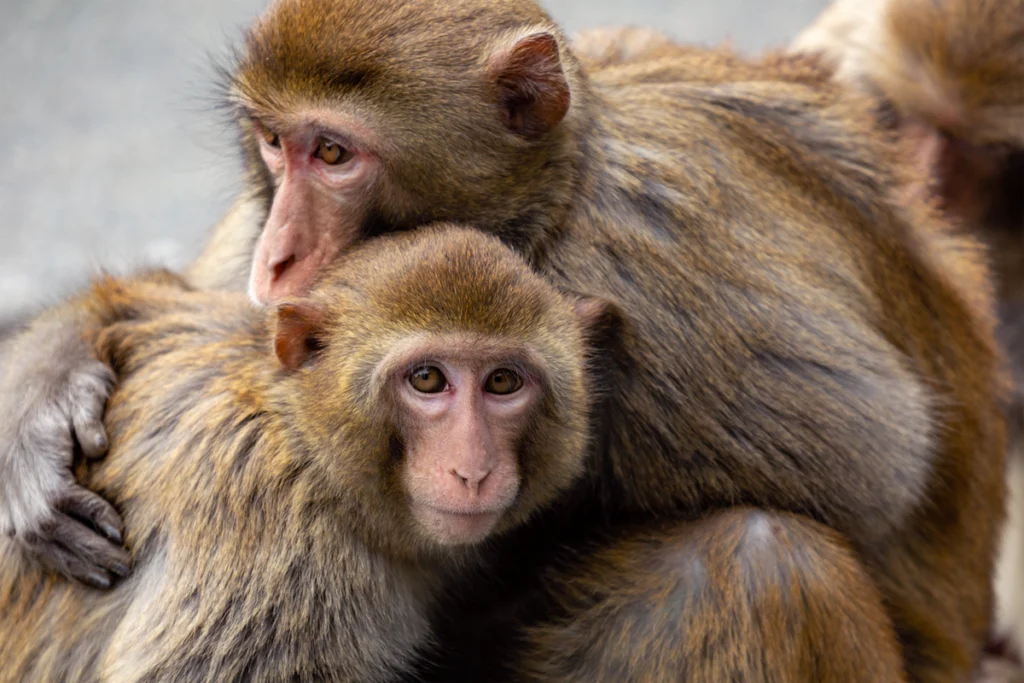
Vasopressin boosts sociability in solitary monkeys
Inhaling the hormone did not increase aggression in unsociable rhesus macaques and appears to help the animals remember faces and reciprocate friendly behaviors.
Vasopressin boosts sociability in solitary monkeys
Inhaling the hormone did not increase aggression in unsociable rhesus macaques and appears to help the animals remember faces and reciprocate friendly behaviors.
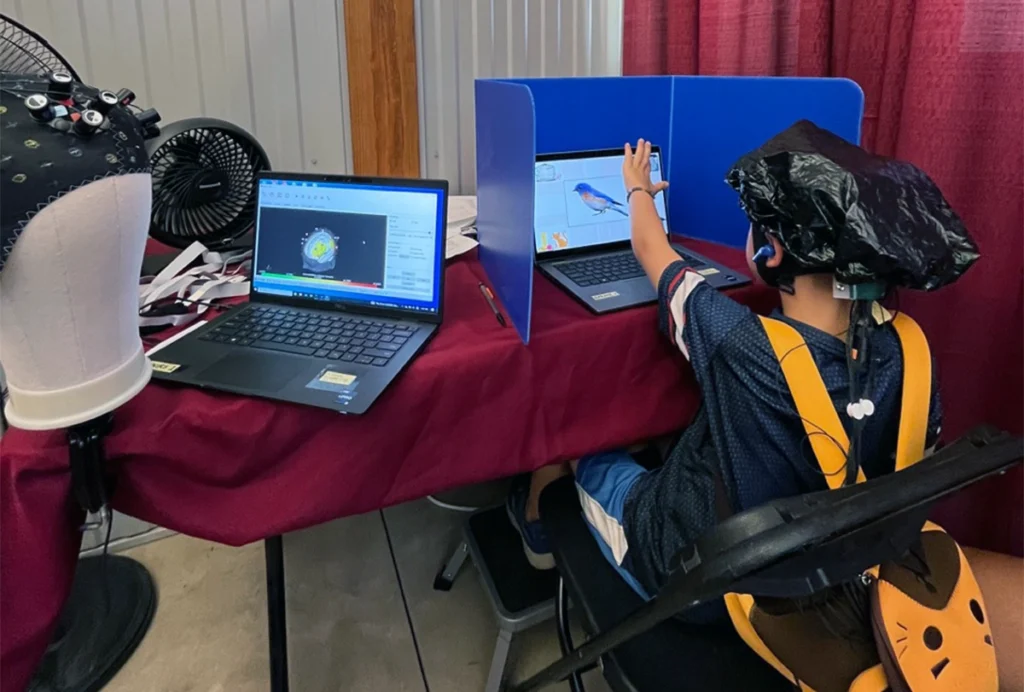
Brain imaging at the fair with Ka Ip
Does environment affect how children from diverse backgrounds perform on tests of executive function? Ip went to the Minnesota State Fair to find out.
Brain imaging at the fair with Ka Ip
Does environment affect how children from diverse backgrounds perform on tests of executive function? Ip went to the Minnesota State Fair to find out.
Explore more from The Transmitter
How new technologies can bring primatologists and systems neuroscientists together
The two groups study the same behavioral phenomena yet rarely interact or read each other's work—a mutual blind spot that weakens both fields. New technologies offer a chance to bring them together.
How new technologies can bring primatologists and systems neuroscientists together
The two groups study the same behavioral phenomena yet rarely interact or read each other's work—a mutual blind spot that weakens both fields. New technologies offer a chance to bring them together.
Creating community through grant support
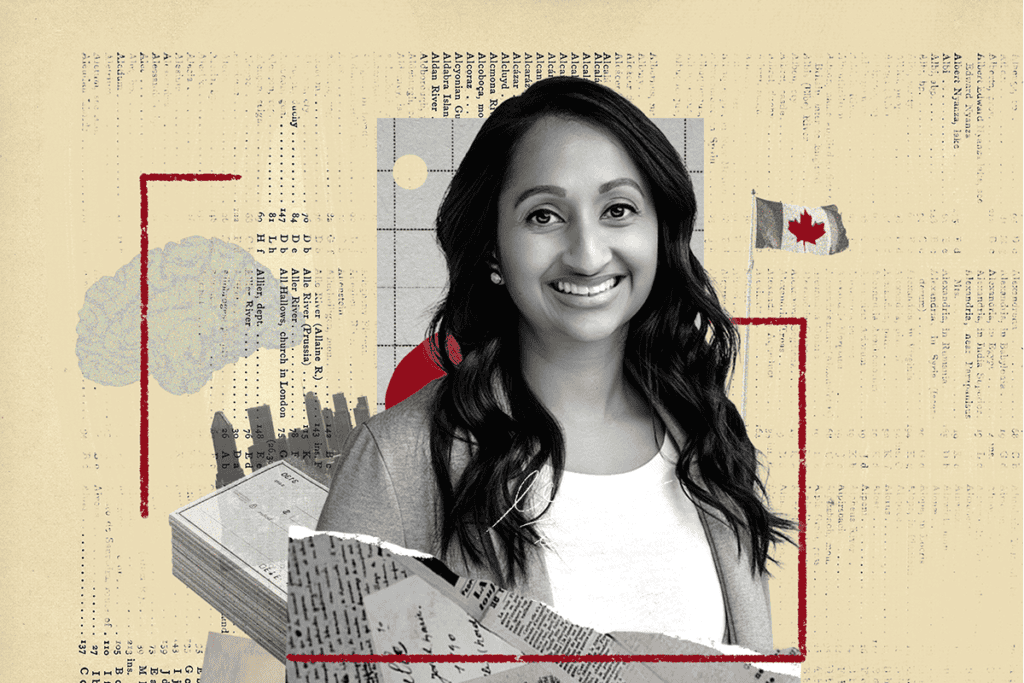
Fiona Sanderson, a senior program manager at the Brain Canada Foundation, shares how she got into grant administration and how she helps connect researchers with funding and one another.
Creating community through grant support
Fiona Sanderson, a senior program manager at the Brain Canada Foundation, shares how she got into grant administration and how she helps connect researchers with funding and one another.
This paper changed my life: A first glimpse into the ‘middle’ of brain processing
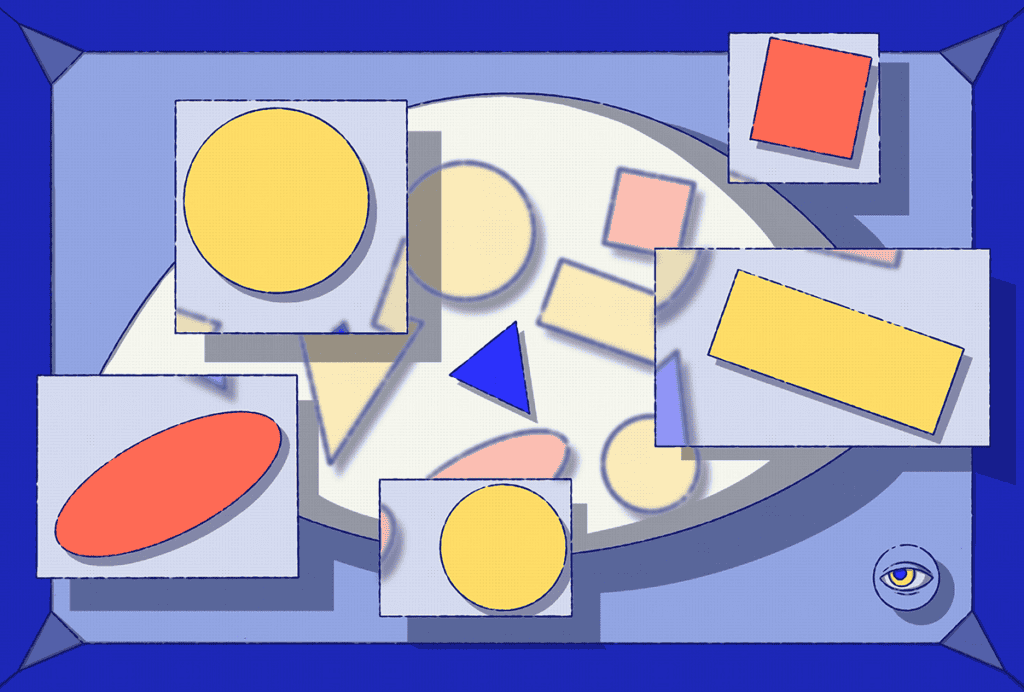
Work by Jeffrey Moran and Robert Desimone showed that monkeys could focus their attention on different stimuli in their visual field without shifting their gaze. Their work marked a key milestone in the emergence of cognitive neuroscience.
This paper changed my life: A first glimpse into the ‘middle’ of brain processing
Work by Jeffrey Moran and Robert Desimone showed that monkeys could focus their attention on different stimuli in their visual field without shifting their gaze. Their work marked a key milestone in the emergence of cognitive neuroscience.