Participatory research
Recent articles
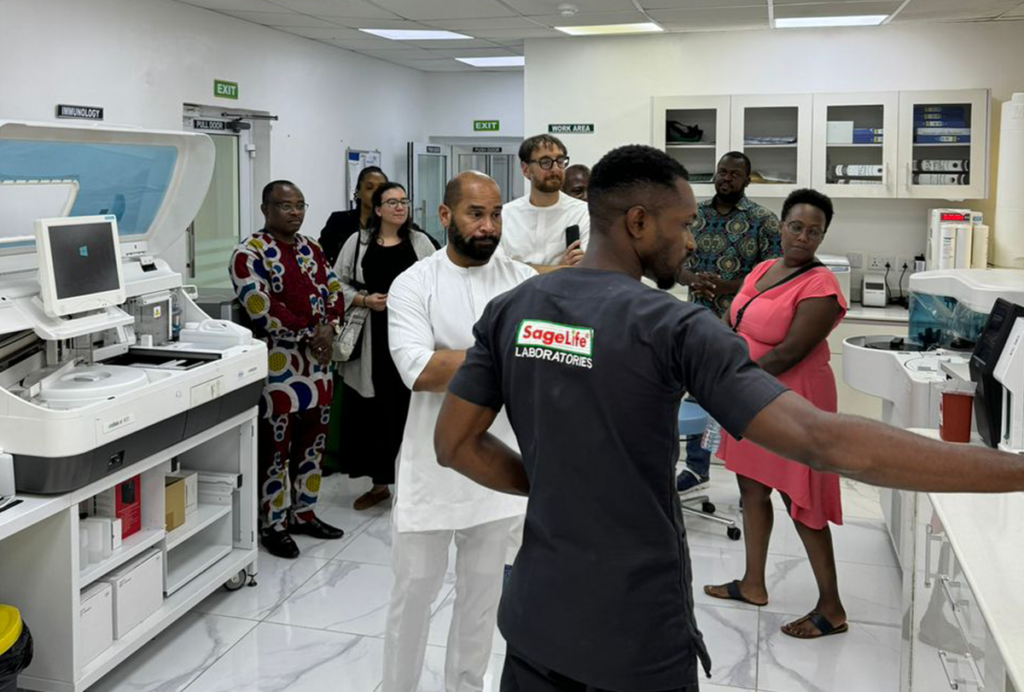
Sharing Africa’s brain data: Q&A with Amadi Ihunwo
These data are “virtually mandatory” to advance neuroscience, says Ihunwo, a co-investigator of the Brain Research International Data Governance & Exchange (BRIDGE) initiative, which seeks to develop a global framework for sharing, using and protecting neuroscience data.
Sharing Africa’s brain data: Q&A with Amadi Ihunwo
These data are “virtually mandatory” to advance neuroscience, says Ihunwo, a co-investigator of the Brain Research International Data Governance & Exchange (BRIDGE) initiative, which seeks to develop a global framework for sharing, using and protecting neuroscience data.

What birds can teach us about the ‘biological truth’ of sex
Part of our job as educators is to give students a deeper understanding of the true diversity of sex and gender in the natural world.
What birds can teach us about the ‘biological truth’ of sex
Part of our job as educators is to give students a deeper understanding of the true diversity of sex and gender in the natural world.

Weaponized heterogeneity only harms the most vulnerable autistic people
Focusing on aspects of autistic experience that we all share may lead more quickly to our shared goal of improved outcomes for all autistic people.
Weaponized heterogeneity only harms the most vulnerable autistic people
Focusing on aspects of autistic experience that we all share may lead more quickly to our shared goal of improved outcomes for all autistic people.

How geneticists can gain greater buy-in from the autistic community
My recommendations aim to foster a collaborative relationship between researchers and the Autistic community, resulting in an increase in the availability of genetic data.
How geneticists can gain greater buy-in from the autistic community
My recommendations aim to foster a collaborative relationship between researchers and the Autistic community, resulting in an increase in the availability of genetic data.
Explore more from The Transmitter
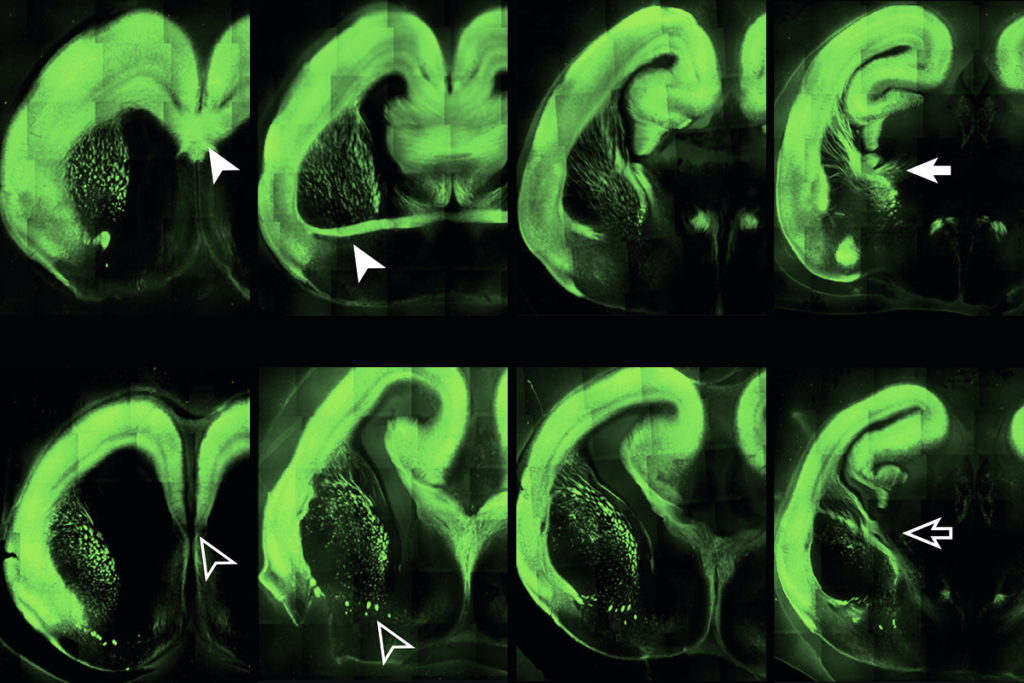
Cortical evolution, ZBTB18, and more
Here is a roundup of autism-related news and research spotted around the web for the week of 30 March.
Cortical evolution, ZBTB18, and more
Here is a roundup of autism-related news and research spotted around the web for the week of 30 March.
Letter asks Congress for nearly $500 million to sustain BRAIN Initiative
The one-time boost would help counter the planned end this year to one of the program’s long-standing funding streams, which will result in a $195 million drop in funding for fiscal year 2027.
Letter asks Congress for nearly $500 million to sustain BRAIN Initiative
The one-time boost would help counter the planned end this year to one of the program’s long-standing funding streams, which will result in a $195 million drop in funding for fiscal year 2027.

How to teach programming in the age of AI
Scientists and educators are concerned about students using artificial intelligence to shortcut their learning. But there are also opportunities, especially when it comes to teaching neuroscience students how to code.
How to teach programming in the age of AI
Scientists and educators are concerned about students using artificial intelligence to shortcut their learning. But there are also opportunities, especially when it comes to teaching neuroscience students how to code.