SFN 2022
Recent articles
Single gene insufficient to account for dup15q, Angelman traits
UBE3A, a key gene associated with both autism-linked conditions, can explain most — but not all — of the syndromes’ atypical neuronal properties.
Single gene insufficient to account for dup15q, Angelman traits
UBE3A, a key gene associated with both autism-linked conditions, can explain most — but not all — of the syndromes’ atypical neuronal properties.
Excess of ‘don’t eat me’ cell signals may drive brain enlargement in autism
The signal, called CD47, is disrupted in autistic people who have a larger-than-average head.
Excess of ‘don’t eat me’ cell signals may drive brain enlargement in autism
The signal, called CD47, is disrupted in autistic people who have a larger-than-average head.
Autism’s sex bias tied to glial, immune cell gene expression
The function of microglia and astrocytes in the brain may mediate the intersection of sex-differential biology and autism biology.
Autism’s sex bias tied to glial, immune cell gene expression
The function of microglia and astrocytes in the brain may mediate the intersection of sex-differential biology and autism biology.
Shared brain structure, connectivity hint at autism subgroups
Using imaging methods to sort mouse models of autism may help identify subtypes of autistic people with similar underlying biology.
Shared brain structure, connectivity hint at autism subgroups
Using imaging methods to sort mouse models of autism may help identify subtypes of autistic people with similar underlying biology.
Organoids identify potential therapies, circuit flaws for autism-linked syndromes
Brain cell clusters serve as drug screens and reveal connectivity differences for autism-linked conditions, two new models show.
Organoids identify potential therapies, circuit flaws for autism-linked syndromes
Brain cell clusters serve as drug screens and reveal connectivity differences for autism-linked conditions, two new models show.
Subtyping autism using fMRI: A quick take at SfN with Marco Pagani
Pagani used mouse models to connect autism etiologies to brain connectivity alterations and then found similar alterations in people with idiopathic forms of the condition.
Subtyping autism using fMRI: A quick take at SfN with Marco Pagani
Pagani used mouse models to connect autism etiologies to brain connectivity alterations and then found similar alterations in people with idiopathic forms of the condition.
Zebrafish social behavior swims into mainstream
New studies bolster the idea that zebrafish models can say something meaningful about social behavior in autism.
Zebrafish social behavior swims into mainstream
New studies bolster the idea that zebrafish models can say something meaningful about social behavior in autism.

Brain’s memory center flags autistic adults at risk for cognitive decline
Brain scans of the hippocampus reveal autistic people who are at increased risk of cognitive problems as they get older.
Brain’s memory center flags autistic adults at risk for cognitive decline
Brain scans of the hippocampus reveal autistic people who are at increased risk of cognitive problems as they get older.
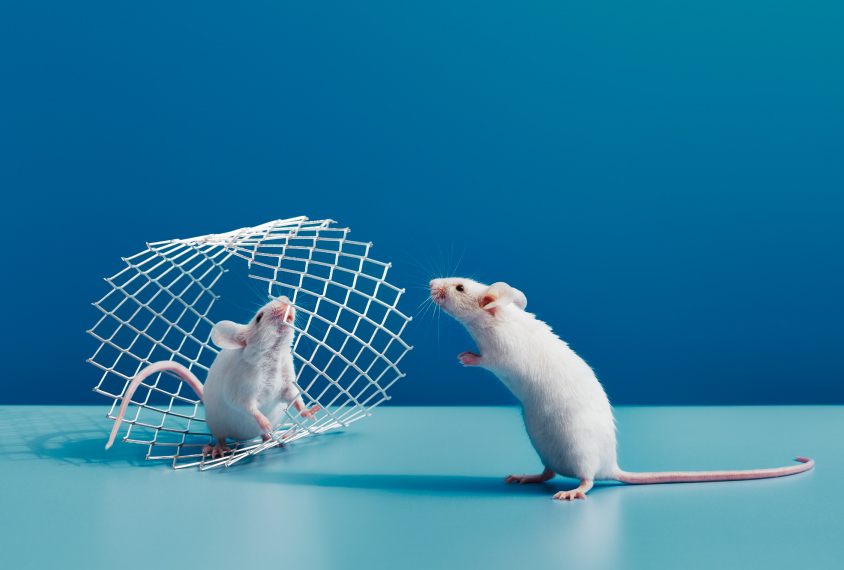
Autism genes converge on disruptions in social brain circuit
The circuit linking the prefrontal cortex and part of the thalamus is impaired in mice raised in social isolation and in mice with mutations in the FMR1 or TSC2 genes.
Autism genes converge on disruptions in social brain circuit
The circuit linking the prefrontal cortex and part of the thalamus is impaired in mice raised in social isolation and in mice with mutations in the FMR1 or TSC2 genes.
Screening zebrafish autism models: A quick take at SfN with Ellen Hoffman
Zebrafish with mutations in 10 different autism-linked genes show a range of unique and shared phenotypes.
Screening zebrafish autism models: A quick take at SfN with Ellen Hoffman
Zebrafish with mutations in 10 different autism-linked genes show a range of unique and shared phenotypes.
Explore more from The Transmitter
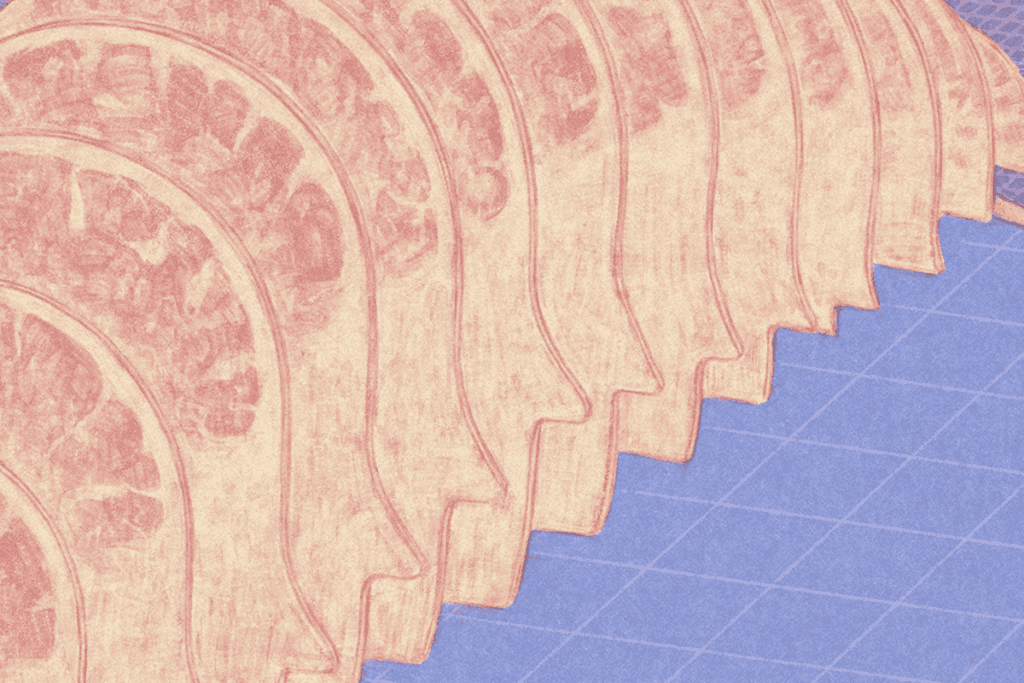
Commentary: Citation graphs may underestimate neuroscience’s influence on AI
An alternative, albeit less quantitative, way to trace this history is through the people who carried ideas between the fields.
Commentary: Citation graphs may underestimate neuroscience’s influence on AI
An alternative, albeit less quantitative, way to trace this history is through the people who carried ideas between the fields.
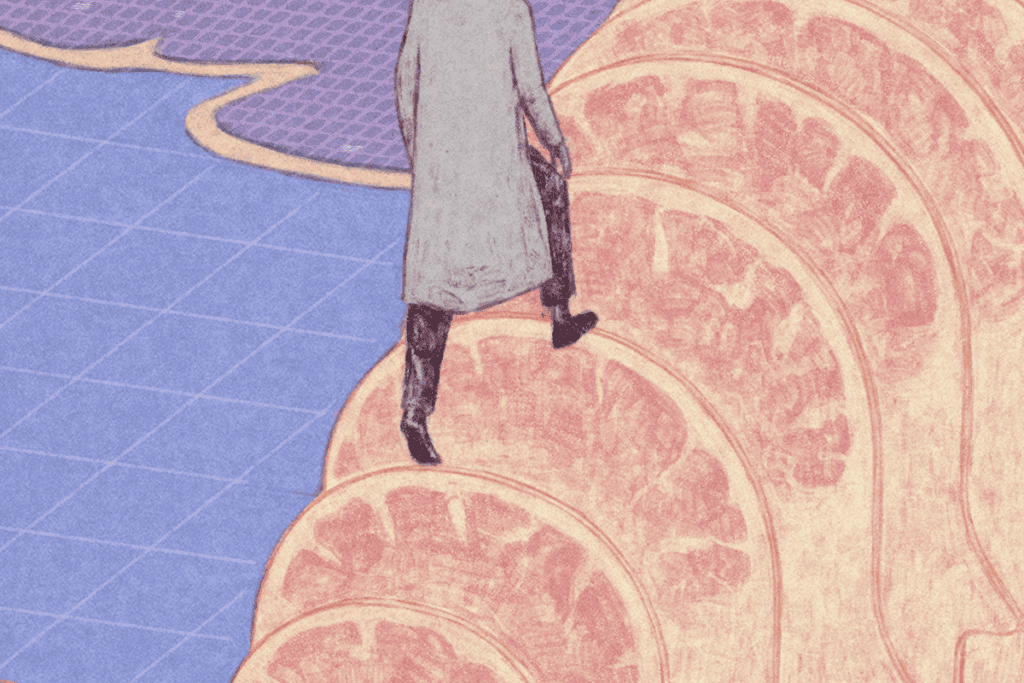
Commentary: The rising absolute number of neuro-inspired AI papers represents a substantial footprint
Many of the design choices present in the current generation of artificial-intelligence tools parallel purported properties of the brain.
Commentary: The rising absolute number of neuro-inspired AI papers represents a substantial footprint
Many of the design choices present in the current generation of artificial-intelligence tools parallel purported properties of the brain.
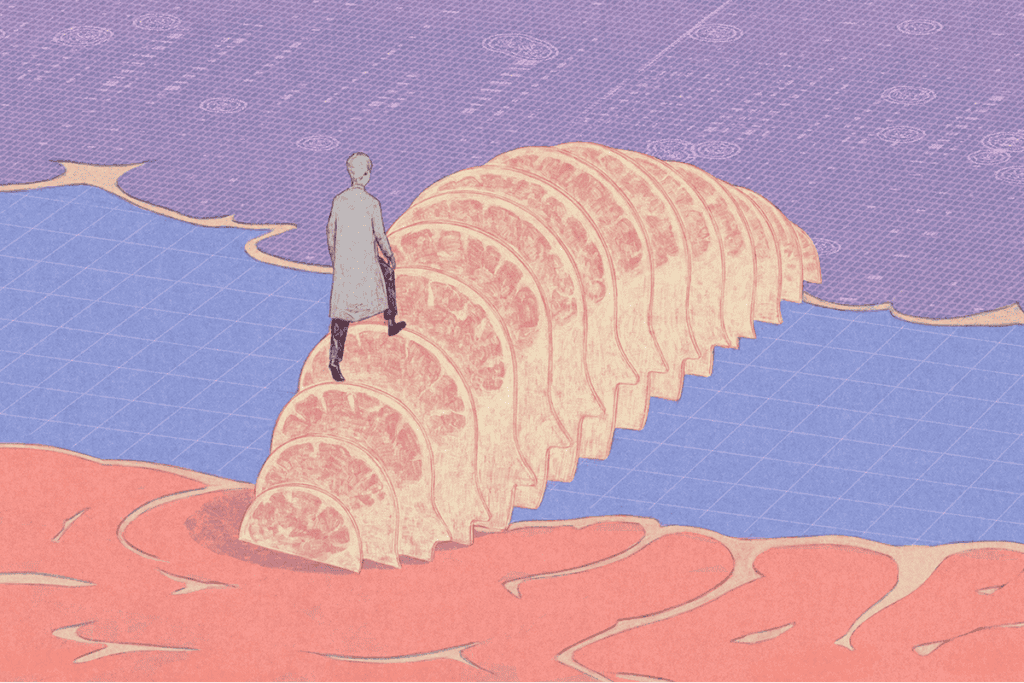
Examining the bridge between neuroscience and AI
A citation analysis reveals that the connection between the two fields is real and gaining momentum. But it’s also narrow and tool-heavy; we need to find ways to widen it.
Examining the bridge between neuroscience and AI
A citation analysis reveals that the connection between the two fields is real and gaining momentum. But it’s also narrow and tool-heavy; we need to find ways to widen it.