Stem cells
Recent articles
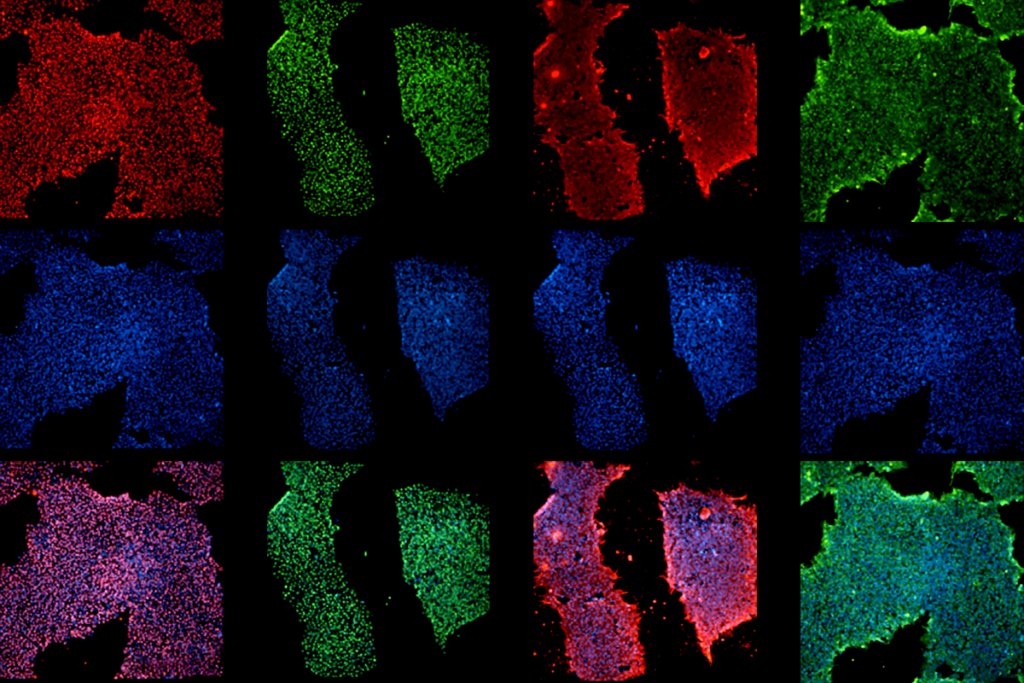
Bringing African ancestry into cellular neuroscience
Two independent teams in Africa are developing stem cell lines and organoids from local populations to explore neurodevelopmental and neurodegenerative conditions.
Bringing African ancestry into cellular neuroscience
Two independent teams in Africa are developing stem cell lines and organoids from local populations to explore neurodevelopmental and neurodegenerative conditions.
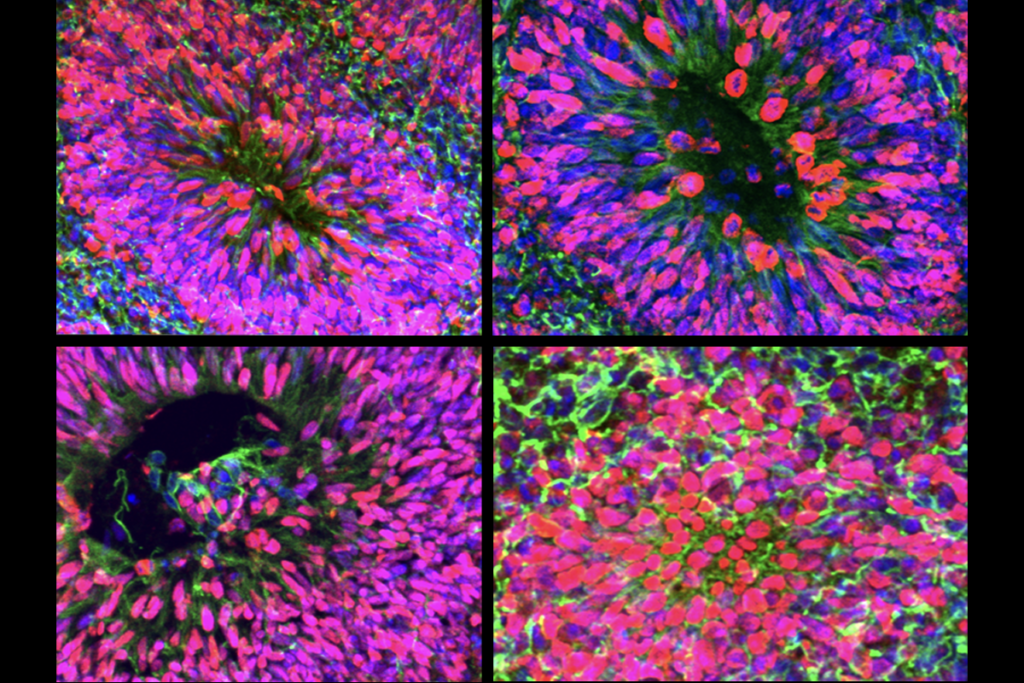
New organoid atlas unveils four neurodevelopmental signatures
The comprehensive resource details data on microcephaly, polymicrogyria, epilepsy and intellectual disability from 352 people.
New organoid atlas unveils four neurodevelopmental signatures
The comprehensive resource details data on microcephaly, polymicrogyria, epilepsy and intellectual disability from 352 people.
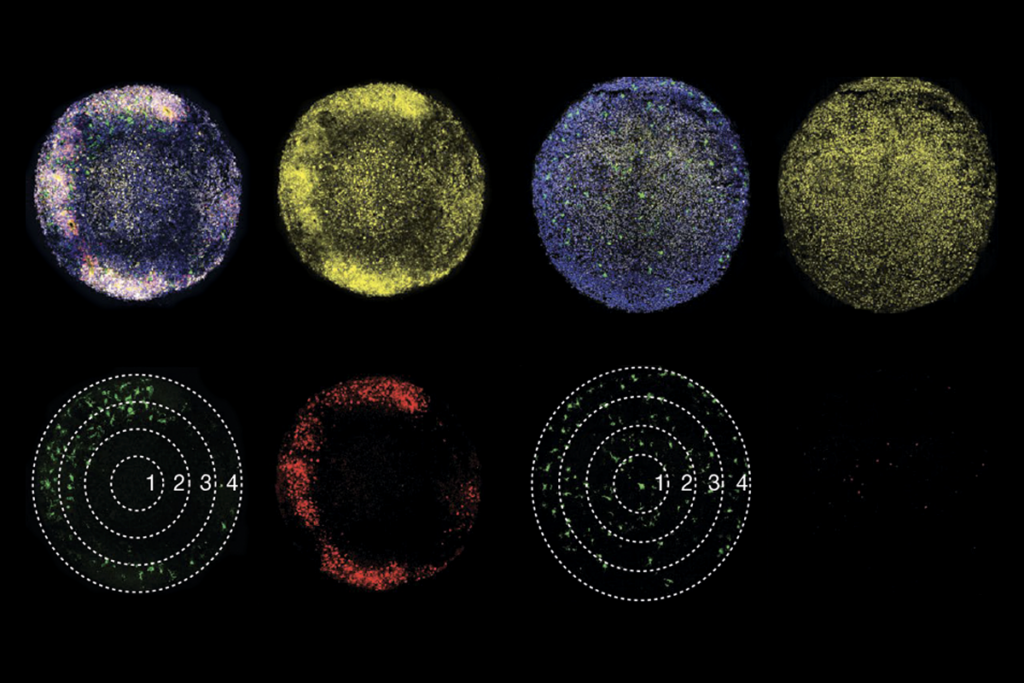
Microglia nurture young interneurons
The immune cells secrete a growth factor that “sets the supply of GABAergic interneurons in the developing brain.”
Microglia nurture young interneurons
The immune cells secrete a growth factor that “sets the supply of GABAergic interneurons in the developing brain.”
Why hype for autism stem cell therapies continues despite dead ends
After numerous tests, there is still no evidence that these experimental treatments help, so now is not the time to expand access to them.
Why hype for autism stem cell therapies continues despite dead ends
After numerous tests, there is still no evidence that these experimental treatments help, so now is not the time to expand access to them.
Cell ‘antennae’ link autism, congenital heart disease
Variants in genes tied to both conditions derail the formation of cilia, the tiny hair-like structure found on almost every cell in the body, a new study finds.
Cell ‘antennae’ link autism, congenital heart disease
Variants in genes tied to both conditions derail the formation of cilia, the tiny hair-like structure found on almost every cell in the body, a new study finds.
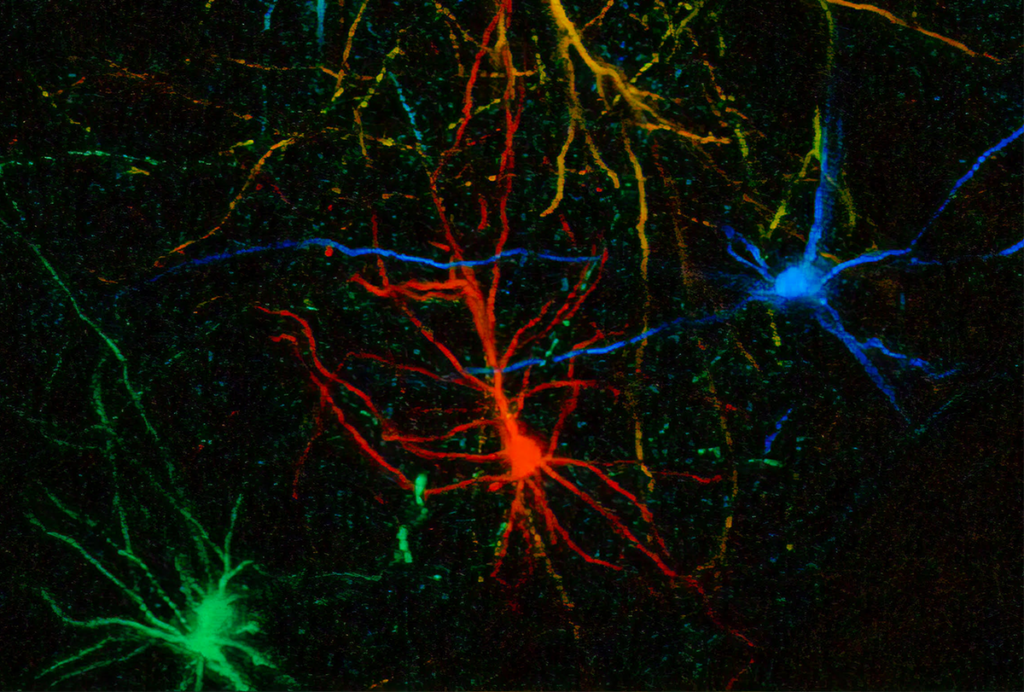
In vivo veritas: Xenotransplantation can help us study the development and function of human neurons in a living brain
Transplanted cells offer insight into human-specific properties, such as a lengthy cortical development and sensitivity to neurodevelopmental and neurodegenerative disease.
In vivo veritas: Xenotransplantation can help us study the development and function of human neurons in a living brain
Transplanted cells offer insight into human-specific properties, such as a lengthy cortical development and sensitivity to neurodevelopmental and neurodegenerative disease.
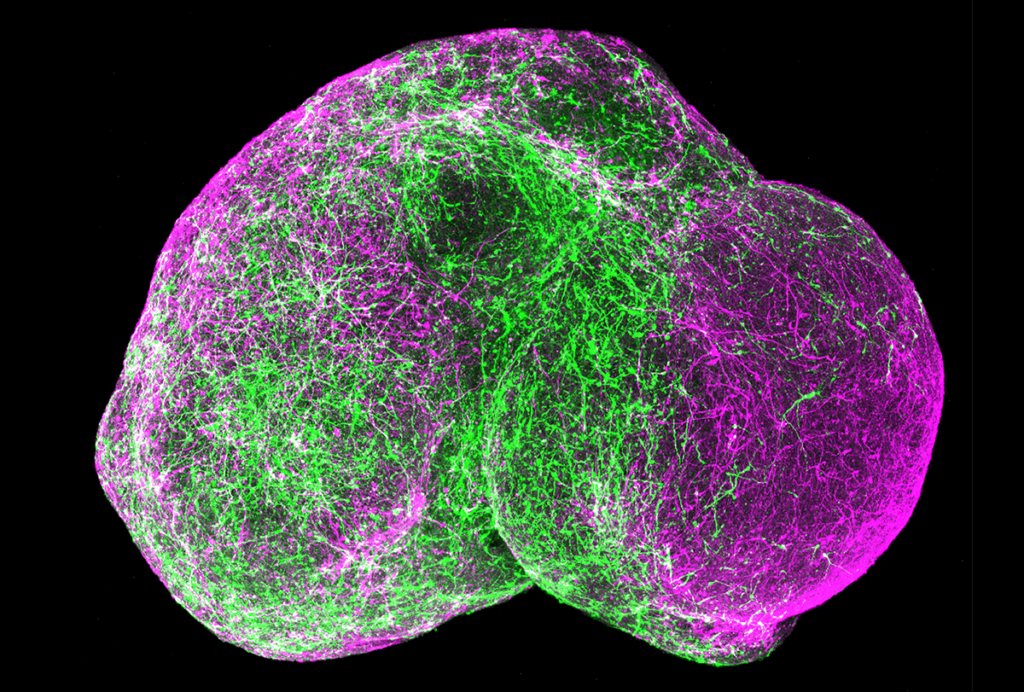
Organoids and assembloids offer a new window into human brain
These sophisticated 3D cultures reveal previously inaccessible stages of human brain development and enable the systematic study of disease genes.
Organoids and assembloids offer a new window into human brain
These sophisticated 3D cultures reveal previously inaccessible stages of human brain development and enable the systematic study of disease genes.
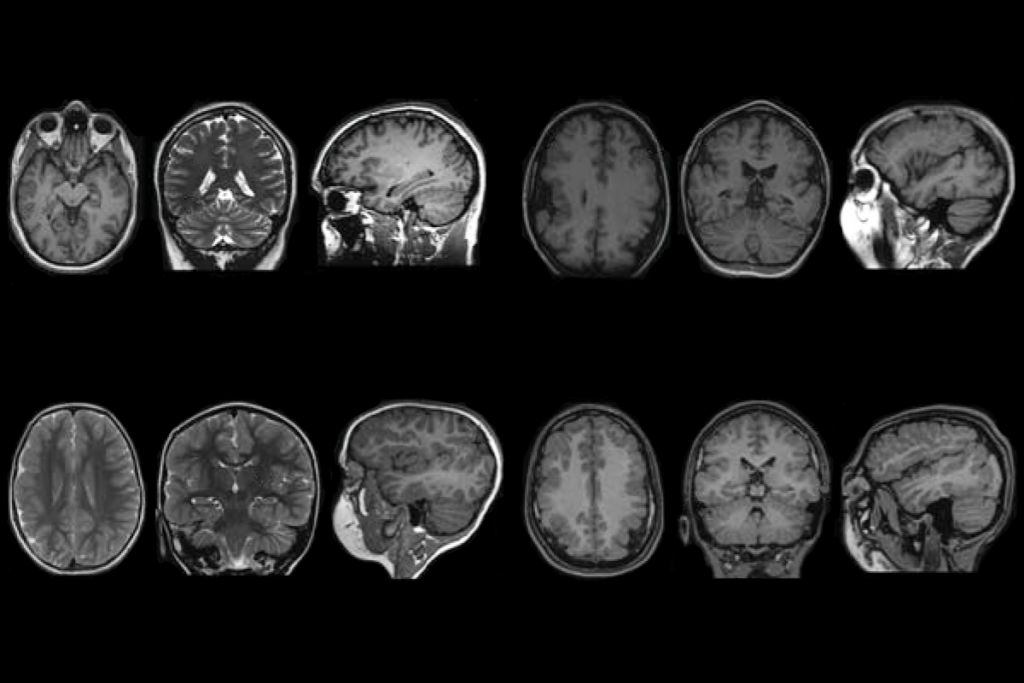
Impaired molecular ‘chaperone’ accompanies multiple brain changes, conditions
Rare genetic variants in a protein-folding complex contribute to a spectrum of phenotypes that encompass brain malformations, intellectual disability, autism and seizures, according to a new “hallmark” study.
Impaired molecular ‘chaperone’ accompanies multiple brain changes, conditions
Rare genetic variants in a protein-folding complex contribute to a spectrum of phenotypes that encompass brain malformations, intellectual disability, autism and seizures, according to a new “hallmark” study.
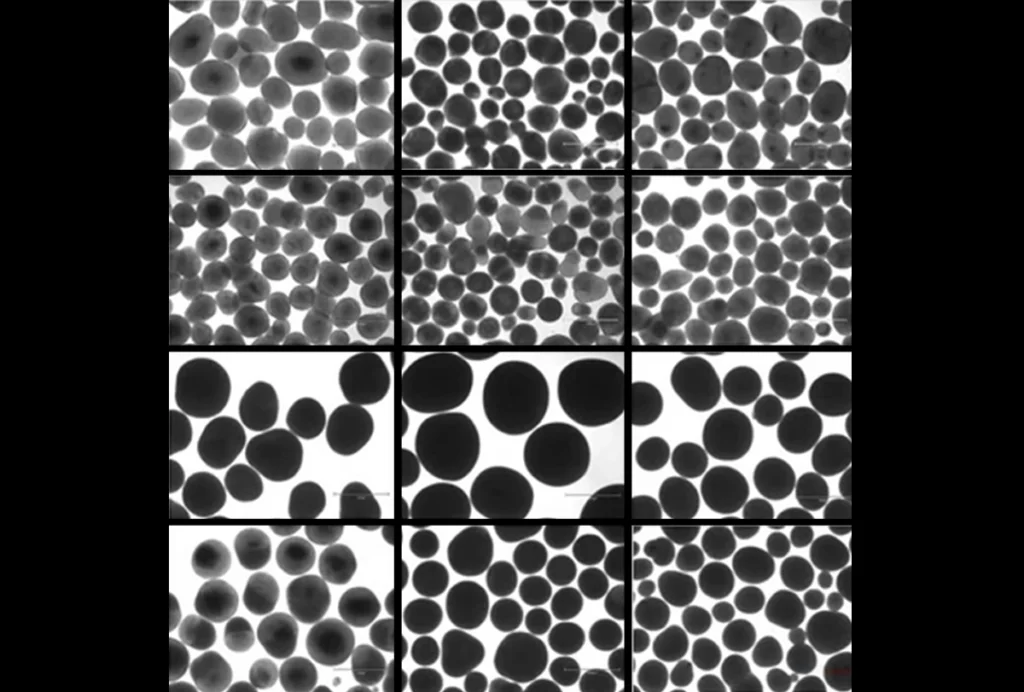
Brain organoid size matches intensity of social problems in autistic people
Overgrown organoids could point to mechanisms underlying profound autism.
Brain organoid size matches intensity of social problems in autistic people
Overgrown organoids could point to mechanisms underlying profound autism.
Autism subgroups converge on cell growth pathway
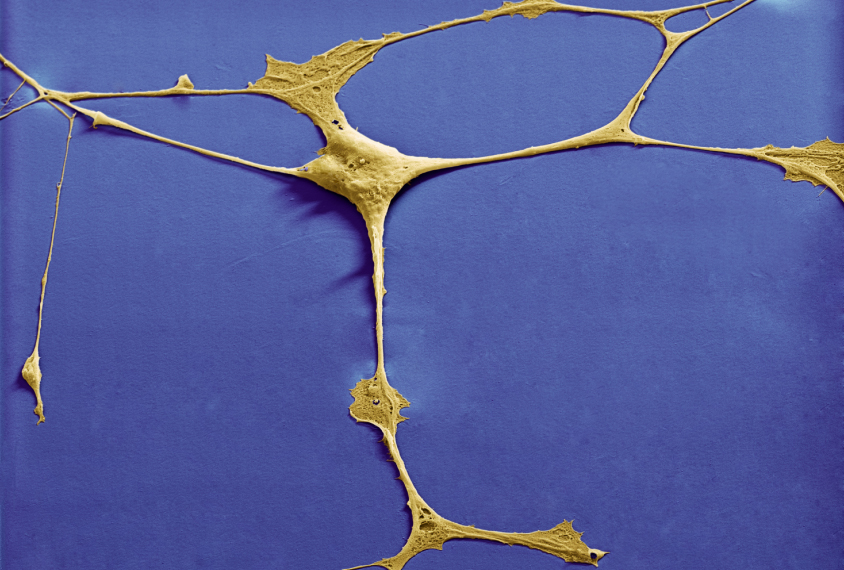
Faulty mTOR signaling, implicated in syndromic forms of autism, also hinders cells grown from people with idiopathic autism or autism-linked deletions on chromosome 16.
Autism subgroups converge on cell growth pathway
Faulty mTOR signaling, implicated in syndromic forms of autism, also hinders cells grown from people with idiopathic autism or autism-linked deletions on chromosome 16.
Explore more from The Transmitter
Newly identified barrier cells seal off choroid plexus from CSF, rest of brain
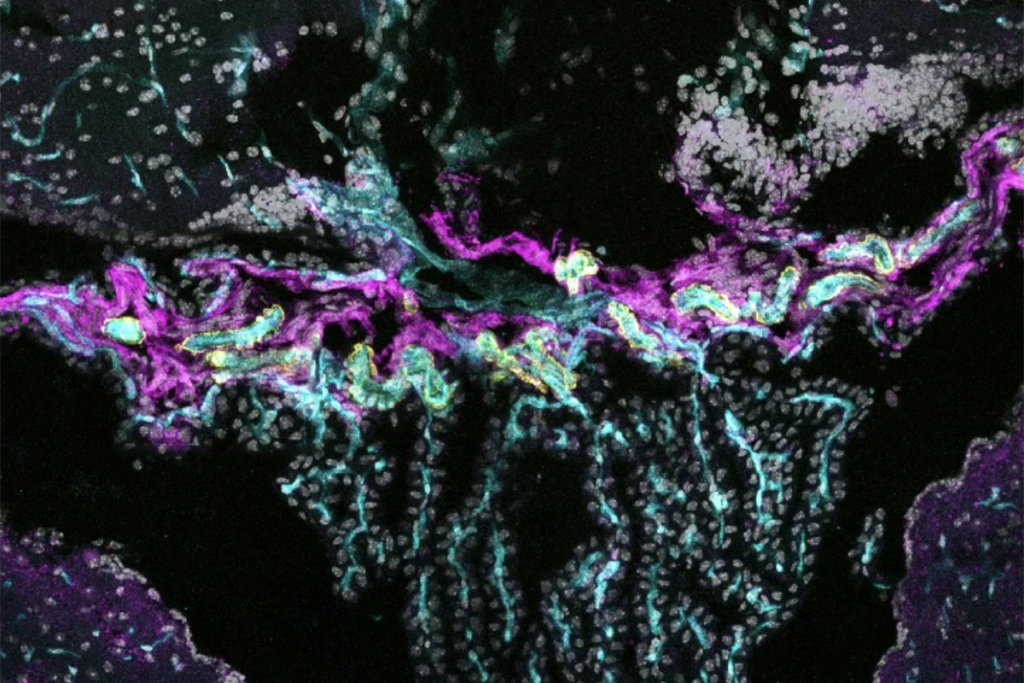
A long-overlooked layer of fibroblasts exists inside the choroid plexus of mice and humans, adding complexity to the area’s compartmentalization.
Newly identified barrier cells seal off choroid plexus from CSF, rest of brain
A long-overlooked layer of fibroblasts exists inside the choroid plexus of mice and humans, adding complexity to the area’s compartmentalization.
‘Digital sphinx’ raises questions about connectome models
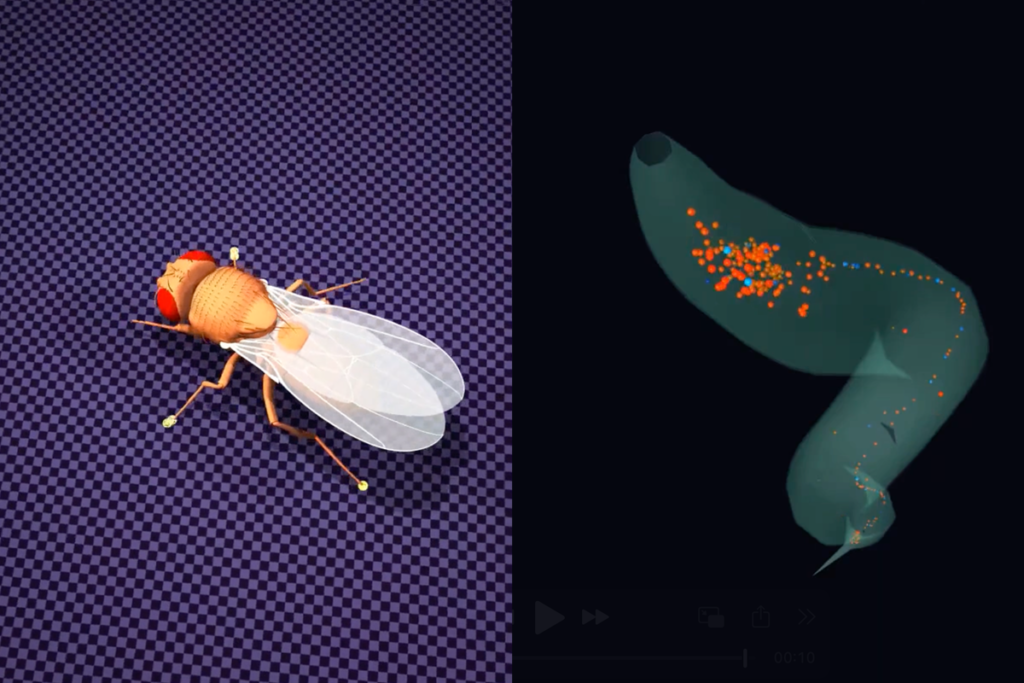
The sphinx, with a worm’s brain and a fly’s body, illustrates the potential pitfalls of using deep-learning techniques to model biological processes.
‘Digital sphinx’ raises questions about connectome models
The sphinx, with a worm’s brain and a fly’s body, illustrates the potential pitfalls of using deep-learning techniques to model biological processes.
Taking a closer look at astrocytes and autism
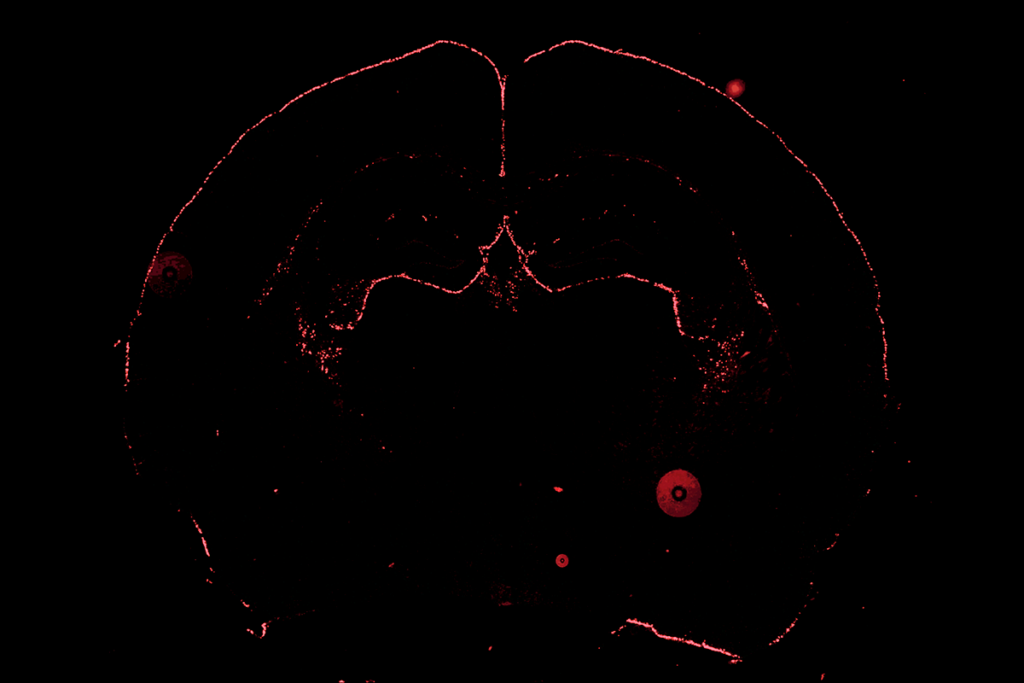
These glial cells are increasingly linked to neurodevelopmental conditions and the regulation of social behaviors and anxiety.
Taking a closer look at astrocytes and autism
These glial cells are increasingly linked to neurodevelopmental conditions and the regulation of social behaviors and anxiety.