Stroke
Recent articles
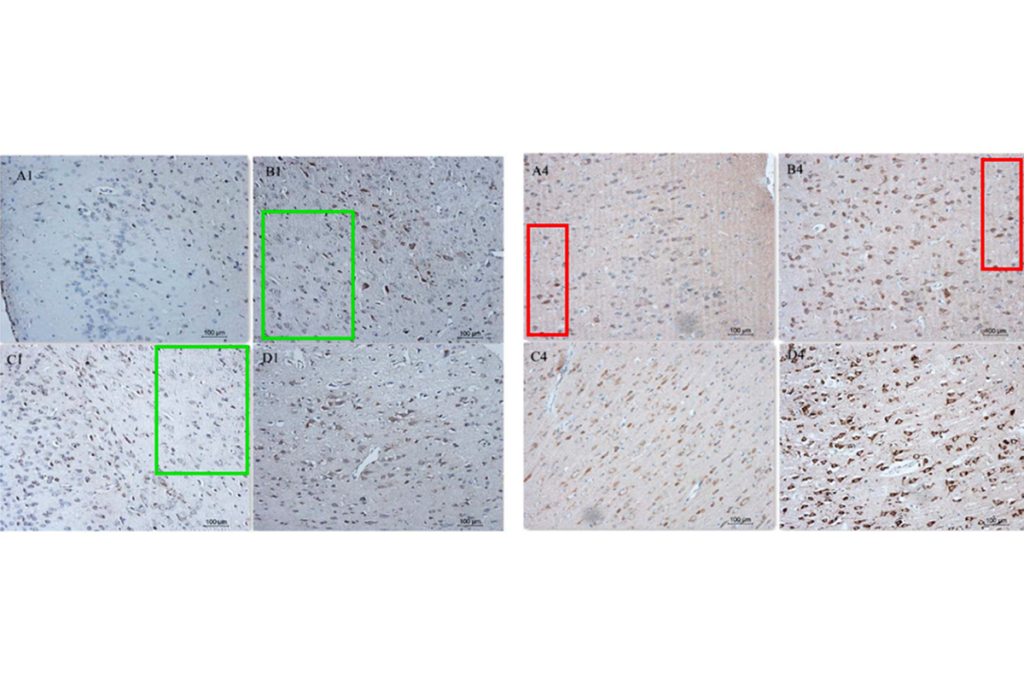
Image integrity issues create new headache for subarachnoid hemorrhage research
First-time sleuths found potentially problematic images in hundreds of papers about early brain injury after subarachnoid hemorrhage.
Image integrity issues create new headache for subarachnoid hemorrhage research
First-time sleuths found potentially problematic images in hundreds of papers about early brain injury after subarachnoid hemorrhage.

Exclusive: Issues with dozens of papers prompt inquiry into prolific stroke researcher
Two of John H. Zhang’s papers have been retracted, 19 have corrections, and 27 have expressions of concern.
Exclusive: Issues with dozens of papers prompt inquiry into prolific stroke researcher
Two of John H. Zhang’s papers have been retracted, 19 have corrections, and 27 have expressions of concern.
Explore more from The Transmitter
U.S. national primate research centers face an uncertain future
The facilities were meant to last 100 years. Four decades shy of that mark, amid flatlined funds and mounting political pressure, their directors are trying to find a path forward.
U.S. national primate research centers face an uncertain future
The facilities were meant to last 100 years. Four decades shy of that mark, amid flatlined funds and mounting political pressure, their directors are trying to find a path forward.
What if nonhuman primate research goes away?
As the U.S. government takes steps to stop using nonhuman primates in research, The Transmitter investigates what that shift could mean for neuroscience.
What if nonhuman primate research goes away?
As the U.S. government takes steps to stop using nonhuman primates in research, The Transmitter investigates what that shift could mean for neuroscience.
The neuroscience questions that need nonhuman primates
The Transmitter asked 17 neuroscientists what questions might remain unanswered if support for nonhuman primate research continues to decline.
The neuroscience questions that need nonhuman primates
The Transmitter asked 17 neuroscientists what questions might remain unanswered if support for nonhuman primate research continues to decline.