2016: Year in review
Recent articles
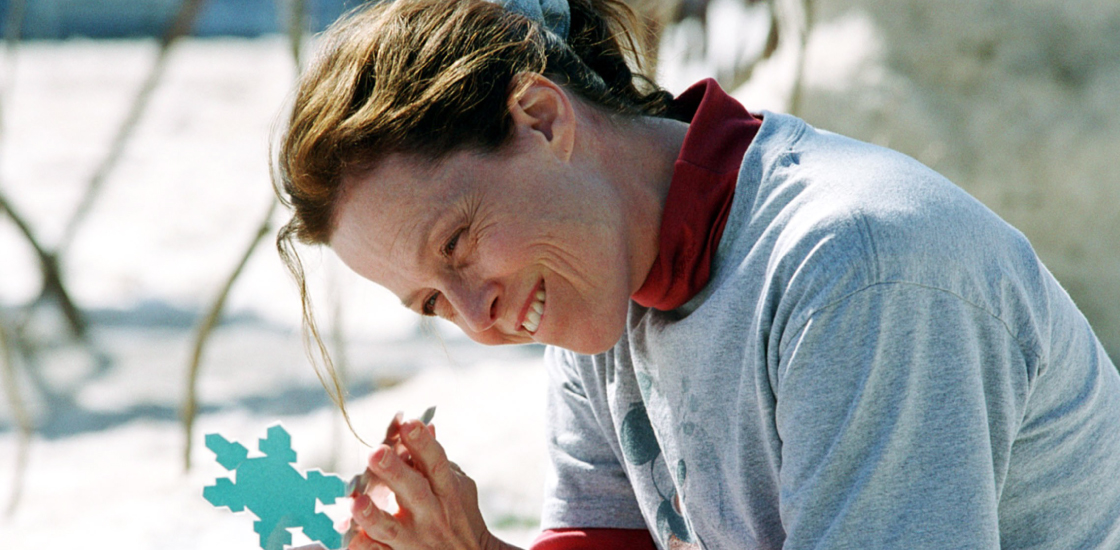
The best depictions of autism in the arts
The books, shows and movies that most accurately portray autism are those that don’t dwell on the condition.
The best depictions of autism in the arts
The books, shows and movies that most accurately portray autism are those that don’t dwell on the condition.
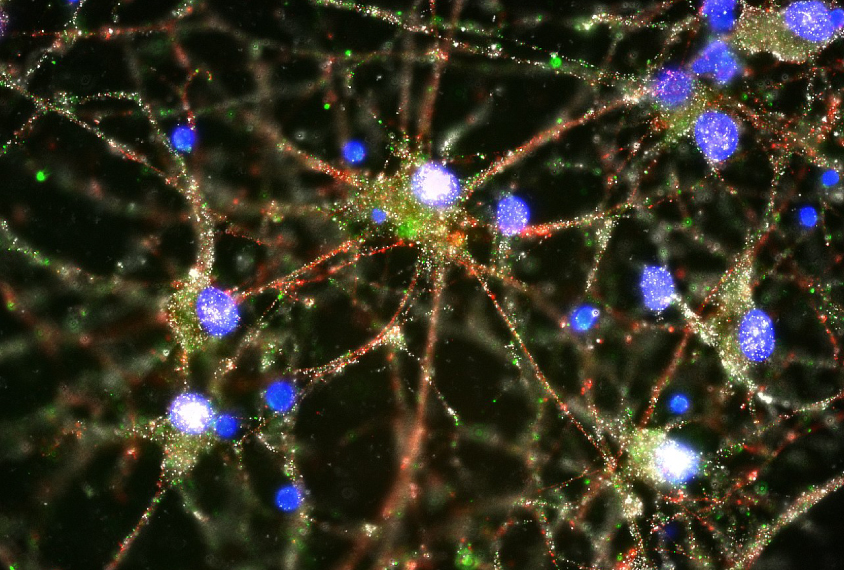
Spectrum of color: Our favorite photos from 2016
Peruse our picks for the best science photos published on Spectrum this year.
Spectrum of color: Our favorite photos from 2016
Peruse our picks for the best science photos published on Spectrum this year.
Quotes of the year
We took note of our favorite quotes from articles we published this year.
Quotes of the year
We took note of our favorite quotes from articles we published this year.
2016’s spectrum of autism science
It’s been an eventful year, full of surprises.
2016’s spectrum of autism science
It’s been an eventful year, full of surprises.
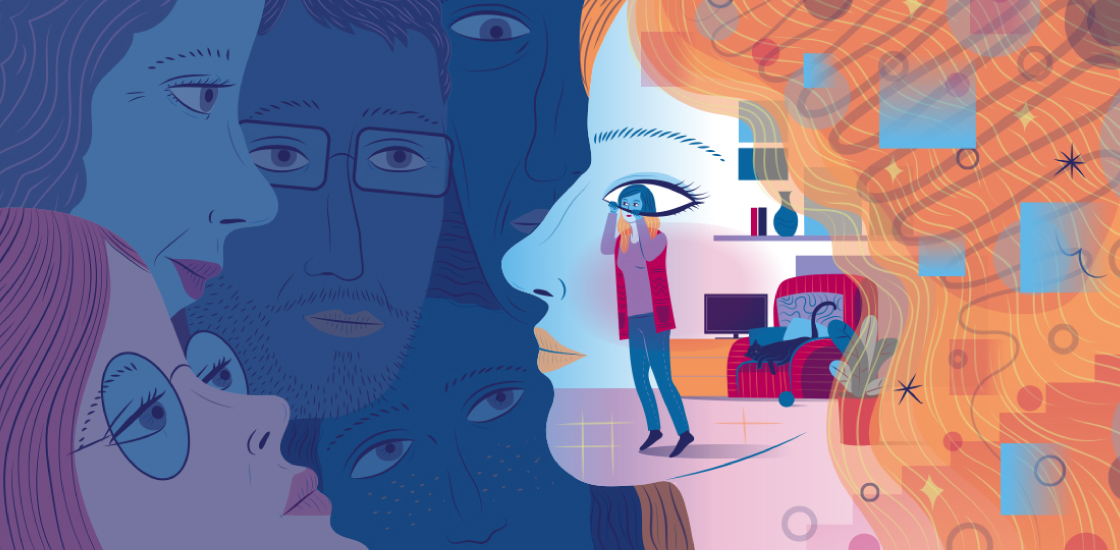
Young woman with autism asks: ‘Am I so different?’
A college student on the spectrum reflects on her struggles relating to others and gaining independence — and on the people who have given her hope.
Young woman with autism asks: ‘Am I so different?’
A college student on the spectrum reflects on her struggles relating to others and gaining independence — and on the people who have given her hope.
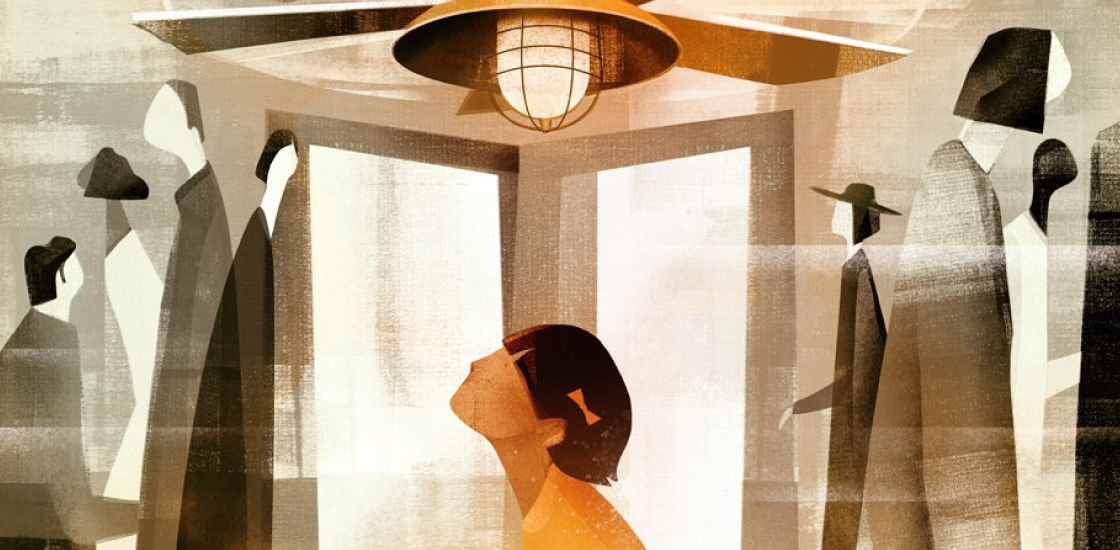
For autism researchers, mundane moments spark ‘Eureka’ insights
Autism researchers reflect on the unusual episodes that spawned significant scientific projects.
For autism researchers, mundane moments spark ‘Eureka’ insights
Autism researchers reflect on the unusual episodes that spawned significant scientific projects.

Hot topics of 2016
These five trending topics hint at important discoveries to come.
Hot topics of 2016
These five trending topics hint at important discoveries to come.
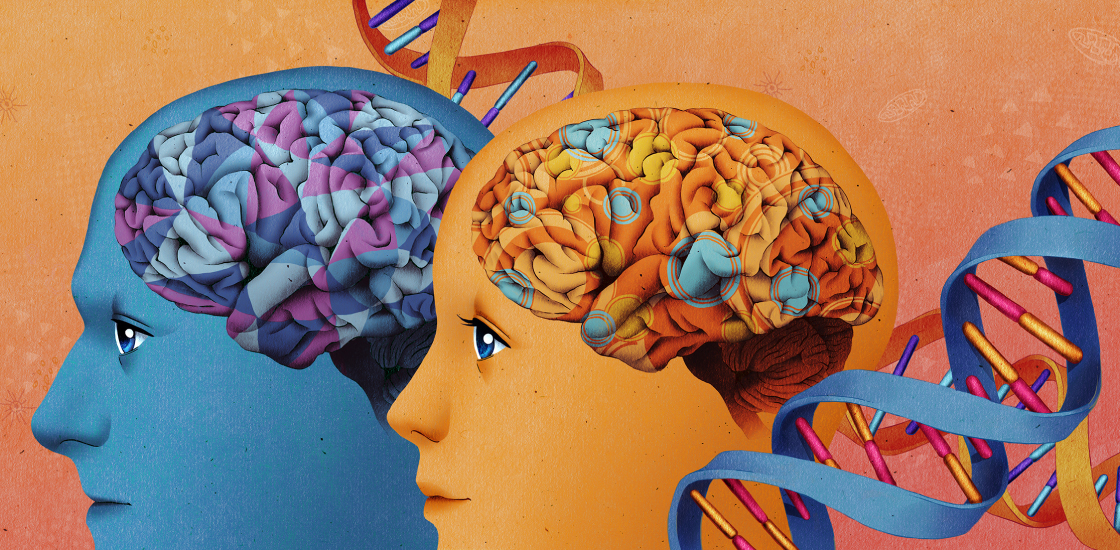
Notable papers of 2016
Our picks for the top 10 papers of the year highlight leaps in our understanding of autism, as well as lingering gaps.
Notable papers of 2016
Our picks for the top 10 papers of the year highlight leaps in our understanding of autism, as well as lingering gaps.

From temperature to toys, strange stimuli skew rodent results
Interpreting mouse and rat behavior is tricky because of the hidden factors that can influence experiments.
From temperature to toys, strange stimuli skew rodent results
Interpreting mouse and rat behavior is tricky because of the hidden factors that can influence experiments.
Explore more from The Transmitter

‘Friction-maxxing’ in school: Students should read primary literature, not AI summaries
Trainees need to learn how to identify a neuroscience paper’s major takeaways and integrate them into their understanding. This skill doesn’t come from outsourcing the work to large language models.
‘Friction-maxxing’ in school: Students should read primary literature, not AI summaries
Trainees need to learn how to identify a neuroscience paper’s major takeaways and integrate them into their understanding. This skill doesn’t come from outsourcing the work to large language models.
Head direction cells stably orient mice to outside world
The cells’ representations show little drift over time—unlike those of other navigation system neurons—and may provide a “rigid backbone” for more flexible sensory and cognitive responses.
Head direction cells stably orient mice to outside world
The cells’ representations show little drift over time—unlike those of other navigation system neurons—and may provide a “rigid backbone” for more flexible sensory and cognitive responses.
Juan Gallego discusses how manifolds are transforming our understanding of the coordination of neuronal population activity
A wealth of evidence supports the view that neural manifolds are real and useful, Gallego says, even if they may not completely solve the age-old mind-body problem.
Juan Gallego discusses how manifolds are transforming our understanding of the coordination of neuronal population activity
A wealth of evidence supports the view that neural manifolds are real and useful, Gallego says, even if they may not completely solve the age-old mind-body problem.