Claire Bachman is a student at Long Beach City College in Long Beach, California. She holds an internship in the adoption center at Found Animals, a nonprofit that aims to decrease the number of pets euthanized in shelters.
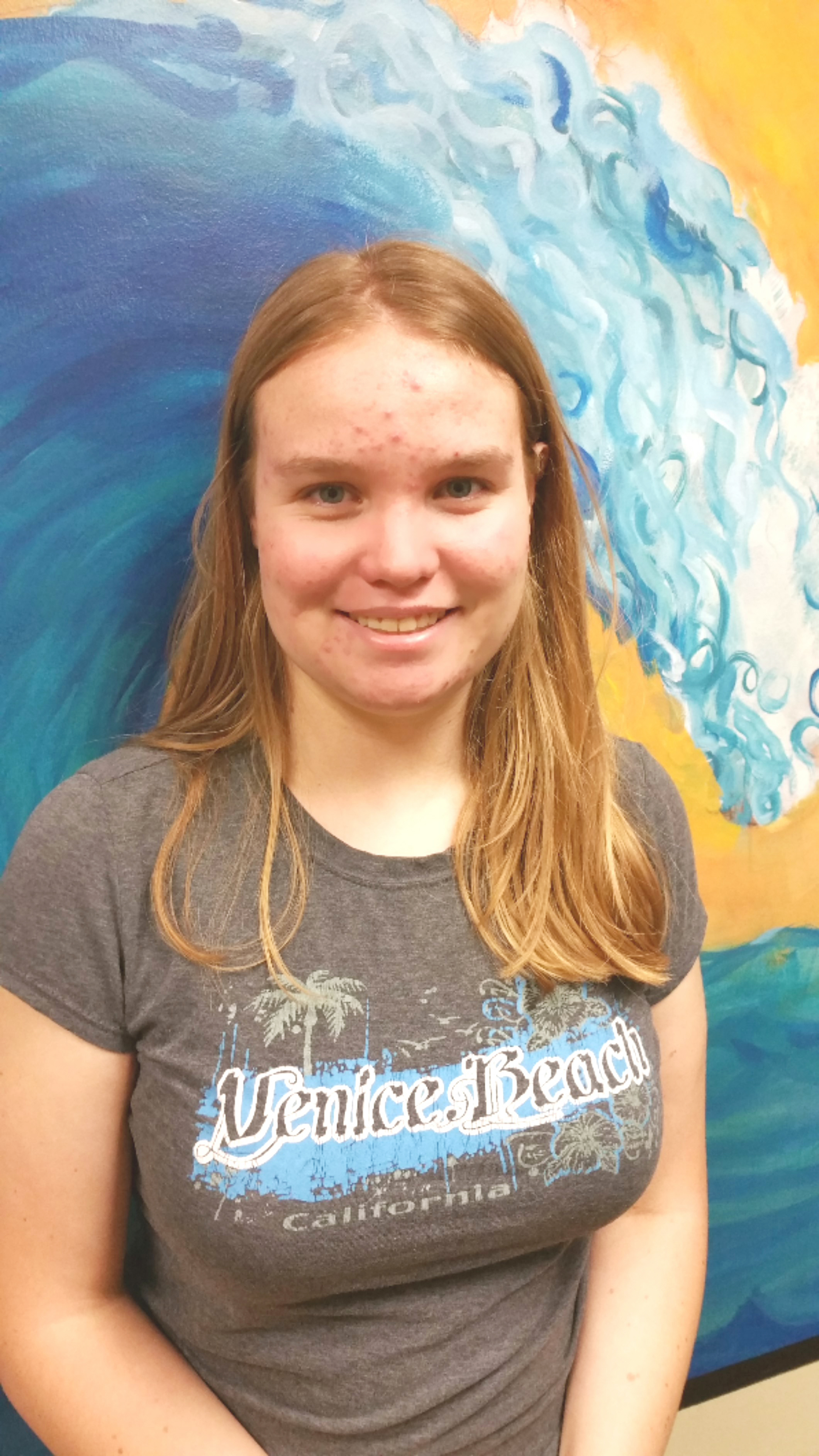
Claire Bachman
Student
Long Beach City College
From this contributor
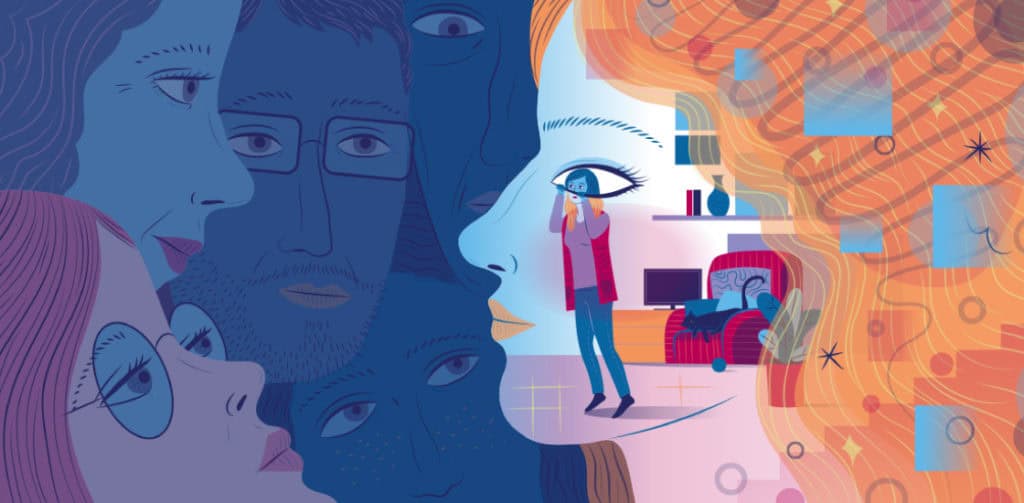
Young woman with autism asks: ‘Am I so different?’
A college student on the spectrum reflects on her struggles relating to others and gaining independence — and on the people who have given her hope.
Young woman with autism asks: ‘Am I so different?’
By
Claire Bachman
26 December 2016 | 5 min read
Explore more from The Transmitter

Amid funding uncertainty, graduate neuroscience programs in the U.S. adapt
The Transmitter surveyed 50 graduate program directors to learn how they’re faring. Securing labs for new students is one of the greatest concerns.
Amid funding uncertainty, graduate neuroscience programs in the U.S. adapt
The Transmitter surveyed 50 graduate program directors to learn how they’re faring. Securing labs for new students is one of the greatest concerns.
By
Emily Singer
9 November 2026 | 15 min read

The changing nature of the neuroscience Ph.D.
The best science can only be sustained by a steady influx of early-stage scientists and the innovative ideas they bring, says Diane Lipscombe. She reflects on the loss of international students, the value of training grants, and the challenges that lie ahead for graduate education.
By
Emily Singer
9 November 2026 | 7 min read
Rethinking neuroscience graduate education in the age of AI
What knowledge from traditional training protocols needs to be maintained, what can be discarded, and what new types of training should be introduced? Six neuroscientists weigh in.
Rethinking neuroscience graduate education in the age of AI
What knowledge from traditional training protocols needs to be maintained, what can be discarded, and what new types of training should be introduced? Six neuroscientists weigh in.
By
Mark Goldman
9 November 2026 | 17 min read