Brain waves
Recent articles
Snoozing dragons stir up ancient evidence of sleep’s dual nature
Deep-sleep cycling between brain waves of higher and lower amplitude dates far back on the evolutionary tree, according to a new comparative study of mammals and reptiles.
Snoozing dragons stir up ancient evidence of sleep’s dual nature
Deep-sleep cycling between brain waves of higher and lower amplitude dates far back on the evolutionary tree, according to a new comparative study of mammals and reptiles.
Dispute erupts over universal cortical brain-wave claim
The debate highlights opposing views on how the cortex transmits information.
Dispute erupts over universal cortical brain-wave claim
The debate highlights opposing views on how the cortex transmits information.

The buzziest neuroscience papers of 2023, 2024
The field took note of work on brain-computer interfaces for speech, the mechanism of psychedelics, a broader definition of hippocampal representations, and more.
The buzziest neuroscience papers of 2023, 2024
The field took note of work on brain-computer interfaces for speech, the mechanism of psychedelics, a broader definition of hippocampal representations, and more.
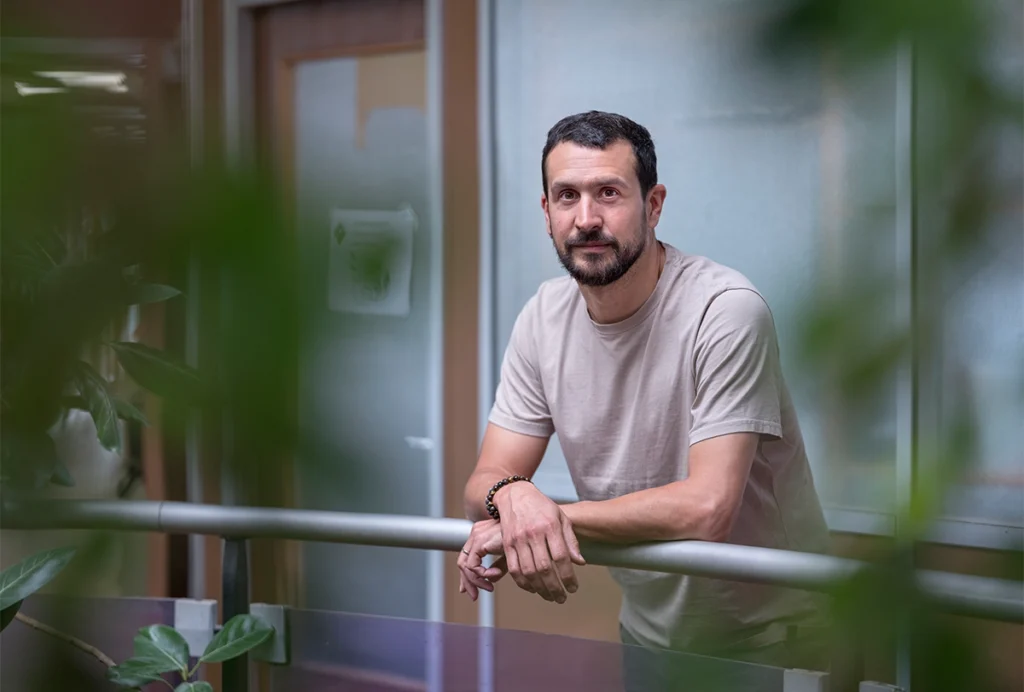
At the end of the earth with Paul-Antoine Libourel
The French researcher’s accomplishments working with chinstrap penguins in the Antarctic highlight the importance of recording sleep in the wild.
At the end of the earth with Paul-Antoine Libourel
The French researcher’s accomplishments working with chinstrap penguins in the Antarctic highlight the importance of recording sleep in the wild.
Explore more from The Transmitter
The neuroscience questions that need nonhuman primates
The Transmitter asked 17 neuroscientists what questions might remain unanswered if support for nonhuman primate research continues to decline.
The neuroscience questions that need nonhuman primates
The Transmitter asked 17 neuroscientists what questions might remain unanswered if support for nonhuman primate research continues to decline.
U.S. national primate research centers face an uncertain future
The facilities were meant to last 100 years. Four decades shy of that mark, amid flatlined funds and mounting political pressure, their directors are trying to find a path forward.
U.S. national primate research centers face an uncertain future
The facilities were meant to last 100 years. Four decades shy of that mark, amid flatlined funds and mounting political pressure, their directors are trying to find a path forward.
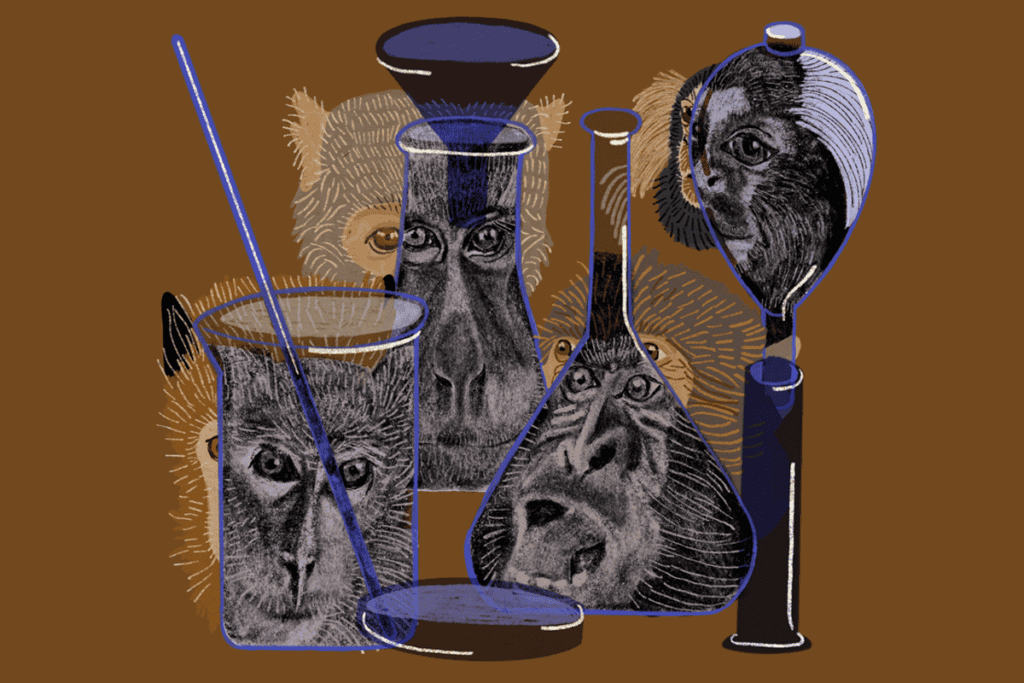
What if nonhuman primate research goes away?
As the U.S. government takes steps to stop using nonhuman primates in research, The Transmitter investigates what that shift could mean for neuroscience.
What if nonhuman primate research goes away?
As the U.S. government takes steps to stop using nonhuman primates in research, The Transmitter investigates what that shift could mean for neuroscience.