Postdoc perspectives
Recent articles
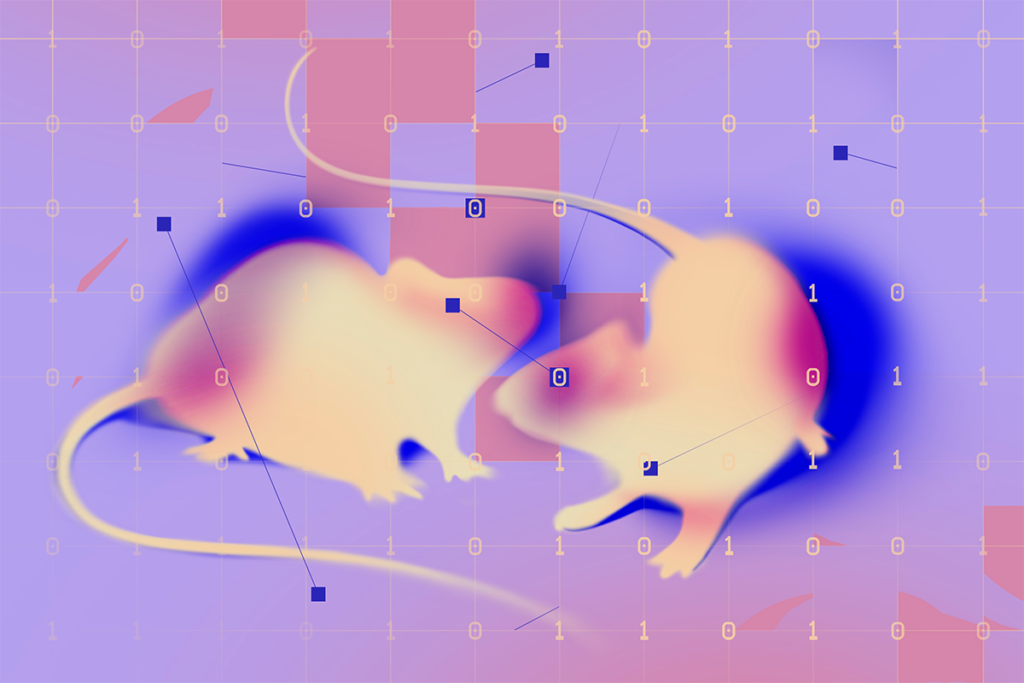
How artificial agents can help us understand social recognition
Neuroscience is chasing the complexity of social behavior, yet we have not answered the simplest question in the chain: How does a brain know “who is who”? Emerging multi-agent artificial intelligence may help accelerate our understanding of this fundamental computation.
How artificial agents can help us understand social recognition
Neuroscience is chasing the complexity of social behavior, yet we have not answered the simplest question in the chain: How does a brain know “who is who”? Emerging multi-agent artificial intelligence may help accelerate our understanding of this fundamental computation.
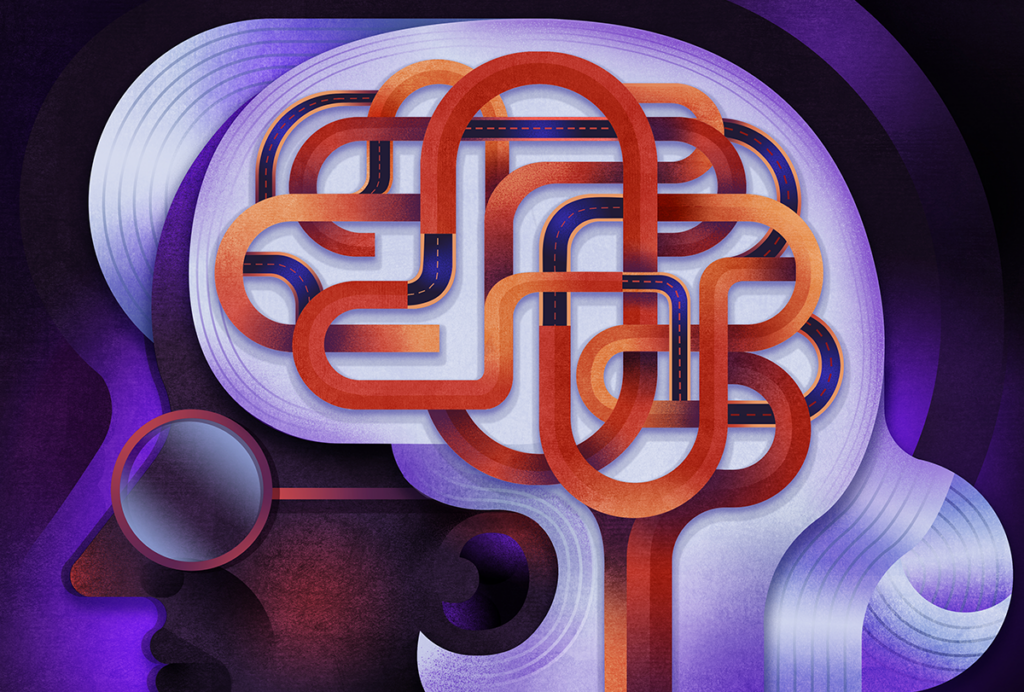
Aging as adaptation: Learning the brain’s recipe for resilience
Some age-related changes in the brain and in behavior are not solely the result of cognitive decline but rather part of a larger adaptive process.
Aging as adaptation: Learning the brain’s recipe for resilience
Some age-related changes in the brain and in behavior are not solely the result of cognitive decline but rather part of a larger adaptive process.
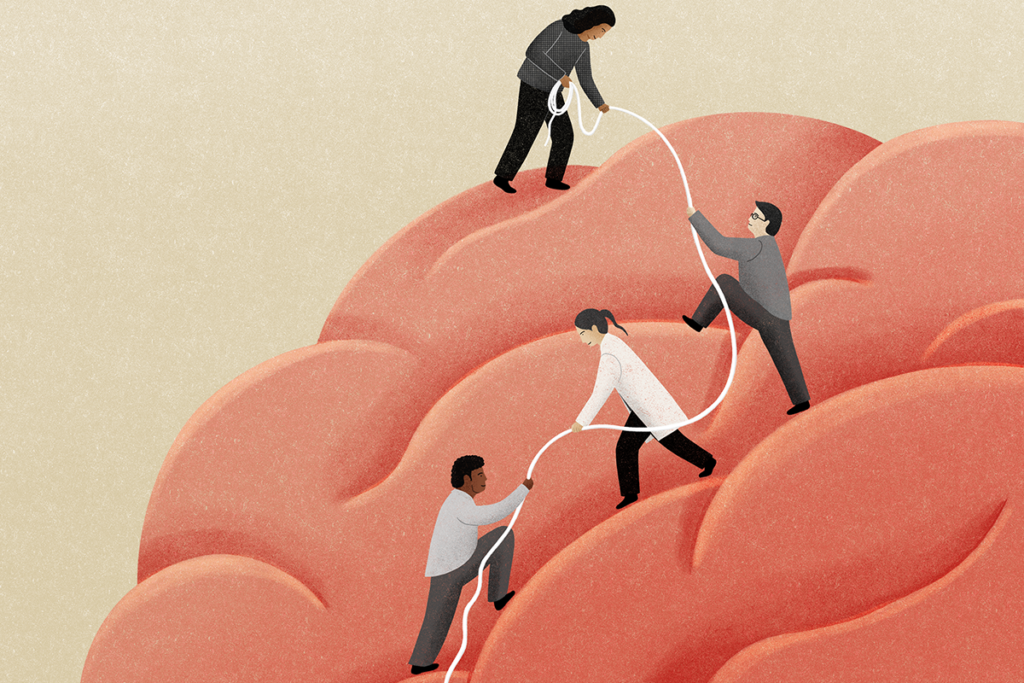
As federal funders desert mentorship programs for marginalized students, trainee-led initiatives fill the gap
Grassroots organizations, led by graduate students and postdoctoral researchers, are stepping up to provide neuroscience career training and guidance for students from marginalized backgrounds—and they need your support.
As federal funders desert mentorship programs for marginalized students, trainee-led initiatives fill the gap
Grassroots organizations, led by graduate students and postdoctoral researchers, are stepping up to provide neuroscience career training and guidance for students from marginalized backgrounds—and they need your support.
Explore more from The Transmitter
Neuroscience conference policy draws confusion, apology
NeurIPS organizers apologized and altered course after issuing a policy that barred submissions from researchers at U.S.-government-sanctioned institutions.
Neuroscience conference policy draws confusion, apology
NeurIPS organizers apologized and altered course after issuing a policy that barred submissions from researchers at U.S.-government-sanctioned institutions.

Funding for animal research alternatives reaches ‘inflection point’
The United States and Europe are dedicating hundreds of millions of dollars in funding to advance novel alternative methods, but not all neuroscientists see this as a positive step.
Funding for animal research alternatives reaches ‘inflection point’
The United States and Europe are dedicating hundreds of millions of dollars in funding to advance novel alternative methods, but not all neuroscientists see this as a positive step.

‘Friction-maxxing’ in school: Students should read primary literature, not AI summaries
Trainees need to learn how to identify a neuroscience paper’s major takeaways and integrate them into their understanding. This skill doesn’t come from outsourcing the work to large language models.
‘Friction-maxxing’ in school: Students should read primary literature, not AI summaries
Trainees need to learn how to identify a neuroscience paper’s major takeaways and integrate them into their understanding. This skill doesn’t come from outsourcing the work to large language models.