Brainstem
Recent articles
Brainstem neurons add new element to ‘already complex’ anxiety circuitry
Precise optogenetic modulation of a medullary neuron population reveals their role in anxiety-like behaviors.
Brainstem neurons add new element to ‘already complex’ anxiety circuitry
Precise optogenetic modulation of a medullary neuron population reveals their role in anxiety-like behaviors.
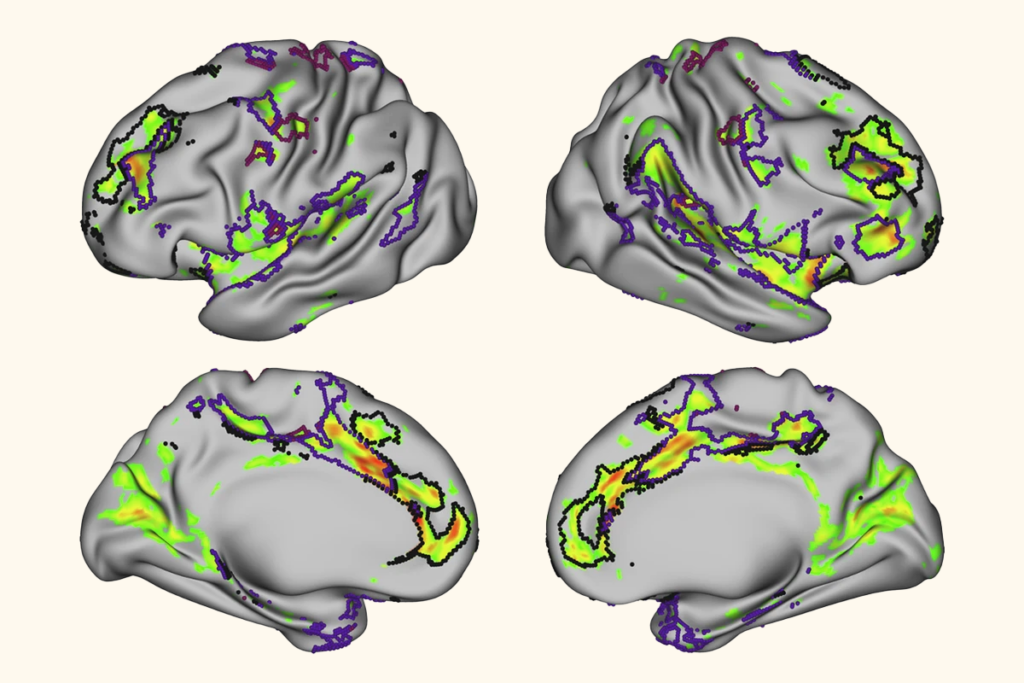
‘Ancient’ brainstem structure evolved beyond basic motor control
The human red nucleus may also help coordinate action, reward and motivated behavior, a new study suggests.
‘Ancient’ brainstem structure evolved beyond basic motor control
The human red nucleus may also help coordinate action, reward and motivated behavior, a new study suggests.
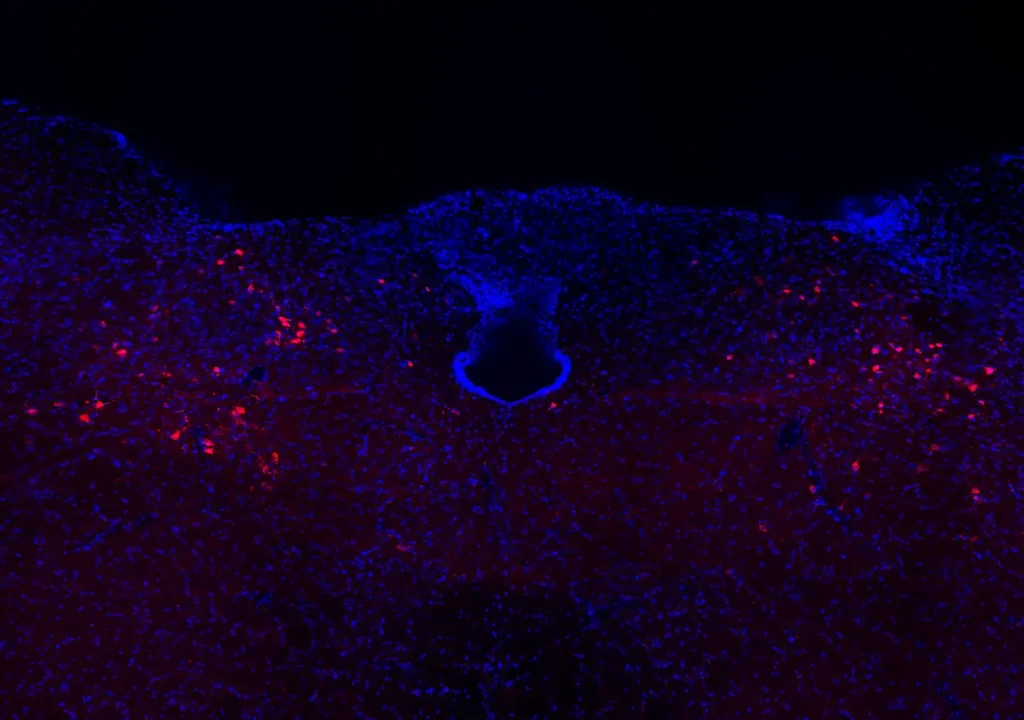
Cell population in brainstem coordinates cough, new study shows
The work also adds to a growing body of evidence showing that mice, and their genetic toolbox, can be used to study cough.
Cell population in brainstem coordinates cough, new study shows
The work also adds to a growing body of evidence showing that mice, and their genetic toolbox, can be used to study cough.
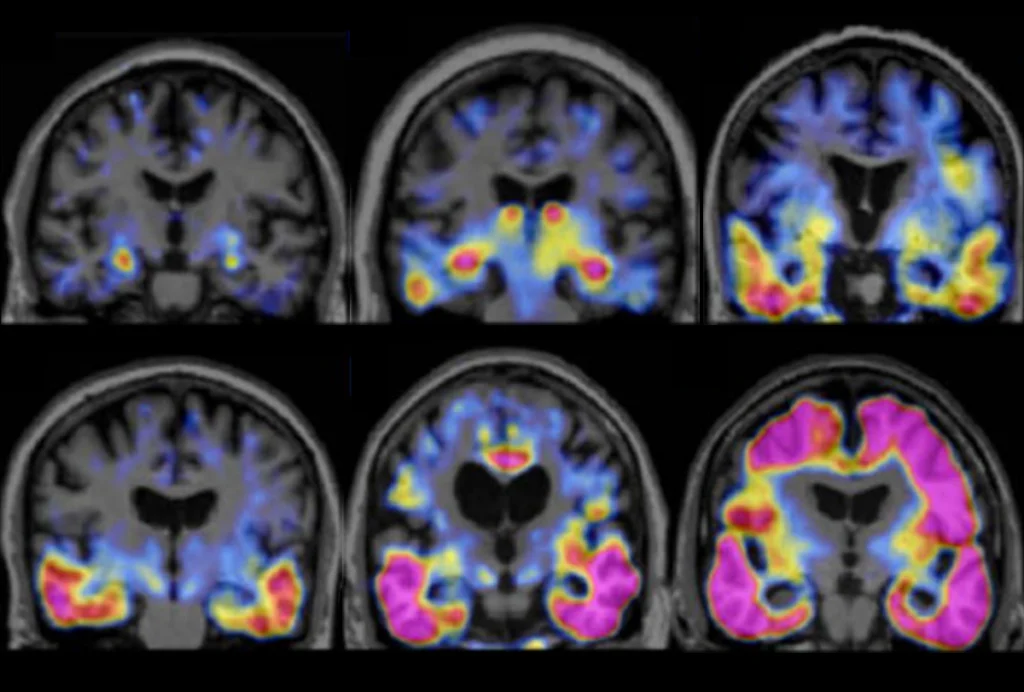
Supersized version of Alzheimer’s protein avoids clumping in brain
“Big tau” may explain why some brain regions, such as the cerebellum and brainstem, are largely spared from neurodegeneration, even though tau is expressed throughout the nervous system.
Supersized version of Alzheimer’s protein avoids clumping in brain
“Big tau” may explain why some brain regions, such as the cerebellum and brainstem, are largely spared from neurodegeneration, even though tau is expressed throughout the nervous system.
Explore more from The Transmitter
Is it time for neuroscience to shift its focus from a computational mind to a navigating mind?
Andrea Hiott explains her navigational approach to the mind, and why now is the time to embrace seemingly paradoxical findings in neuroscience.
Is it time for neuroscience to shift its focus from a computational mind to a navigating mind?
Andrea Hiott explains her navigational approach to the mind, and why now is the time to embrace seemingly paradoxical findings in neuroscience.
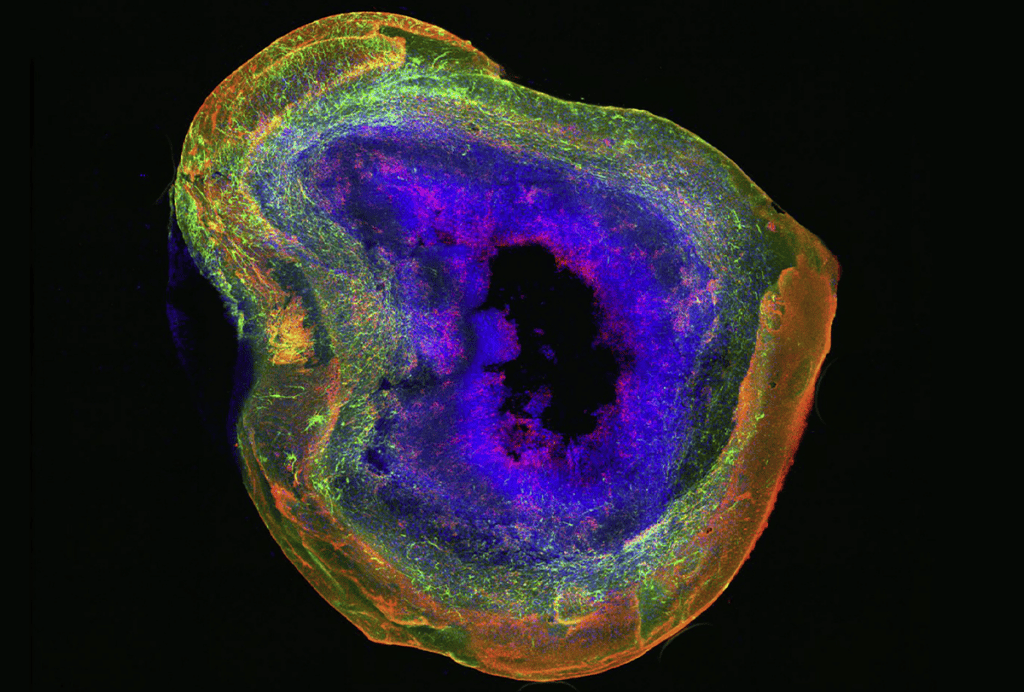
Human brain organoids come of age—but still have room to grow
The U.S. government has touted organoids as an alternative to animals for studying the brain. The model has improved since its debut in 2013, but scientists are still working to overcome key limitations: immaturity, consistency and the lack of vascularization.
Finding neuroheterogeneity’s sweet spot
Once thought to be detrimental to memory processing, neuronal diversity—at the right ‘Goldilocks’ dose—is a new boon to theoretical neuroscience.
Finding neuroheterogeneity’s sweet spot
Once thought to be detrimental to memory processing, neuronal diversity—at the right ‘Goldilocks’ dose—is a new boon to theoretical neuroscience.