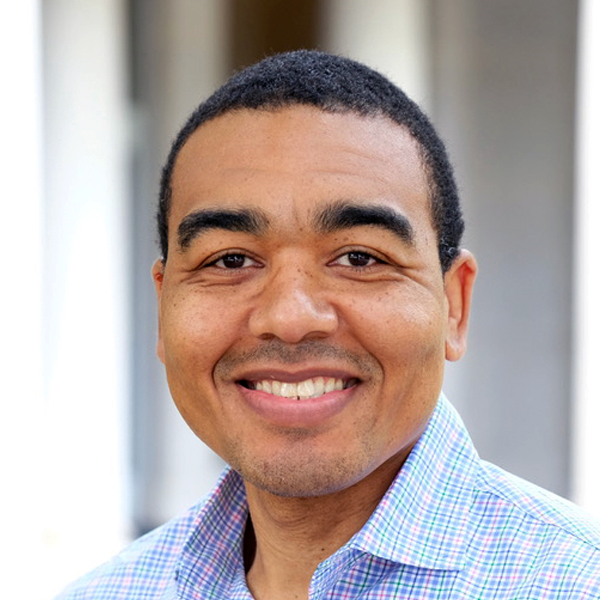
Brian Boyd is William C. Friday Professor of Education and director of the Frank Porter Graham Child Development Institute at the University of North Carolina at Chapel Hill. He is engaged in research that involves the most vulnerable, and often marginalized, populations.
As a special educator by training, much of his research has involved the development and evaluation of evidence-based practices that can be implemented within school and home contexts. His more recent work has focused on how intersecting social identities affect the outcomes of children with and without disabilities. Boyd’s research has been continuously funded by federal agencies such as the Institute of Education Sciences and National Institutes of Health. As of 2025, Boyd is president of the International Society for Autism Research. He also serves on multiple national boards that are dedicated to improving the outcomes of autistic people and those from historically underserved communities.
Boyd was previously director of the Juniper Gardens Children’s Project at the University of Kansas. Before that, he spent nearly a decade as a faculty member in the University of North Carolina at Chapel Hill’s Department of Allied Health Sciences, earning tenure and holding research appointments at the Carolina Institute for Developmental Disabilities and the Frank Porter Graham Child Development Institute.
He earned his B.S. in psychology at the College of William & Mary and his Ph.D. in special education at the University of Florida.