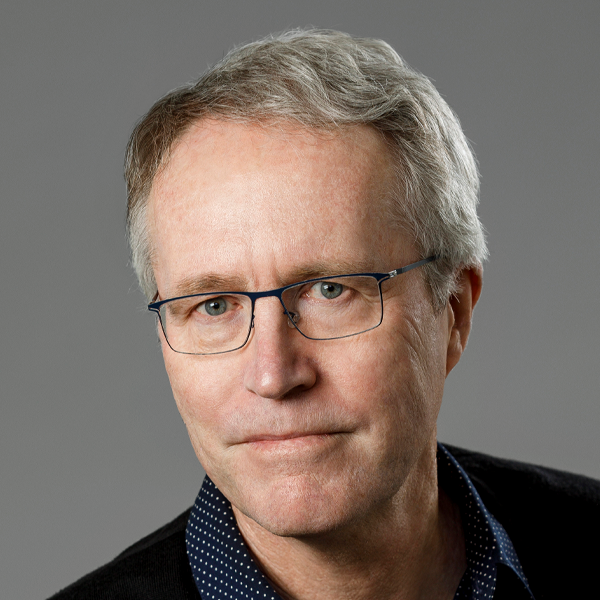
Seth Grant.

Seth Grant

Professor of molecular neuroscience
Edinburgh University

Seth Grant is professor of molecular neuroscience at Edinburgh University. His lab studies synapse diversity in the brain using synaptome mapping, a combined laboratory and computational approach that reports proteomics at single-synapse resolution and on the whole-brain scale. Synaptome mapping is uncovering how brain synapse diversity and architecture change during development and aging, are modulated by sensory input and lived experience, and are affected by genetic disorders such as dementia, Alzheimer’s disease and schizophrenia. These studies are providing clues to understanding of the role of the synaptome in learning, memory and behavior.

After graduating from Sydney University with bachelor’s degrees in science, medicine and surgery, Grant studied transgenic mouse models of cancer and diabetes with Douglas Hanahan at Cold Spring Harbor Laboratory. He also studied mouse genetic models of learning and memory with Eric Kandel at the Howard Hughes Medical Institute and Columbia University. He established his first laboratory at Edinburgh University in 1994 and in 2000 was appointed professor of molecular neuroscience. 

Grant has held additional appointments, including John Cade Visiting Professor at Melbourne University, principal investigator at the Wellcome Trust Sanger Institute, and honorary professorship at Cambridge University. He was elected fellow of the Royal Society of Edinburgh in 2011 and fellow of the Academy of Medical Sciences in 2015.
From this contributor

Explore more from The Transmitter

Illustration of a sheet of paper with many holes punched out of it.

Let’s teach neuroscientists how to be thoughtful and fair reviewers

Blanco-Suárez revamped the traditional journal club by developing a course in which students peer review preprints alongside the published papers that evolved from them.

By Elena Blanco-Suárez
6 March 2026 | 6 min read
Megaphone with many different shapes and textures emanating from it.

New autism committee positions itself as science-backed alternative to government group

The Independent Autism Coordinating Committee plans to meet at the same time as the U.S. federal Interagency Autism Coordinating Committee later this month—and offer its own research agenda.

By Angie Voyles Askham
5 March 2026 | 5 min read
Patrik Ernfors and David Ginty.

Two neurobiologists win 2026 Brain Prize for discovering mechanics of touch

Research by Patrik Ernfors and David Ginty has delineated the diverse cell types of the somatosensory system and revealed how they detect and discriminate among different types of tactile information.

By Helena Kudiabor
5 March 2026 | 4 min read

privacy consent banner

Privacy Preference

We use cookies to provide you with the best online experience. By clicking “Accept All,” you help us understand how our site is used and enhance its performance. You can change your choice at any time. To learn more, please visit our Privacy Policy.