Molecular neuroscience
Recent articles
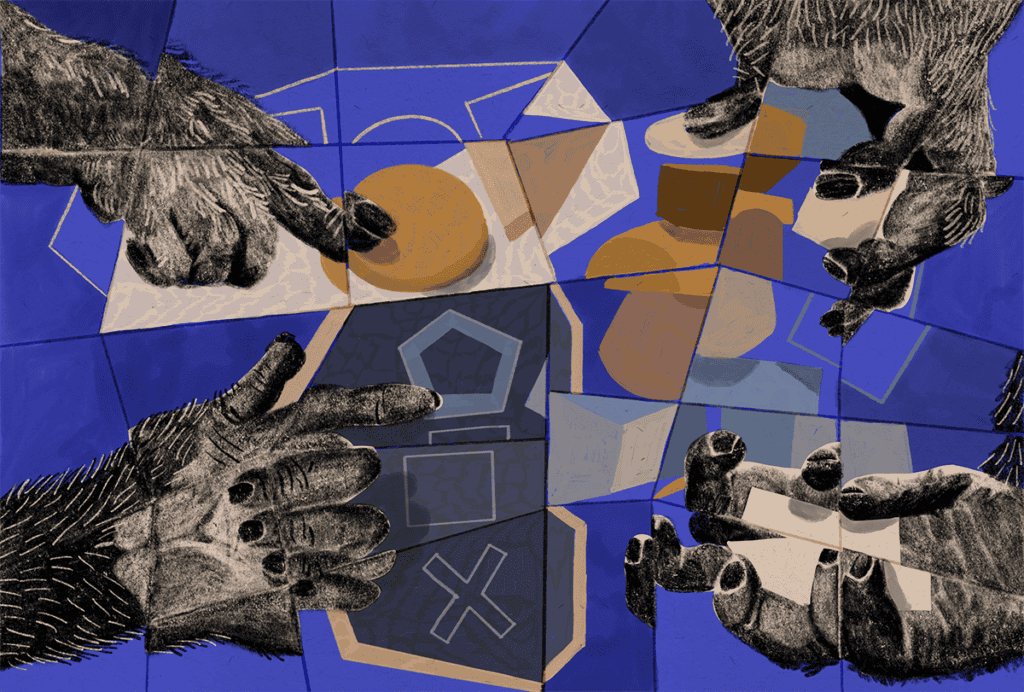
The neuroscience questions that need nonhuman primates
The Transmitter asked 17 neuroscientists what questions might remain unanswered if support for nonhuman primate research continues to decline.
The neuroscience questions that need nonhuman primates
The Transmitter asked 17 neuroscientists what questions might remain unanswered if support for nonhuman primate research continues to decline.
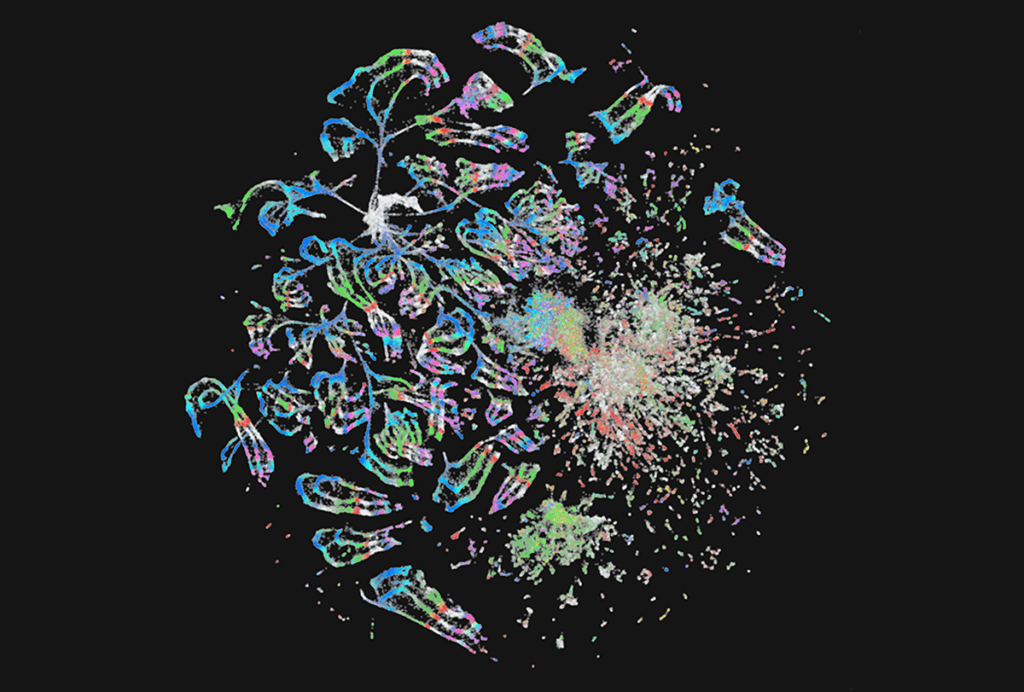
Fly neurons carry molecular signatures of their origins
The pattern of transcription factors a Drosophila neuron expresses offers clues to its lineage and birth order—and ultimately how neural circuits emerge.
Fly neurons carry molecular signatures of their origins
The pattern of transcription factors a Drosophila neuron expresses offers clues to its lineage and birth order—and ultimately how neural circuits emerge.
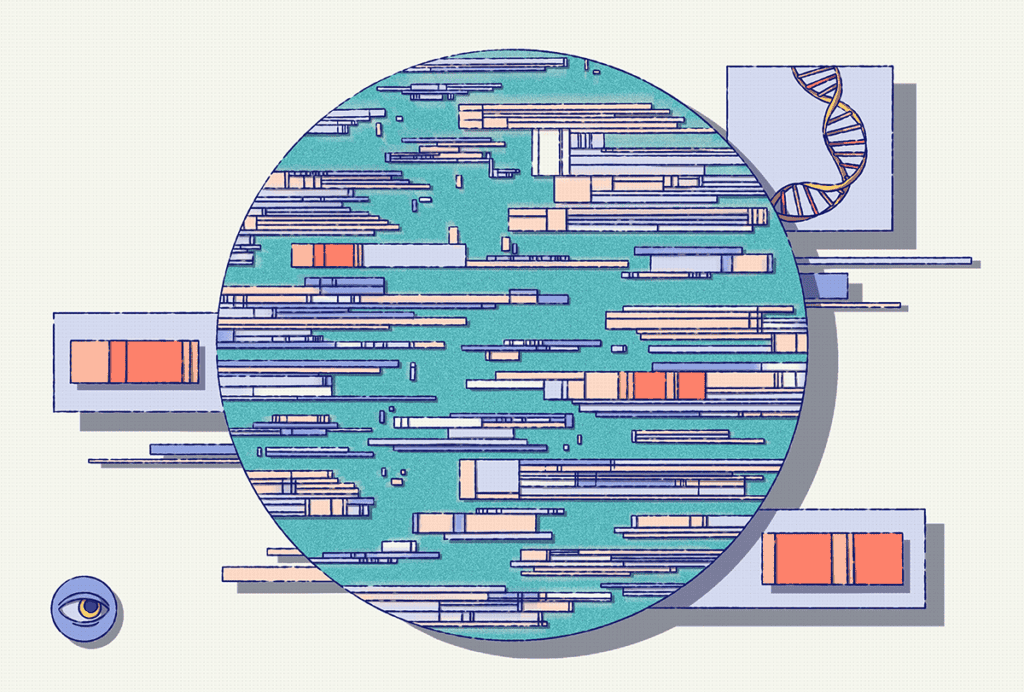
This paper changed my life: Transformative work in addiction neuroscience
A 2011 Nature study found that loss of a nicotinic receptor subunit leads to increased nicotine intake in mice. The work set the standard for how to functionally validate genetic association study findings in neuroscience.
This paper changed my life: Transformative work in addiction neuroscience
A 2011 Nature study found that loss of a nicotinic receptor subunit leads to increased nicotine intake in mice. The work set the standard for how to functionally validate genetic association study findings in neuroscience.
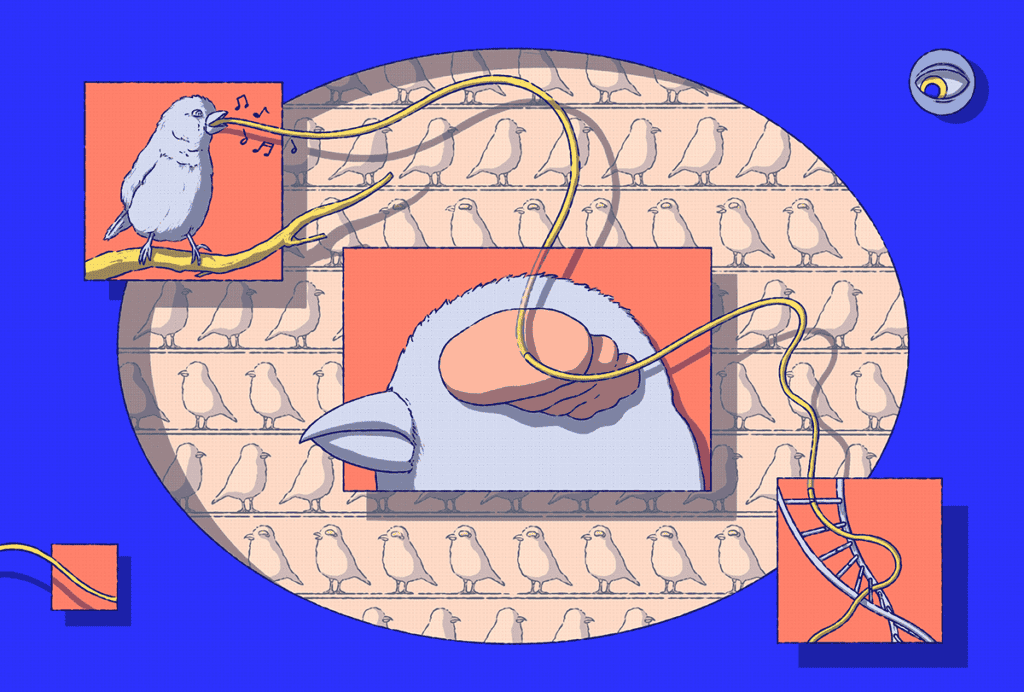
This paper changed my life: Embracing an early model for naturalistic neuroscience
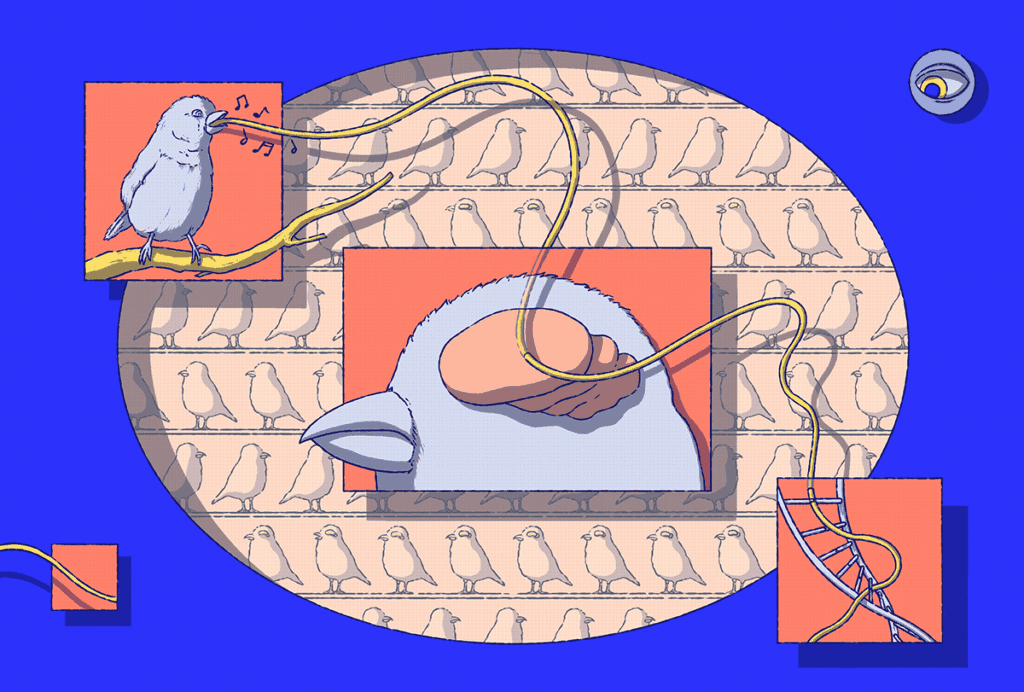
A 1992 PNAS paper showed how birdsong upregulates the expression of an immediate early gene in bird forebrains. The work revealed to Ribeiro the importance of studying molecular responses in naturalistic contexts.
This paper changed my life: Embracing an early model for naturalistic neuroscience
A 1992 PNAS paper showed how birdsong upregulates the expression of an immediate early gene in bird forebrains. The work revealed to Ribeiro the importance of studying molecular responses in naturalistic contexts.
Este artigo mudou minha vida: adotando um dos primeiros modelos de neurociência naturalística
Um artigo publicado na PNAS em 1992 mostrou que o canto das aves aumenta a expressão de um gene de resposta imediata no prosencéfalo dessas aves. O estudo revelou a Ribeiro a importância de investigar as respostas moleculares em contextos naturalísticos.
Este artigo mudou minha vida: adotando um dos primeiros modelos de neurociência naturalística
Um artigo publicado na PNAS em 1992 mostrou que o canto das aves aumenta a expressão de um gene de resposta imediata no prosencéfalo dessas aves. O estudo revelou a Ribeiro a importância de investigar as respostas moleculares em contextos naturalísticos.
Este artículo cambió mi vida: Adoptando un modelo temprano de neurociencia naturalista
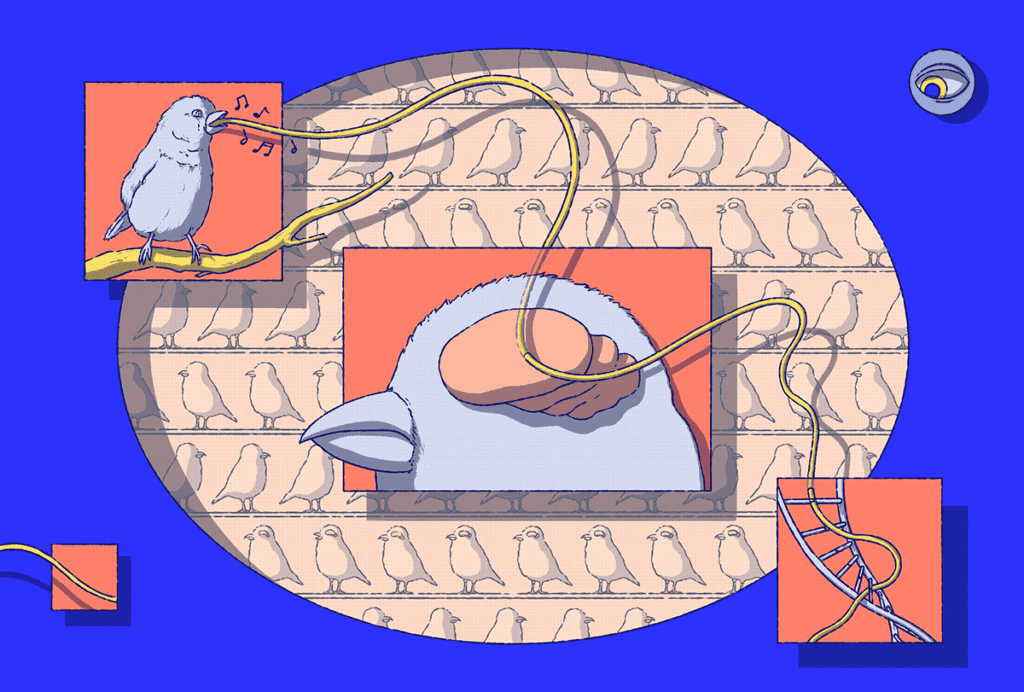
Un estudio del 1992 publicado en PNAS demostró que el canto de las aves aumenta la expresión de un gen de respuesta temprana inmediata en el prosencéfalo de los pájaros. El trabajo le reveló a Ribeiro la importancia de estudiar las respuestas moleculares en contextos naturalistas.
Este artículo cambió mi vida: Adoptando un modelo temprano de neurociencia naturalista
Un estudio del 1992 publicado en PNAS demostró que el canto de las aves aumenta la expresión de un gen de respuesta temprana inmediata en el prosencéfalo de los pájaros. El trabajo le reveló a Ribeiro la importancia de estudiar las respuestas moleculares en contextos naturalistas.
This paper changed my life: Learning the molecular rules of cell identity
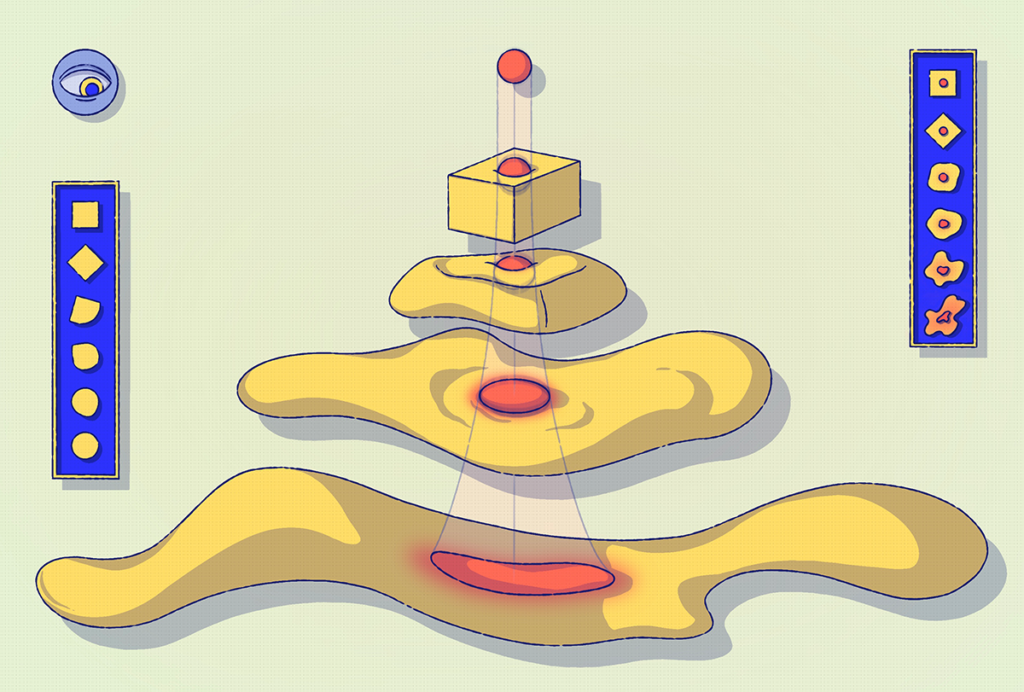
A 1987 Cell paper showed that a single transcription factor could turn fibroblasts into muscle cells. The work inspired Ardem Patapoutian to think about the molecular codes that define neuronal subtypes.
This paper changed my life: Learning the molecular rules of cell identity
A 1987 Cell paper showed that a single transcription factor could turn fibroblasts into muscle cells. The work inspired Ardem Patapoutian to think about the molecular codes that define neuronal subtypes.

Four protein synthesis pioneers win Kavli Prize in Neuroscience
Their research revealed how neurons synthesize proteins in previously unrecognized places.
Four protein synthesis pioneers win Kavli Prize in Neuroscience
Their research revealed how neurons synthesize proteins in previously unrecognized places.
Gene activity in human cortex shows striking sex differences
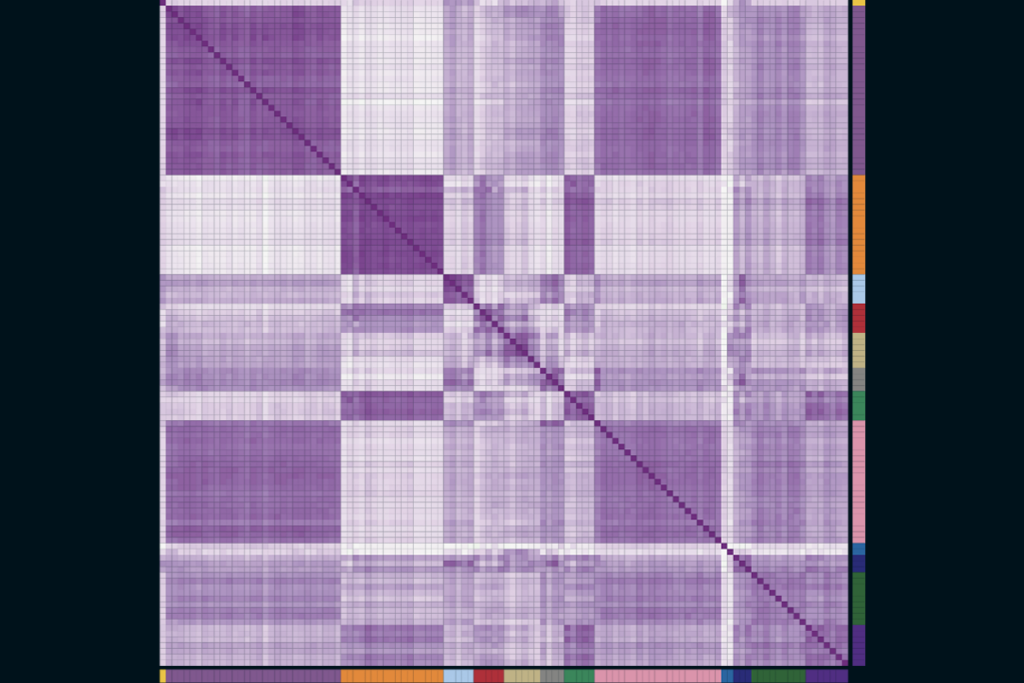
The results mark a “dramatic shift” in how neuroscientists think about sex differences, and they may help explain sex biases in certain neurodegenerative and neurodevelopmental conditions.
Gene activity in human cortex shows striking sex differences
The results mark a “dramatic shift” in how neuroscientists think about sex differences, and they may help explain sex biases in certain neurodegenerative and neurodevelopmental conditions.
Dendrites help neuroscientists see the forest for the trees
Dendritic arbors provide just the right scale to study how individual neurons reciprocally interact with their broader circuitry—and are our best bet to bridge cellular and systems neuroscience.
Dendrites help neuroscientists see the forest for the trees
Dendritic arbors provide just the right scale to study how individual neurons reciprocally interact with their broader circuitry—and are our best bet to bridge cellular and systems neuroscience.
Explore more from The Transmitter

Prevalence of profound autism declines with new definition
The updated, more precise definition used in a CDC study includes adaptive scores.
Prevalence of profound autism declines with new definition
The updated, more precise definition used in a CDC study includes adaptive scores.
Is it time for neuroscience to shift its focus from a computational mind to a navigating mind?
Andrea Hiott explains her navigational approach to the mind, and why now is the time to embrace seemingly paradoxical findings in neuroscience.
Is it time for neuroscience to shift its focus from a computational mind to a navigating mind?
Andrea Hiott explains her navigational approach to the mind, and why now is the time to embrace seemingly paradoxical findings in neuroscience.
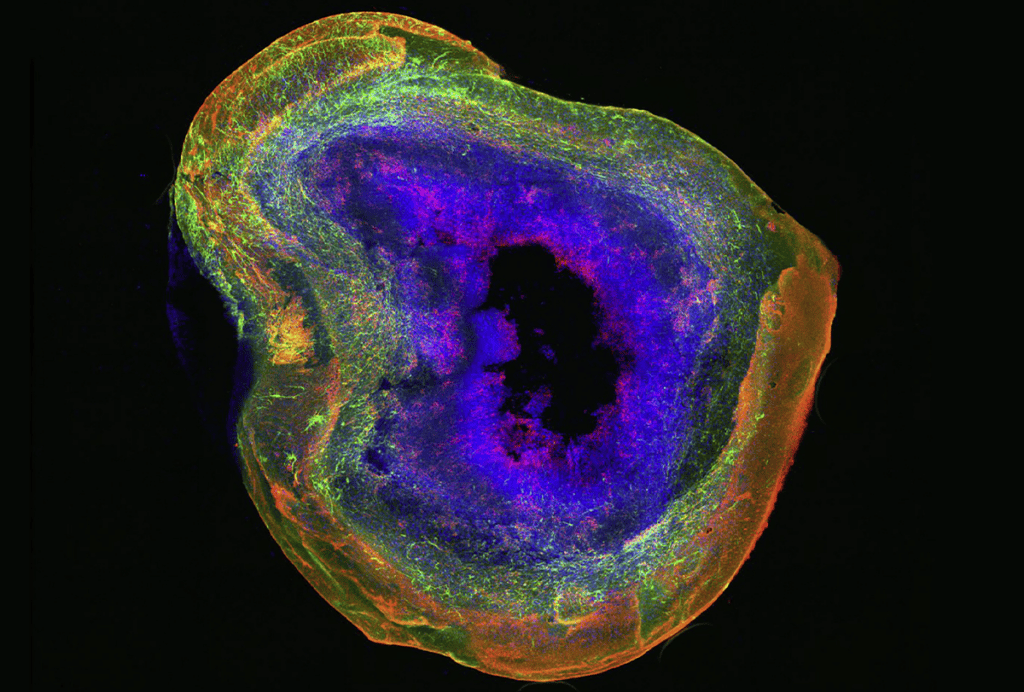
Human brain organoids come of age—but still have room to grow
The U.S. government has touted organoids as an alternative to animals for studying the brain. The model has improved since its debut in 2013, but scientists are still working to overcome key limitations: immaturity, consistency and the lack of vascularization.
Human brain organoids come of age—but still have room to grow
The U.S. government has touted organoids as an alternative to animals for studying the brain. The model has improved since its debut in 2013, but scientists are still working to overcome key limitations: immaturity, consistency and the lack of vascularization.