EEG
Recent articles

Reporter’s notebook: Highlights from INSAR 2026
At the 25th annual meeting of the International Society for Autism Research, scientists, clinicians and self-advocates gathered to discuss topics such as autism genetics and the gap between clinical trials and real-world benefits.
Reporter’s notebook: Highlights from INSAR 2026
At the 25th annual meeting of the International Society for Autism Research, scientists, clinicians and self-advocates gathered to discuss topics such as autism genetics and the gap between clinical trials and real-world benefits.
Snoozing dragons stir up ancient evidence of sleep’s dual nature
Deep-sleep cycling between brain waves of higher and lower amplitude dates far back on the evolutionary tree, according to a new comparative study of mammals and reptiles.
Snoozing dragons stir up ancient evidence of sleep’s dual nature
Deep-sleep cycling between brain waves of higher and lower amplitude dates far back on the evolutionary tree, according to a new comparative study of mammals and reptiles.
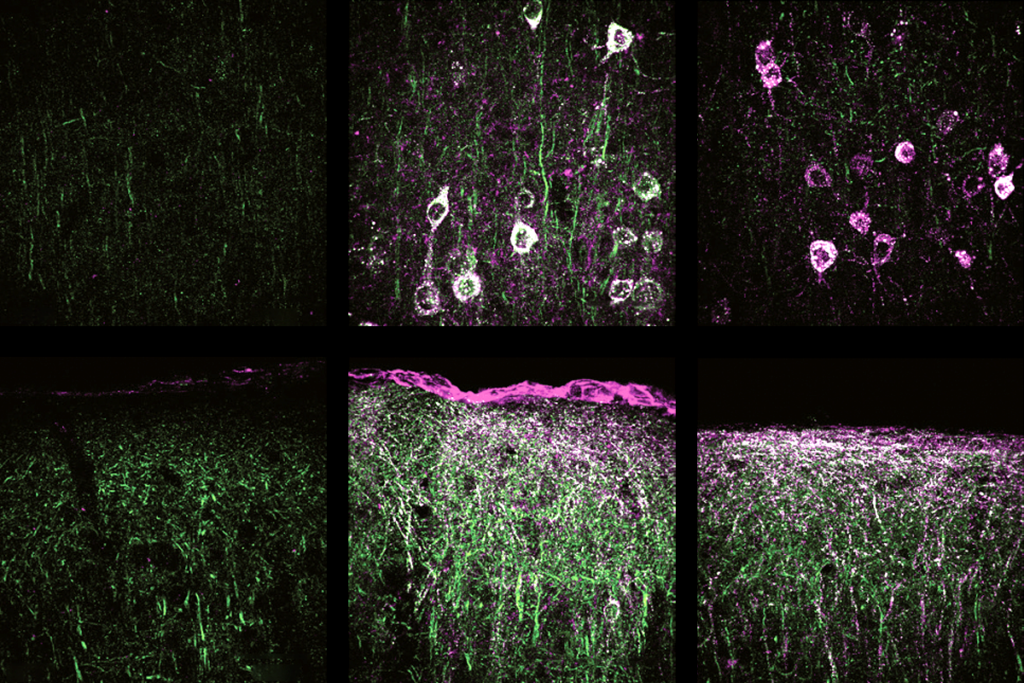
Gene replacement therapy normalizes some traits in SYNGAP1 model mice
The first published virus-based gene therapy for SYNGAP1 deletion yields benefits despite the gene’s long length and complexity.
Gene replacement therapy normalizes some traits in SYNGAP1 model mice
The first published virus-based gene therapy for SYNGAP1 deletion yields benefits despite the gene’s long length and complexity.
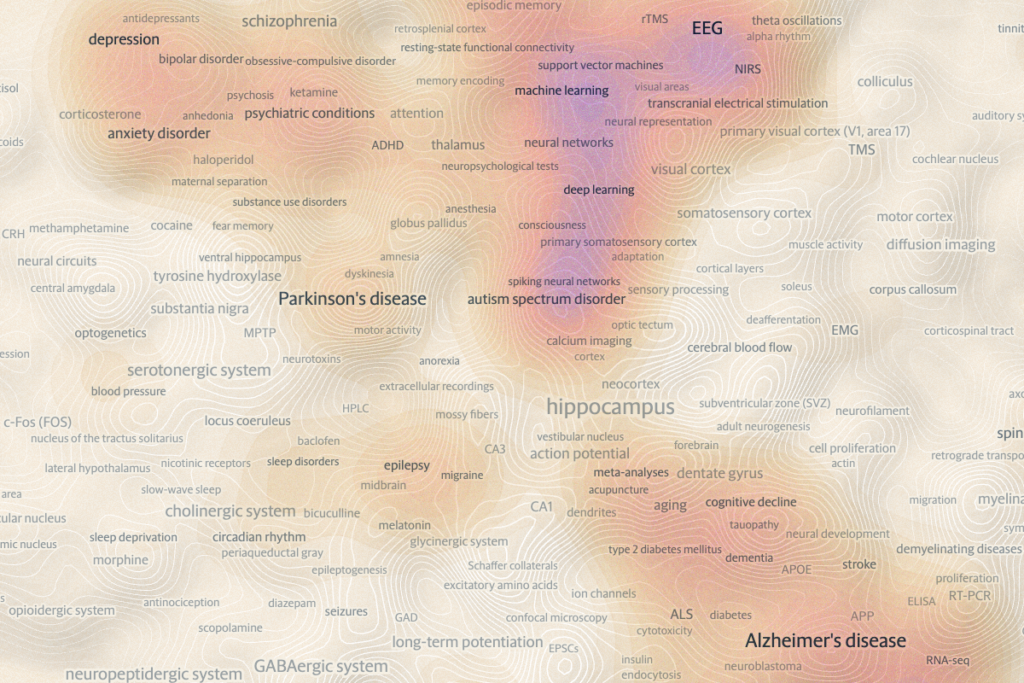
Putting 50 years of neuroscience on the map
Navigate the rise and fall of research topics over five decades using our interactive map, which is based on a semantic analysis of nearly 350,000 abstracts in leading neuroscience journals.
Putting 50 years of neuroscience on the map
Navigate the rise and fall of research topics over five decades using our interactive map, which is based on a semantic analysis of nearly 350,000 abstracts in leading neuroscience journals.
The spectrum goes multidimensional in search of autism subtypes
Grouping people with autism based on shared features, genetics and co-occurring conditions may improve clinical trial outcomes, researchers say.
The spectrum goes multidimensional in search of autism subtypes
Grouping people with autism based on shared features, genetics and co-occurring conditions may improve clinical trial outcomes, researchers say.
‘Bird Brains and Behavior,’ an excerpt
In their new book, published today, Georg Striedter and Andrew Iwaniuk dive deep into the latest research on the neural mechanisms of avian behavior. This excerpt from Chapter 2 explores how birds sleep.
‘Bird Brains and Behavior,’ an excerpt
In their new book, published today, Georg Striedter and Andrew Iwaniuk dive deep into the latest research on the neural mechanisms of avian behavior. This excerpt from Chapter 2 explores how birds sleep.
Human brain may anticipate looming contagion
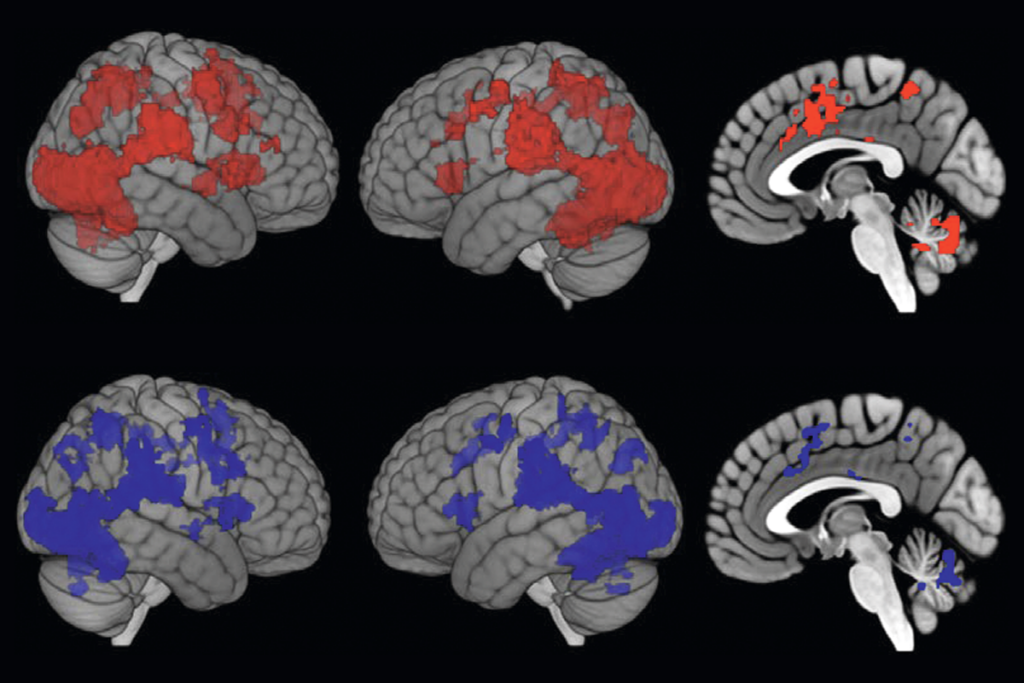
Seeing a visibly ill avatar in virtual reality activates a neuroimmune pathway in brain areas related to peripersonal space and prompts an immune response, a small new study suggests.
Human brain may anticipate looming contagion
Seeing a visibly ill avatar in virtual reality activates a neuroimmune pathway in brain areas related to peripersonal space and prompts an immune response, a small new study suggests.
Noninvasive technologies can map and target human brain with unprecedented precision
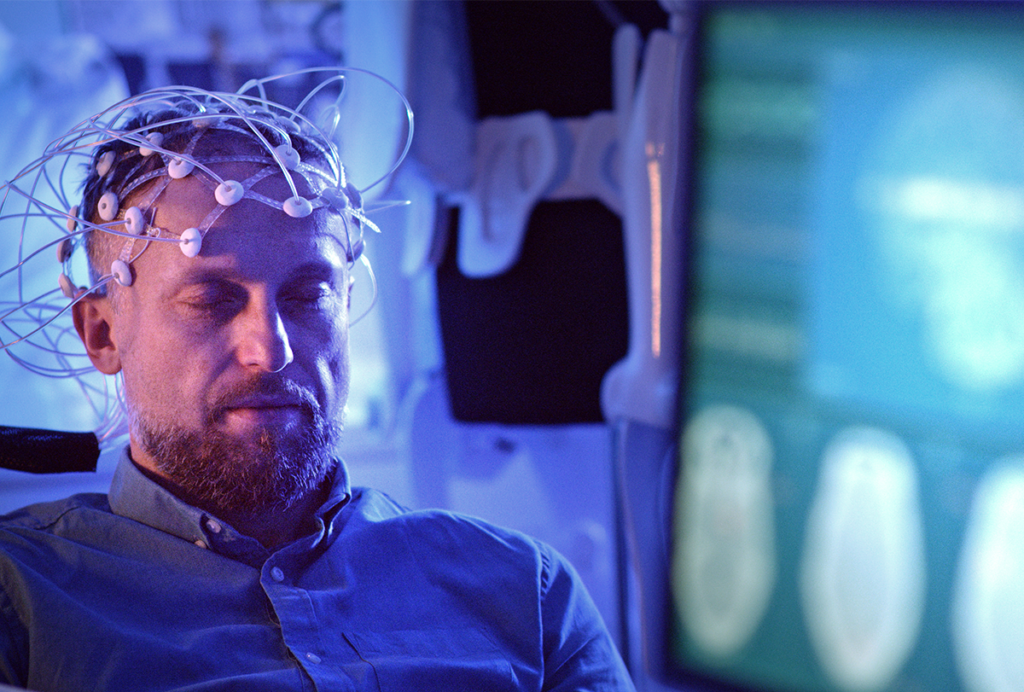
But to fully grasp the tools’ potential, we need to better understand how electric and magnetic fields interact with the brain.
Noninvasive technologies can map and target human brain with unprecedented precision
But to fully grasp the tools’ potential, we need to better understand how electric and magnetic fields interact with the brain.
Null and Noteworthy: Reexamining registered reports
Out of 92 preregistered studies that resulted in published papers, only 15 had fully adhered to their preregistration details, according to a new analysis.
Null and Noteworthy: Reexamining registered reports
Out of 92 preregistered studies that resulted in published papers, only 15 had fully adhered to their preregistration details, according to a new analysis.
Thanks to new technologies, neuroscientists have more direct access to the human brain than ever before
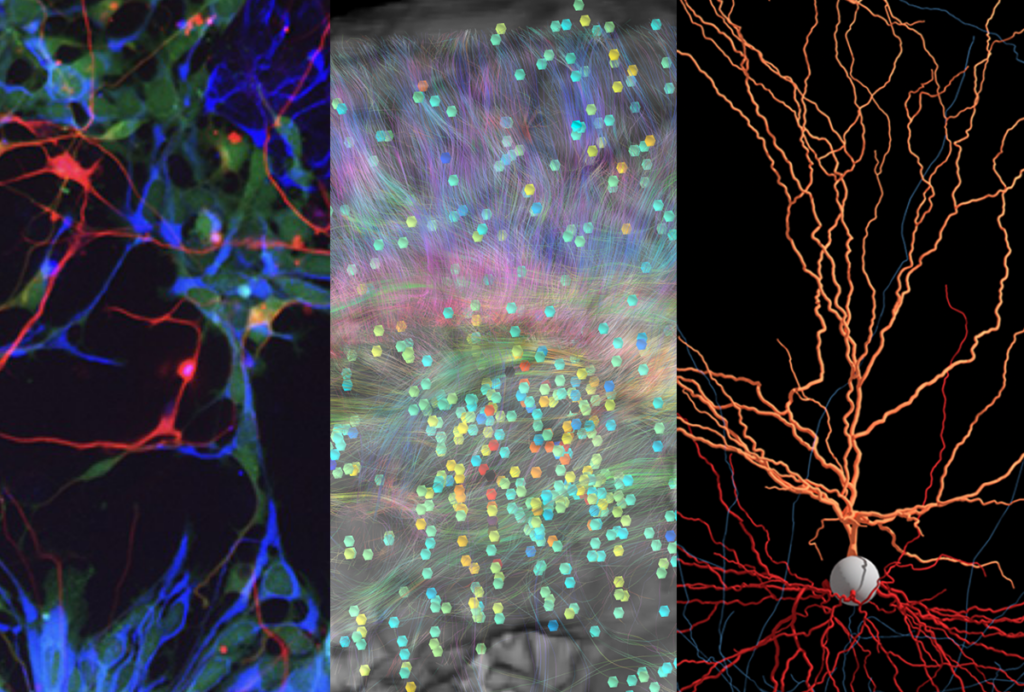
Model systems continue to offer us tremendous insight, but it’s time for basic researchers to train their sights on the human brain. If I were starting my career today, I would focus on human neurobiology.
Thanks to new technologies, neuroscientists have more direct access to the human brain than ever before
Model systems continue to offer us tremendous insight, but it’s time for basic researchers to train their sights on the human brain. If I were starting my career today, I would focus on human neurobiology.
Explore more from The Transmitter
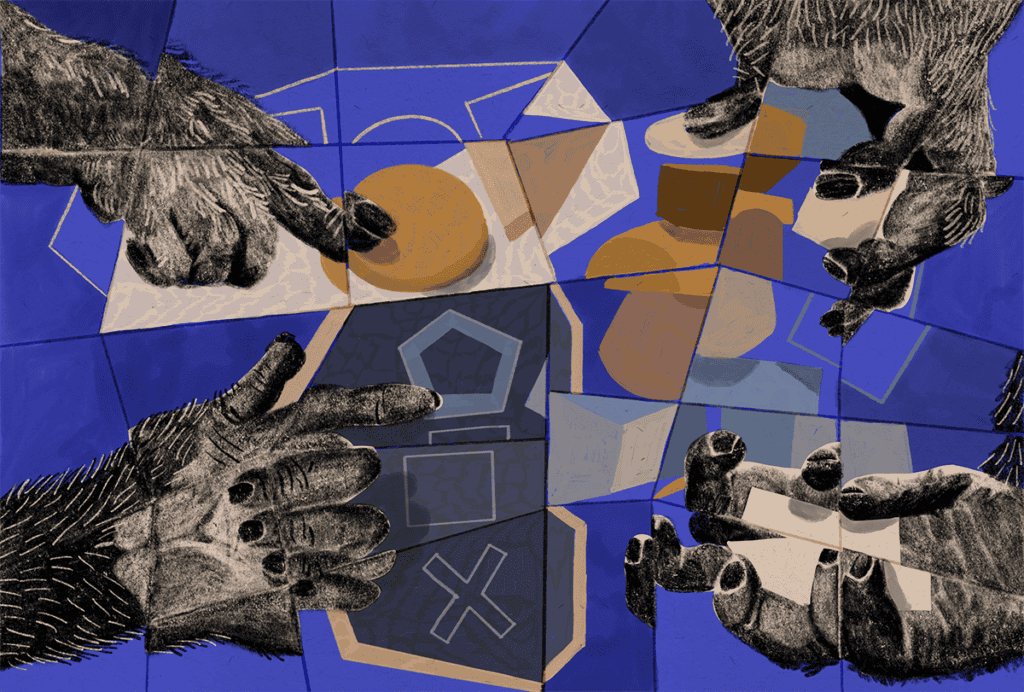
The neuroscience questions that need nonhuman primates
The Transmitter asked 17 neuroscientists what questions might remain unanswered if support for nonhuman primate research continues to decline.
The neuroscience questions that need nonhuman primates
The Transmitter asked 17 neuroscientists what questions might remain unanswered if support for nonhuman primate research continues to decline.
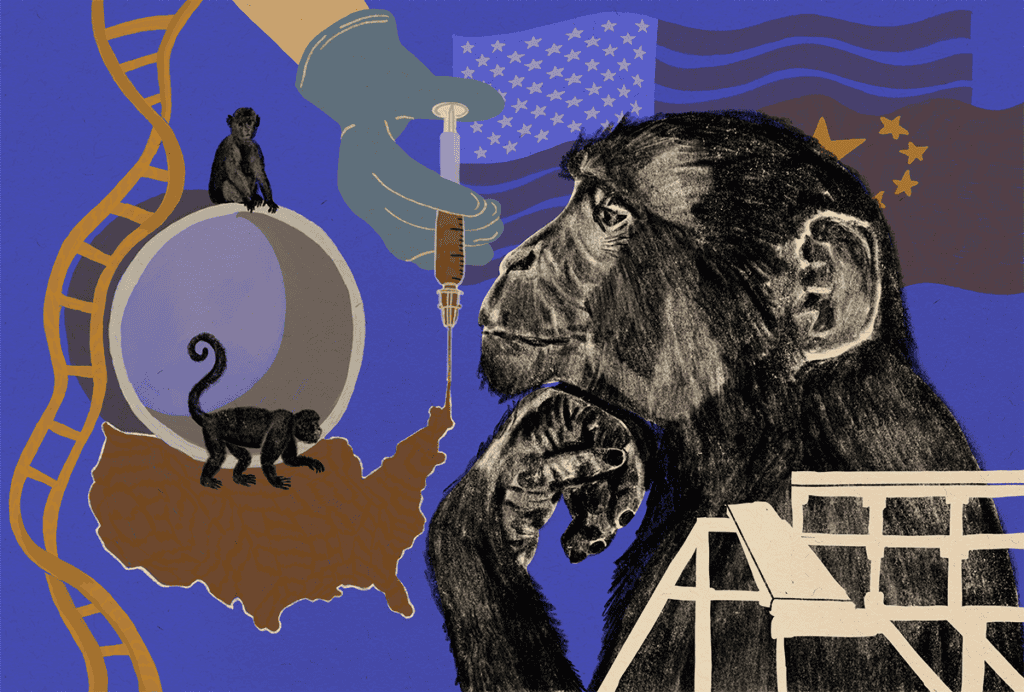
U.S. national primate research centers face an uncertain future
The facilities were meant to last 100 years. Four decades shy of that mark, amid flatlined funds and mounting political pressure, their directors are trying to find a path forward.
U.S. national primate research centers face an uncertain future
The facilities were meant to last 100 years. Four decades shy of that mark, amid flatlined funds and mounting political pressure, their directors are trying to find a path forward.
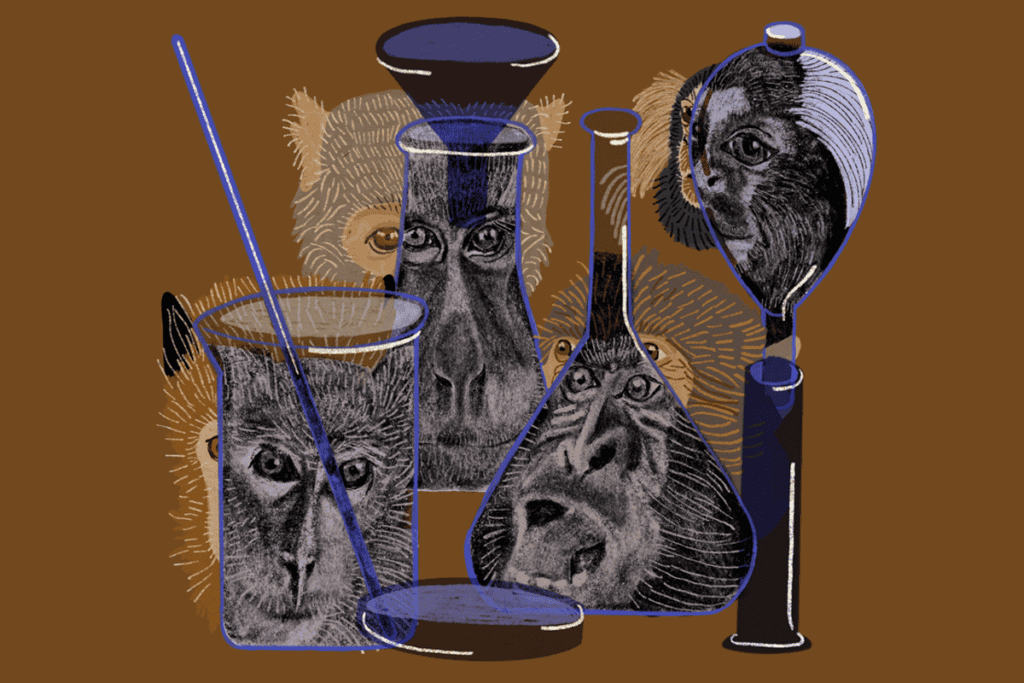
What if nonhuman primate research goes away?
As the U.S. government takes steps to stop using nonhuman primates in research, The Transmitter investigates what that shift could mean for neuroscience.
What if nonhuman primate research goes away?
As the U.S. government takes steps to stop using nonhuman primates in research, The Transmitter investigates what that shift could mean for neuroscience.