In Frameshift, neuroscientists with careers outside academic labs discuss their work and how they made the transition.
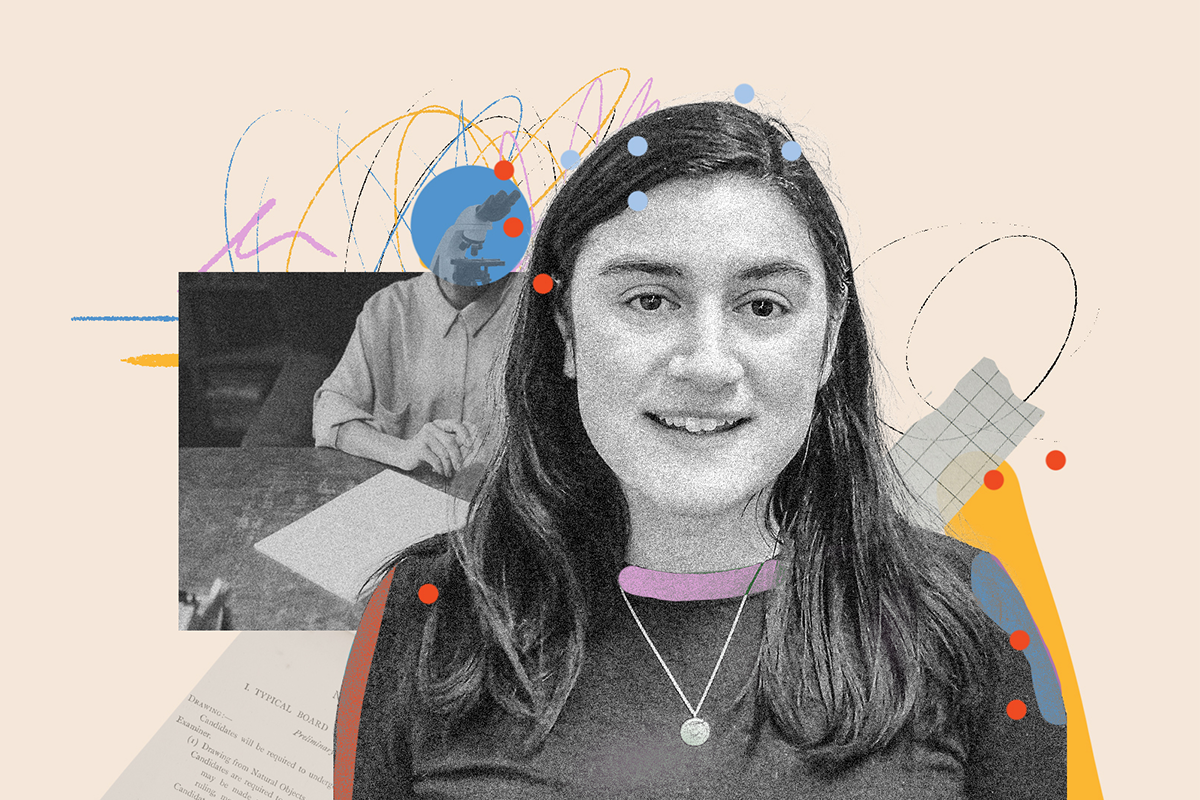
Wide net: For those interested in pursuing a career in science publishing, Shari Wiseman suggests reading neuroscience papers from different areas in the field and attending as many journal clubs as possible.
Illustration by
Michela Buttignol
Frameshift: Shari Wiseman reflects on her pivot from science to publishing
As chief editor of Nature Neuroscience, Wiseman applies critical-thinking skills she learned in the lab to manage the journal’s day-to-day operations.
By
Katie Moisse
15 December 2025 | 7 min read
Shari Wiseman left the lab after her second postdoctoral fellowship for a career in scientific publishing. As chief editor of Nature Neuroscience, she says she gets to be curious, critical and creative—traits honed by years in research—without the pressures or particulars of being a principal investigator. Wiseman spoke with The Transmitter about her work away from the bench.
This interview has been lightly edited for length and clarity.
The Transmitter: What does a day in your work life look like?
Shari Wiseman: As chief editor, I assign papers submitted to Nature Neuroscience to other editors on my team and consult with them on how we should proceed. I also commission reviews and perspectives and write research highlights.
I usually start my day replying to emails—emails from authors, reviewers, people on my team and other people in the company. Then I have meetings—team meetings and one-on-ones with my team and my boss, who manages the chief editors of multiple Nature research journals. The afternoon is when I have time to read papers that are back from review and help finalize accepted papers.
I travel for about a week every month for conferences or site visits, but otherwise my job is very flexible. I mostly work from home and have a lot of control over how I structure my day.
TT: Why did you make the transition from science to scientific publishing?
SW: I always thought I would be a PI, but then I had some bad luck with my first postdoc. I was in a much more positive environment for my second postdoc, but getting data was still such a slog. In retrospect, I can be honest with myself and admit I just wasn’t good at it. I was doing a lot of finicky protein biochemistry and was frustrated by how much of my career success felt out of my hands.
I spent a lot of time and mental energy thinking about what I would rather do—what would make me happy. Thankfully, I was in Boston, so there were a lot of opportunities to explore other careers and meet people doing different things.
The real turning point for me was that my husband, who is a mathematician, got a job at Bard College in upstate New York. I had to ask myself, “Am I going to live apart from my husband and try to make this work? Am I going to start a third postdoc? Or is it time to consider other things?” I was really lucky that Nature Neuroscience was hiring an editor when I was looking to transition.
TT: What skills did you carry over from research?
SW: The job I have now has a lot of the elements of the PI job that were appealing to me, like reading, writing and thinking about science, as well as going to conferences. I was always more interested in the field broadly than I was in my own project. I was excited to talk about neuroscience but less excited to talk about the specifics of my work.
I would go to so many talks in graduate school—sometimes three a day. I was very lucky that my adviser also really loved going to talks. He would see me there, and instead of saying, “Get back in the lab!” he would ask, “What did you think of that talk?”
In my job, you have to be able to get up to speed with things you’ve never thought about before and figure out what you need to extract. You need to ask questions like “What’s the context for this research? What did we know before? How does this move the field forward? Is it enough of an advance? Is it interesting enough to enough people?” I think that’s actually a really big part of the training and mindset you get into as a scientist—having a clear delineation between what’s known and what’s not known and then having the confidence to say, “I can make this judgment.”
TT: Do you ever miss the lab?
SW: There are times when I’m sad about not being a PI, but I don’t know what I would want my lab to work on. I can’t necessarily identify one or two specific research questions, and I think you need to have an intense passion for a very limited number of questions to be a successful PI.
Maybe things would be different if I had had some better luck—a better lab environment for my first postdoc or a smoother data-collection process for my second. But I do think this job is a better fit for me, and I’m grateful to have a lower-stress job.
TT: What’s your advice for graduate students and postdocs who aren’t sure if the academic path is right for them?
SW: Pay attention to how you feel when you’re doing different things. What are the tasks that make you feel excited? What are the tasks that make you feel stressed out or that you want to put off? Try to figure out how to move into professions that have more of the things that feel good.
I think there’s a stigma in science around being honest about what you like and what you value in a career. We should ask ourselves things like “What do I like?” and “What’s important to me?” Maybe it’s having autonomy in terms of the kinds of science you do or how you spend your time. Maybe it’s money or being close to family. Maybe it’s wanting to travel, or not travel. The more you can be honest with yourself about what you like and what you value, the better off you’re going to be.
TT: Any advice for researchers looking to transition into scientific publishing?
SW: Read as widely as you can, and go to as many talks and journal clubs as possible. It’s helpful to have a breadth of knowledge of the field in order to get up to speed and assess a paper. Science communication experience is also valuable. That includes writing papers, fellowship applications and grants, making posters and giving talks. Even social media experience or blogging is great. Some universities have their own in-house science publications you might be able to work for.
Reviewing papers is an important experience. Tell your PI this is something that you’re interested in—that you would like to be included in the peer-review process. At Nature Neuroscience, we have a new initiative for early-career researchers and trainees to be included more formally in our peer-review process.
And then finally, I would say any kind of leadership or organizational experience is really helpful. If you have been president of a club or have helped start up some kind of initiative—honestly, if you have ever sent a reminder email for anything—I think that’s useful experience.
Recommended reading
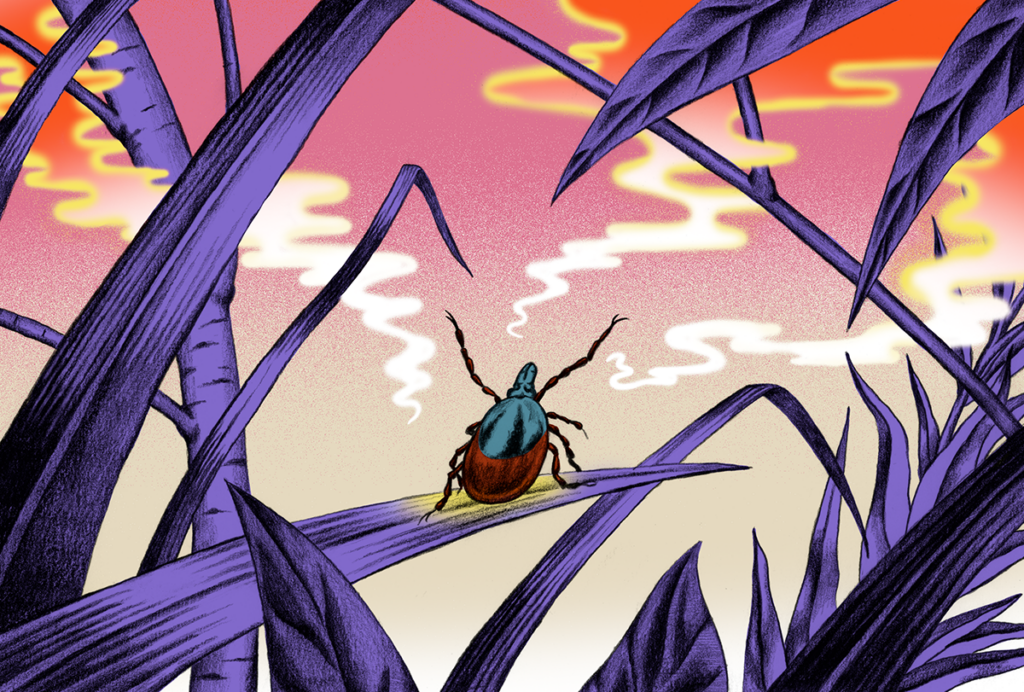
Neuro’s ark: Spying on the secret sensory world of ticks
By
Calli McMurray
3 March 2026 | 6 min read
How insights from network theory can boost interdisciplinary efforts
By
Emily Singer
23 February 2026 | 0 min watch
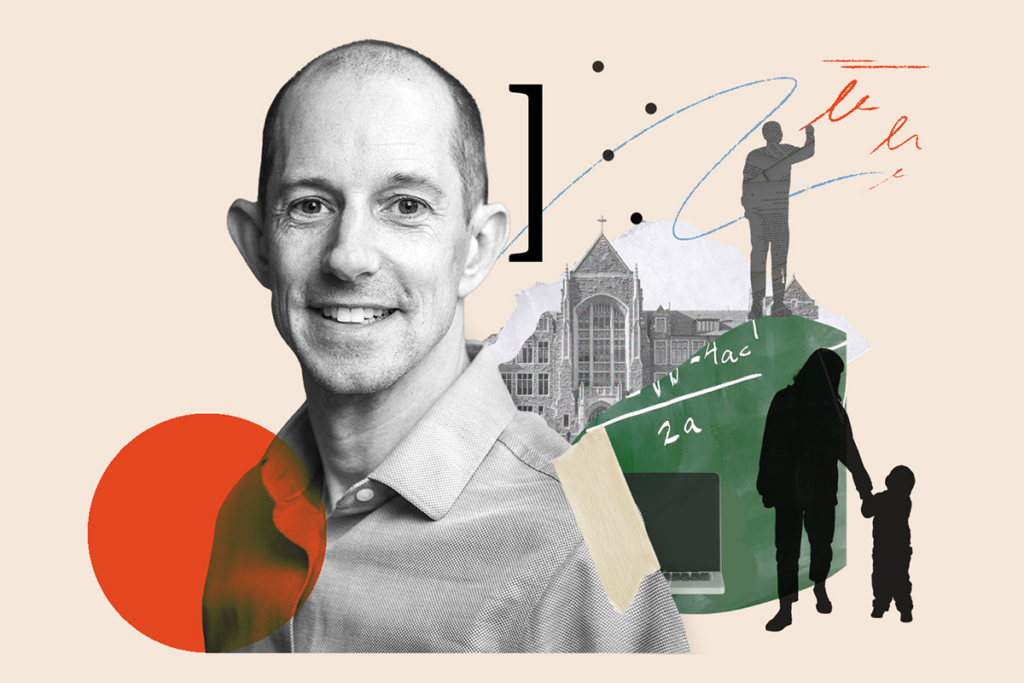
Frameshift: Raphe Bernier followed his heart out of academia, then made his way back again
By
Katie Moisse
20 February 2026 | 8 min read
Explore more from The Transmitter
A change at the top of SfN as neuroscientists gather in San Diego
By
Natalia Mesa
16 November 2025 | 6 min read
Talking shop: The Transmitter’s top quotes of 2025
By
The Transmitter
24 December 2025 | 4 min read
Neuroscience’s leaders, legacies and rising stars of 2025
By
The Transmitter
24 December 2025 | 2 min read
Cite this article: