Frameshift
Recent articles
Neuroscientists with careers outside academic labs discuss their work and how they made the transition.
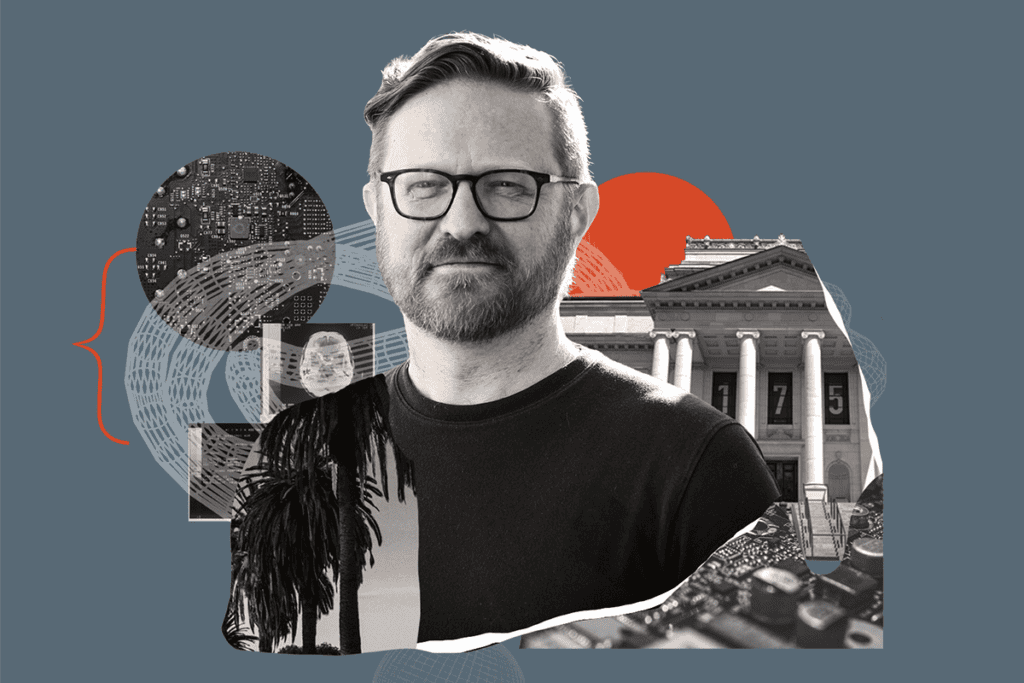
Building brain-computer interfaces at a neurotech company
At Blackrock Neurotech, Spencer Kellis develops implantable devices that help people with brain and spinal cord conditions communicate, move and more.
Building brain-computer interfaces at a neurotech company
At Blackrock Neurotech, Spencer Kellis develops implantable devices that help people with brain and spinal cord conditions communicate, move and more.
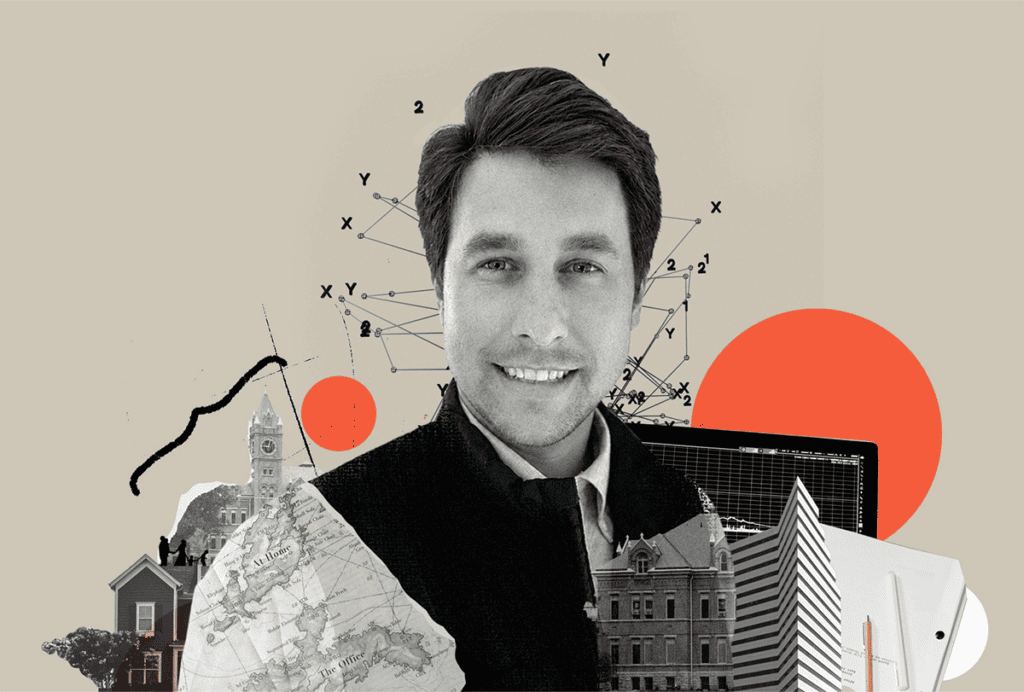
The fun and flexibility of data science
Taylor Bolt spent his Ph.D. and postdoc digging through brain imaging data for clues to cognition. In industry, the datasets are different but the joy of answering questions with data remains.
The fun and flexibility of data science
Taylor Bolt spent his Ph.D. and postdoc digging through brain imaging data for clues to cognition. In industry, the datasets are different but the joy of answering questions with data remains.
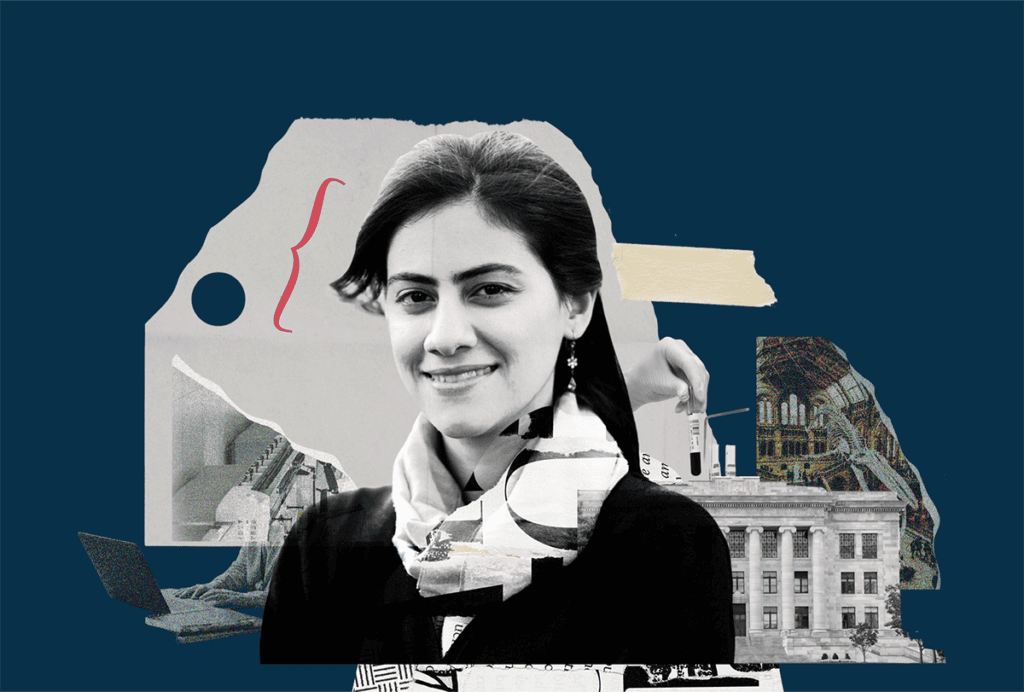
Making an impact through academic administration
As executive director of research at Harvard Medical School’s Department of Neurobiology, Soha Ashrafi supports more than 300 scientists, students and staff members.
Making an impact through academic administration
As executive director of research at Harvard Medical School’s Department of Neurobiology, Soha Ashrafi supports more than 300 scientists, students and staff members.

Getting grants feels good, but giving them is even better
As director of grants management at the Cure Alzheimer’s Fund, Kaela Singleton bets on bold science and shares in the joy of discovery.
Getting grants feels good, but giving them is even better
As director of grants management at the Cure Alzheimer’s Fund, Kaela Singleton bets on bold science and shares in the joy of discovery.
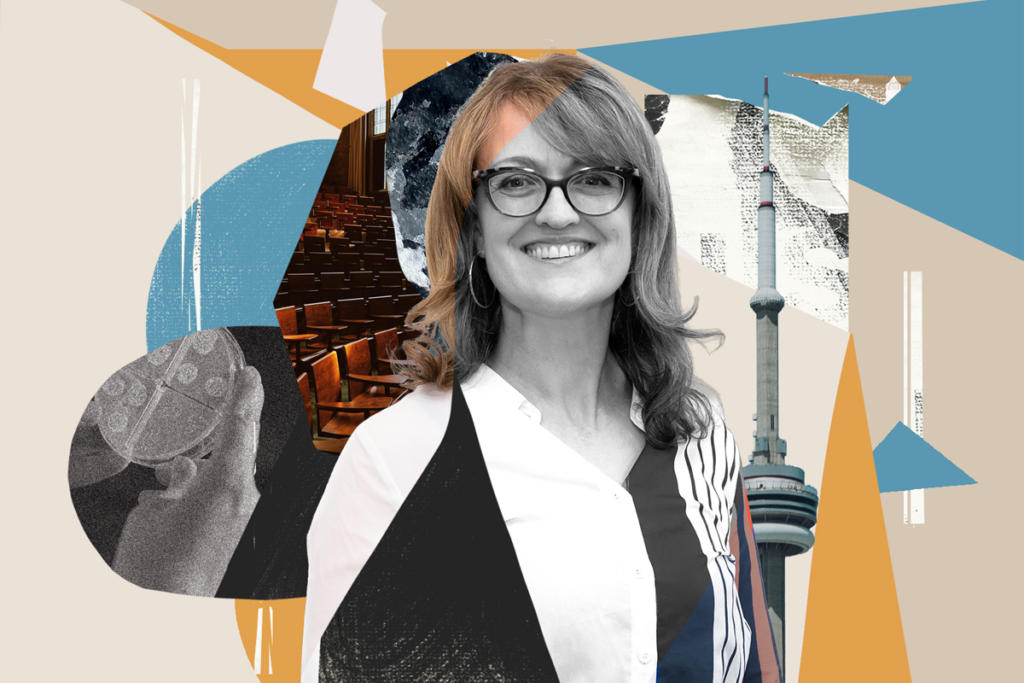
The ‘secretly awesome’ side of a teaching career
The freedom to do “wacky” research projects that interest you is a major perk of the teaching stream, says Suzanne Wood, a teaching professor at the University of Toronto.
The ‘secretly awesome’ side of a teaching career
The freedom to do “wacky” research projects that interest you is a major perk of the teaching stream, says Suzanne Wood, a teaching professor at the University of Toronto.

Frameshift: How Mia Thomaidou tapped a fellowship to connect neuroscience to criminal justice
As a fellow at the Dana Foundation, she merged two familiar passions and discovered a new one: science philanthropy.
Frameshift: How Mia Thomaidou tapped a fellowship to connect neuroscience to criminal justice
As a fellow at the Dana Foundation, she merged two familiar passions and discovered a new one: science philanthropy.
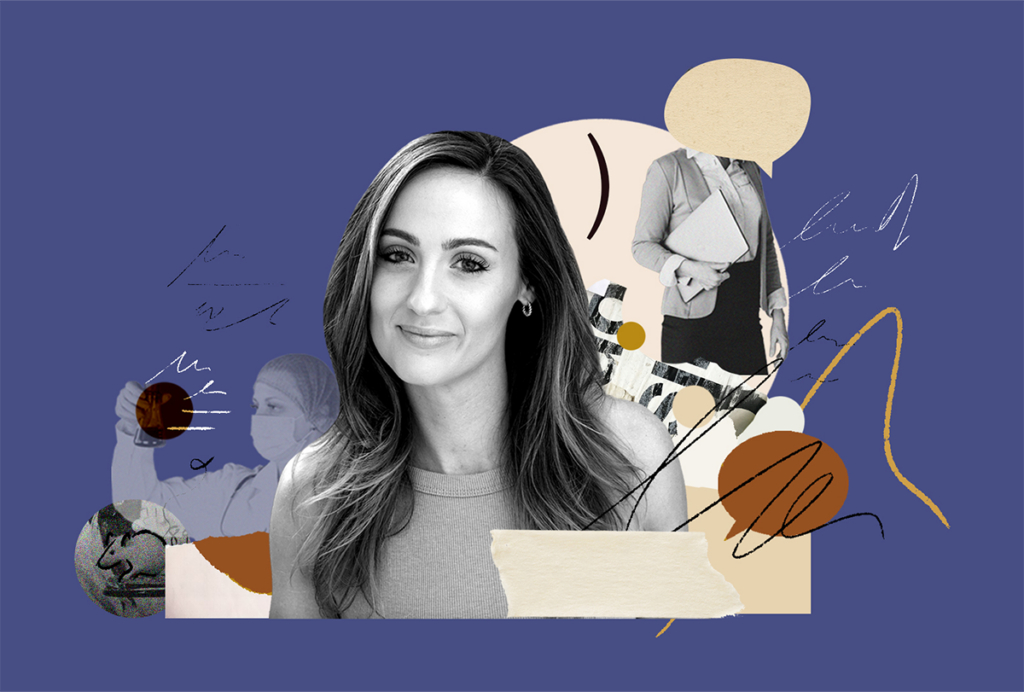
Frameshift: How Caitlin Vander Weele made science communication her business
Her favorite part of research was talking about it. So she left academia and turned that passion into a successful company.
Frameshift: How Caitlin Vander Weele made science communication her business
Her favorite part of research was talking about it. So she left academia and turned that passion into a successful company.
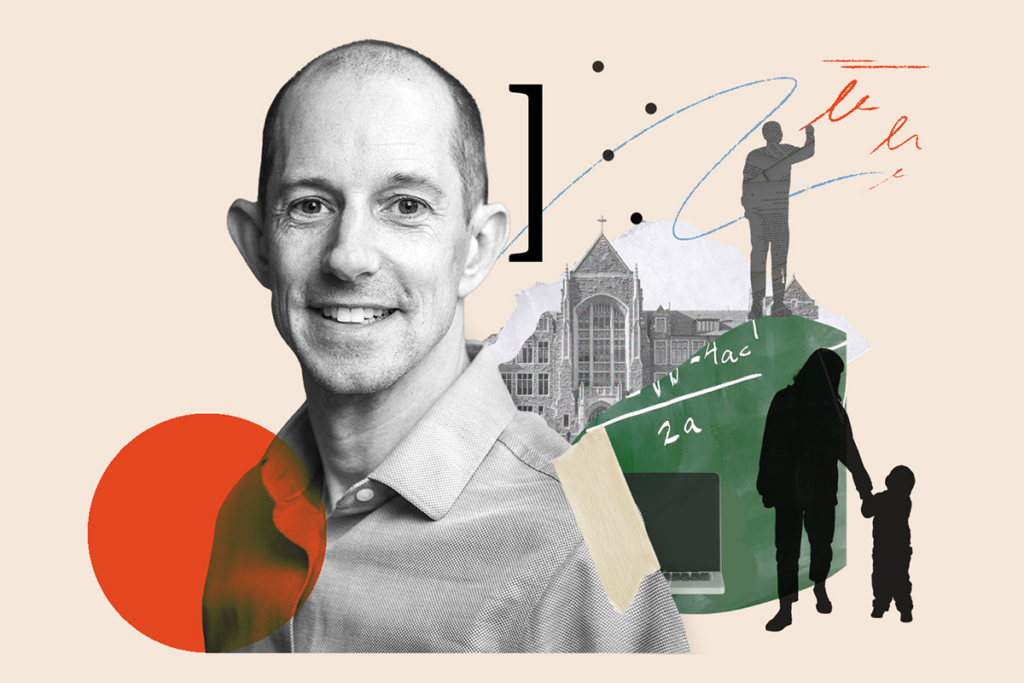
Frameshift: Raphe Bernier followed his heart out of academia, then made his way back again
After a clinical research career, an interlude at Apple and four months in early retirement, Raphe Bernier found joy in teaching.
Frameshift: Raphe Bernier followed his heart out of academia, then made his way back again
After a clinical research career, an interlude at Apple and four months in early retirement, Raphe Bernier found joy in teaching.
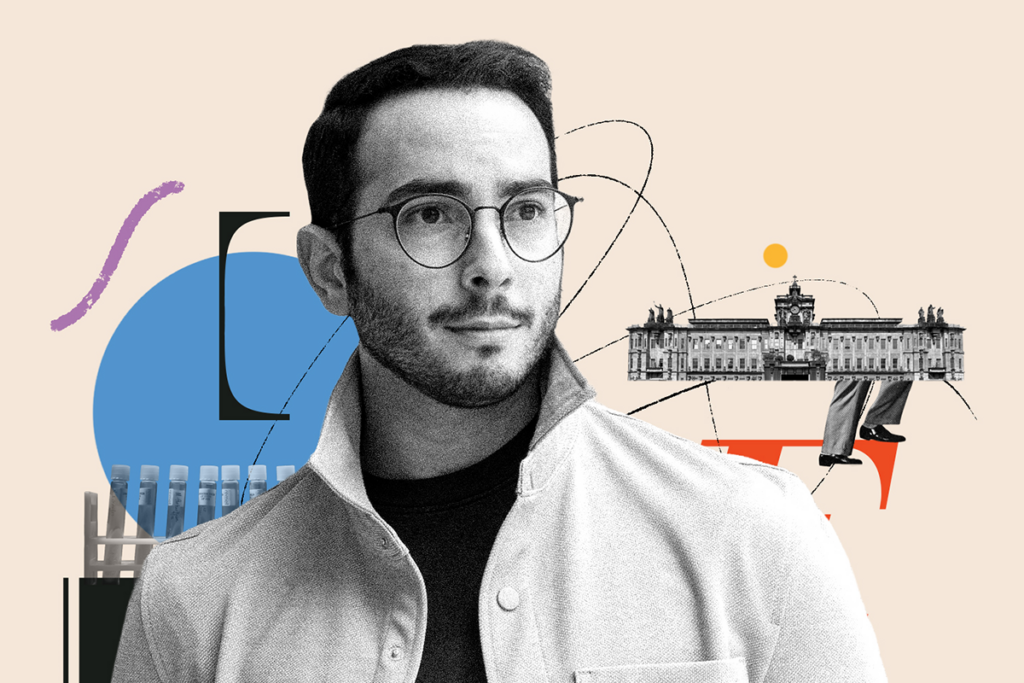
Frameshift: At a biotech firm, Ubadah Sabbagh embraces the expansive world outside academia
As chief of staff at Arcadia, Ubadah Sabbagh gets to do science while also pushing the boundaries of how science gets done.
Frameshift: At a biotech firm, Ubadah Sabbagh embraces the expansive world outside academia
As chief of staff at Arcadia, Ubadah Sabbagh gets to do science while also pushing the boundaries of how science gets done.
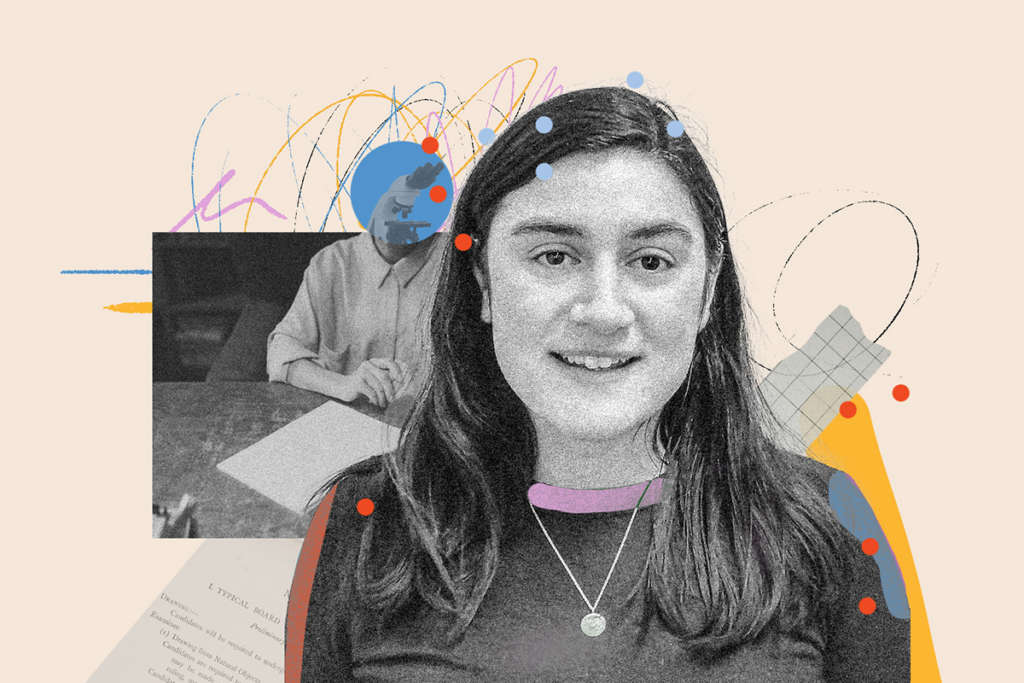
Frameshift: Shari Wiseman reflects on her pivot from science to publishing
As chief editor of Nature Neuroscience, Wiseman applies critical-thinking skills she learned in the lab to manage the journal’s day-to-day operations.
Frameshift: Shari Wiseman reflects on her pivot from science to publishing
As chief editor of Nature Neuroscience, Wiseman applies critical-thinking skills she learned in the lab to manage the journal’s day-to-day operations.
Explore more from The Transmitter
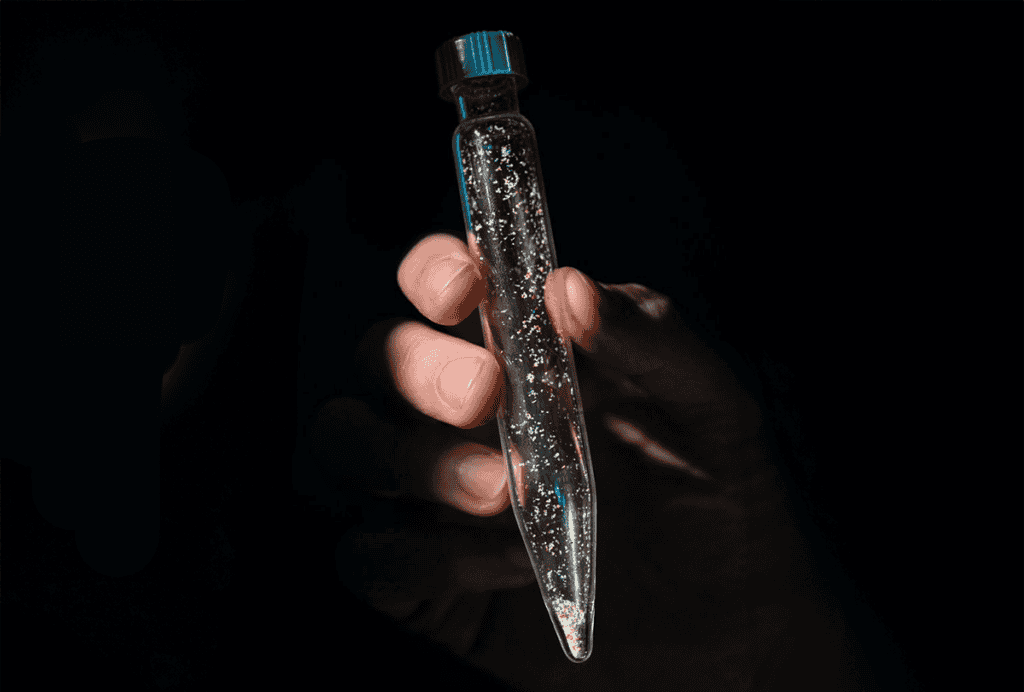
Measuring plastic in the brain: Improving, but incomplete
Meanwhile, researchers are publishing papers without “sufficient quality control,” says analytical chemist Dušan Materić.
Measuring plastic in the brain: Improving, but incomplete
Meanwhile, researchers are publishing papers without “sufficient quality control,” says analytical chemist Dušan Materić.
Incredible shrinking grant deadlines at the BRAIN Initiative
“A month is crazy,” says one former recipient, referring to a new funding opportunity’s timeline.
Incredible shrinking grant deadlines at the BRAIN Initiative
“A month is crazy,” says one former recipient, referring to a new funding opportunity’s timeline.
Sylvia Fogel, reshaping U.S. autism research strategy
In a wide-ranging and provocative interview, the chair of the federal Interagency Autism Coordinating Committee shares her views on vaccines, regression, neuroimmune conditions and more.
Sylvia Fogel, reshaping U.S. autism research strategy
In a wide-ranging and provocative interview, the chair of the federal Interagency Autism Coordinating Committee shares her views on vaccines, regression, neuroimmune conditions and more.