Naturalistic research
Recent articles
Home makeover helps rats better express themselves: Q&A with Raven Hickson and Peter Kind
The “Habitat”—a complex environment with space for large social groups—expands the behavioral repertoire of rodent models, Hickson and Kind say.
Home makeover helps rats better express themselves: Q&A with Raven Hickson and Peter Kind
The “Habitat”—a complex environment with space for large social groups—expands the behavioral repertoire of rodent models, Hickson and Kind say.
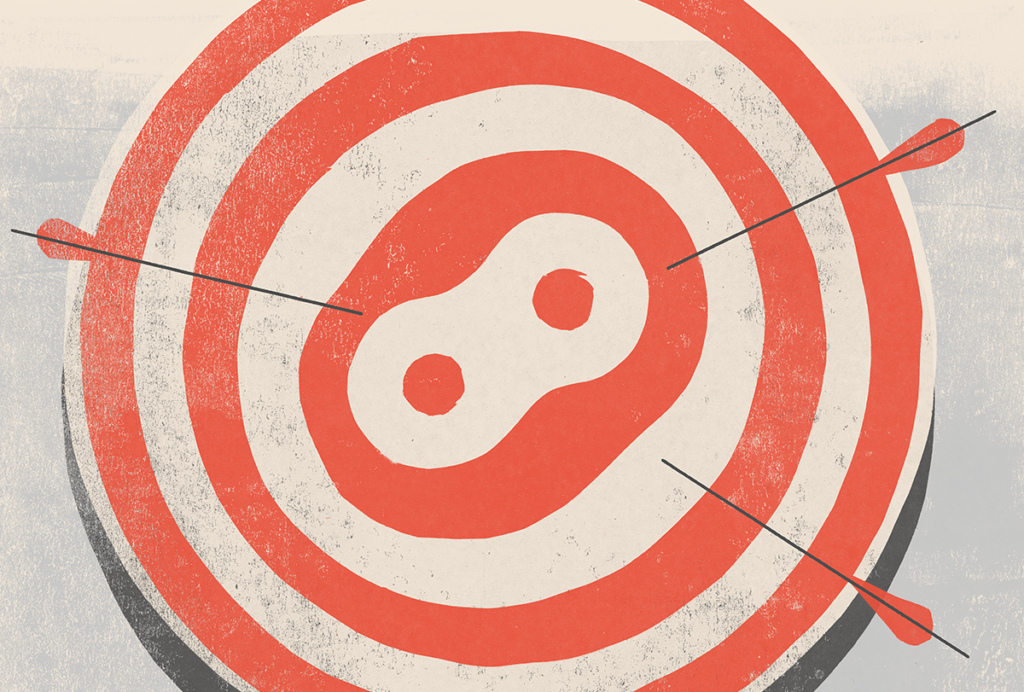
What should the field prioritize over the next 10 years?
Respondents pointed to a range of challenges in basic neuroscience—such as understanding naturalistic behaviors, intelligence and embodied cognition—and called for more circuit-level research, more precise brain recordings and more work in alternative models. Just as many pushed for a translational pivot.
What should the field prioritize over the next 10 years?
Respondents pointed to a range of challenges in basic neuroscience—such as understanding naturalistic behaviors, intelligence and embodied cognition—and called for more circuit-level research, more precise brain recordings and more work in alternative models. Just as many pushed for a translational pivot.
Hitting city streets to record rat behaviors: Q&A with Emily Mackevicius, Ralph Peterson
Capturing the rodents’ vocalizations and movements in the wild offers an opportunity to study naturalistic behaviors in a complex urban environment, Mackevicius and Peterson say.
Hitting city streets to record rat behaviors: Q&A with Emily Mackevicius, Ralph Peterson
Capturing the rodents’ vocalizations and movements in the wild offers an opportunity to study naturalistic behaviors in a complex urban environment, Mackevicius and Peterson say.
Explore more from The Transmitter
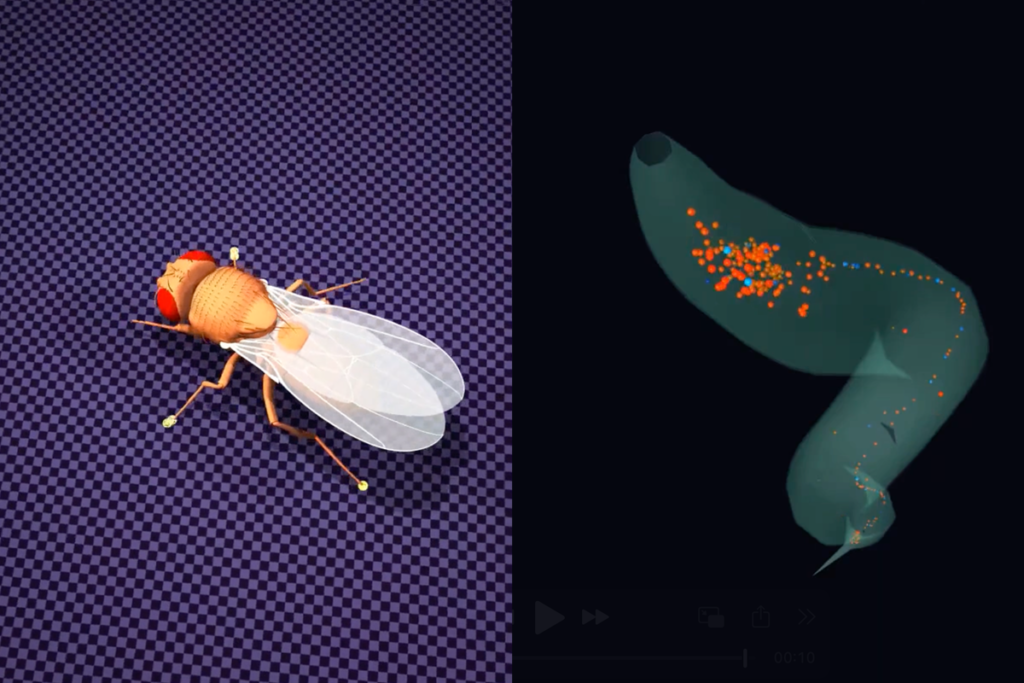
‘Digital sphinx’ raises questions about connectome models
The sphinx, with a worm’s brain and a fly’s body, illustrates the potential pitfalls of using deep-learning techniques to model biological processes.
‘Digital sphinx’ raises questions about connectome models
The sphinx, with a worm’s brain and a fly’s body, illustrates the potential pitfalls of using deep-learning techniques to model biological processes.
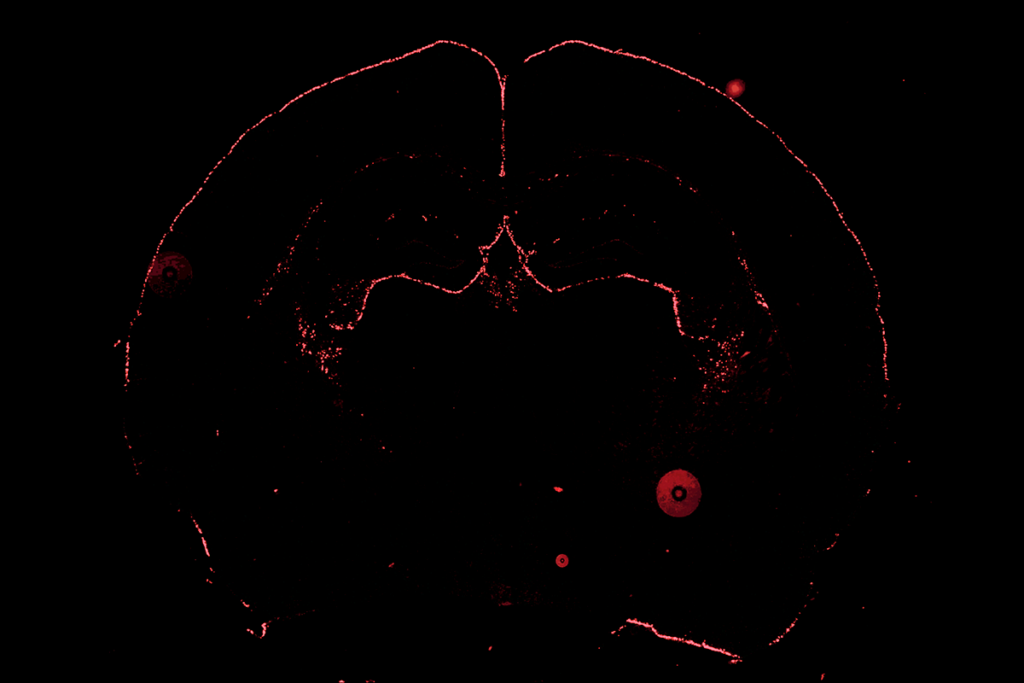
Taking a closer look at astrocytes and autism
These glial cells are increasingly linked to neurodevelopmental conditions and the regulation of social behaviors and anxiety.
Taking a closer look at astrocytes and autism
These glial cells are increasingly linked to neurodevelopmental conditions and the regulation of social behaviors and anxiety.
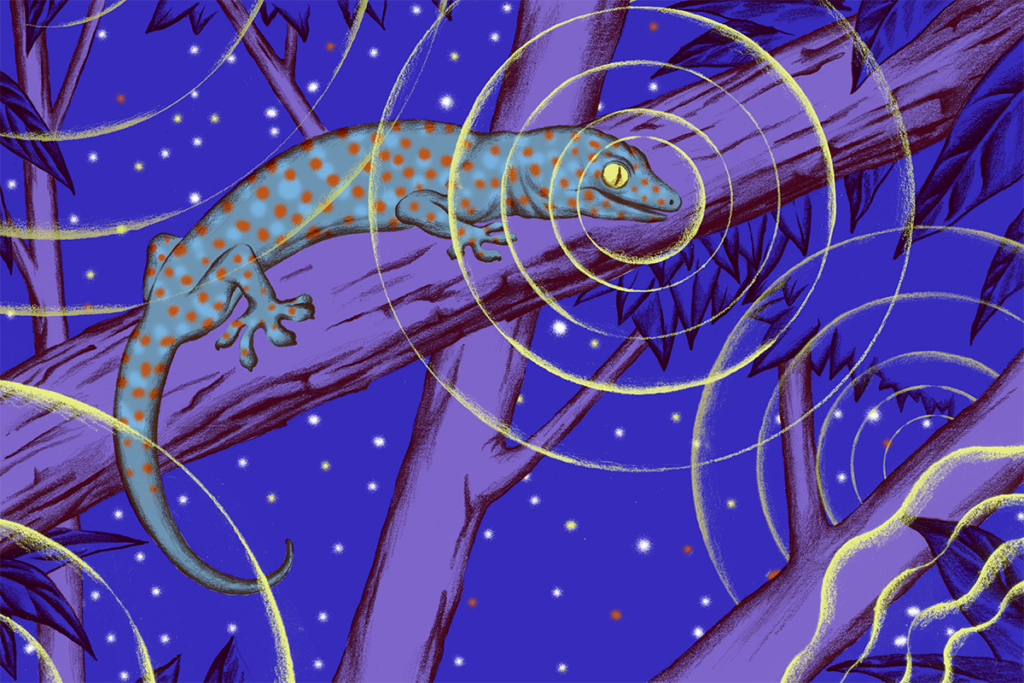
Neuro’s ark: Sounding out the evolution of hearing with geckos
Catherine Carr explains her discovery that geckos retain a vibration-sensing pathway previously thought to be lost when animals moved onto land.
Neuro’s ark: Sounding out the evolution of hearing with geckos
Catherine Carr explains her discovery that geckos retain a vibration-sensing pathway previously thought to be lost when animals moved onto land.