Social cognition
Recent articles
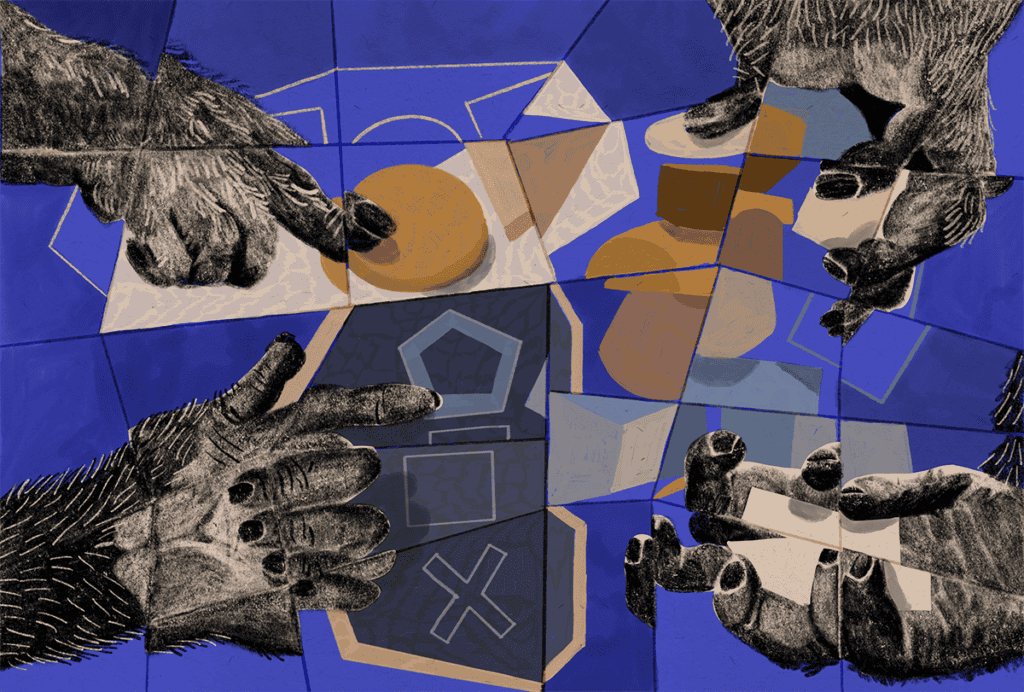
The neuroscience questions that need nonhuman primates
The Transmitter asked 17 neuroscientists what questions might remain unanswered if support for nonhuman primate research continues to decline.
The neuroscience questions that need nonhuman primates
The Transmitter asked 17 neuroscientists what questions might remain unanswered if support for nonhuman primate research continues to decline.
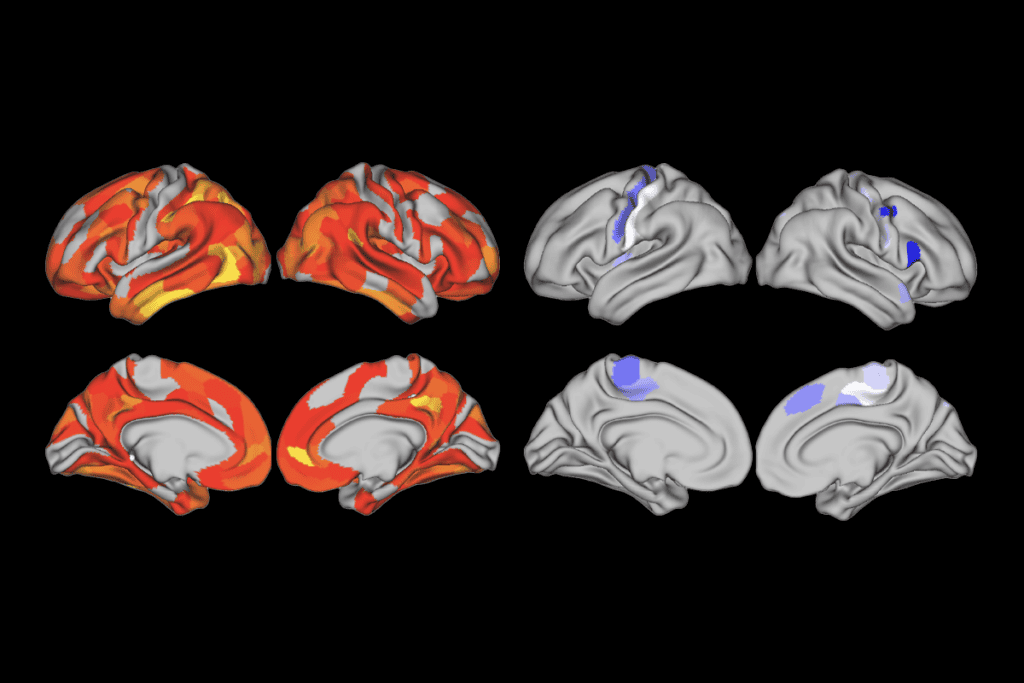
Brain’s sex differences are subtle and contradictory, large MRI study finds
Sex-based behavioral differences do not match with variations in brain activation or structure in a study of almost 1,000 people.
Brain’s sex differences are subtle and contradictory, large MRI study finds
Sex-based behavioral differences do not match with variations in brain activation or structure in a study of almost 1,000 people.
Home makeover helps rats better express themselves: Q&A with Raven Hickson and Peter Kind
The “Habitat”—a complex environment with space for large social groups—expands the behavioral repertoire of rodent models, Hickson and Kind say.
Home makeover helps rats better express themselves: Q&A with Raven Hickson and Peter Kind
The “Habitat”—a complex environment with space for large social groups—expands the behavioral repertoire of rodent models, Hickson and Kind say.
Hitting city streets to record rat behaviors: Q&A with Emily Mackevicius, Ralph Peterson
Capturing the rodents’ vocalizations and movements in the wild offers an opportunity to study naturalistic behaviors in a complex urban environment, Mackevicius and Peterson say.
Hitting city streets to record rat behaviors: Q&A with Emily Mackevicius, Ralph Peterson
Capturing the rodents’ vocalizations and movements in the wild offers an opportunity to study naturalistic behaviors in a complex urban environment, Mackevicius and Peterson say.
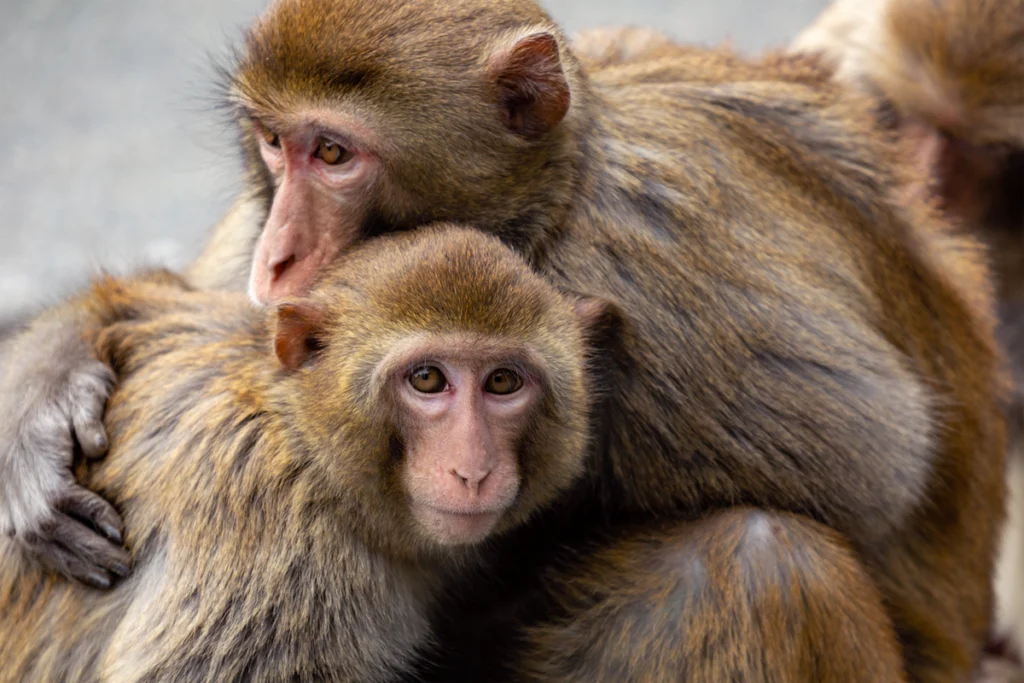
Vasopressin boosts sociability in solitary monkeys
Inhaling the hormone did not increase aggression in unsociable rhesus macaques and appears to help the animals remember faces and reciprocate friendly behaviors.
Vasopressin boosts sociability in solitary monkeys
Inhaling the hormone did not increase aggression in unsociable rhesus macaques and appears to help the animals remember faces and reciprocate friendly behaviors.
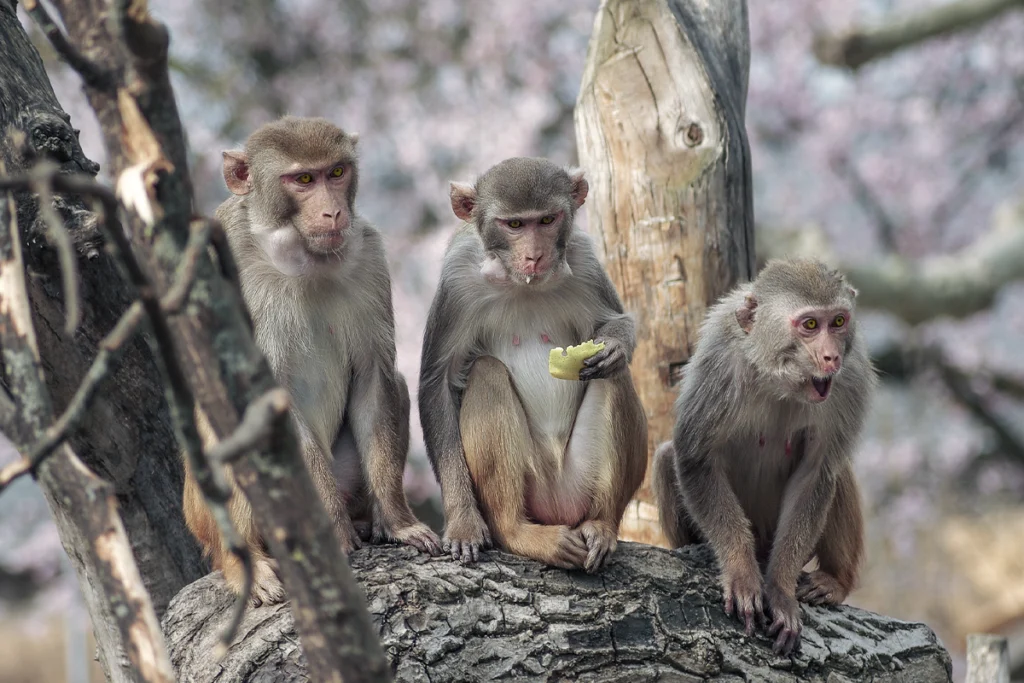
Monkeys’ amygdala cells adapt to social status
The cells’ activity reflects social hierarchies and may enable flexible behavior.
Monkeys’ amygdala cells adapt to social status
The cells’ activity reflects social hierarchies and may enable flexible behavior.
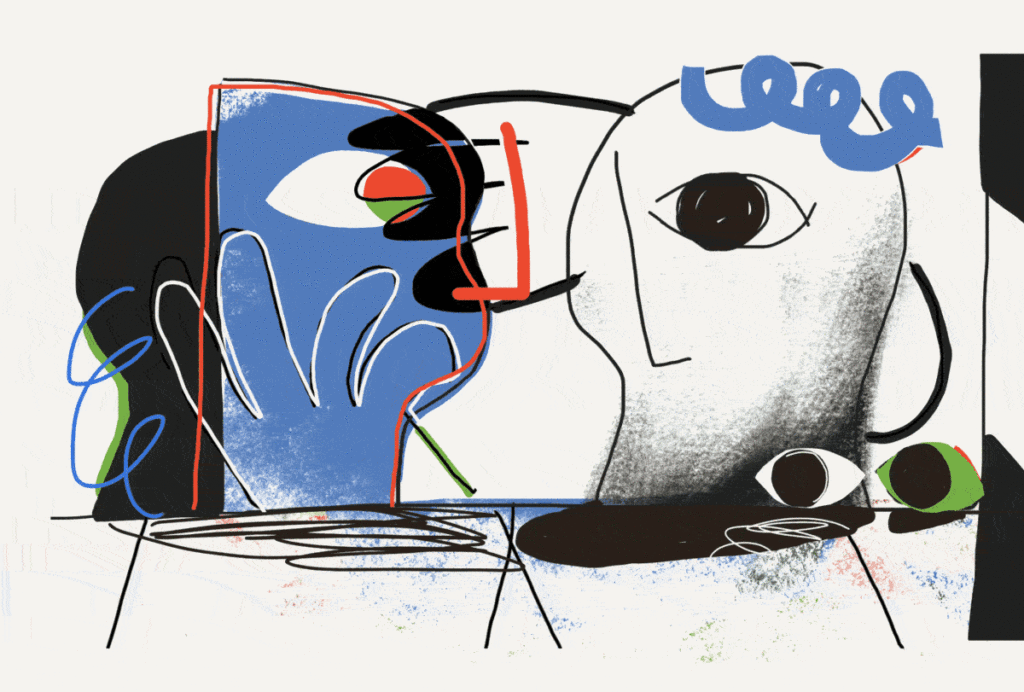
The case for redefining ‘theory of mind’: Q&A with François Quesque
In a new commentary, Quesque and 44 experts in neuroscience and psychology propose a standardized lexicon for research on the attribution of mental states.
The case for redefining ‘theory of mind’: Q&A with François Quesque
In a new commentary, Quesque and 44 experts in neuroscience and psychology propose a standardized lexicon for research on the attribution of mental states.
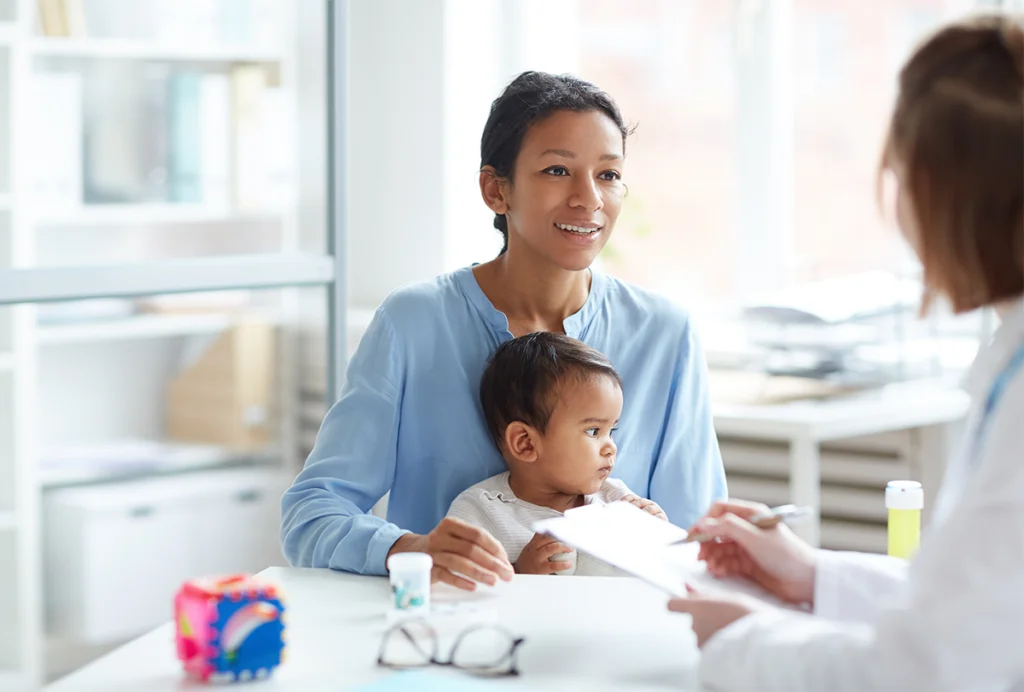
A genetics-first clinic for catching developmental conditions early: Q&A with Jacob Vorstman
A new clinic is assessing children who have a genetic predisposition for autism and other neurodevelopmental conditions—sometimes before traits appear.
A genetics-first clinic for catching developmental conditions early: Q&A with Jacob Vorstman
A new clinic is assessing children who have a genetic predisposition for autism and other neurodevelopmental conditions—sometimes before traits appear.
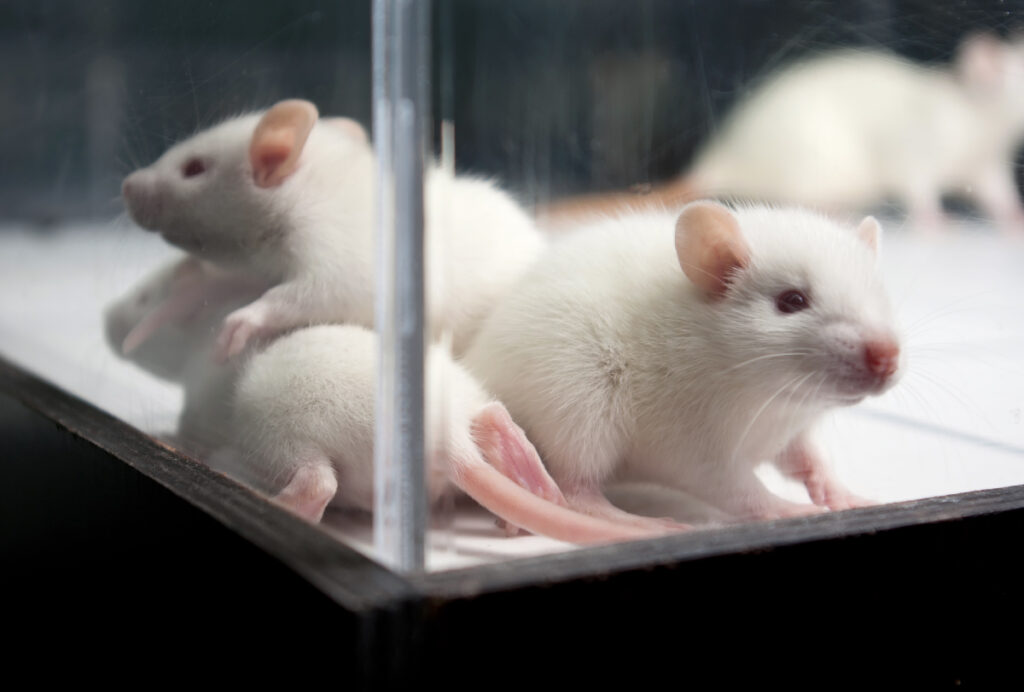
Neurons in thalamus sort new social cues from familiar ones
A subset of thalamic neurons support an aspect of social behavior called social recognition, according to experiments in mice.
Neurons in thalamus sort new social cues from familiar ones
A subset of thalamic neurons support an aspect of social behavior called social recognition, according to experiments in mice.
Explore more from The Transmitter
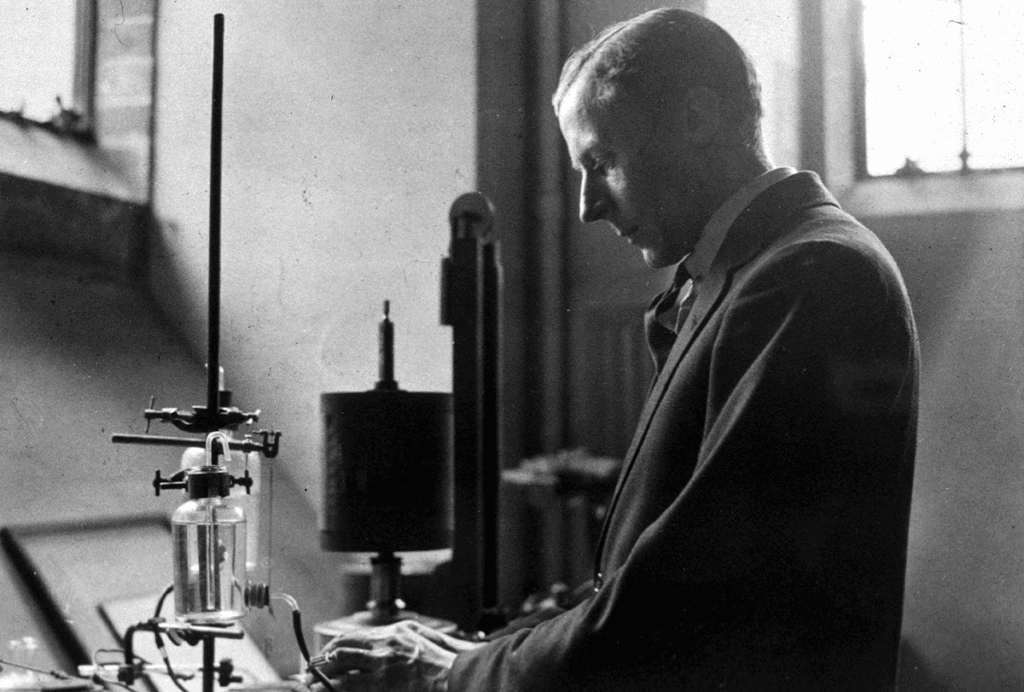
The neural code at 100
In two 1926 articles, Edgar Douglas Adrian revealed that neurons communicate through trains of spikes.
The neural code at 100
In two 1926 articles, Edgar Douglas Adrian revealed that neurons communicate through trains of spikes.
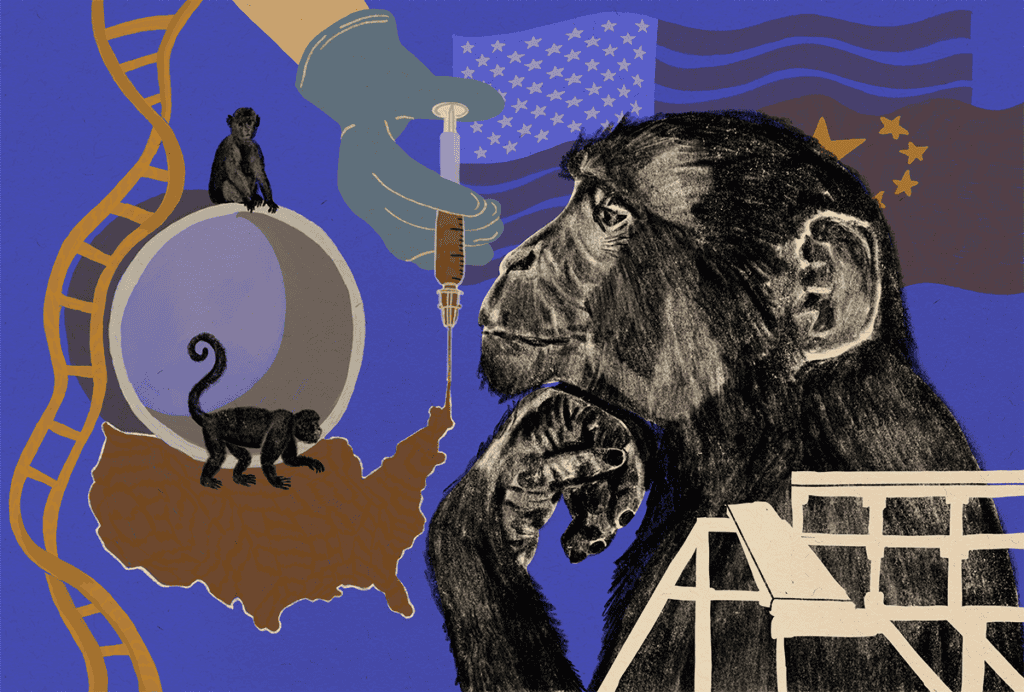
U.S. national primate research centers face an uncertain future
The facilities were meant to last 100 years. Four decades shy of that mark, amid flatlined funds and mounting political pressure, their directors are trying to find a path forward.
U.S. national primate research centers face an uncertain future
The facilities were meant to last 100 years. Four decades shy of that mark, amid flatlined funds and mounting political pressure, their directors are trying to find a path forward.
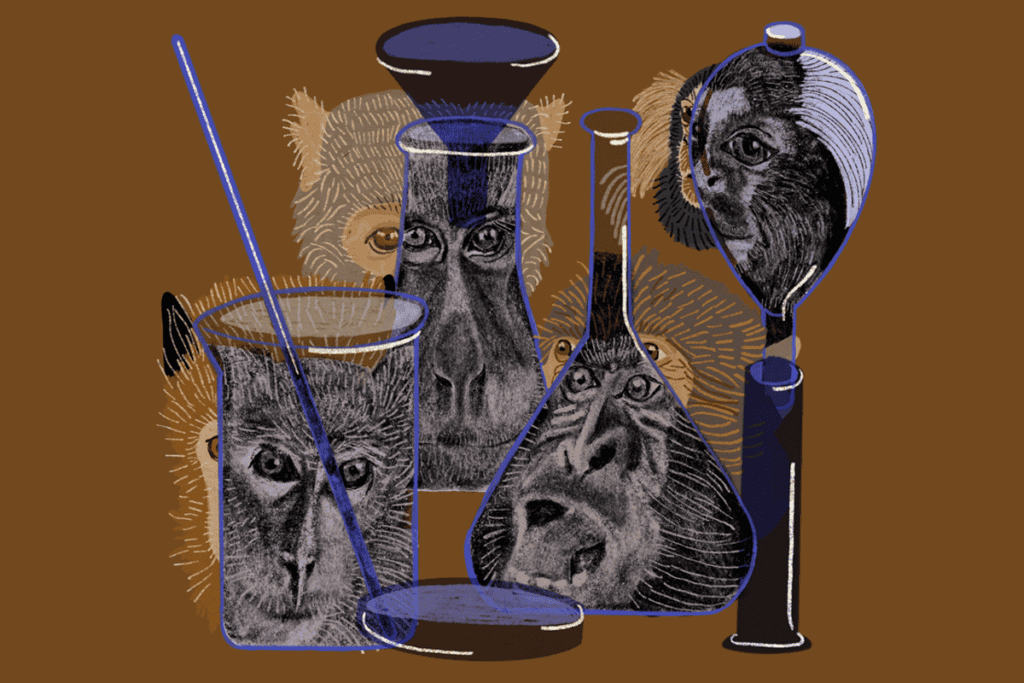
What if nonhuman primate research goes away?
As the U.S. government takes steps to stop using nonhuman primates in research, The Transmitter investigates what that shift could mean for neuroscience.
What if nonhuman primate research goes away?
As the U.S. government takes steps to stop using nonhuman primates in research, The Transmitter investigates what that shift could mean for neuroscience.