Neuro’s ark
Recent articles
This series highlights neuroscience research in nontraditional organisms and the questions those animals are well suited to help researchers answer.
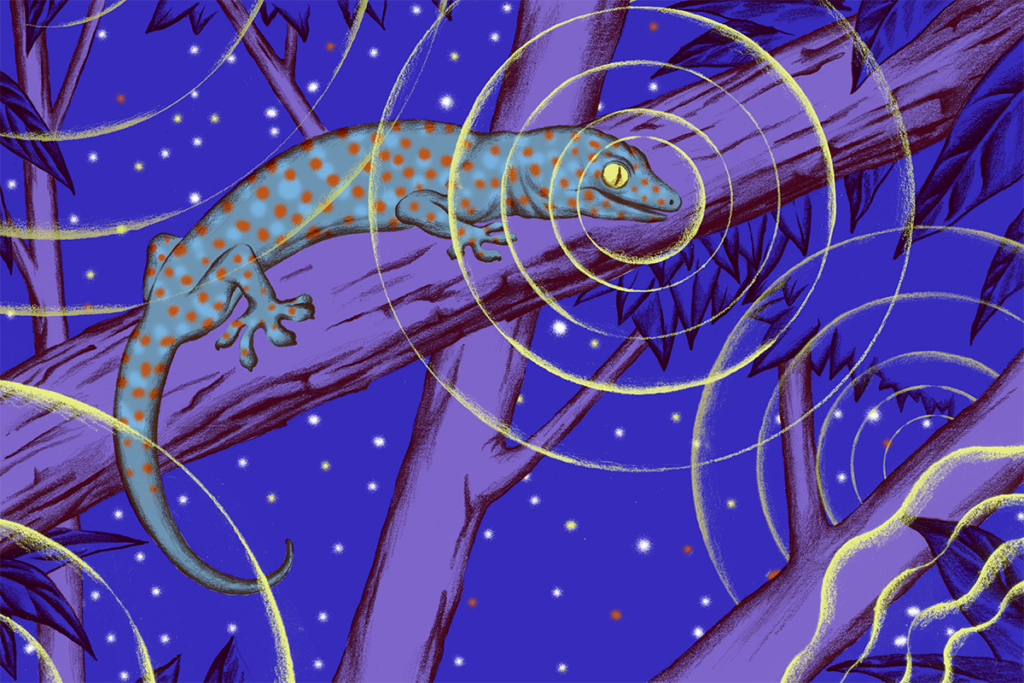
Neuro’s ark: Sounding out the evolution of hearing with geckos
Catherine Carr explains her discovery that geckos retain a vibration-sensing pathway previously thought to be lost when animals moved onto land.
Neuro’s ark: Sounding out the evolution of hearing with geckos
Catherine Carr explains her discovery that geckos retain a vibration-sensing pathway previously thought to be lost when animals moved onto land.
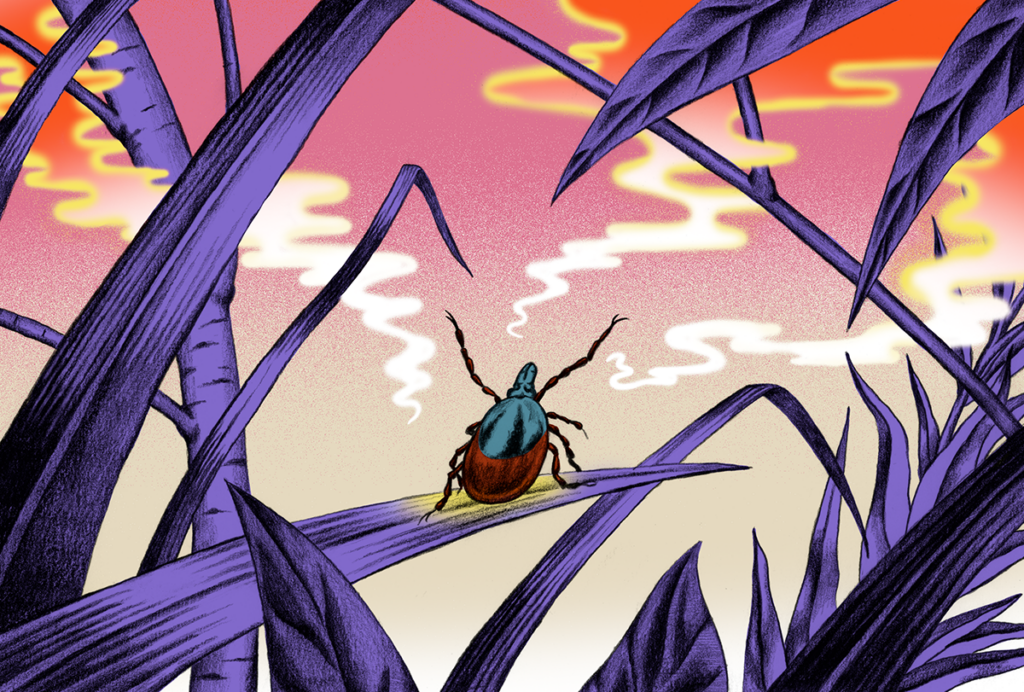
Neuro’s ark: Spying on the secret sensory world of ticks
Carola Städele, a self-proclaimed “tick magnet,” studies the arachnids’ sensory neurobiology—in other words, how these tiny parasites zero in on their next meal.
Neuro’s ark: Spying on the secret sensory world of ticks
Carola Städele, a self-proclaimed “tick magnet,” studies the arachnids’ sensory neurobiology—in other words, how these tiny parasites zero in on their next meal.
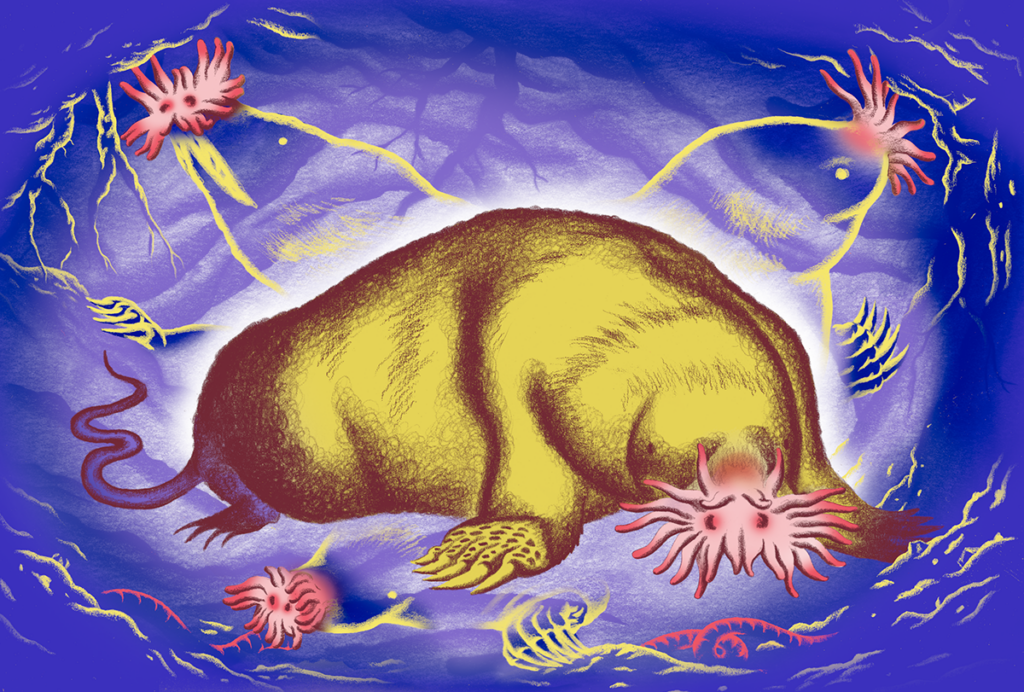
Neuro’s ark: Understanding fast foraging with star-nosed moles
“MacArthur genius” Kenneth Catania outlined the physiology behind the moles’ stellar foraging skills two decades ago. Next, he wants to better characterize their food-seeking behavior.
Neuro’s ark: Understanding fast foraging with star-nosed moles
“MacArthur genius” Kenneth Catania outlined the physiology behind the moles’ stellar foraging skills two decades ago. Next, he wants to better characterize their food-seeking behavior.
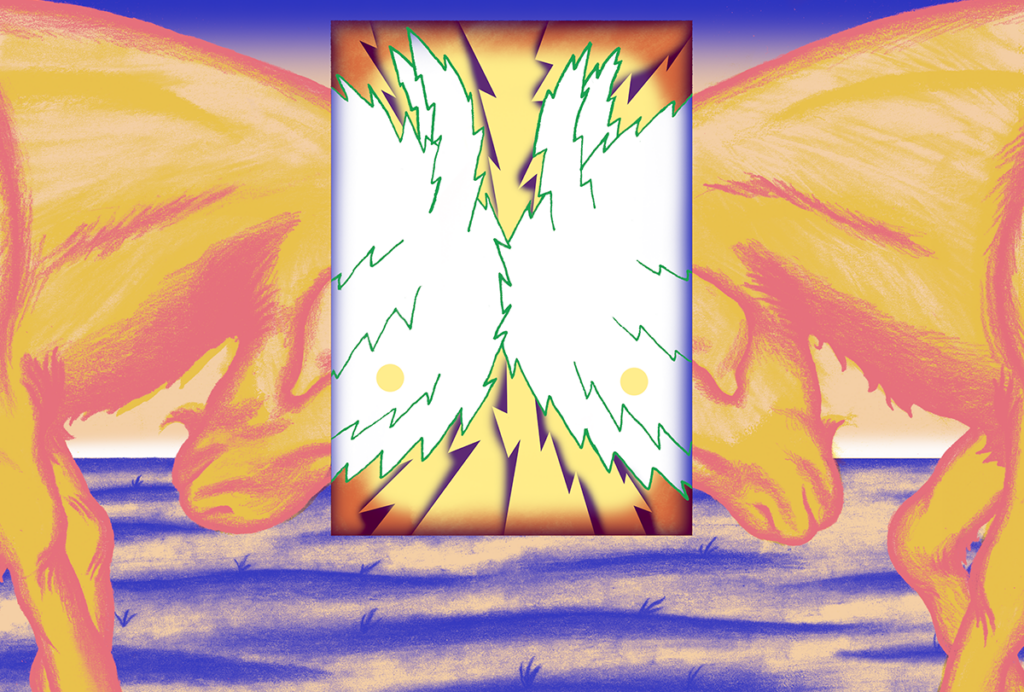
Neuro’s ark: How goats can model neurodegeneration
Since debunking an urban legend that headbutting animals don’t damage their brain, Nicole Ackermans has been investigating how the behavior correlates with neurodegeneration.
Neuro’s ark: How goats can model neurodegeneration
Since debunking an urban legend that headbutting animals don’t damage their brain, Nicole Ackermans has been investigating how the behavior correlates with neurodegeneration.
Explore more from The Transmitter
What a bird’s-eye view of half a million papers reveals about neuroscience
New research uses artificial-intellligence-driven bibliometrics to map the structural organization of neuroscience across 25 years. The field it reveals is at once thriving and theoretically adrift.
What a bird’s-eye view of half a million papers reveals about neuroscience
New research uses artificial-intellligence-driven bibliometrics to map the structural organization of neuroscience across 25 years. The field it reveals is at once thriving and theoretically adrift.
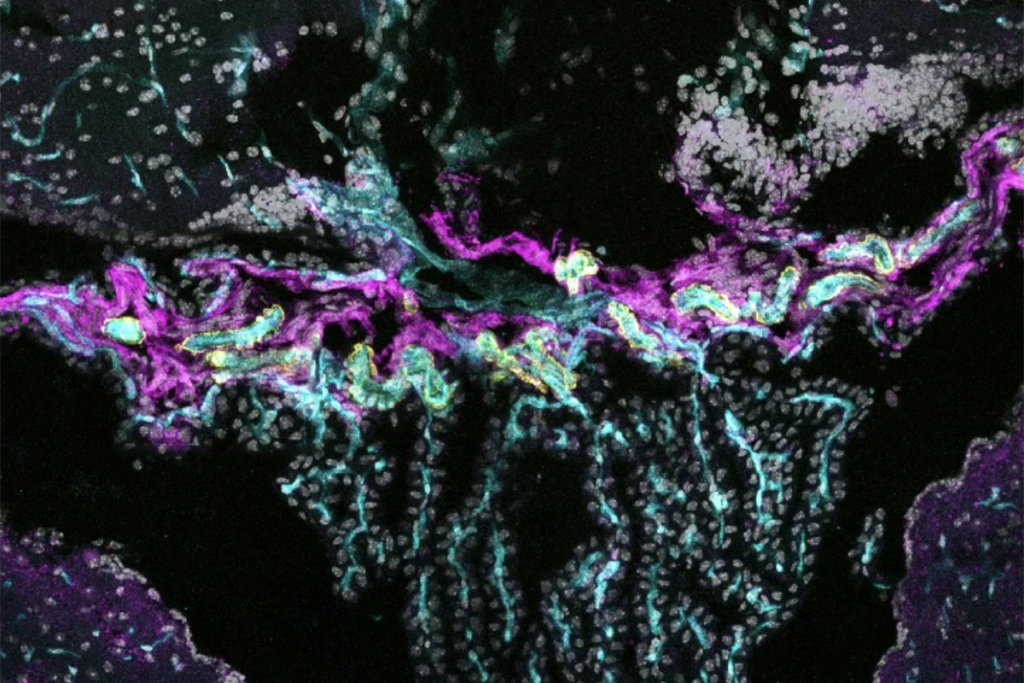
Newly identified barrier cells seal off choroid plexus from CSF, rest of brain
A long-overlooked layer of fibroblasts exists inside the choroid plexus of mice and humans, adding complexity to the area’s compartmentalization.
Newly identified barrier cells seal off choroid plexus from CSF, rest of brain
A long-overlooked layer of fibroblasts exists inside the choroid plexus of mice and humans, adding complexity to the area’s compartmentalization.
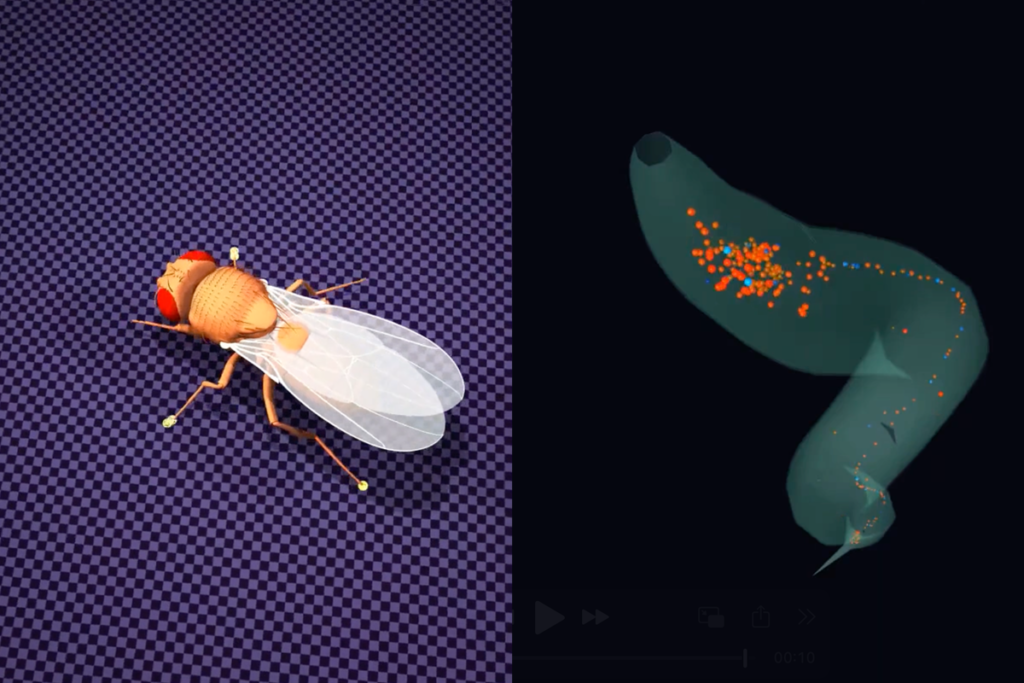
‘Digital sphinx’ raises questions about connectome models
The sphinx, with a worm’s brain and a fly’s body, illustrates the potential pitfalls of using deep-learning techniques to model biological processes.
‘Digital sphinx’ raises questions about connectome models
The sphinx, with a worm’s brain and a fly’s body, illustrates the potential pitfalls of using deep-learning techniques to model biological processes.