At this year’s meeting of the International Society for Autism Research (INSAR) in Prague, one theme stood out above the rest for me: We are entering a new era of genetic medicine for autism.
Much of the attention focused on rare genetic variants, such as changes in SCN2A, SHANK3 or UBE3A, that are known to be associated with autism. About 20 percent of people with autism have a condition linked to these or other variants.
For families affected by autism, including my own, the progress is deeply meaningful and is cause for hope, because for the first time we are seeing actual improvement in clinical symptoms by addressing the underlying biology.
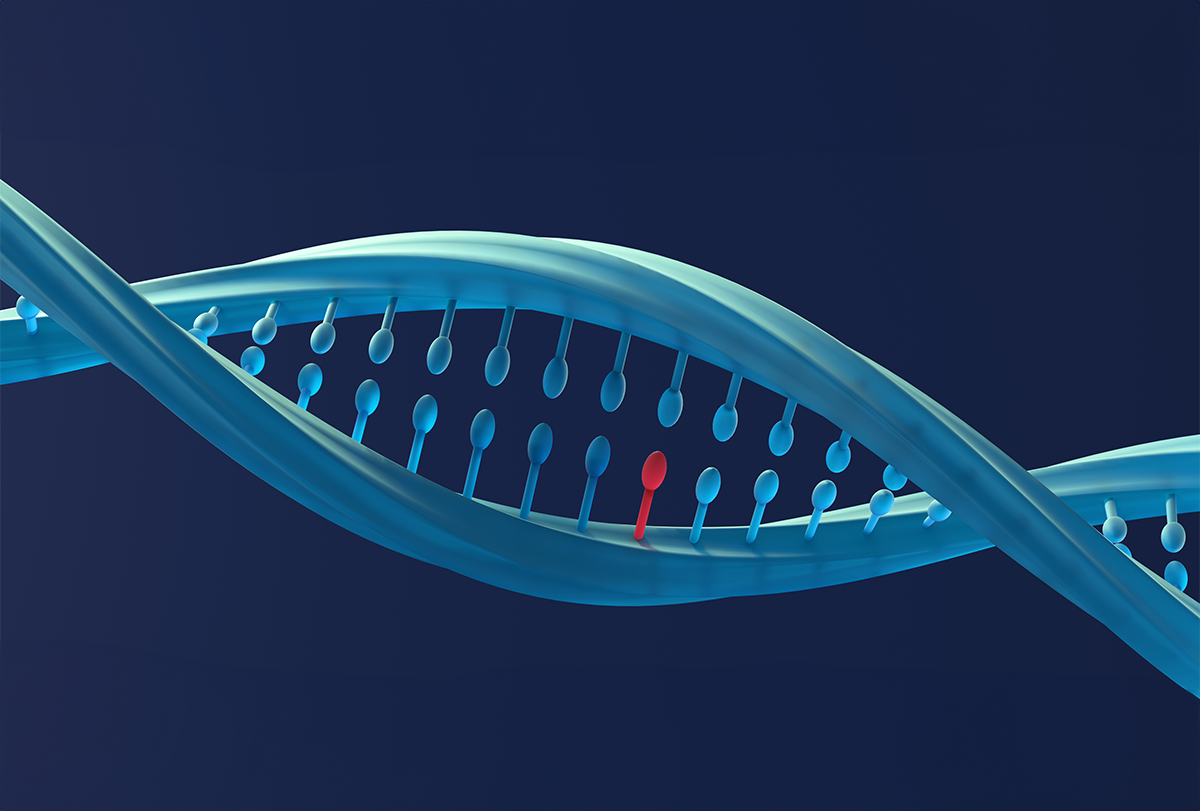
Researchers described methods using tools such as CRISPR to correct variants in the DNA or RNA. Another approach is epigenome editing, which leaves the DNA code intact but changes how genes are switched on or off. That can be especially powerful when a healthy copy of a gene exists but has been silenced.
One of the most moving presentations I saw came from Allyson Berent, chief science officer at the Foundation for Angelman Syndrome Therapeutics, who spoke about progress in Angelman syndrome clinical trials and shared examples of improvements seen in patient participants. Scientists are using antisense oligonucleotides, or ASOs, to un-silence a functional copy of the UBE3A gene that has been turned off. The goal is to restore missing protein function by waking up what is already there.
In these trials, progress is visible in participants across the lifespan, not just in young children but in adults as well. Berent gave examples around enhanced cognition, first words being spoken, a reduction in challenging behaviors, sleeping through the night, self-feeding, toileting—a new level of independence that was only a pipe dream for many families.
I cried during her talk. I cried for all the years that our family and others have waited, for all the battles we have fought, and for the sheer joy that soon some children may have options that many families were told would never come.
B
Researchers discussed several options, including injections into spinal fluid, intravenous infusions and direct delivery to specific brain regions. Scientists are also developing new viral vectors and nanoparticle systems that can cross the blood-brain barrier and reach neurons more effectively.
These advances come at an important moment. The U.S. Food and Drug Administration has introduced the Plausible Mechanism Framework to accelerate the development of treatments for ultra-rare diseases, recognizing that traditional large clinical trials may be impossible when patient populations are tiny. Strong biological evidence, natural history data and biomarker changes may now help move therapies forward.
But what about families like mine, whose children have profound autism but no known causative gene?
What I learned at INSAR is that we are not being left behind. Tools being built today to support gene regulation, RNA therapies, targeted delivery systems and better trial frameworks will not stay limited to rare genetic forms of autism.
Scientists are learning how to reach the brain safely and how to change the biological pathways that shape communication, learning and behavior. For example, epigenome editing may someday allow clinicians to increase or decrease the activity of networks of genes involved in language, cognition or adaptive functioning without permanently changing DNA.
RNA-based medicines could help normalize protein production in pathways disrupted across many different autistic people. Advances in delivery systems, such as vectors that cross the blood-brain barrier, will benefit all future neurodevelopmental therapies, not just rare-disease treatments.
Families without a genetic diagnosis are part of this future too. The breakthroughs beginning in monogenic autism today will help many more people tomorrow.