Synaptic pruning
Recent articles
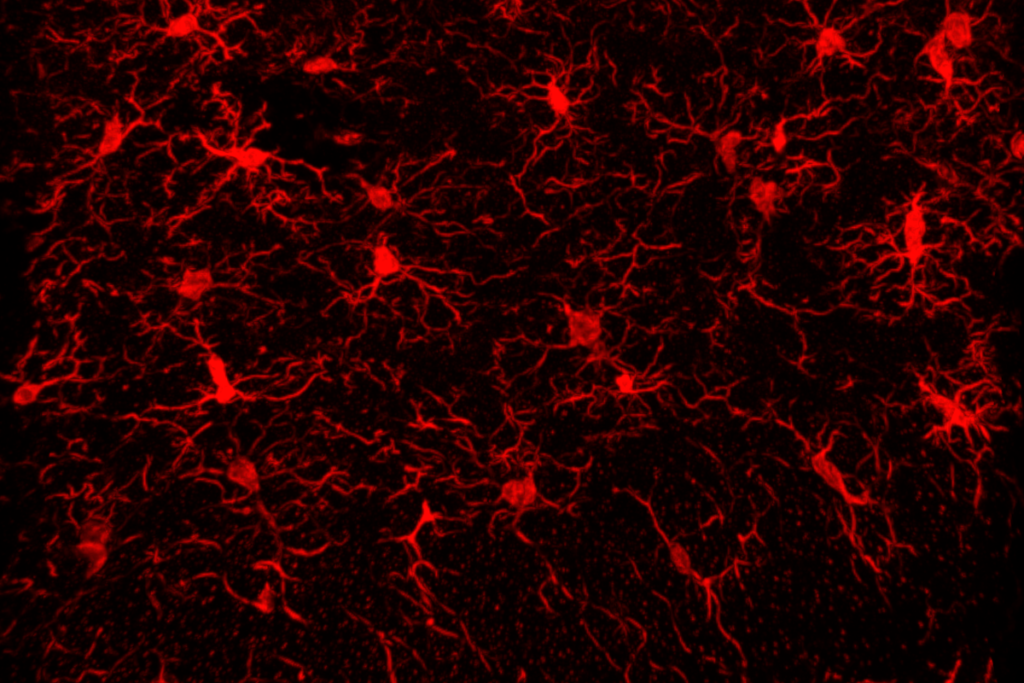
Microglia implicated in infantile amnesia
The glial cells could explain the link between maternal immune activation and autism-like behaviors in mice.
Microglia implicated in infantile amnesia
The glial cells could explain the link between maternal immune activation and autism-like behaviors in mice.
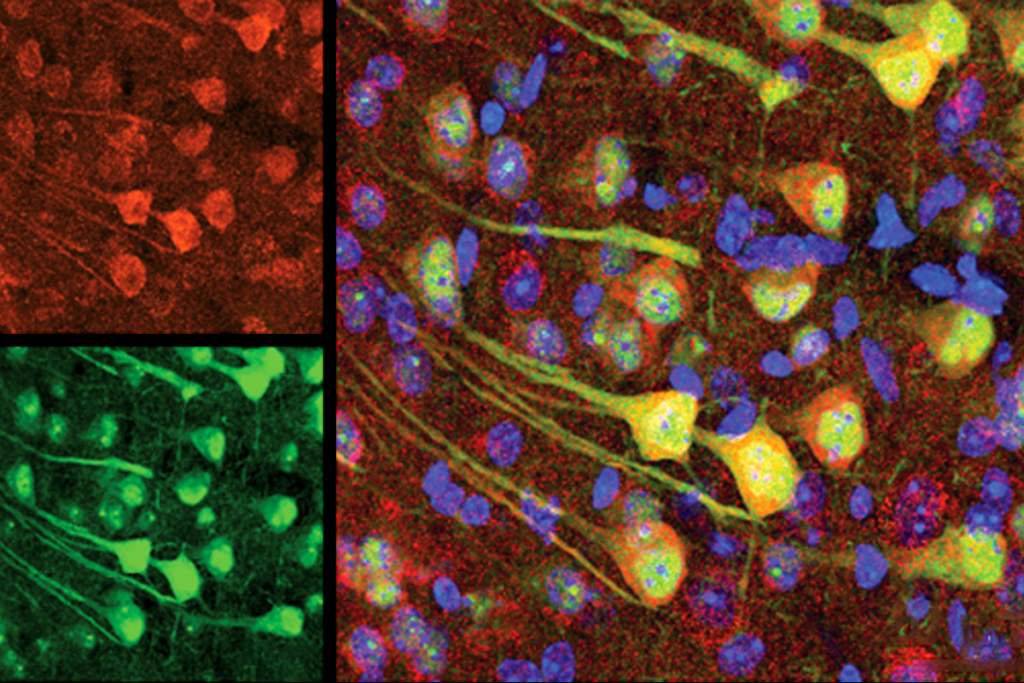
Aging neurons outsource garbage disposal, clog microglia
Degradation-resistant proteins pass from neurons to glial cells in a process that may spread protein clumps around the brain, according to a study in mice.
Aging neurons outsource garbage disposal, clog microglia
Degradation-resistant proteins pass from neurons to glial cells in a process that may spread protein clumps around the brain, according to a study in mice.
Rethinking how neural activity sculpts critical periods
New findings on the role of neural activity in developing circuits are challenging our prior notions about the rules that govern critical periods.
Rethinking how neural activity sculpts critical periods
New findings on the role of neural activity in developing circuits are challenging our prior notions about the rules that govern critical periods.
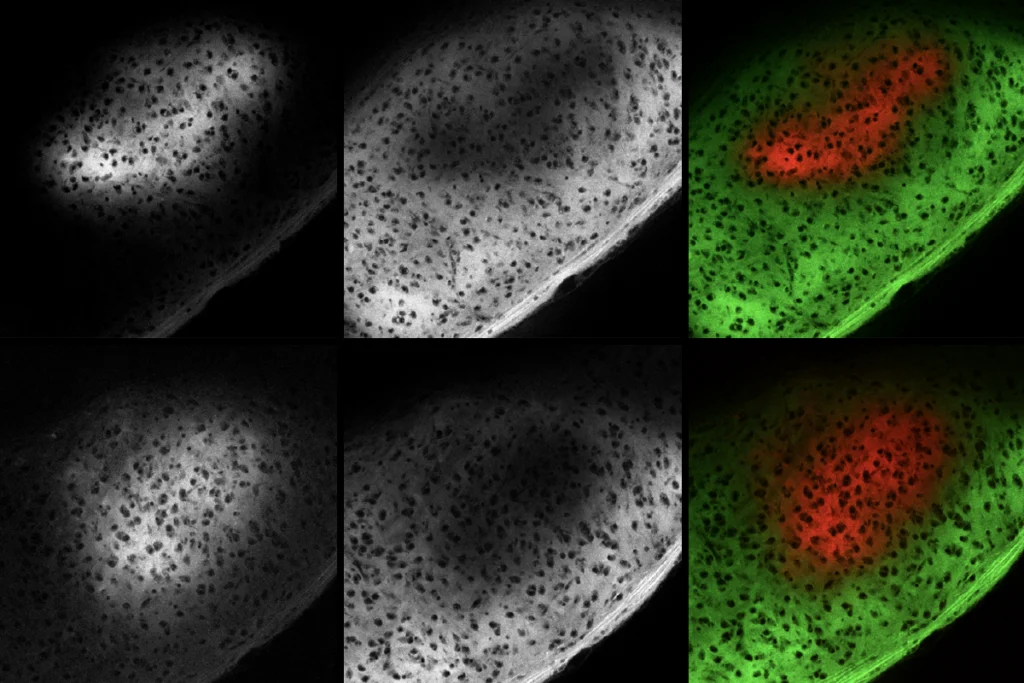
Microglia’s pruning function called into question
Scientists are divided over the extent to which the cells sculpt circuits during development.
Microglia’s pruning function called into question
Scientists are divided over the extent to which the cells sculpt circuits during development.
Explore more from The Transmitter
Is it time for neuroscience to shift its focus from a computational mind to a navigating mind?
Andrea Hiott explains her navigational approach to the mind, and why now is the time to embrace seemingly paradoxical findings in neuroscience.
Is it time for neuroscience to shift its focus from a computational mind to a navigating mind?
Andrea Hiott explains her navigational approach to the mind, and why now is the time to embrace seemingly paradoxical findings in neuroscience.
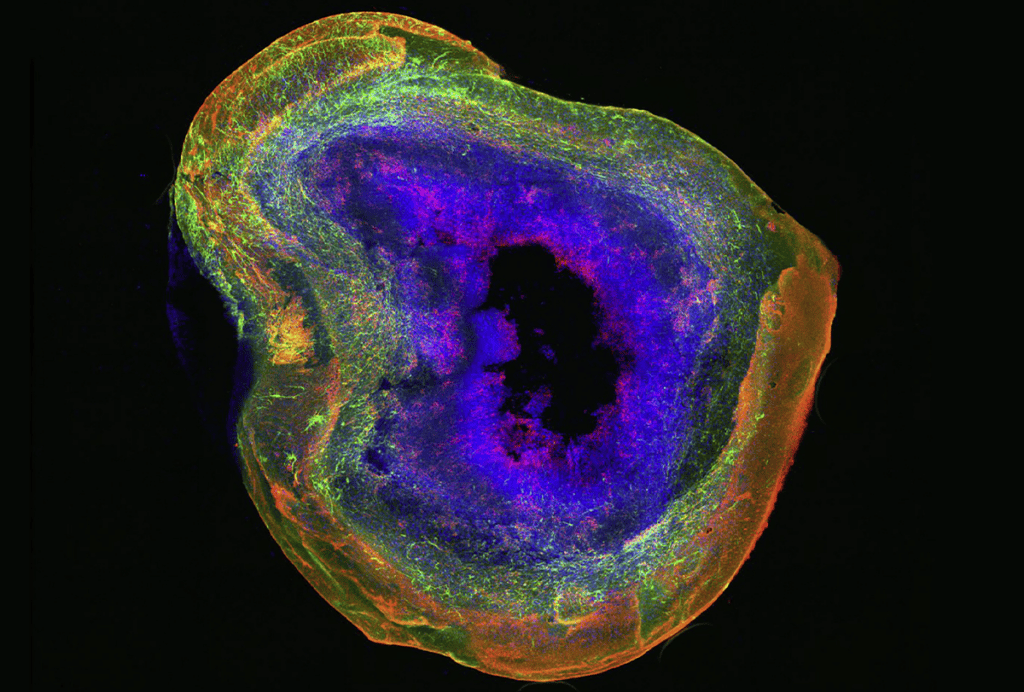
Human brain organoids come of age—but still have room to grow
The U.S. government has touted organoids as an alternative to animals for studying the brain. The model has improved since its debut in 2013, but scientists are still working to overcome key limitations: immaturity, consistency and the lack of vascularization.
Human brain organoids come of age—but still have room to grow
The U.S. government has touted organoids as an alternative to animals for studying the brain. The model has improved since its debut in 2013, but scientists are still working to overcome key limitations: immaturity, consistency and the lack of vascularization.
Finding neuroheterogeneity’s sweet spot
Once thought to be detrimental to memory processing, neuronal diversity—at the right ‘Goldilocks’ dose—is a new boon to theoretical neuroscience.
Finding neuroheterogeneity’s sweet spot
Once thought to be detrimental to memory processing, neuronal diversity—at the right ‘Goldilocks’ dose—is a new boon to theoretical neuroscience.