Mouse models
Recent articles

Autism-linked variants converge on two molecular patterns in mouse brains
Gene activity across 17 autism mouse models occurs in either of two opposing transcriptomic states, supporting the idea that diverse genetic changes may converge on a few recurring biological patterns.
Autism-linked variants converge on two molecular patterns in mouse brains
Gene activity across 17 autism mouse models occurs in either of two opposing transcriptomic states, supporting the idea that diverse genetic changes may converge on a few recurring biological patterns.
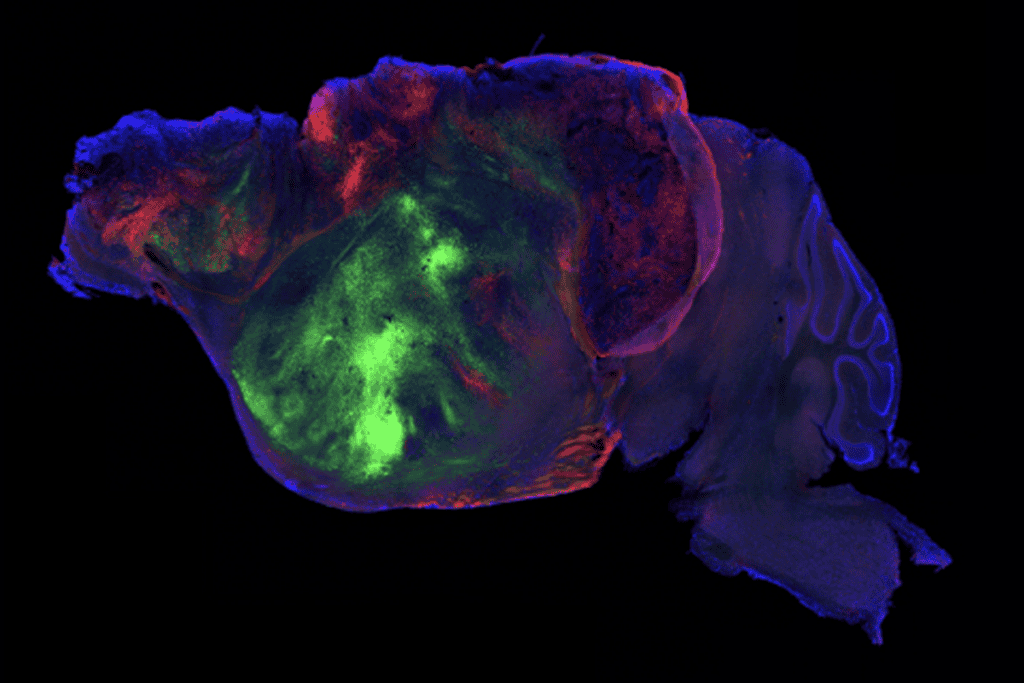
Human brain organoids flourish in emptied mouse cortex
The chimeric mice could help untangle the biology of human brain development or conditions such as autism.
Human brain organoids flourish in emptied mouse cortex
The chimeric mice could help untangle the biology of human brain development or conditions such as autism.
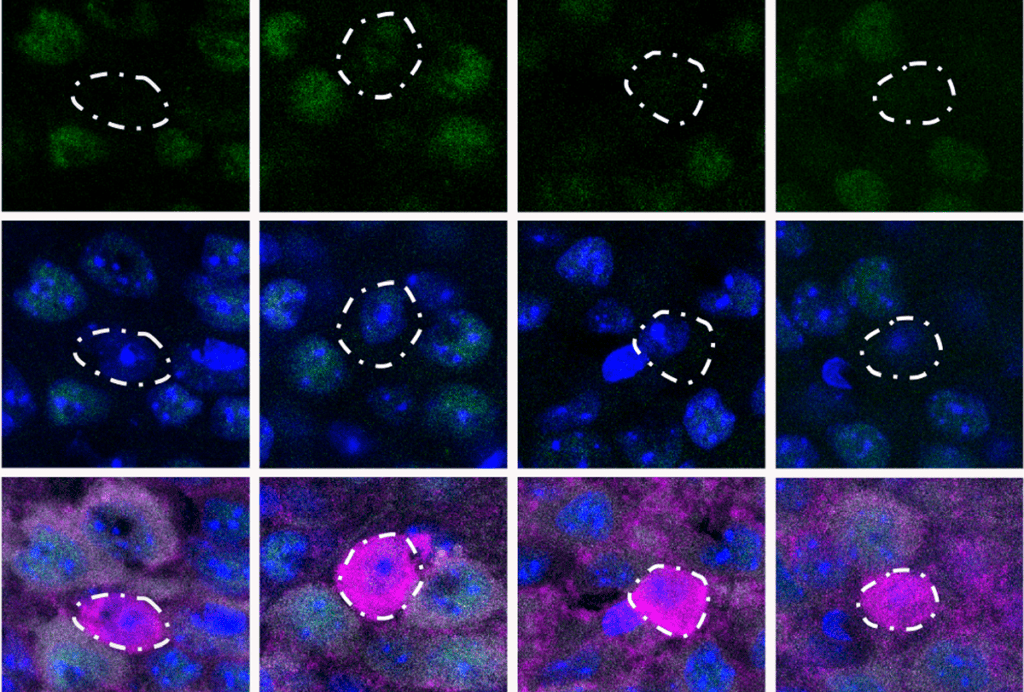
Loss of interneuron plasticity may be shared hallmark of neurodevelopmental conditions
Restoring an experience-dependent interneuron plasticity gene in adulthood improves memory and cuts seizures in CNTNAP2 knockout mice, a new study shows.
Loss of interneuron plasticity may be shared hallmark of neurodevelopmental conditions
Restoring an experience-dependent interneuron plasticity gene in adulthood improves memory and cuts seizures in CNTNAP2 knockout mice, a new study shows.
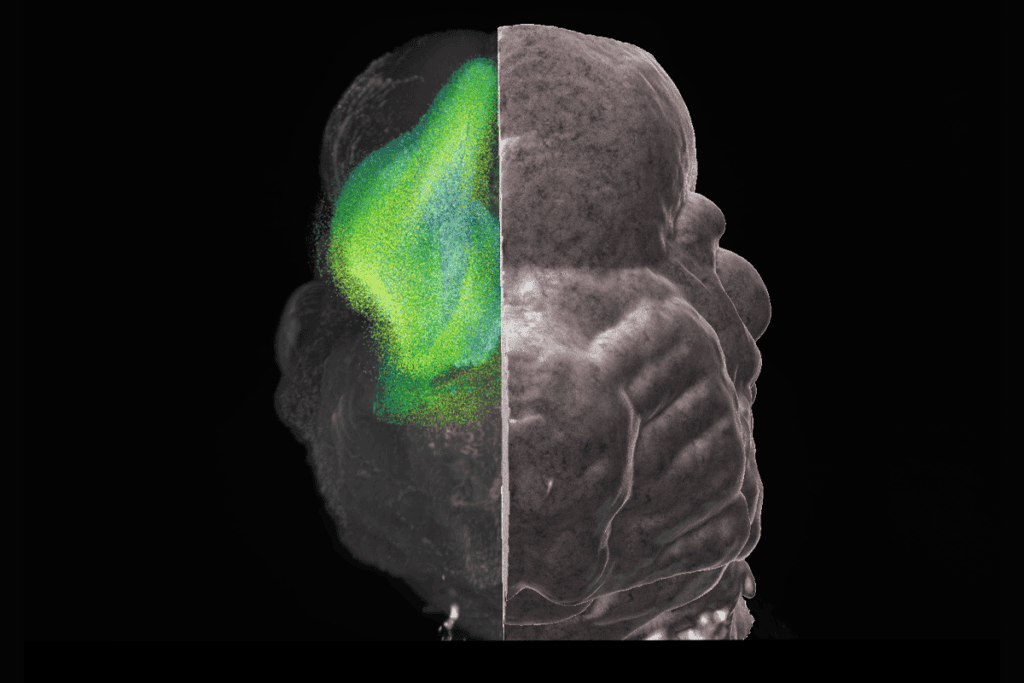
Diverse autism genes derail common developmental pathways
Multiple genetic mouse models initially show delayed cortical development, but the animals’ molecular trajectories diverge within weeks after birth, a new study finds.
Diverse autism genes derail common developmental pathways
Multiple genetic mouse models initially show delayed cortical development, but the animals’ molecular trajectories diverge within weeks after birth, a new study finds.
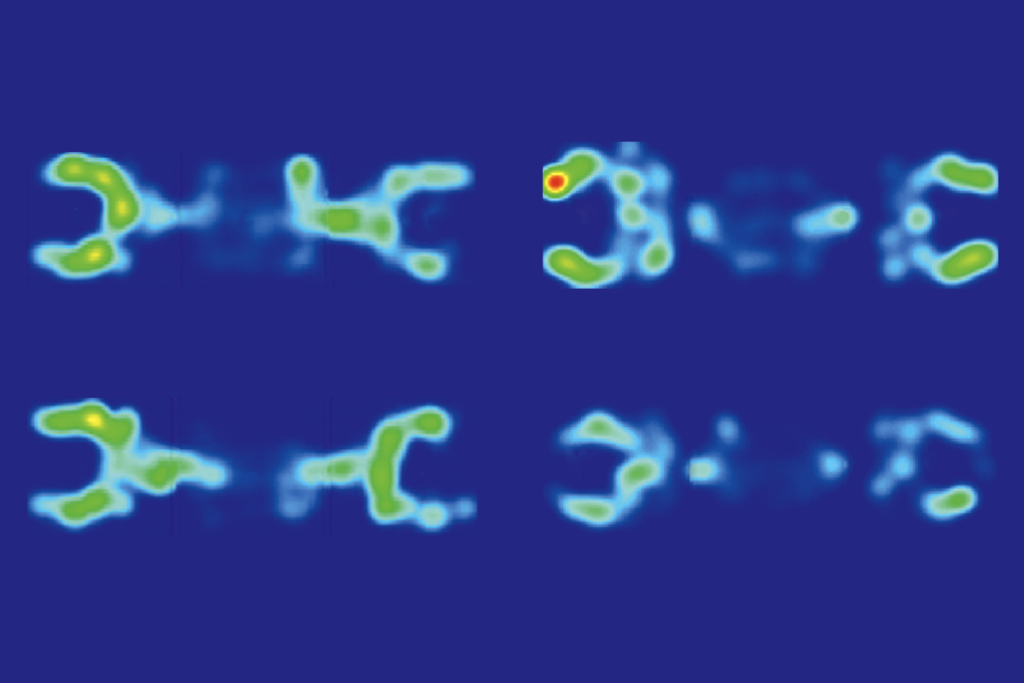
Noncoding RNA sways core autism traits in mice
Small deletions in an X-linked RNA alter social and repetitive behaviors in male mice without broadly affecting learning or memory.
Noncoding RNA sways core autism traits in mice
Small deletions in an X-linked RNA alter social and repetitive behaviors in male mice without broadly affecting learning or memory.

Embrace complexity to improve the translatability of basic neuroscience
Researchers must learn to view heterogeneity as an essential feature of the systems they study and a central consideration in experimental design, not a variable to control for or reduce.
Embrace complexity to improve the translatability of basic neuroscience
Researchers must learn to view heterogeneity as an essential feature of the systems they study and a central consideration in experimental design, not a variable to control for or reduce.
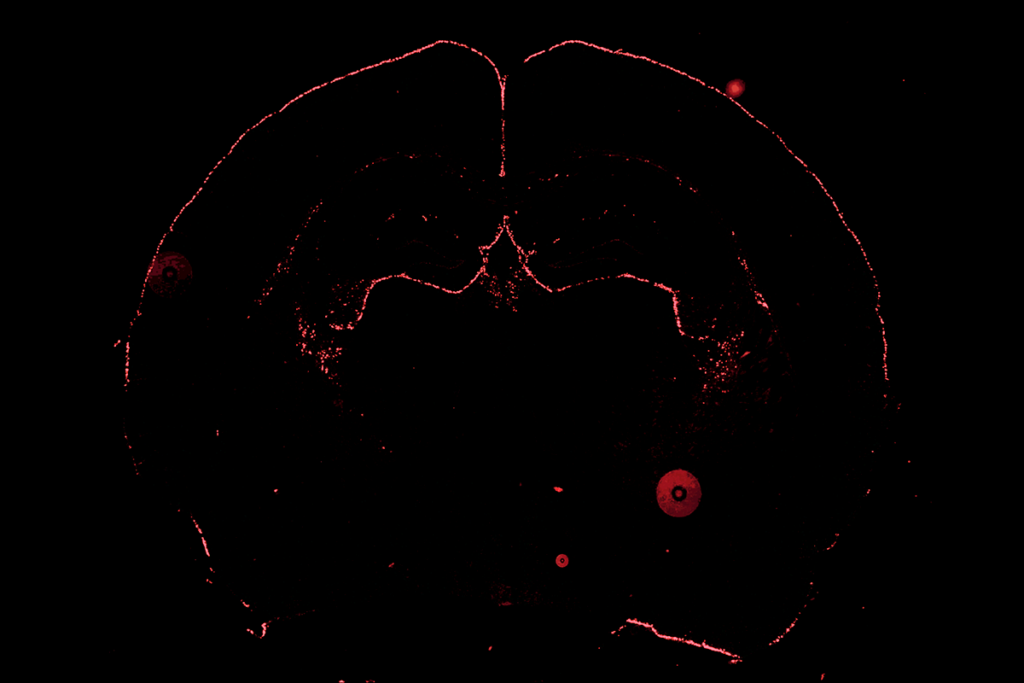
Taking a closer look at astrocytes and autism
These glial cells are increasingly linked to neurodevelopmental conditions and the regulation of social behaviors and anxiety.
Taking a closer look at astrocytes and autism
These glial cells are increasingly linked to neurodevelopmental conditions and the regulation of social behaviors and anxiety.
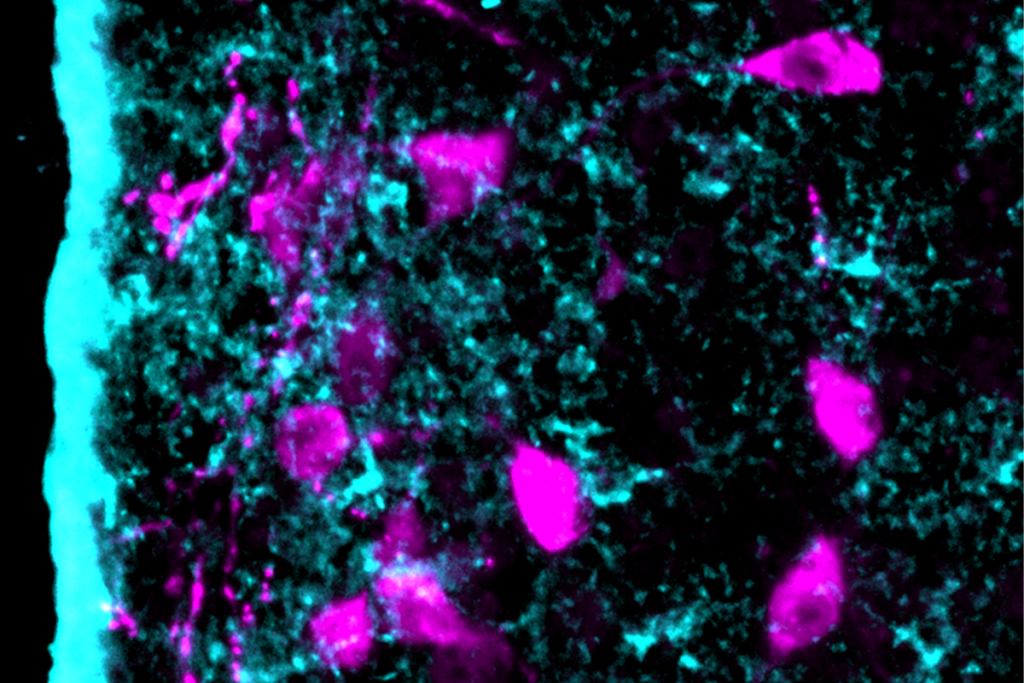
Astrocytes orchestrate oxytocin’s social effects in mice
The cells amplify oxytocin—and may be responsible for sex differences in social behavior, two preprints find.
Astrocytes orchestrate oxytocin’s social effects in mice
The cells amplify oxytocin—and may be responsible for sex differences in social behavior, two preprints find.
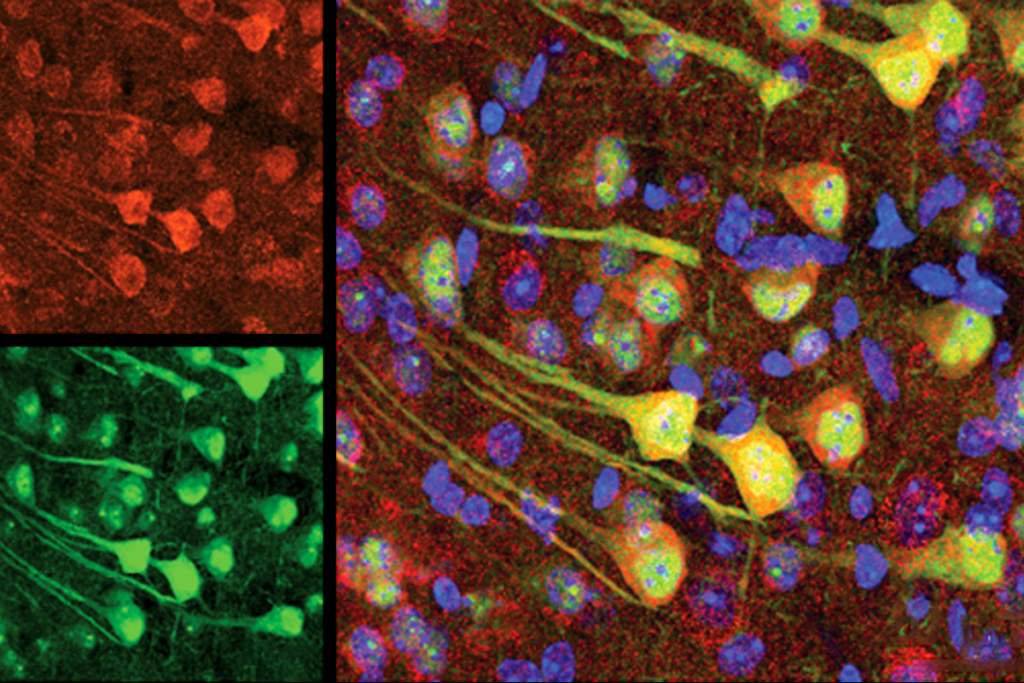
Aging neurons outsource garbage disposal, clog microglia
Degradation-resistant proteins pass from neurons to glial cells in a process that may spread protein clumps around the brain, according to a study in mice.
Aging neurons outsource garbage disposal, clog microglia
Degradation-resistant proteins pass from neurons to glial cells in a process that may spread protein clumps around the brain, according to a study in mice.
Snoozing dragons stir up ancient evidence of sleep’s dual nature
Deep-sleep cycling between brain waves of higher and lower amplitude dates far back on the evolutionary tree, according to a new comparative study of mammals and reptiles.
Snoozing dragons stir up ancient evidence of sleep’s dual nature
Deep-sleep cycling between brain waves of higher and lower amplitude dates far back on the evolutionary tree, according to a new comparative study of mammals and reptiles.
Explore more from The Transmitter
Is it time for neuroscience to shift its focus from a computational mind to a navigating mind?
Andrea Hiott explains her navigational approach to the mind, and why now is the time to embrace seemingly paradoxical findings in neuroscience.
Is it time for neuroscience to shift its focus from a computational mind to a navigating mind?
Andrea Hiott explains her navigational approach to the mind, and why now is the time to embrace seemingly paradoxical findings in neuroscience.
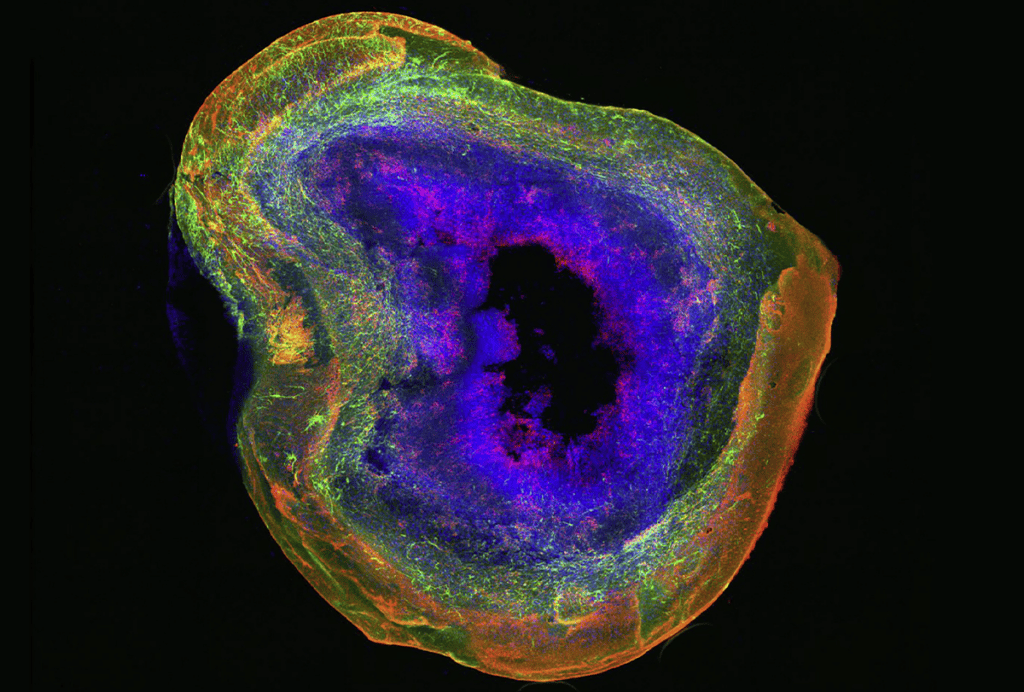
Human brain organoids come of age—but still have room to grow
The U.S. government has touted organoids as an alternative to animals for studying the brain. The model has improved since its debut in 2013, but scientists are still working to overcome key limitations: immaturity, consistency and the lack of vascularization.
Human brain organoids come of age—but still have room to grow
The U.S. government has touted organoids as an alternative to animals for studying the brain. The model has improved since its debut in 2013, but scientists are still working to overcome key limitations: immaturity, consistency and the lack of vascularization.
Finding neuroheterogeneity’s sweet spot
Once thought to be detrimental to memory processing, neuronal diversity—at the right ‘Goldilocks’ dose—is a new boon to theoretical neuroscience.
Finding neuroheterogeneity’s sweet spot
Once thought to be detrimental to memory processing, neuronal diversity—at the right ‘Goldilocks’ dose—is a new boon to theoretical neuroscience.