News
Recent articles
The latest developments in neuroscience
Researchers retract multisensory learning paper after failed replications
Even though one set of experiments did not hold up, the authors stand by the original conclusions of the work and plan to resubmit it as a new paper.
Researchers retract multisensory learning paper after failed replications
Even though one set of experiments did not hold up, the authors stand by the original conclusions of the work and plan to resubmit it as a new paper.
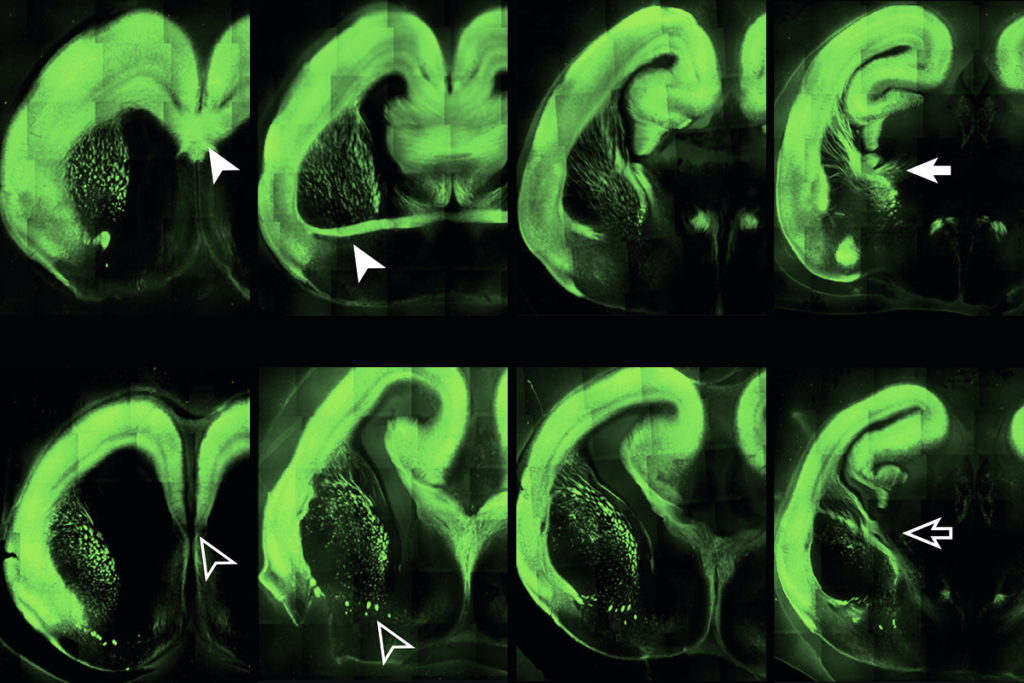
Cortical evolution, ZBTB18, and more
Here is a roundup of autism-related news and research spotted around the web for the week of 30 March.
Cortical evolution, ZBTB18, and more
Here is a roundup of autism-related news and research spotted around the web for the week of 30 March.
Letter asks Congress for nearly $500 million to sustain BRAIN Initiative
The one-time boost would help counter the planned end this year to one of the program’s long-standing funding streams, which will result in a $195 million drop in funding for fiscal year 2027.
Letter asks Congress for nearly $500 million to sustain BRAIN Initiative
The one-time boost would help counter the planned end this year to one of the program’s long-standing funding streams, which will result in a $195 million drop in funding for fiscal year 2027.
Neuroscience conference policy draws confusion, apology
NeurIPS organizers apologized and altered course after issuing a policy that barred submissions from researchers at U.S.-government-sanctioned institutions.
Neuroscience conference policy draws confusion, apology
NeurIPS organizers apologized and altered course after issuing a policy that barred submissions from researchers at U.S.-government-sanctioned institutions.
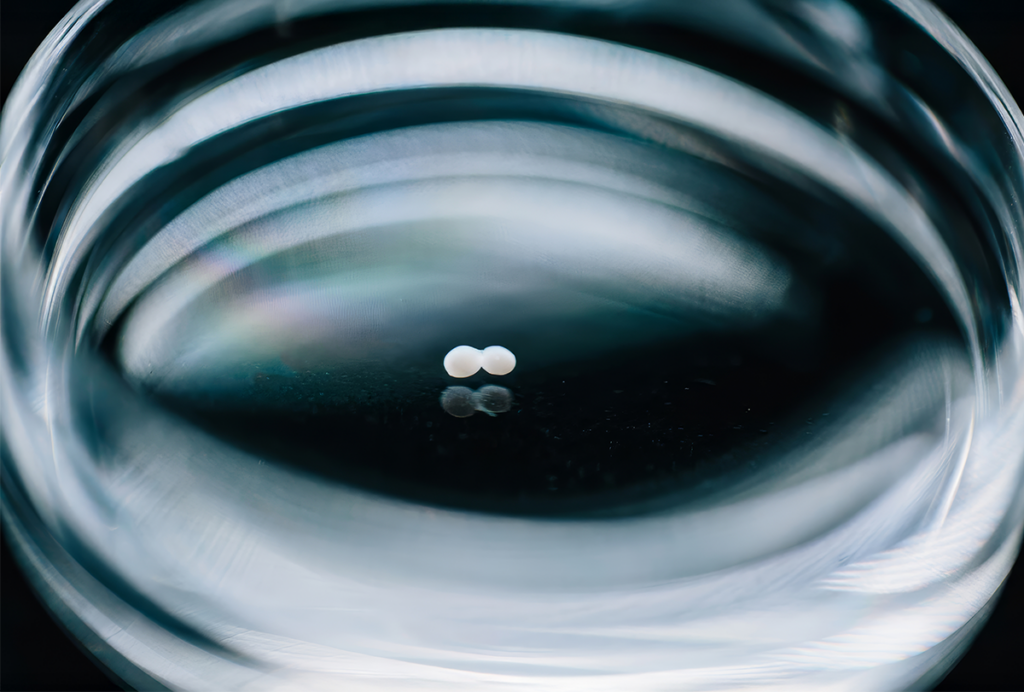
Funding for animal research alternatives reaches ‘inflection point’
The United States and Europe are dedicating hundreds of millions of dollars in funding to advance novel alternative methods, but not all neuroscientists see this as a positive step.
Funding for animal research alternatives reaches ‘inflection point’
The United States and Europe are dedicating hundreds of millions of dollars in funding to advance novel alternative methods, but not all neuroscientists see this as a positive step.
Head direction cells stably orient mice to outside world
The cells’ representations show little drift over time—unlike those of other navigation system neurons—and may provide a “rigid backbone” for more flexible sensory and cognitive responses.
Head direction cells stably orient mice to outside world
The cells’ representations show little drift over time—unlike those of other navigation system neurons—and may provide a “rigid backbone” for more flexible sensory and cognitive responses.
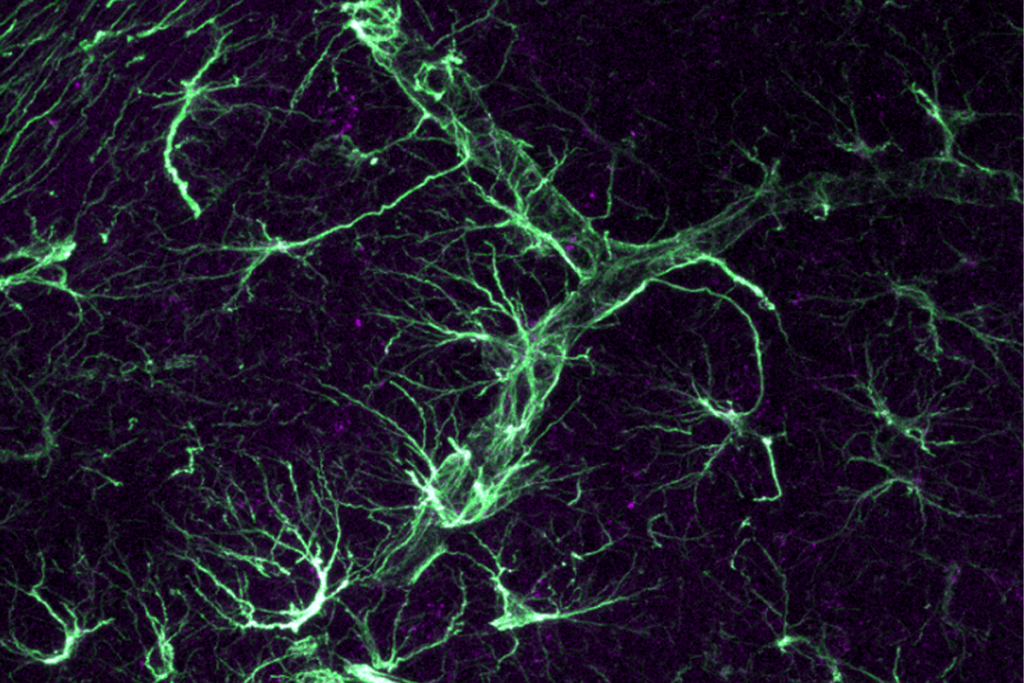
Astrocytes in mouse amygdala encode emotional state
The glial cells’ activity reliably tracks with freezing, hesitancy and other behaviors reminiscent of anxiety.
Astrocytes in mouse amygdala encode emotional state
The glial cells’ activity reliably tracks with freezing, hesitancy and other behaviors reminiscent of anxiety.

Data duplications flagged in highly cited gut-brain studies
The duplications are a product of “inadvertent errors,” the authors say.
Data duplications flagged in highly cited gut-brain studies
The duplications are a product of “inadvertent errors,” the authors say.
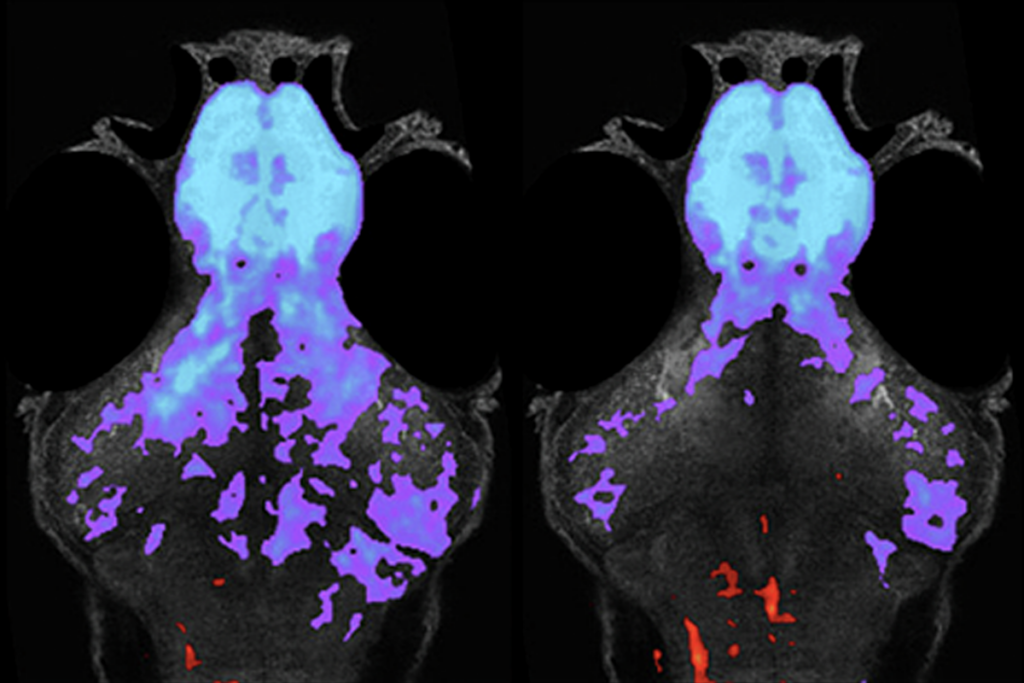
Infant Brain Imaging Study findings, and more
Here is a roundup of autism-related news and research spotted around the web for the week of 23 March.
Infant Brain Imaging Study findings, and more
Here is a roundup of autism-related news and research spotted around the web for the week of 23 March.

Exon-skipping approach boosts levels of key Rett syndrome protein
Deleting a small region of the MECP2 gene partially restored function in neurons derived from people with Rett-associated variants.
Exon-skipping approach boosts levels of key Rett syndrome protein
Deleting a small region of the MECP2 gene partially restored function in neurons derived from people with Rett-associated variants.
Explore more from The Transmitter
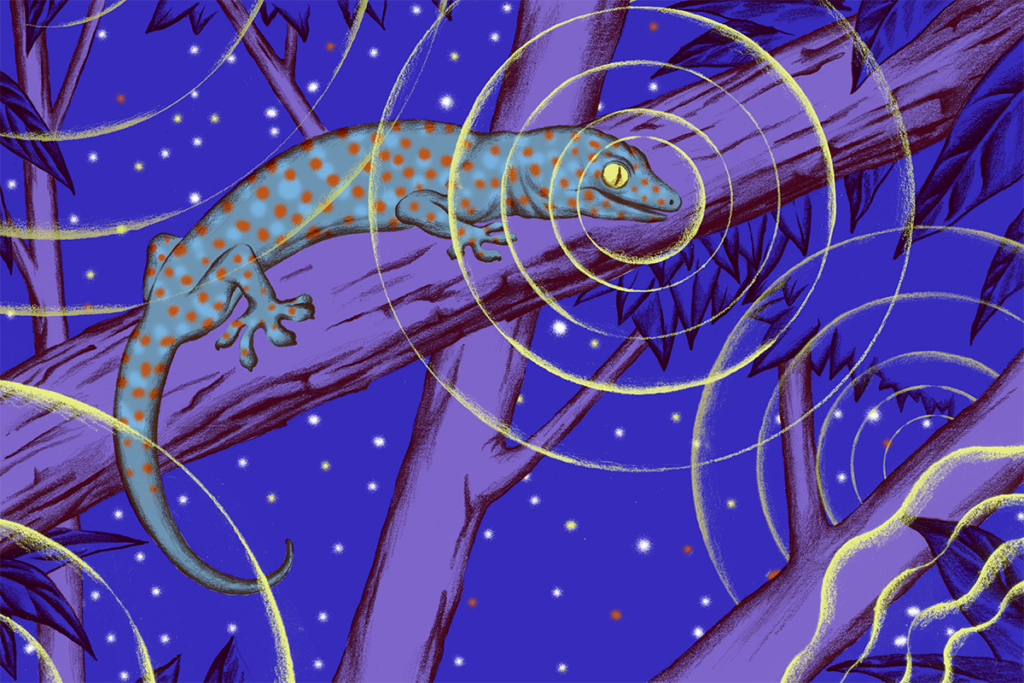
Neuro’s ark: Sounding out the evolution of hearing with geckos
Catherine Carr explains her discovery that geckos retain a vibration-sensing pathway previously thought to be lost when animals moved onto land.
Neuro’s ark: Sounding out the evolution of hearing with geckos
Catherine Carr explains her discovery that geckos retain a vibration-sensing pathway previously thought to be lost when animals moved onto land.
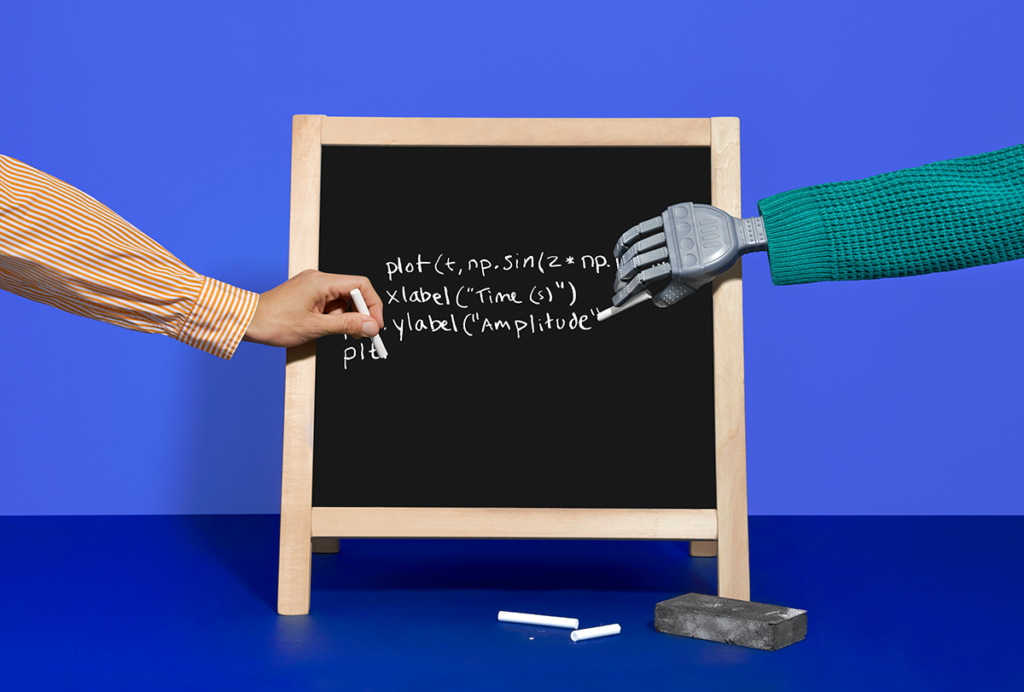
How to teach programming in the age of AI
Scientists and educators are concerned about students using artificial intelligence to shortcut their learning. But there are also opportunities, especially when it comes to teaching neuroscience students how to code.
How to teach programming in the age of AI
Scientists and educators are concerned about students using artificial intelligence to shortcut their learning. But there are also opportunities, especially when it comes to teaching neuroscience students how to code.

‘Friction-maxxing’ in school: Students should read primary literature, not AI summaries
Trainees need to learn how to identify a neuroscience paper’s major takeaways and integrate them into their understanding. This skill doesn’t come from outsourcing the work to large language models.
‘Friction-maxxing’ in school: Students should read primary literature, not AI summaries
Trainees need to learn how to identify a neuroscience paper’s major takeaways and integrate them into their understanding. This skill doesn’t come from outsourcing the work to large language models.