Jacqueline Crawley is professor emeritus of psychiatry and behavioral sciences at the University of California, Davis.
Jacqueline Crawley
Professor
University of California, Davis
From this contributor

Optimizing behavioral assays for mouse models of autism
As the number of autism rodent models climbs, it is a good time for the field to step back and consider the best practices for assessing autism-like symptoms in rodents, says Jacqueline Crawley.
Optimizing behavioral assays for mouse models of autism
By
Jacqueline Crawley
23 September 2014 | 11 min read
Transparent reports
New standards for animal studies, including an emphasis on replicating results and the publication of negative findings, are vital for research progress, says Jacqueline Crawley.
Promises and limitations of mouse models of autism
Good mouse models of autism, and accurate tests to assay their phenotypes, are key to both narrowing down a cause and developing effective treatments, argues expert Jacqueline Crawley.
Promises and limitations of mouse models of autism
By
Jacqueline Crawley
10 May 2011 | 6 min read
Explore more from The Transmitter
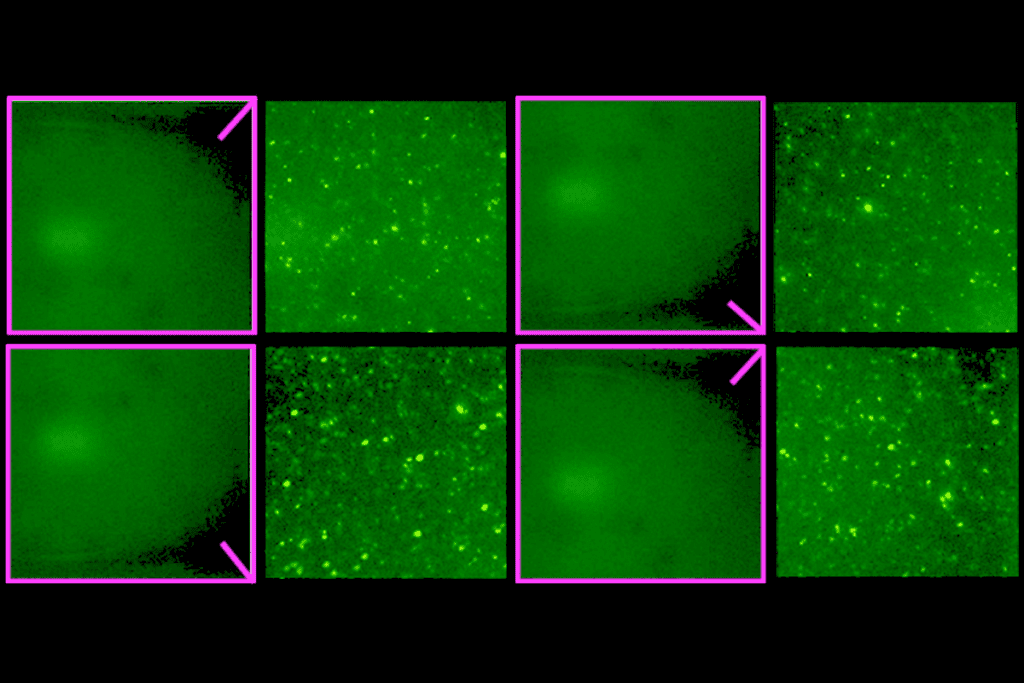
University probe leads to retraction of four neural tube studies
The University of Maryland conducted an internal investigation that identified image duplications and other data integrity issues in the studies, according to the retraction notices.
University probe leads to retraction of four neural tube studies
The University of Maryland conducted an internal investigation that identified image duplications and other data integrity issues in the studies, according to the retraction notices.
By
Claudia López Lloreda
16 October 2026 | 6 min read

Highly cited autism paper earns expression of concern over data duplications
The notice, published in Nature last week, also addressed an image duplication identified by a prominent research-integrity sleuth.
Highly cited autism paper earns expression of concern over data duplications
The notice, published in Nature last week, also addressed an image duplication identified by a prominent research-integrity sleuth.
By
Madeline Shaw
16 October 2026 | 4 min read

Govern neurodata by how it’s used, not where it’s from
New neurodata laws will shape how researchers gather, share and reuse brain data. A use-based governance protects basic researchers and those whose data are being used, without freezing science.
Govern neurodata by how it’s used, not where it’s from
New neurodata laws will shape how researchers gather, share and reuse brain data. A use-based governance protects basic researchers and those whose data are being used, without freezing science.
By
José M. Muñoz
16 October 2026 | 7 min read