SPECIAL REPORT 2026

The State of Neuroscience in
Latin America
Lea este informe en español. | Leia este relatório em português.
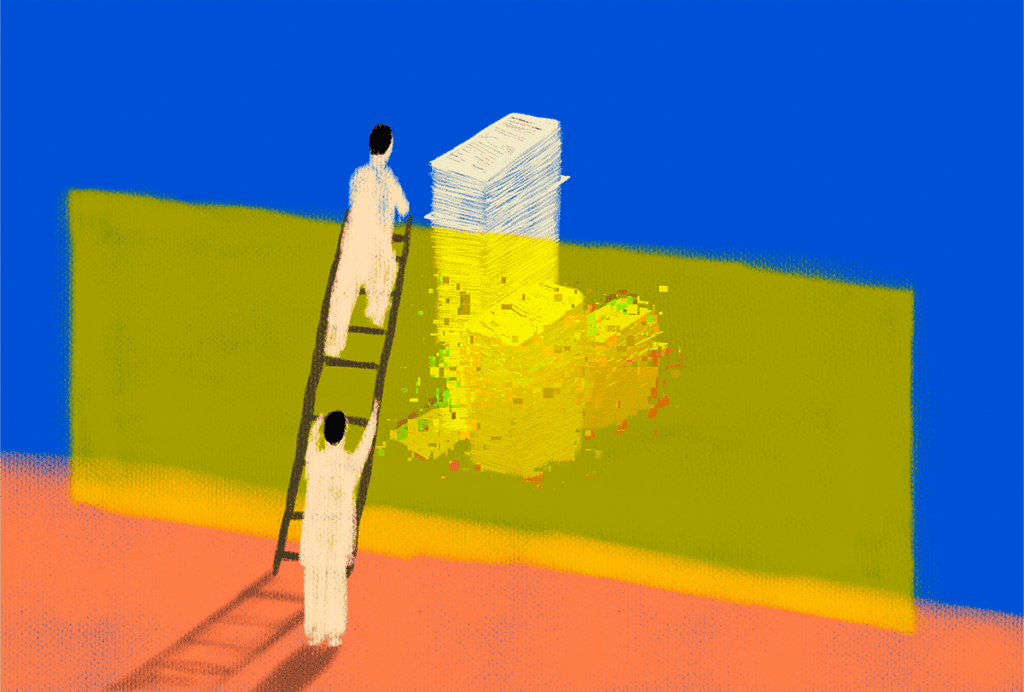
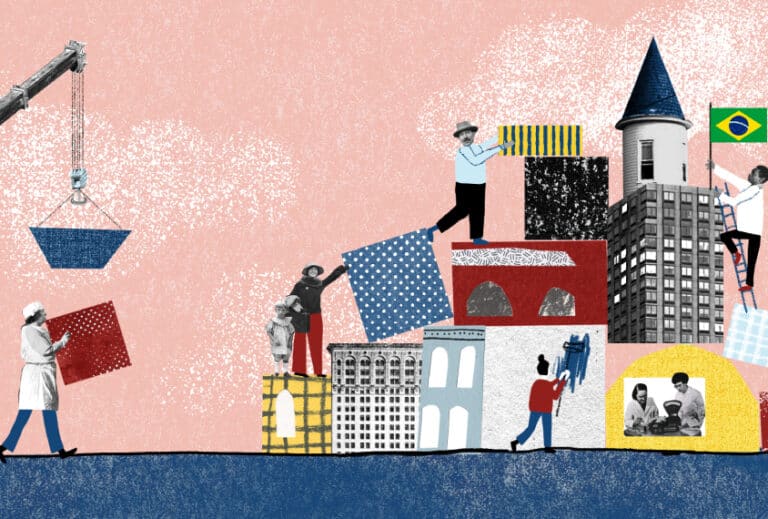
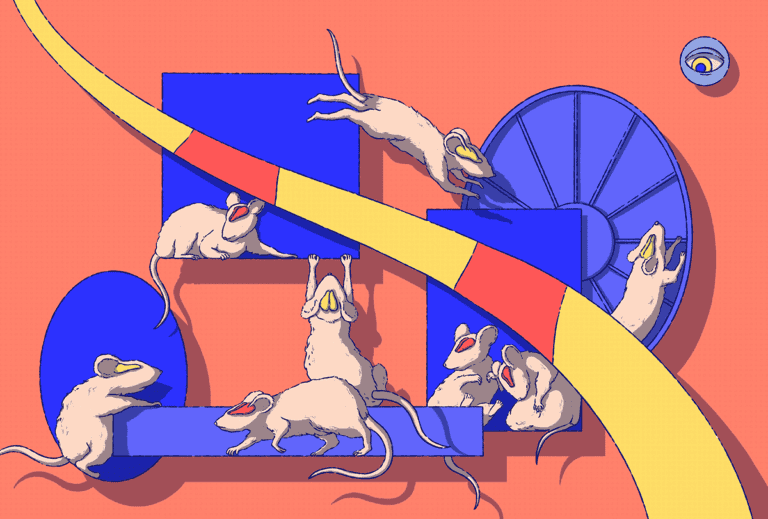
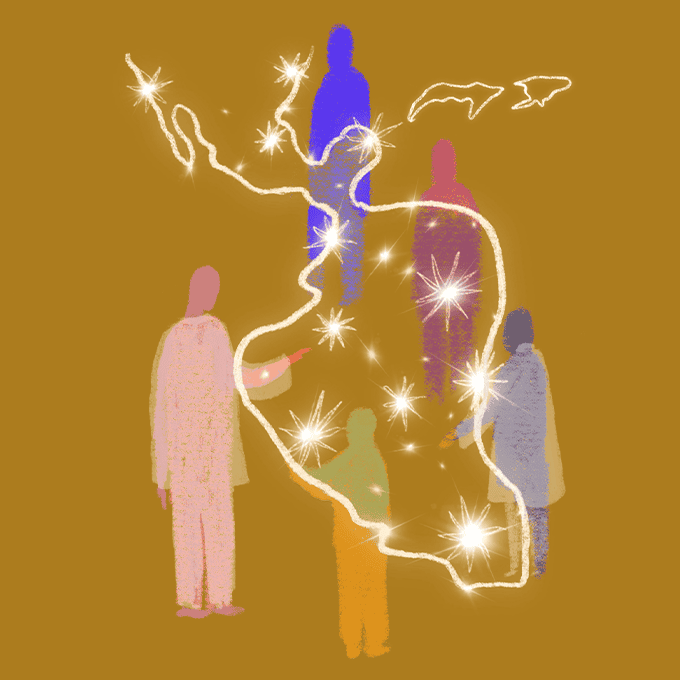
Illustration of researchers standing around an outline of Latin America.

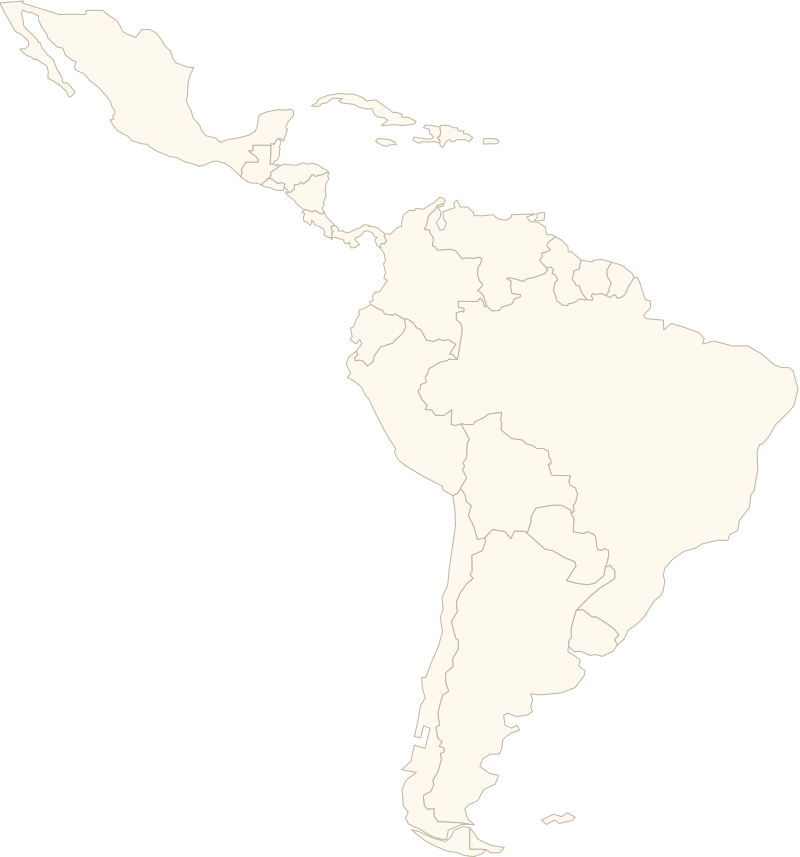
A pulmón. That’s how neuroscientists in Latin America say they get their work done: through sheer grit in the face of numerous obstacles, including an ongoing lack of infrastructure and funding. For this report, which you can navigate using the interactive map below or through the focus sections above, we spoke to nearly 50 Latin American neuroscientists to learn how those constraints shape the way they work—and how they conduct high-quality research despite them.

Read our overview or scroll down to dig in.

Neuroscience by country

Map of Latin America

I think that something really beautiful about Latinos is that we do science just as we live our lives. The passion and happiness we live with is the same passion and happiness that we bring to our work.

Mónica López Hidalgo, associate professor, ENES-Juriquilla, Universidad Nacional Autónoma de México

Research

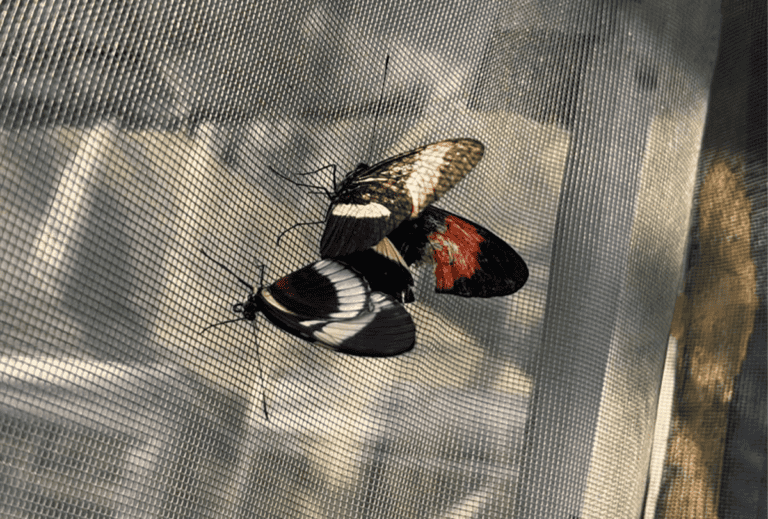
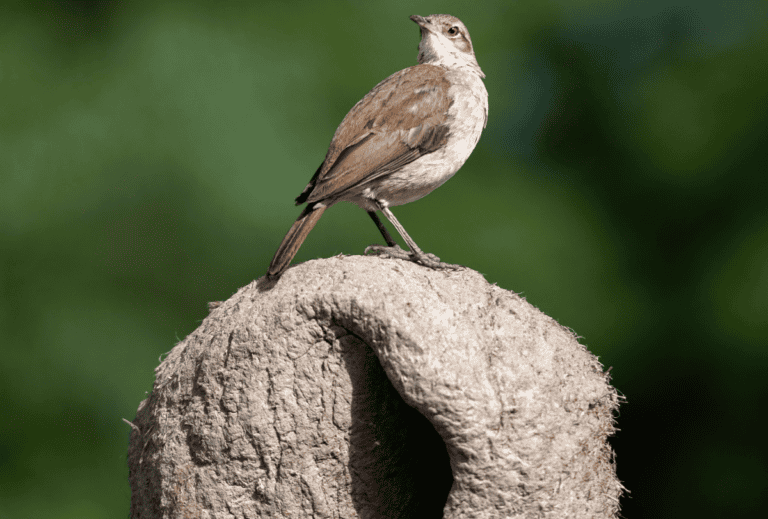
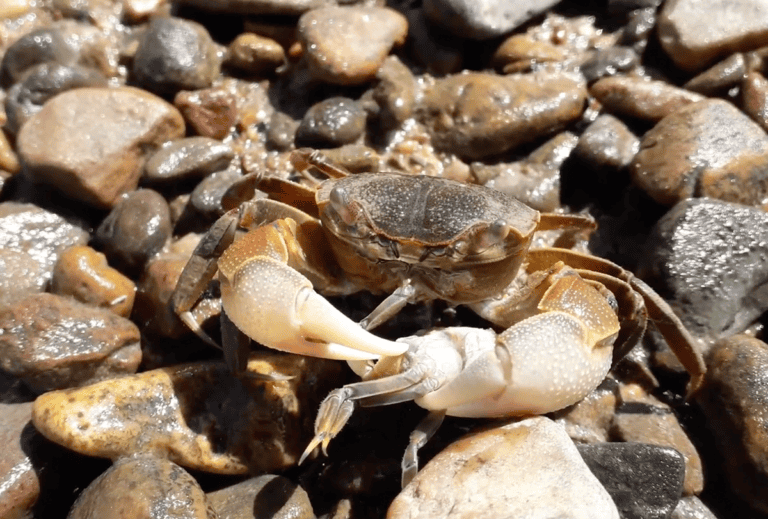
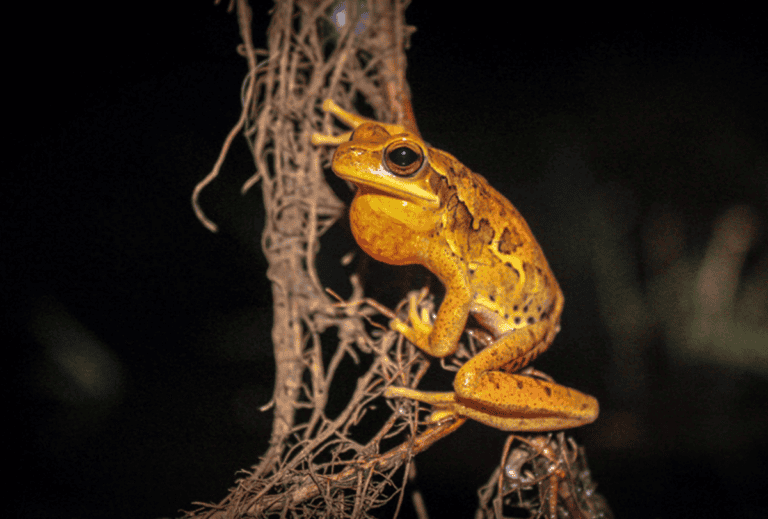
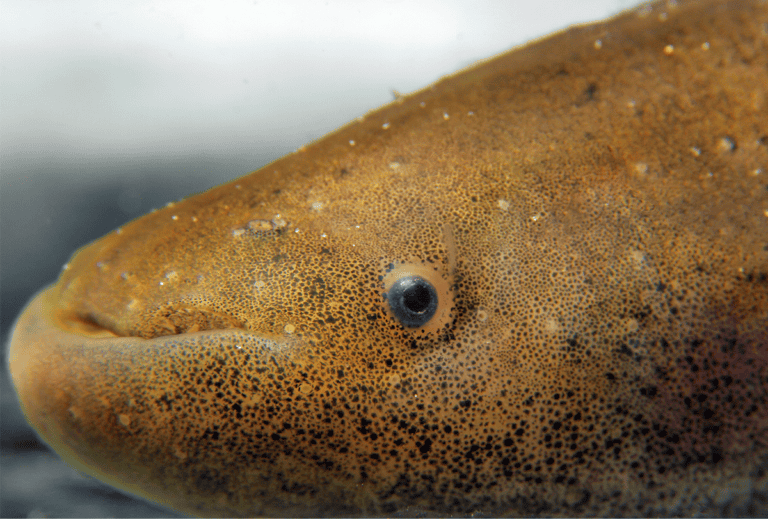
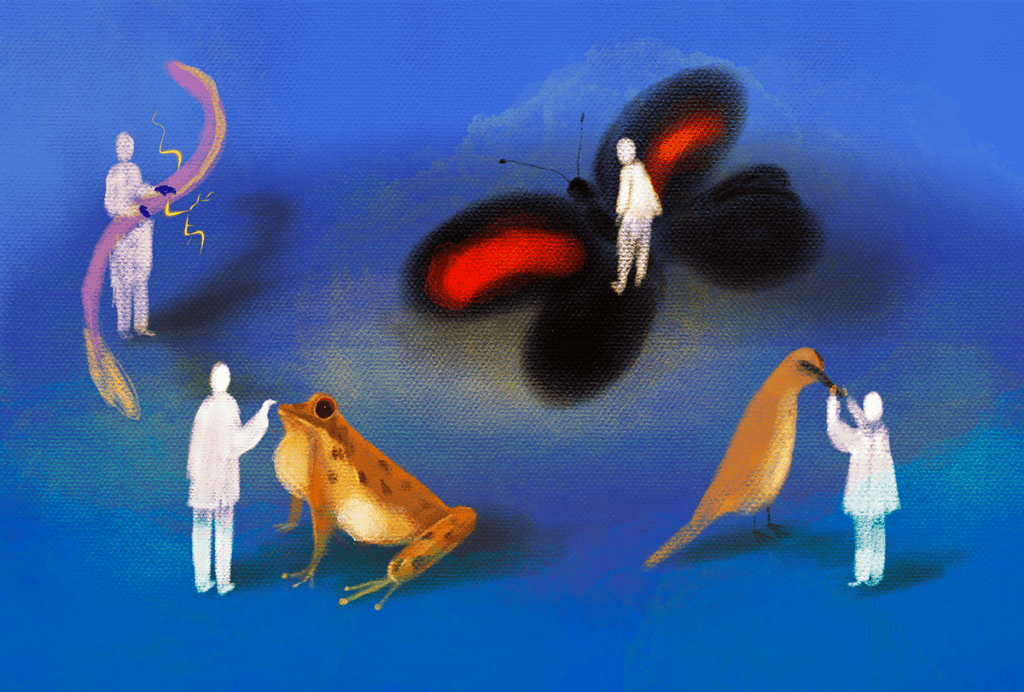
Scientists with giant animals: Frog, butterfly, electric fish and a bird.
Neuroethology

Latin America’s biodiversity fuels social behavior, cognition insights

Ovenbirds, electric fish, tree frogs and other regional fauna help neuroscientists ask novel research questions in the field.
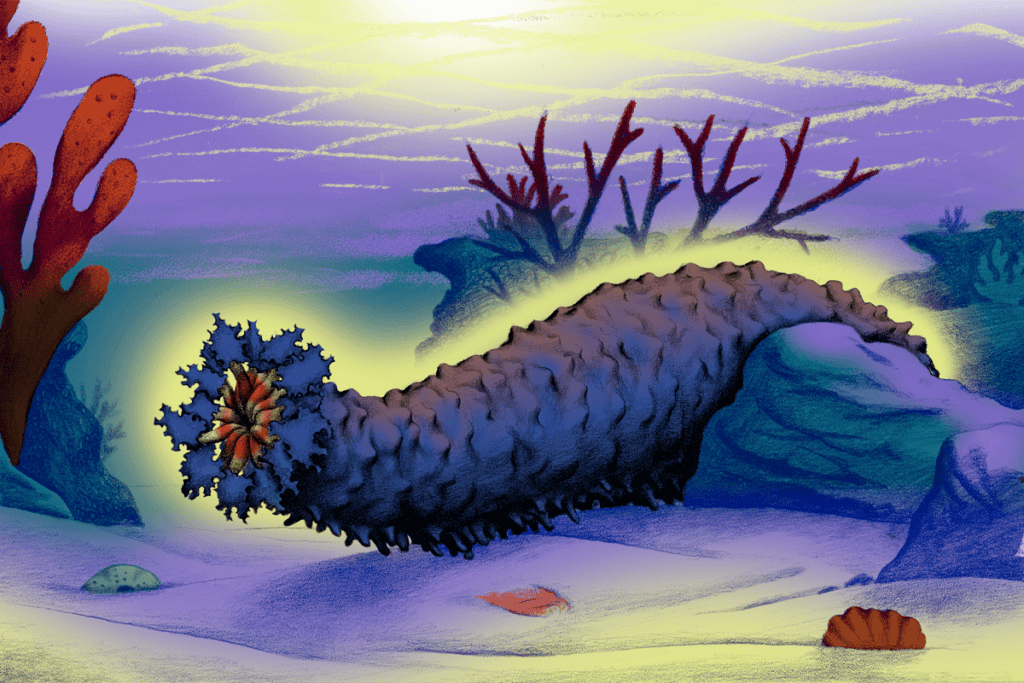
Neuro’s ark

Inside the sea cucumber’s regenerative superpowers

José E. García-Arrarás studies how these marine invertebrates manage to regrow their nervous system, intestines and other internal organs in a matter of months after threats prompt them to literally spill their guts.
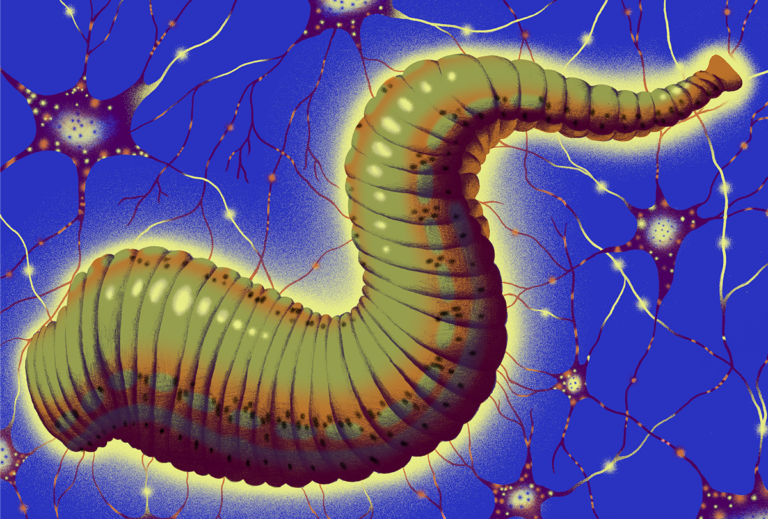
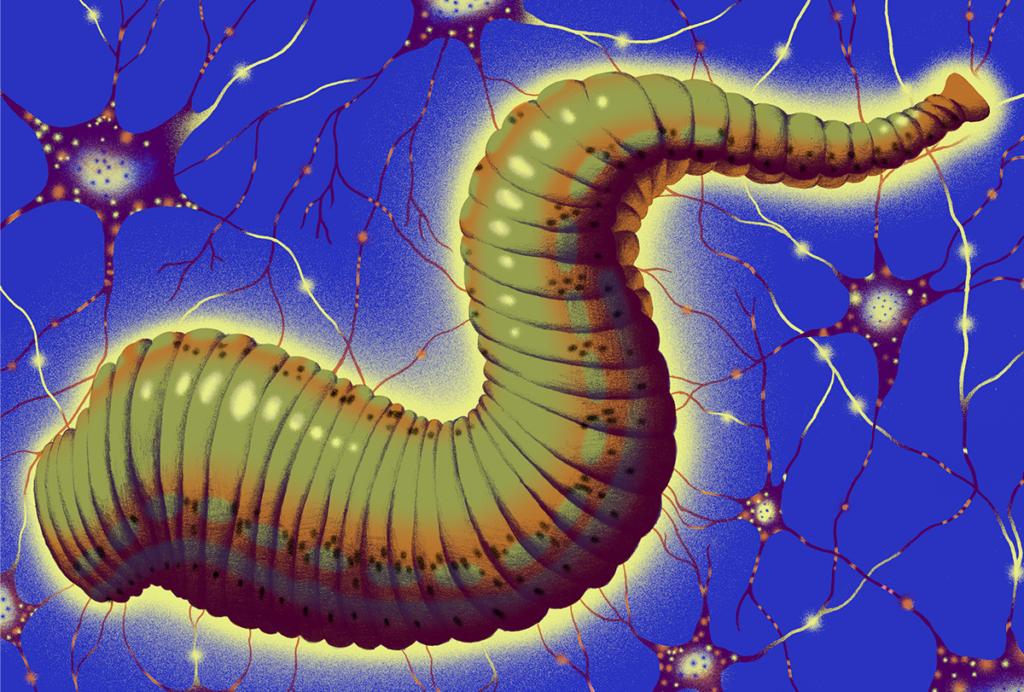
leech illustration.
Neuro’s ark

What leeches reveal about movement

Lidia Szczupak turned to the animals to explore how the nervous system coordinates movement.
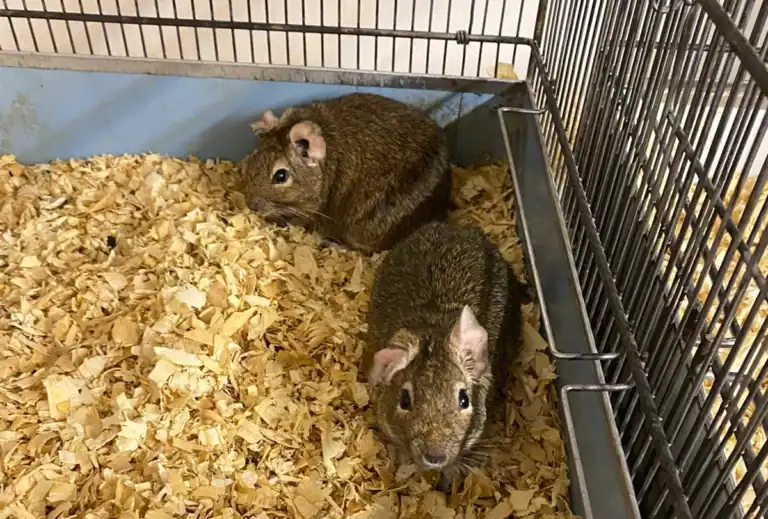
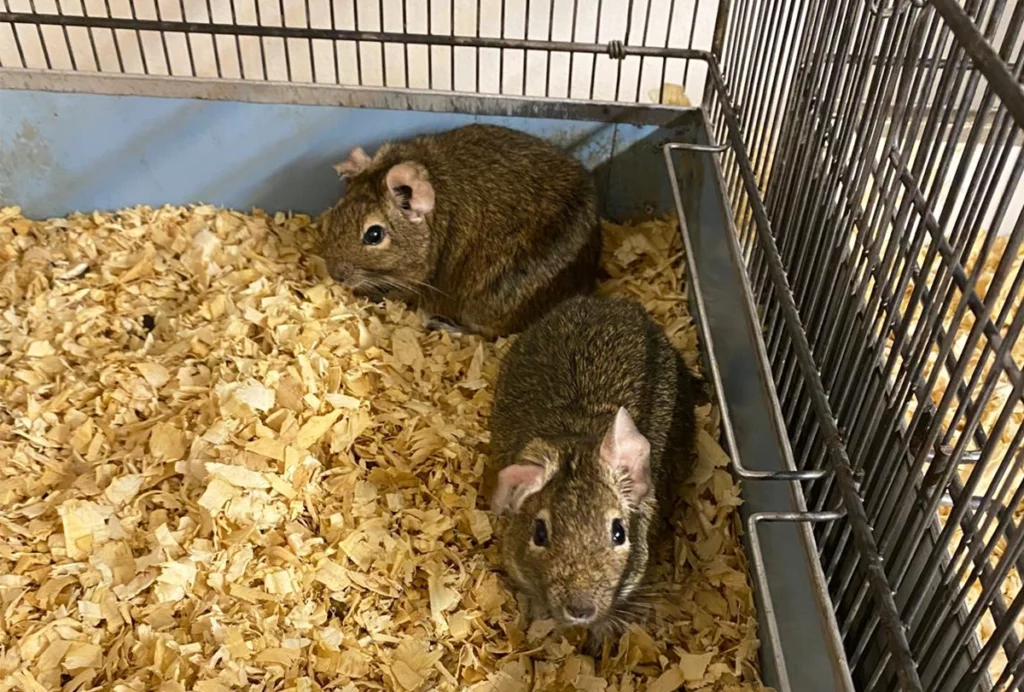
Picture of two Degus in a cage.
Animal models

How inbreeding almost tanked an up-and-coming model of Alzheimer’s disease

But new genetic analyses and behavioral assays have made the Chilean degu a viable model again, researchers say.

In the past few years I’ve had collaborations with investigators [in Latin America] that have gone really well. My intention is to strengthen what happens here because it’s so easy—we’re close to each other.

Paula Pouso, associate professor, Universidad de la República

Policy

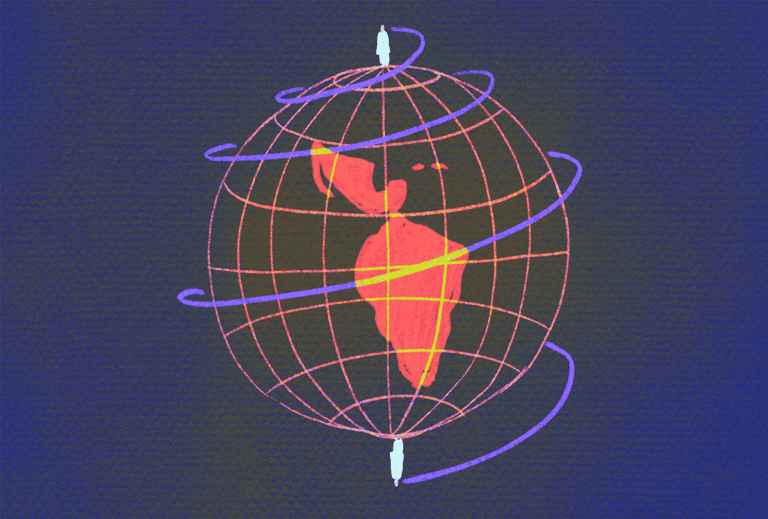
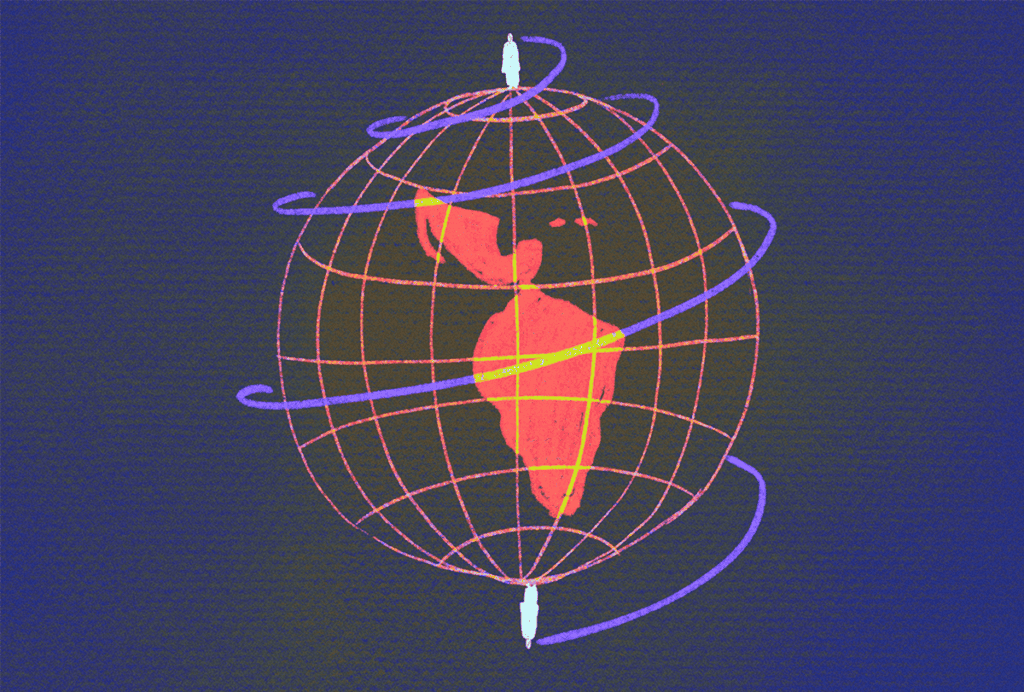
Illustration of the globe with 2 scientists each standing on the poles.
Science and society

How FALAN is building a thriving neuroscience community in Latin America

As the Federation of Latin American and Caribbean Neuroscience Societies Congress kicks off next week, its president shares how the organization aims to foster collaborations and provide high-quality training for young neuroscientists in the region.
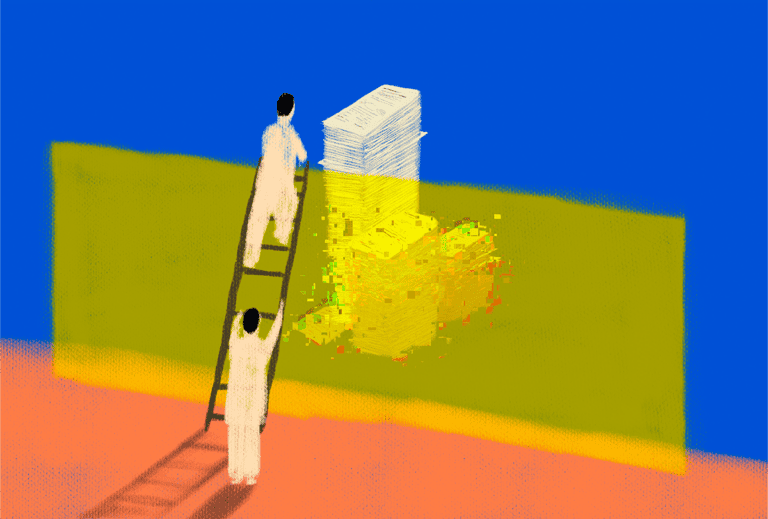
Illustration of scientists climbing over a barrier to reach publications.
Science and society

Scientific talent is global. Access to the world’s scientific stage is not.

Neuroscience in Chile, and across Latin America, does not lack talent or ideas, but the systems that make science visible—prestigious journals, conferences and networks—increasingly price its researchers out.
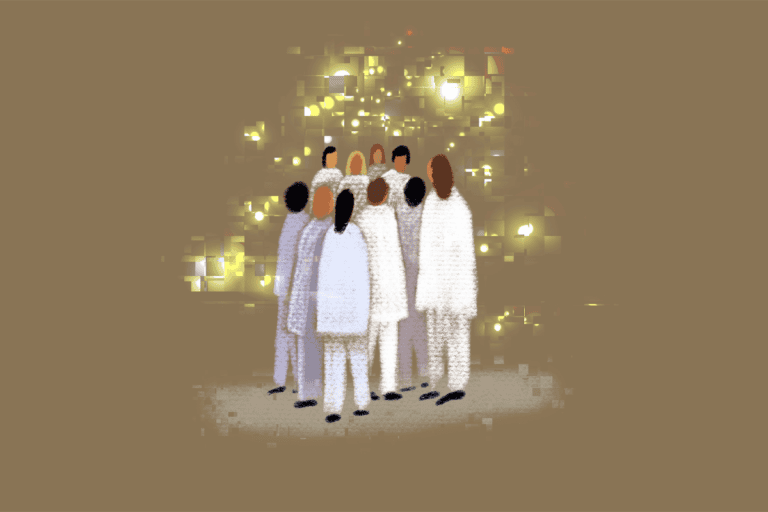
Pixelated researchers stand underneath floating lights.
Open neuroscience

The promise of open neuroscience for Latin America

Two Uruguayan researchers explain how their work on computational tools to decode breathing from mouse video recordings could spark more open science initiatives in Latin America.
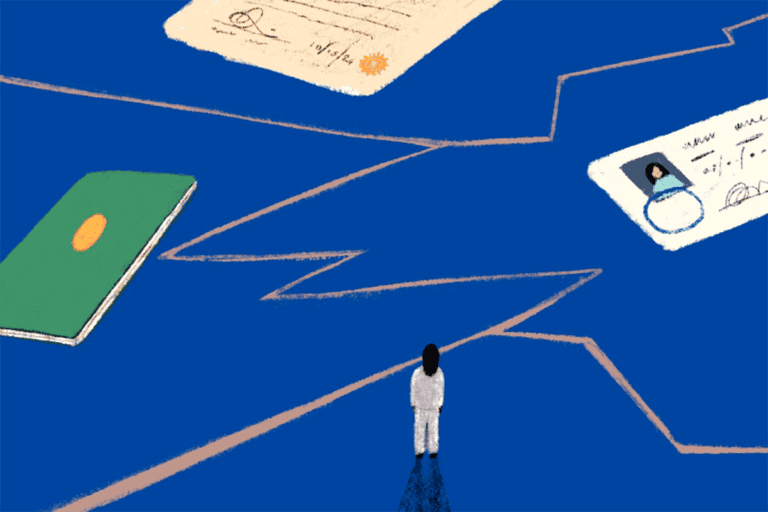
Illustration of scientist facing a fractured landscape.
Science and society

Redefining underrepresentation in global neuroscience

Shifting the focus of equity initiatives from identity categories to structural barriers can reveal overlooked challenges and increase support and participation worldwide.
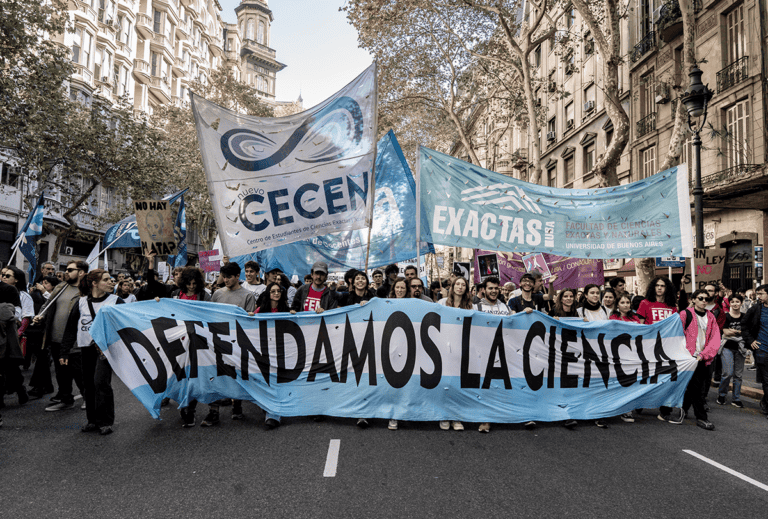
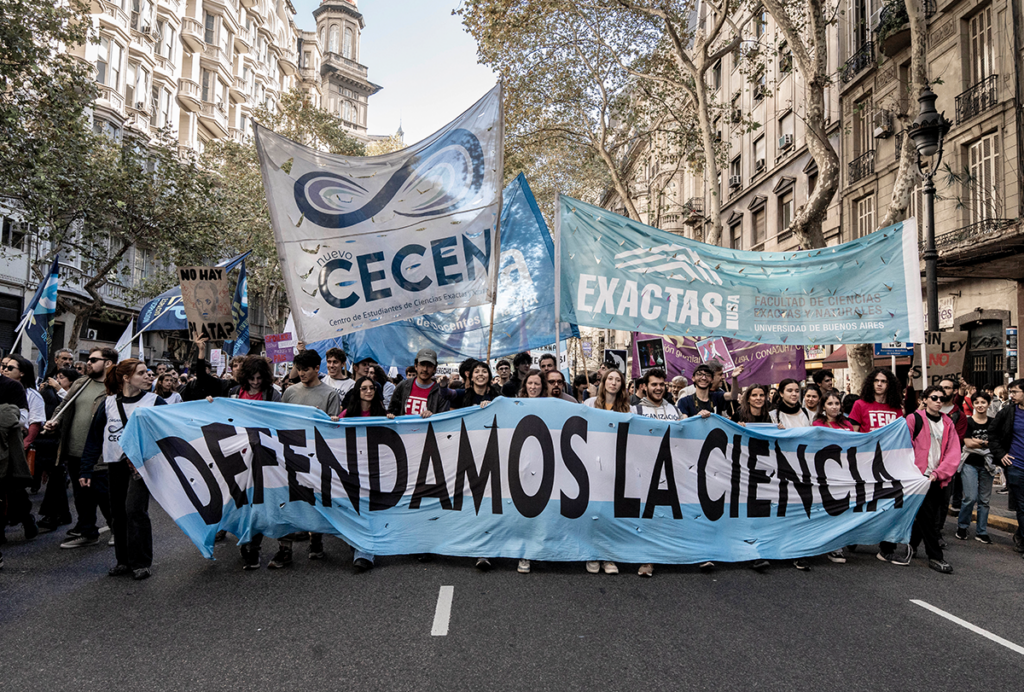
Demonstrators march down the street carrying a banner that reads defendamos la ciencia.
Funding

Argentine protesters condemn science funding shortfall

Demonstrators across the country called for the government to increase public university salaries and funding for scientific research.
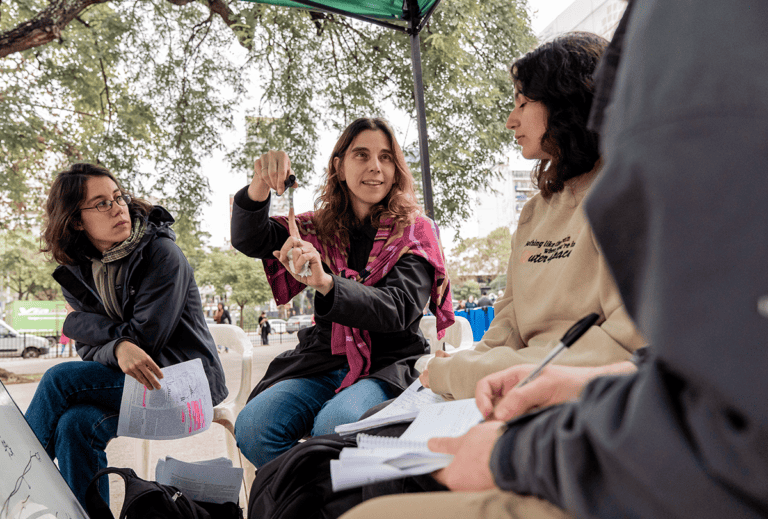
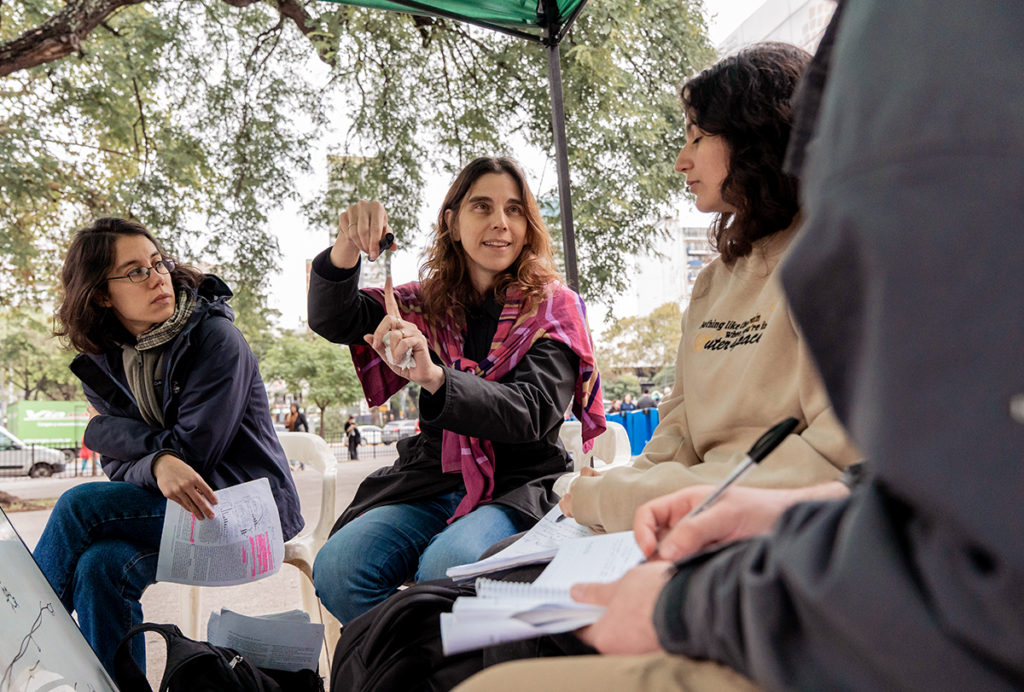
Neuroscientist Julieta Sztarker holds an open-air teach-in for the general public in Plaza Italia in Buenos Aires.
Funding

Funding crisis in Argentina sparks new wave of protests

Two years after the country’s research funding collapsed, scientists are demonstrating against the government’s failure to restore previously cut scholarships and increase salaries as required by a 2025 law.
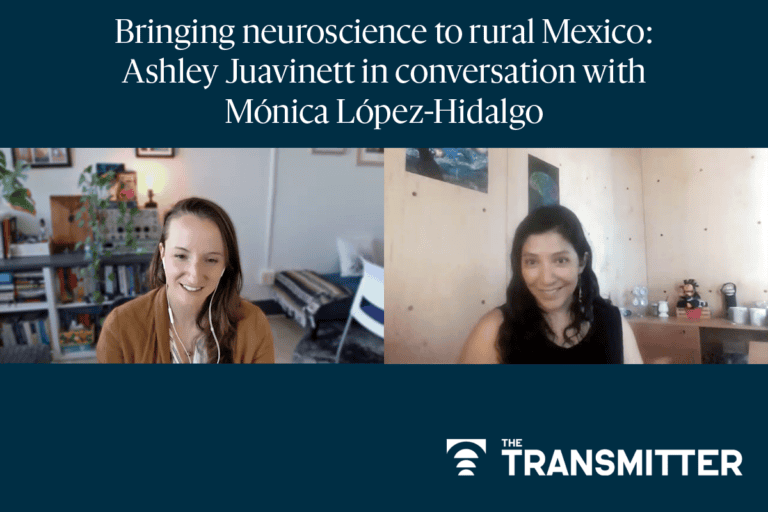
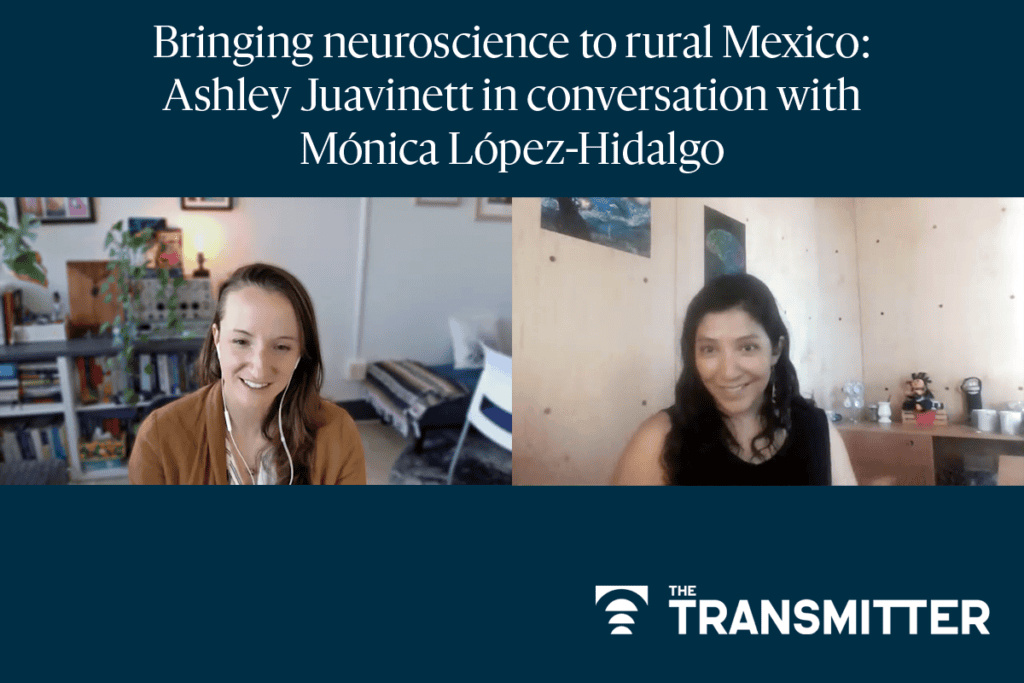
Thumbnail of Ashley Juavinett and Mónica López-Hidalgo in conversation.
Community

Bringing neuroscience to rural Mexico: In conversation with Mónica López-Hidalgo

By offering education and translating scientific terms into Indigenous languages, López-Hidalgo’s outreach program, Neurociencias Para Todos, provides schoolteachers with tools to bring neuroscience to their communities.
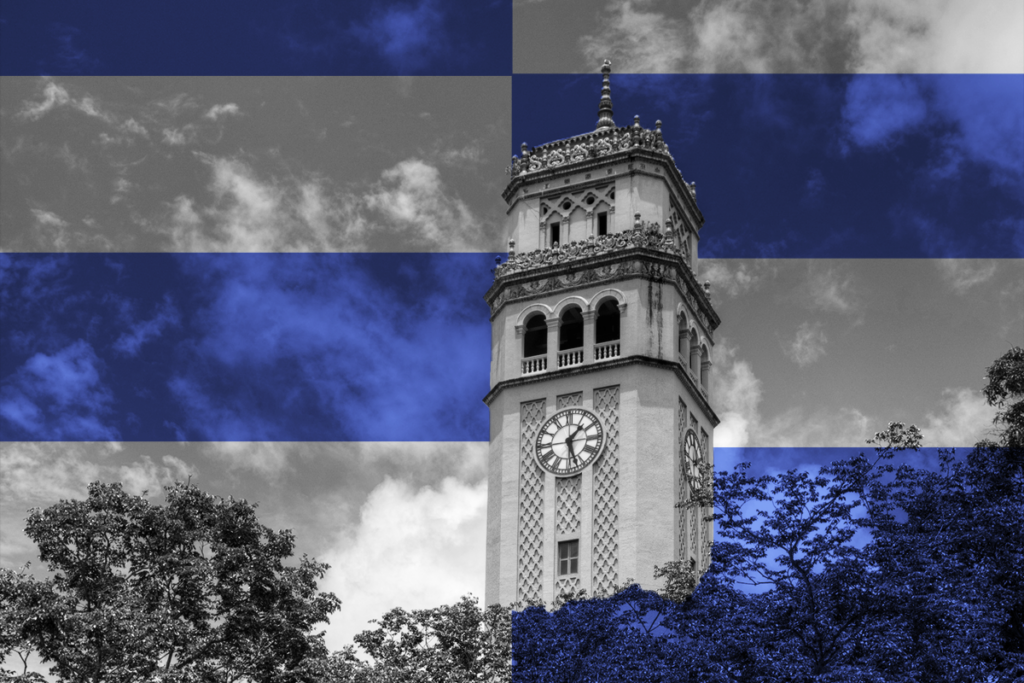
University of Puerto Rico building.
Funding

The future of neuroscience research at U.S. minority-serving institutions is in danger

Cuts to federally funded programs present an existential crisis for the University of Puerto Rico’s rich neuroscience community and for research at minority-serving institutions everywhere.

If you have the financial support, infrastructure, you can do very good science in Latin America. It’s just the lack of financial support and infrastructure to do research. That’s the only thing, it’s not a lack of expertise or smart people.

Iscia Lopes-Cendes, professor of medical genetics and head of the laboratory of molecular genetics, UNICAMP Universidade Estadual de Campinas

People

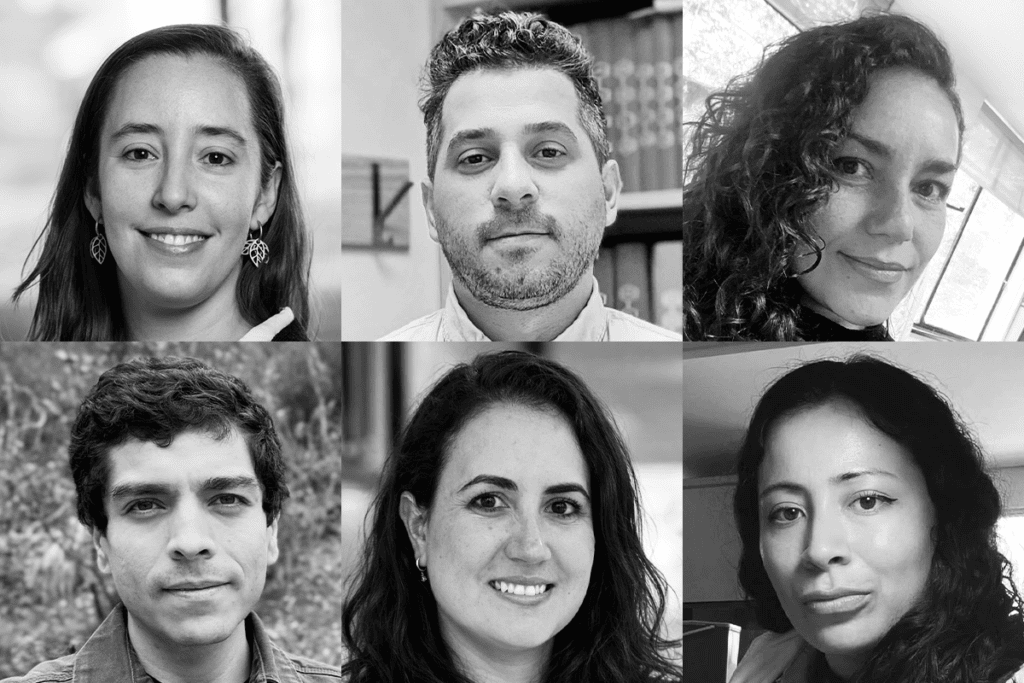
Headshots of the leaders of new labs in Latin America.
Community

The Transmitter’s directory of new labs in Latin America

Learn about early-career neuroscientists who have started new labs or independent lines of research in Latin America over the past five years.
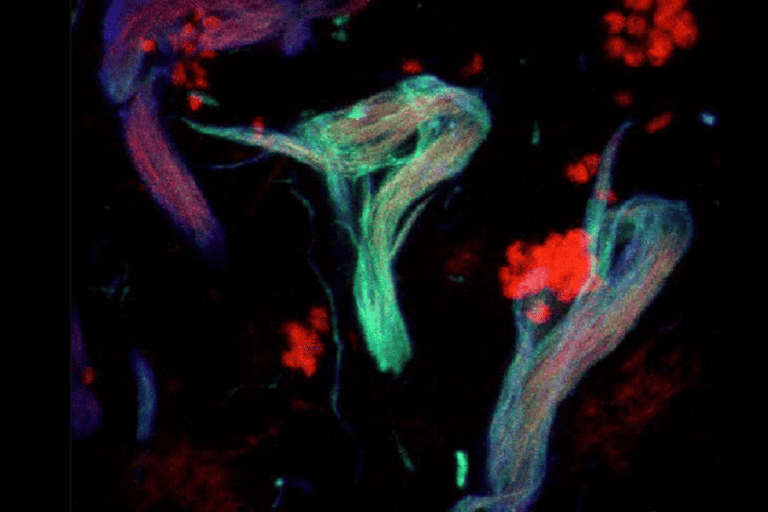
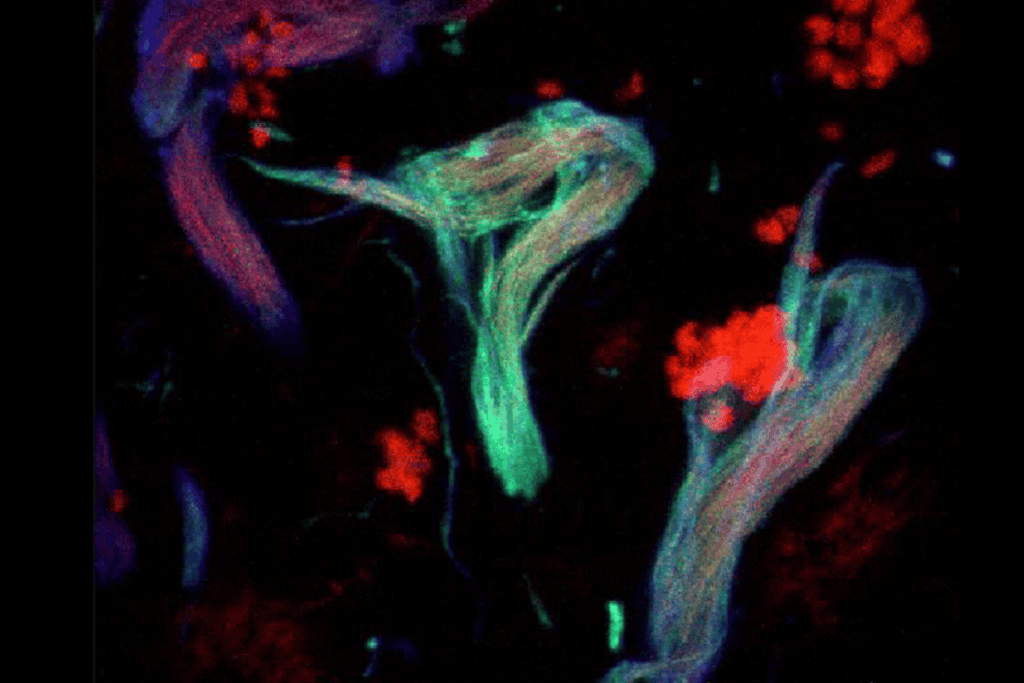
Stages of neurodegeneration: Neurofibrillary tangles at different stages of neurodegeneration are labeled with phosphorylated tau antibodies (green and blue).
Brain banks

Reimagining Mexico’s brain bank

Since Alzheimer’s disease researcher José Luna-Muñoz assumed leadership of the facility—Latin America’s oldest—in 2011, he has been acquiring additional tissue types and is working to expand donor recruitment to rural areas.
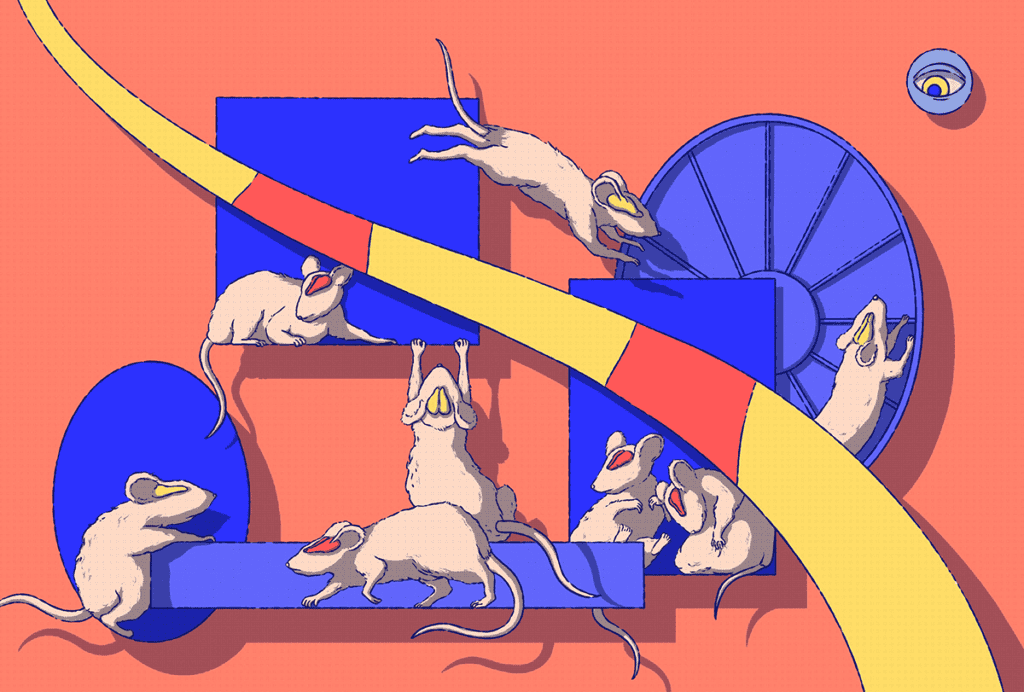
Mice playing, engaged in learning and memory: some of their brains are yellow, and some are red, matching a red and yellow legend that runs through the image to underscore both memory and learning.
This paper changed my life

This paper changed my life: A technical breakthrough for memory studies

In a 2007 Science paper, Mark Mayford and his colleagues found that some neurons activated during learning are also recruited during memory retrieval. Noelia Weisstaub shares how this study and others drove an era of great progress in tool development.
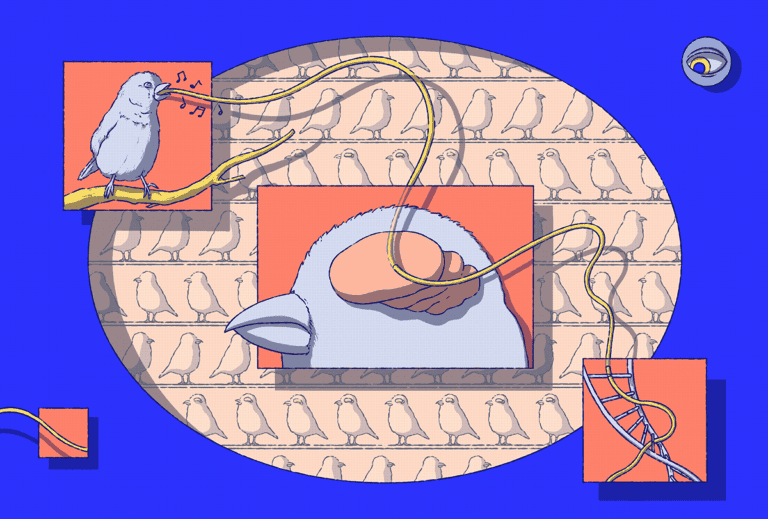
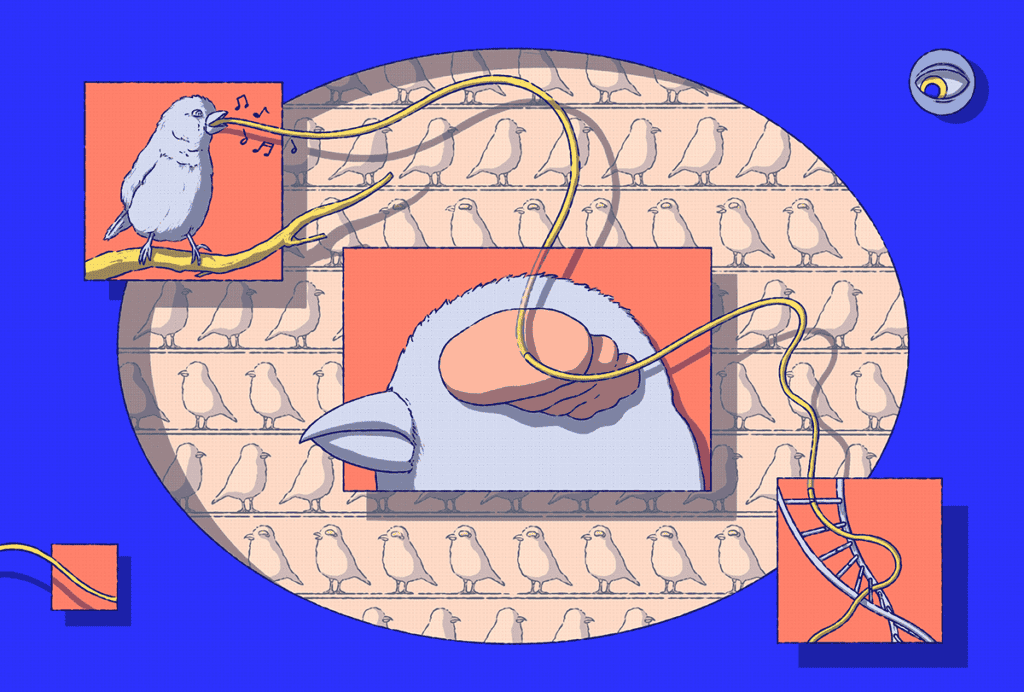
Illustration of birdsong, bird brain, and DNA.
This paper changed my life

This paper changed my life: Embracing an early model for naturalistic neuroscience

A 1992 PNAS paper showed how birdsong upregulates the expression of an immediate early gene in bird forebrains. The work revealed to Ribeiro the importance of studying molecular responses in naturalistic contexts.
Portrait of insect-cognition researcher Martin Giurfa.
Neuroethology

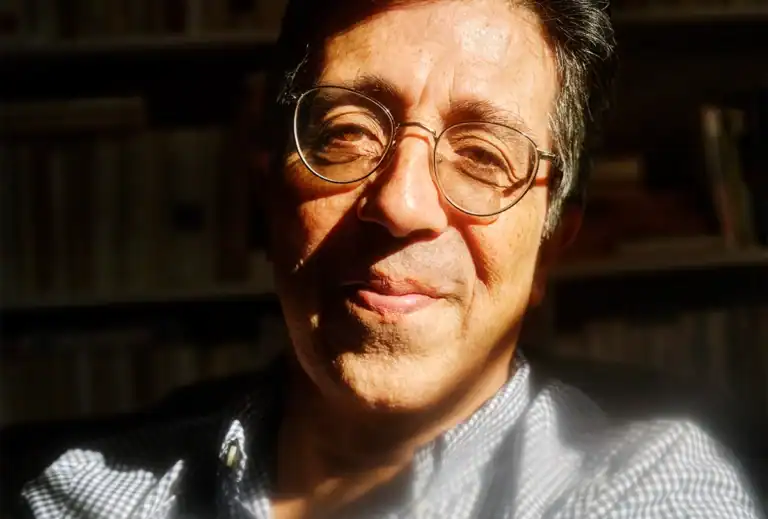
Martin Giurfa’s concept of home

The insect-cognition researcher has done his work across continents, but Argentina is never far from his mind.
Diego Bohorquez portrait on blue background.
Gut-brain

The big idea with Diego Bohórquez

His theories around the neuropod have challenged the boundaries of classic ideas regarding gut-brain communication.
Scientist Lucia Peixoto portrait.
Spectrum

Rising star: Lucia Peixoto, breaking down the interplay between sleep and autism

The young researcher from Uruguay uses her expertise in genetics — and discipline as a former athlete — to untangle sleep's role in neurodevelopmental conditions, one experiment at a time.

We collaborate among Latin American countries much less than we could, and we should be closer to our neighbors and try to do better. I know that we have a lot of problems, not only Brazil, Argentina, but everywhere, but I prefer to be positive.

Fernanda Tovar-Moll, Instituto D’Or de Pesquisa e Ensino

Past coverage of Latin America

Sign up for our weekly newsletter.

Catch up on recent coverage and get breaking news alerts.