Connectivity
Recent articles
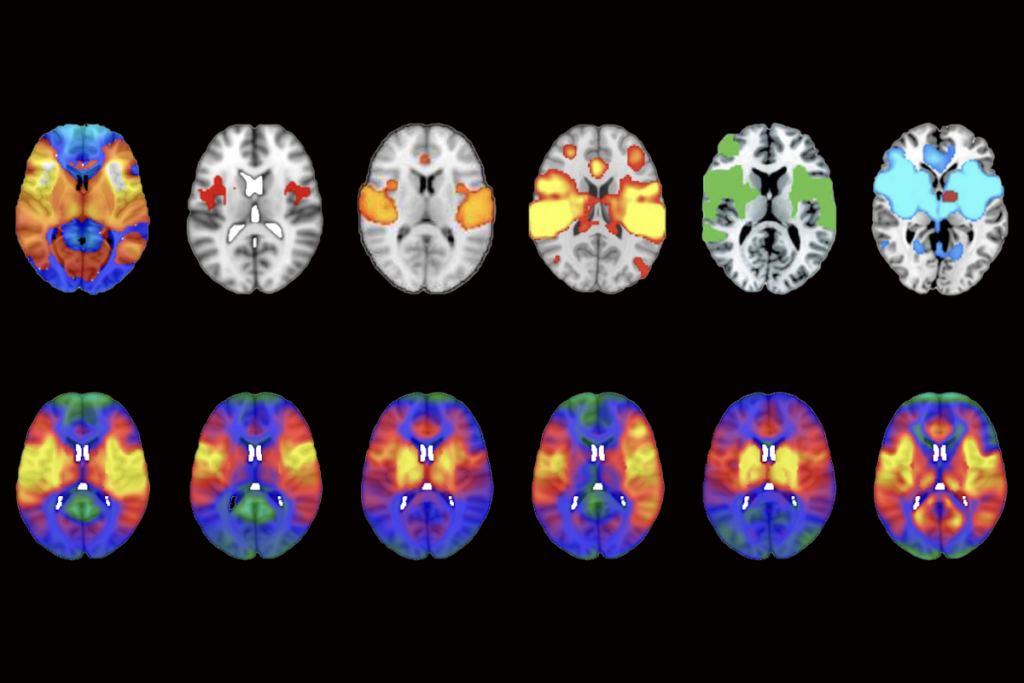
Methodological flaw may upend network mapping tool
The lesion network mapping method, used to identify disease-specific brain networks for clinical stimulation, produces a nearly identical network map for any given condition, according to a new study.
Methodological flaw may upend network mapping tool
The lesion network mapping method, used to identify disease-specific brain networks for clinical stimulation, produces a nearly identical network map for any given condition, according to a new study.
Tatiana Engel explains how to connect high-dimensional neural circuitry with low-dimensional cognitive functions
Neuroscientists have long sought to understand the relationship between structure and function in the vast connectivity and activity patterns in the brain. Engel discusses her modeling approach to discovering the hidden patterns that connect the two.
Tatiana Engel explains how to connect high-dimensional neural circuitry with low-dimensional cognitive functions
Neuroscientists have long sought to understand the relationship between structure and function in the vast connectivity and activity patterns in the brain. Engel discusses her modeling approach to discovering the hidden patterns that connect the two.
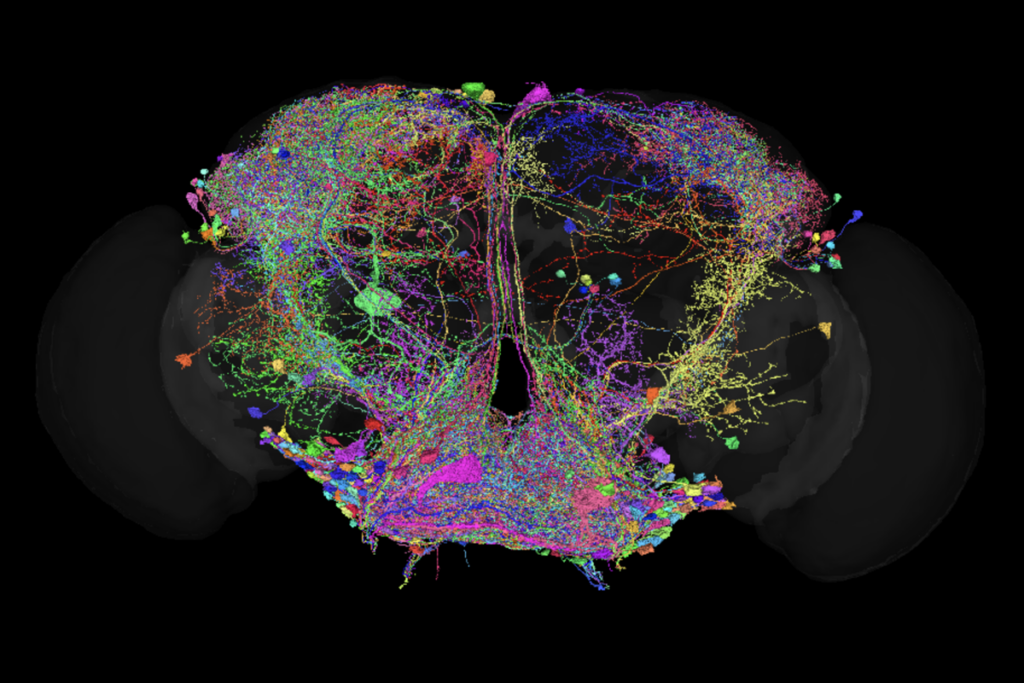
One year of FlyWire: How the resource is redefining Drosophila research
We asked nine neuroscientists how they are using FlyWire data in their labs, how the connectome has transformed the field and what new tools they would like to see in the future.
One year of FlyWire: How the resource is redefining Drosophila research
We asked nine neuroscientists how they are using FlyWire data in their labs, how the connectome has transformed the field and what new tools they would like to see in the future.
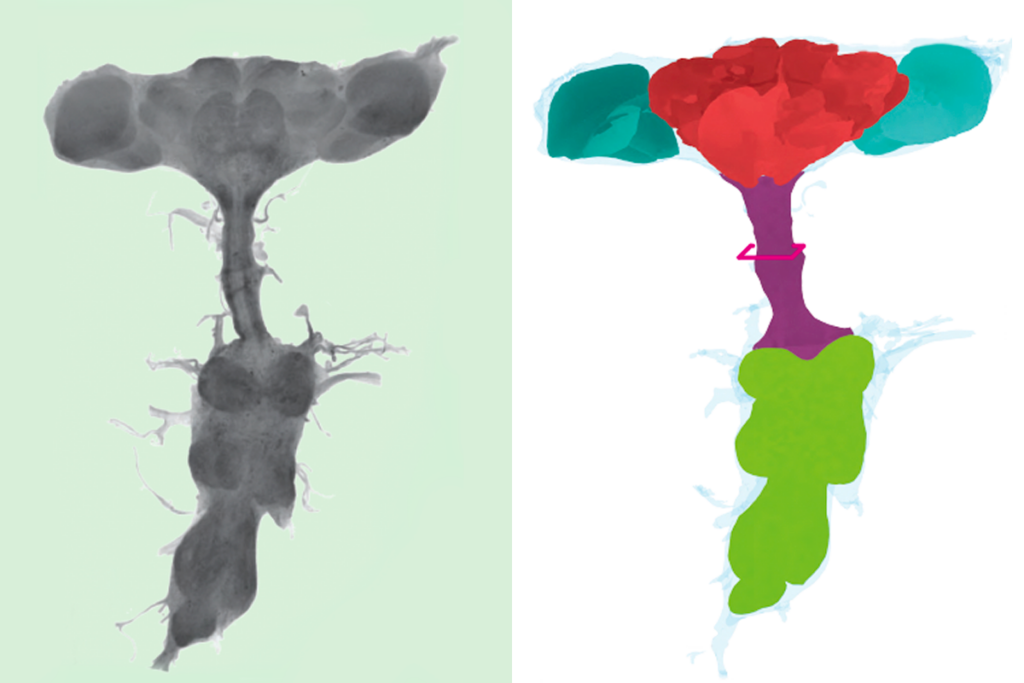
Local circuit loops within body control fly behavior, new ‘embodied’ connectome reveals
The mapping, which traces how the central nervous system interacts with the rest of the body, challenges the idea that behavior control is centralized.
Local circuit loops within body control fly behavior, new ‘embodied’ connectome reveals
The mapping, which traces how the central nervous system interacts with the rest of the body, challenges the idea that behavior control is centralized.
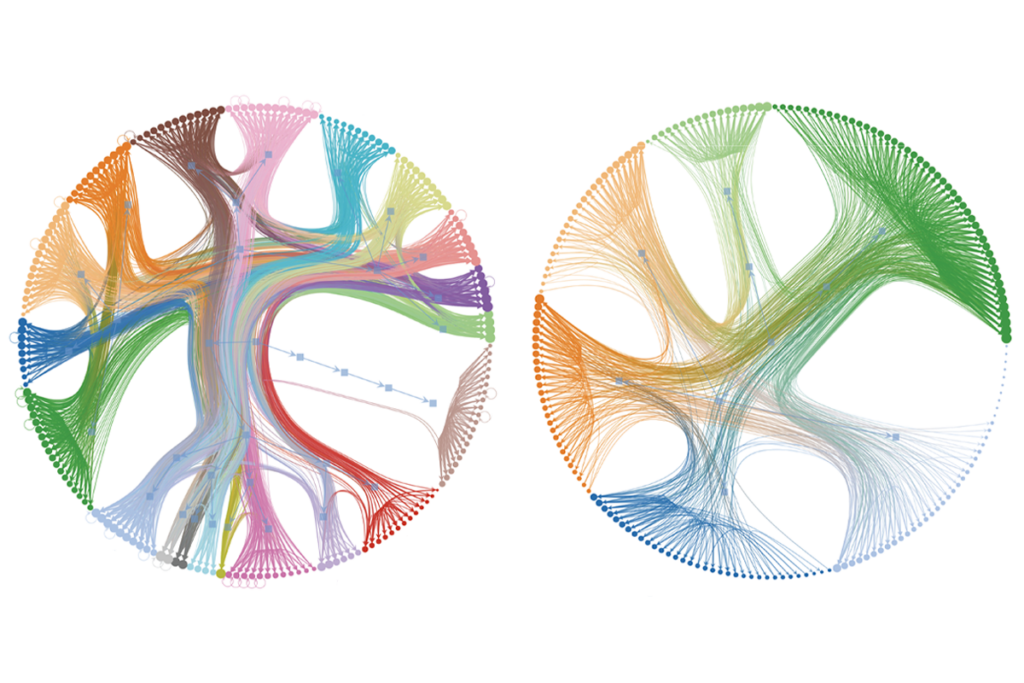
Worms help untangle brain structure/function mystery
The synaptic connectome of most animals bears little resemblance to functional brain maps, but it can still predict neuronal activity, according to two preprints that tackle the puzzle in C. elegans.
Worms help untangle brain structure/function mystery
The synaptic connectome of most animals bears little resemblance to functional brain maps, but it can still predict neuronal activity, according to two preprints that tackle the puzzle in C. elegans.
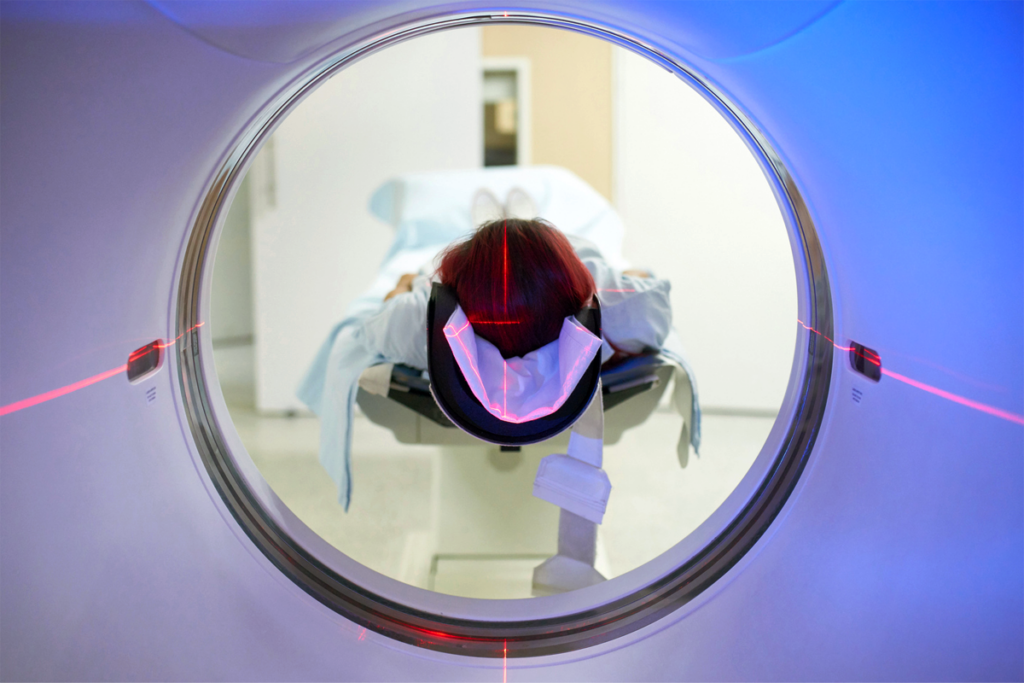
Longer fMRI brain scans boost reliability—but only to a point
Around 30 minutes of imaging per person seems to be the “sweet spot” for linking functional connectivity differences to traits in an accurate and cost-effective way.
Longer fMRI brain scans boost reliability—but only to a point
Around 30 minutes of imaging per person seems to be the “sweet spot” for linking functional connectivity differences to traits in an accurate and cost-effective way.
Learning in living mice defies classic synaptic plasticity rule
Donald Hebb’s theory—memorably summarized as “cells that fire together, wire together”—does not explain the shifting hippocampal connections in mice learning to navigate a virtual environment, according to a new study.
Learning in living mice defies classic synaptic plasticity rule
Donald Hebb’s theory—memorably summarized as “cells that fire together, wire together”—does not explain the shifting hippocampal connections in mice learning to navigate a virtual environment, according to a new study.
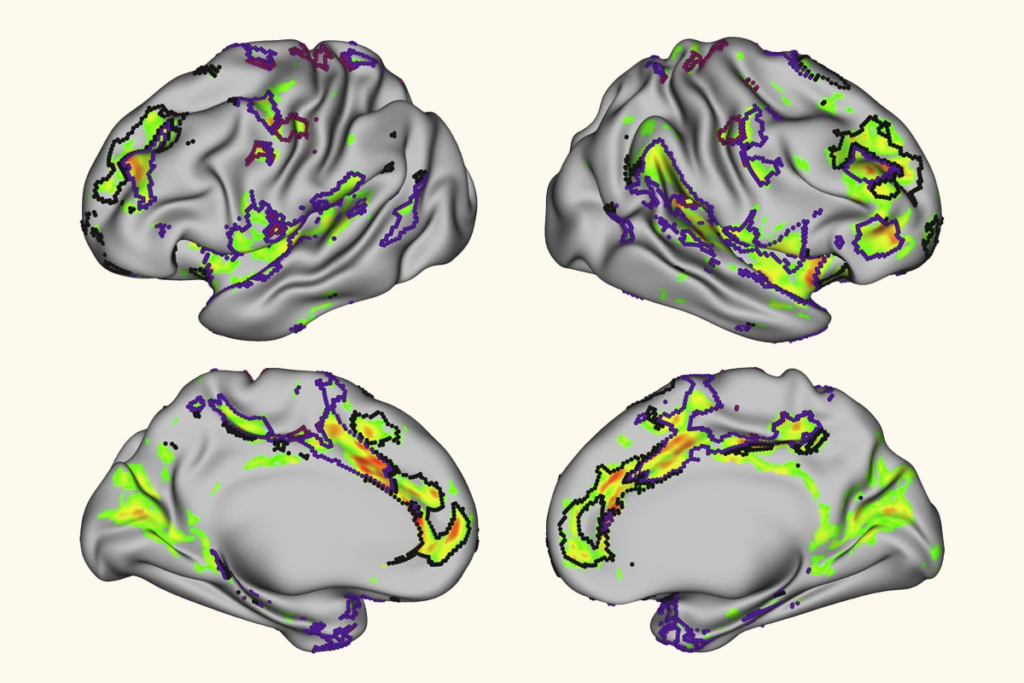
‘Ancient’ brainstem structure evolved beyond basic motor control
The human red nucleus may also help coordinate action, reward and motivated behavior, a new study suggests.
‘Ancient’ brainstem structure evolved beyond basic motor control
The human red nucleus may also help coordinate action, reward and motivated behavior, a new study suggests.
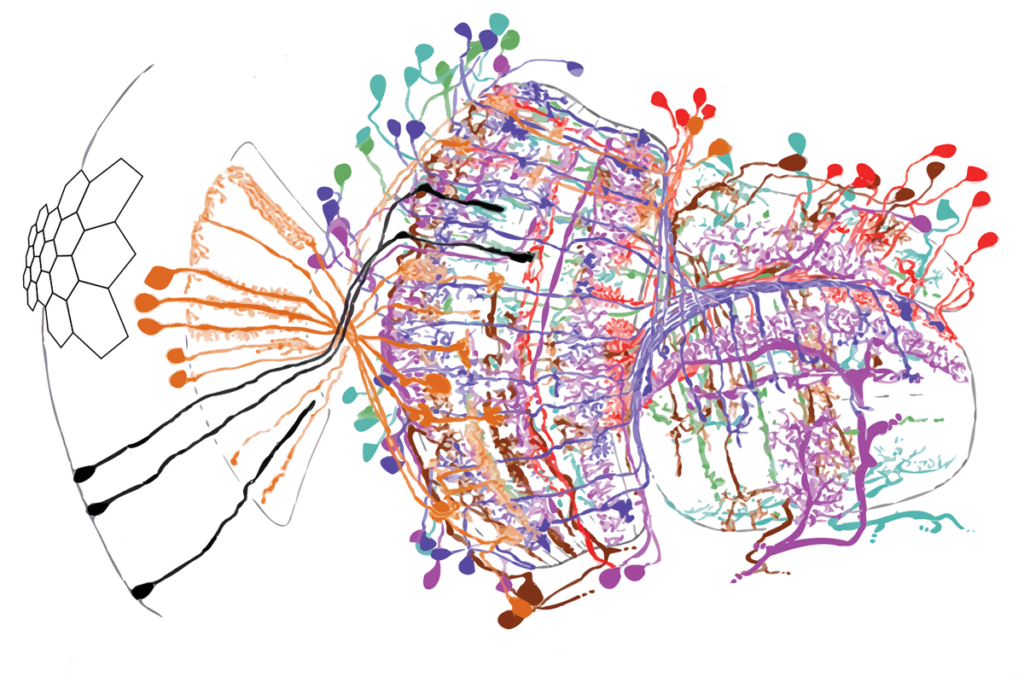
Connectomics 2.0: Simulating the brain
With a complete fly connectome in hand, researchers are taking the next step to model how brain circuits fuel function.
Connectomics 2.0: Simulating the brain
With a complete fly connectome in hand, researchers are taking the next step to model how brain circuits fuel function.
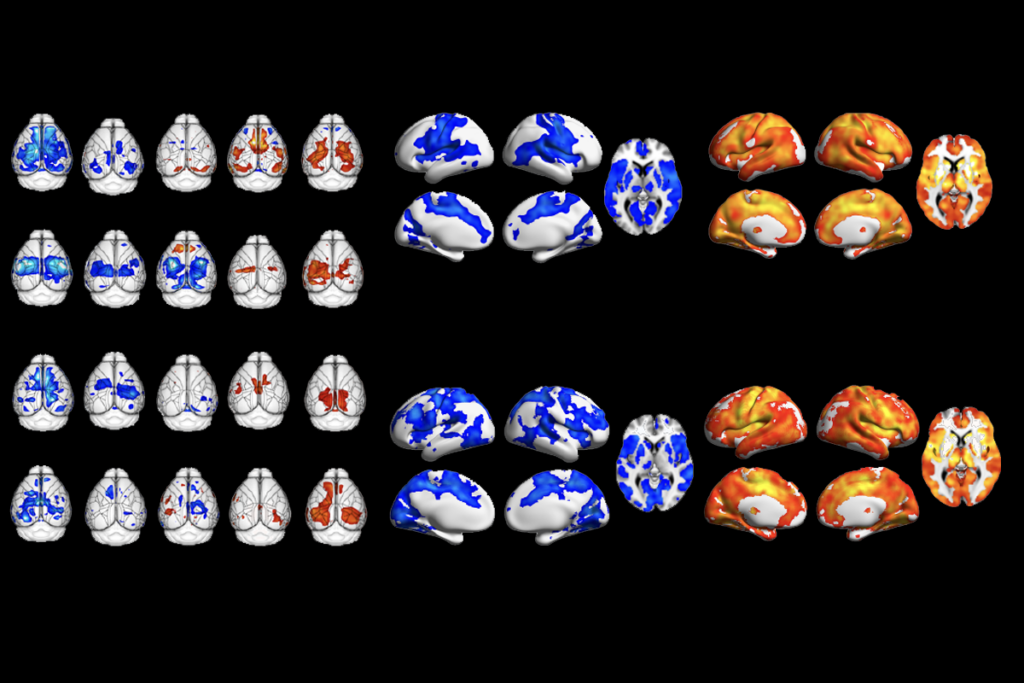
Too much or too little brain synchrony may underlie autism subtypes
Functional connectivity differences in autism mouse models point to two subtypes that correspond to patterns seen in some people with the condition.
Too much or too little brain synchrony may underlie autism subtypes
Functional connectivity differences in autism mouse models point to two subtypes that correspond to patterns seen in some people with the condition.
Explore more from The Transmitter
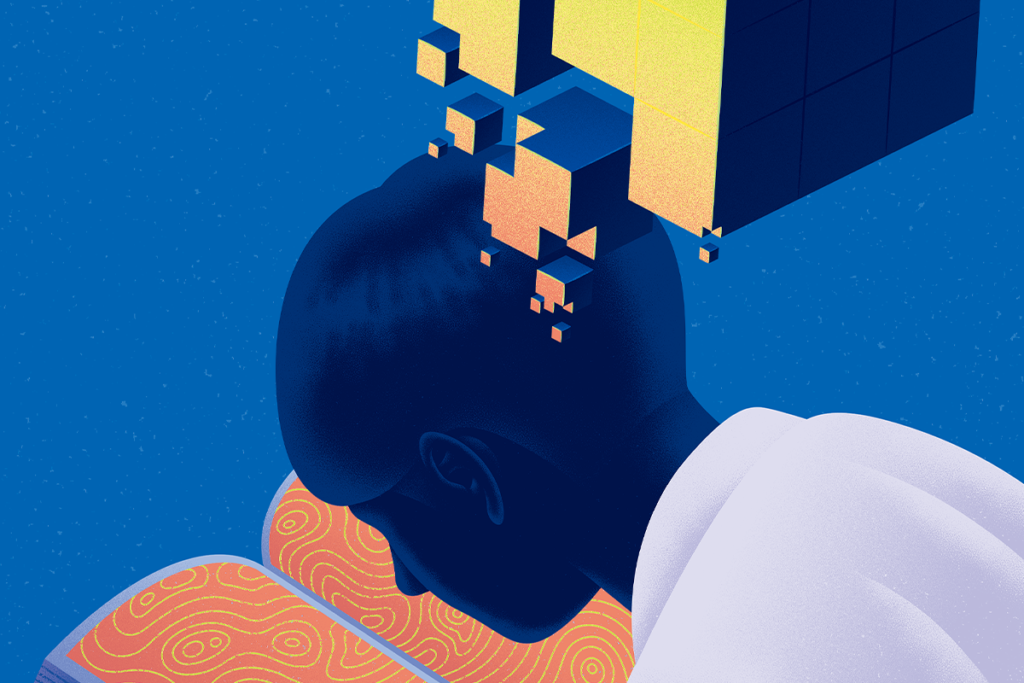
Error equation predicts brain’s ability to generalize
Four statistical measurements of neural network geometry capture how well brains and artificial networks use what they already know to solve new problems, a study suggests.
Error equation predicts brain’s ability to generalize
Four statistical measurements of neural network geometry capture how well brains and artificial networks use what they already know to solve new problems, a study suggests.

Embrace complexity to improve the translatability of basic neuroscience
Researchers must learn to view heterogeneity as an essential feature of the systems they study and a central consideration in experimental design, not a variable to control for or reduce.
Embrace complexity to improve the translatability of basic neuroscience
Researchers must learn to view heterogeneity as an essential feature of the systems they study and a central consideration in experimental design, not a variable to control for or reduce.
Romain Brette reveals fundamental flaws in commonly assumed neuroscience concepts
His new book, “The Brain, In Theory,” offers alternatives to many of the computer science frameworks currently driving theoretical neuroscience.
Romain Brette reveals fundamental flaws in commonly assumed neuroscience concepts
His new book, “The Brain, In Theory,” offers alternatives to many of the computer science frameworks currently driving theoretical neuroscience.