Natalia Mesa is a reporter for The Transmitter, covering funding trends, neurogenetics and neural coding. Before joining The Transmitter in 2025, she was a fellow at High Country News and freelanced for National Geographic, Science, The Scientist and elsewhere.
Natalia Mesa
Reporter
The Transmitter
From this contributor
Revealing how crabs make their escape
By
Natalia Mesa
28 August 2026 | 0 min watch
Discovering how butterflies choose their mate
By
Natalia Mesa
28 August 2026 | 0 min watch
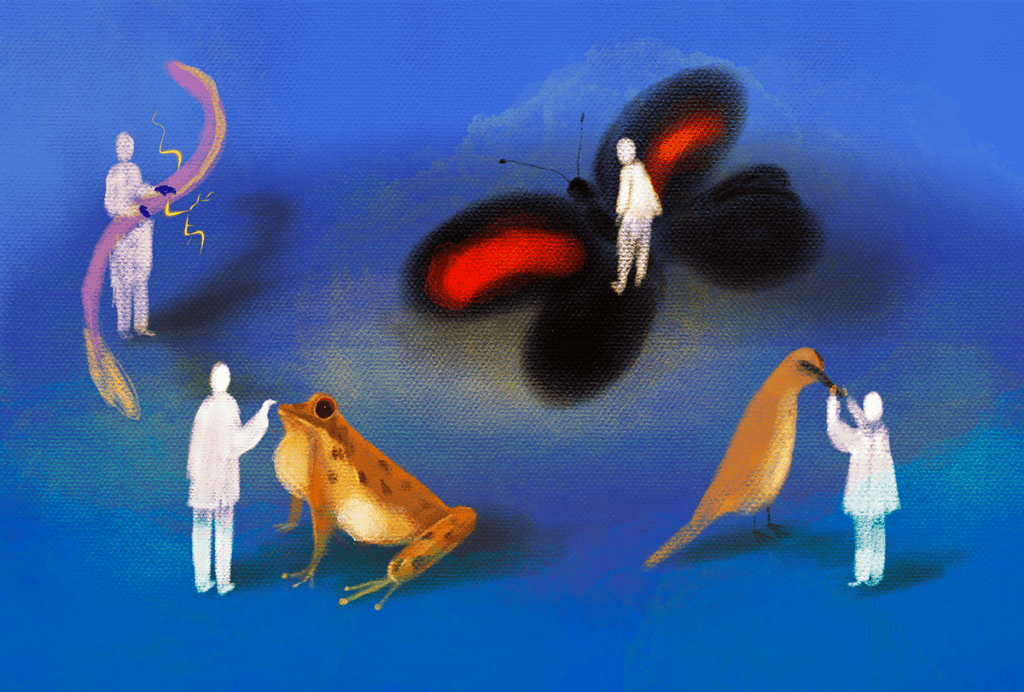
Descobrindo como as borboletas escolhem seus parceiros
By
Natalia Mesa
28 August 2026 | 0 min watch
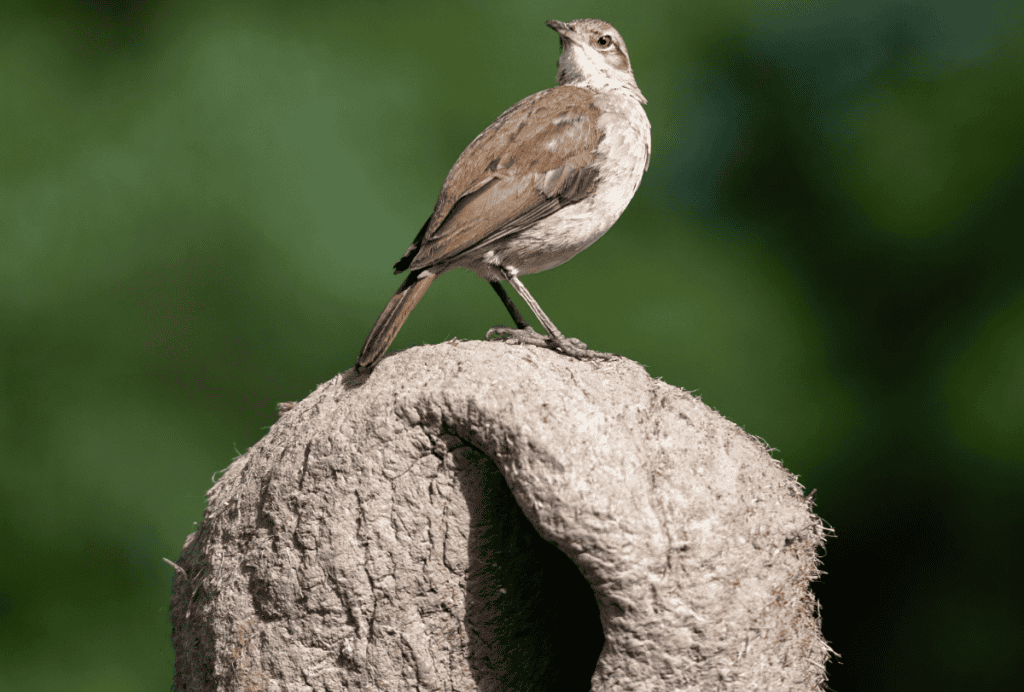
Identificando o que torna o canto de uma ave único
By
Natalia Mesa
28 August 2026 | 4 min read
Education
- Ph.D. in neuroscience, University of Washington
- B.A. in biological sciences, Cornell University
Explore more from The Transmitter
Sylvia Fogel, reshaping U.S. autism research strategy
In a wide-ranging and provocative interview, the chair of the federal Interagency Autism Coordinating Committee shares her views on vaccines, regression, neuroimmune conditions and more.
Sylvia Fogel, reshaping U.S. autism research strategy
In a wide-ranging and provocative interview, the chair of the federal Interagency Autism Coordinating Committee shares her views on vaccines, regression, neuroimmune conditions and more.
By
Brady Huggett
17 September 2026 | 1 min read
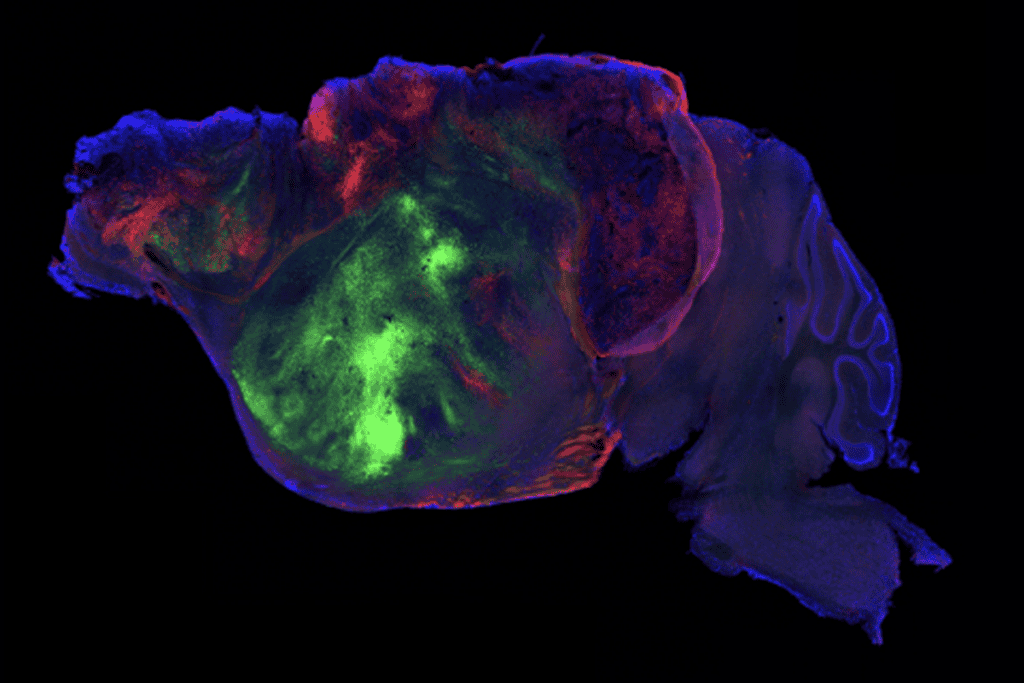
Human brain organoids flourish in emptied mouse cortex
The chimeric mice could help untangle the biology of human brain development or conditions such as autism.
Human brain organoids flourish in emptied mouse cortex
The chimeric mice could help untangle the biology of human brain development or conditions such as autism.
By
Brianna Abbott
16 September 2026 | 6 min read
What if Hegel were a neuroscientist?
Andrea Gambarotto shares what Hegel and enactivism have in common: an agency-first approach to understanding minds and brains.
What if Hegel were a neuroscientist?
Andrea Gambarotto shares what Hegel and enactivism have in common: an agency-first approach to understanding minds and brains.
By
Paul Middlebrooks
16 September 2026 | 1 min read