Face processing
Recent articles
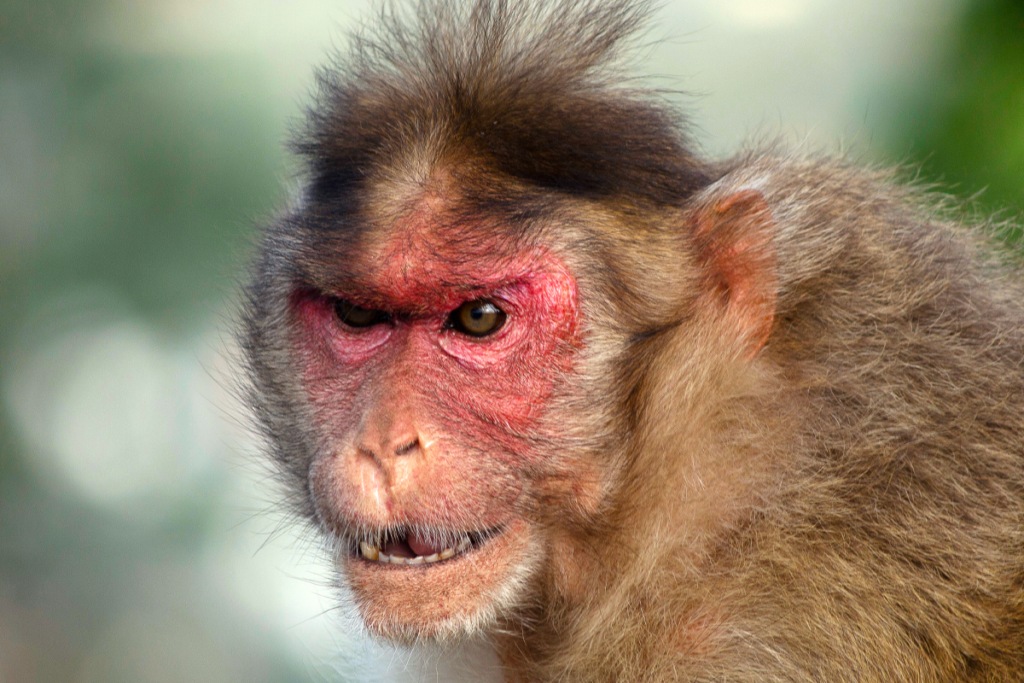
Some facial expressions are less reflexive than previously thought
A countenance such as a grimace activates many of the same cortical pathways as voluntary facial movements.
Some facial expressions are less reflexive than previously thought
A countenance such as a grimace activates many of the same cortical pathways as voluntary facial movements.

What are the most-cited neuroscience papers from the past 30 years?
Highly cited papers reflect the surge in artificial-intelligence research in the field and other technical advances, plus prizewinning work on analgesics, the fusiform face area and ion channels.
What are the most-cited neuroscience papers from the past 30 years?
Highly cited papers reflect the surge in artificial-intelligence research in the field and other technical advances, plus prizewinning work on analgesics, the fusiform face area and ion channels.
The case for redefining ‘theory of mind’: Q&A with François Quesque
In a new commentary, Quesque and 44 experts in neuroscience and psychology propose a standardized lexicon for research on the attribution of mental states.
The case for redefining ‘theory of mind’: Q&A with François Quesque
In a new commentary, Quesque and 44 experts in neuroscience and psychology propose a standardized lexicon for research on the attribution of mental states.
Newly found circuit through visual cortex powers first look at faces
The superior colliculus, an evolutionarily ancient brain area responsible for eye movements, responds to faces before the canonical face areas do, a study of macaque monkeys suggests.
Newly found circuit through visual cortex powers first look at faces
The superior colliculus, an evolutionarily ancient brain area responsible for eye movements, responds to faces before the canonical face areas do, a study of macaque monkeys suggests.

2024 Kavli Prize awarded for research on face-selective brain areas
Studies by Nancy Kanwisher, Winrich Freiwald and Doris Tsao revealed how the brains of humans and other primates identify faces and helped establish an understanding of brain specialization.
2024 Kavli Prize awarded for research on face-selective brain areas
Studies by Nancy Kanwisher, Winrich Freiwald and Doris Tsao revealed how the brains of humans and other primates identify faces and helped establish an understanding of brain specialization.

New tablet-based tools to spot autism draw excitement — and questions
Handheld devices promise to bring autism detection home, but many researchers urge caution.
New tablet-based tools to spot autism draw excitement — and questions
Handheld devices promise to bring autism detection home, but many researchers urge caution.
Autism research hits the road
Some scientists are thinking creatively about how to collect data in flexible environments and meet communities where they’re at.
Autism research hits the road
Some scientists are thinking creatively about how to collect data in flexible environments and meet communities where they’re at.
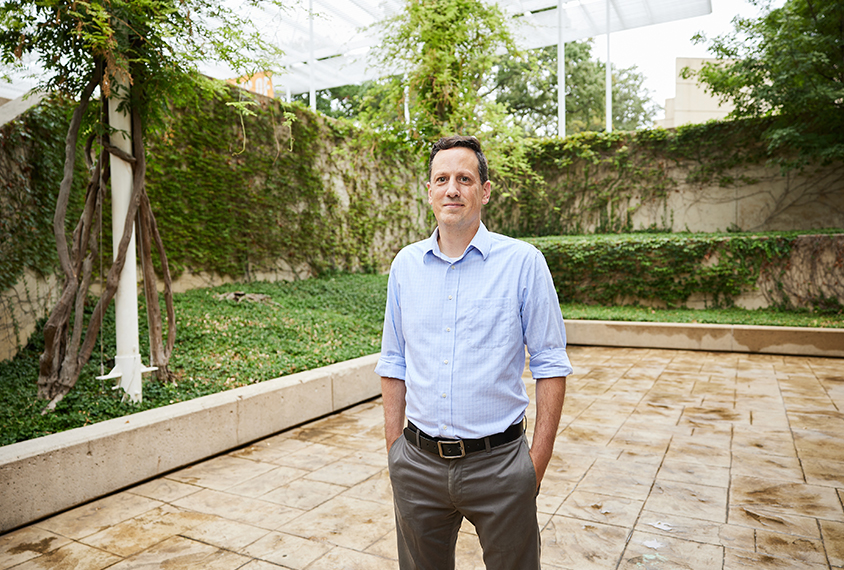
Noah Sasson: Connecting with the autistic community
Intentional interactions with autistic people led Sasson to refocus his research.
Noah Sasson: Connecting with the autistic community
Intentional interactions with autistic people led Sasson to refocus his research.
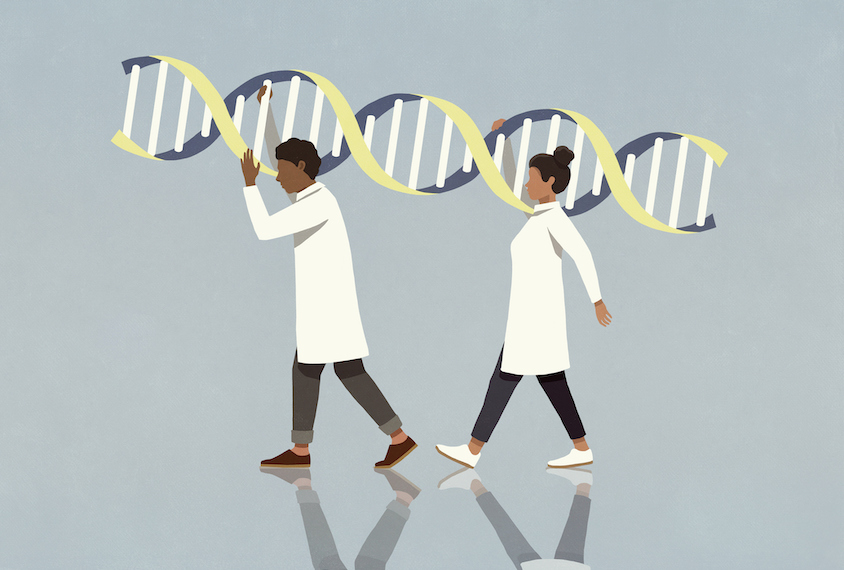
Community Newsletter: Autism gene lists, genetic diversity in mouse models, an autism biomarker
This week, we’re bringing you some labors of love: a thread lamenting the autism field’s focus on gene lists, a study introducing genetic diversity in mouse models, and long-awaited results from a biomarker study.
Community Newsletter: Autism gene lists, genetic diversity in mouse models, an autism biomarker
This week, we’re bringing you some labors of love: a thread lamenting the autism field’s focus on gene lists, a study introducing genetic diversity in mouse models, and long-awaited results from a biomarker study.
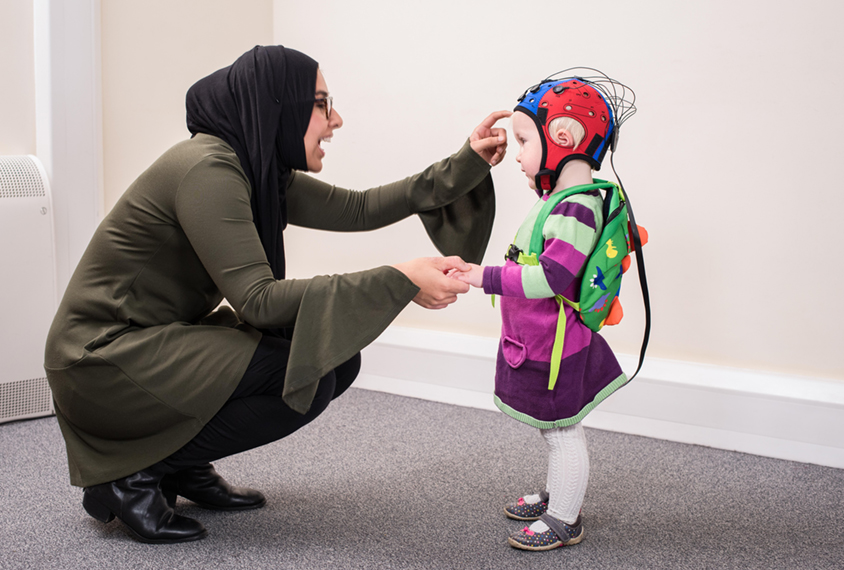
Brain’s response to faces foretells social development in autistic people
A delayed brain response to viewing faces may predict lags in social-skill development in autistic people.
Brain’s response to faces foretells social development in autistic people
A delayed brain response to viewing faces may predict lags in social-skill development in autistic people.
Explore more from The Transmitter
Romain Brette reveals fundamental flaws in commonly assumed neuroscience concepts
His new book, “The Brain, In Theory,” offers alternatives to many of the computer science frameworks currently driving theoretical neuroscience.
Romain Brette reveals fundamental flaws in commonly assumed neuroscience concepts
His new book, “The Brain, In Theory,” offers alternatives to many of the computer science frameworks currently driving theoretical neuroscience.
Arboreal deer mice reveal neural roots of dexterity
The rodents offered researchers an opportunity to link genetically driven changes in corticospinal abundance and morphology to climbing cachet.
Arboreal deer mice reveal neural roots of dexterity
The rodents offered researchers an opportunity to link genetically driven changes in corticospinal abundance and morphology to climbing cachet.
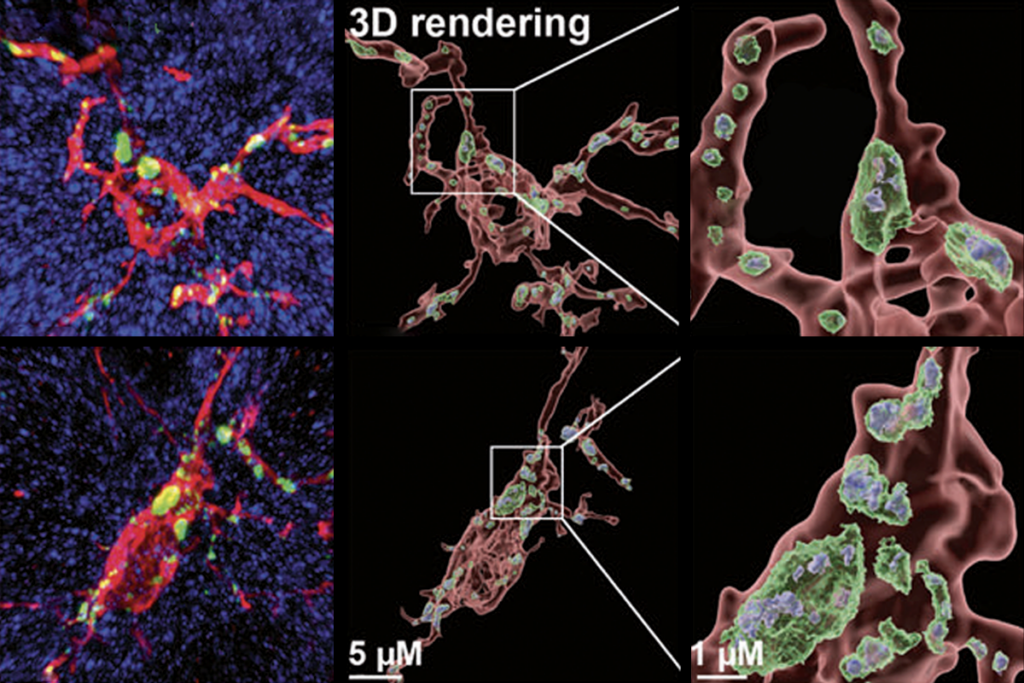
Single-gene systems-level effects, and more
Here is a roundup of autism-related news and research spotted around the web for the week of 6 April.
Single-gene systems-level effects, and more
Here is a roundup of autism-related news and research spotted around the web for the week of 6 April.