Neural networks
Recent articles
Large-scale neuroimaging datasets often lack information specific to women’s health, constraining AI’s analysis potential
Addressing this gap will require collecting widespread data on pregnancy, menopause and other life events women experience—and could bring us closer to the “holy grail” of linking brain and behavior.
Large-scale neuroimaging datasets often lack information specific to women’s health, constraining AI’s analysis potential
Addressing this gap will require collecting widespread data on pregnancy, menopause and other life events women experience—and could bring us closer to the “holy grail” of linking brain and behavior.
Tom Griffiths describes how neural networks, logic and probability theory together explain cognition
In his new book, “The Laws of Thought,” Griffiths shows how these three pillars of study complement one another and together form a solid foundation to eventually explain all of our cognition, from brain to mind.
Tom Griffiths describes how neural networks, logic and probability theory together explain cognition
In his new book, “The Laws of Thought,” Griffiths shows how these three pillars of study complement one another and together form a solid foundation to eventually explain all of our cognition, from brain to mind.
How insights from network theory can boost interdisciplinary efforts
Communication on one interdisciplinary research team improved after the researchers turned an analysis technique used to study the brain on themselves and identified the roles people played in lab meetings.
How insights from network theory can boost interdisciplinary efforts
Communication on one interdisciplinary research team improved after the researchers turned an analysis technique used to study the brain on themselves and identified the roles people played in lab meetings.
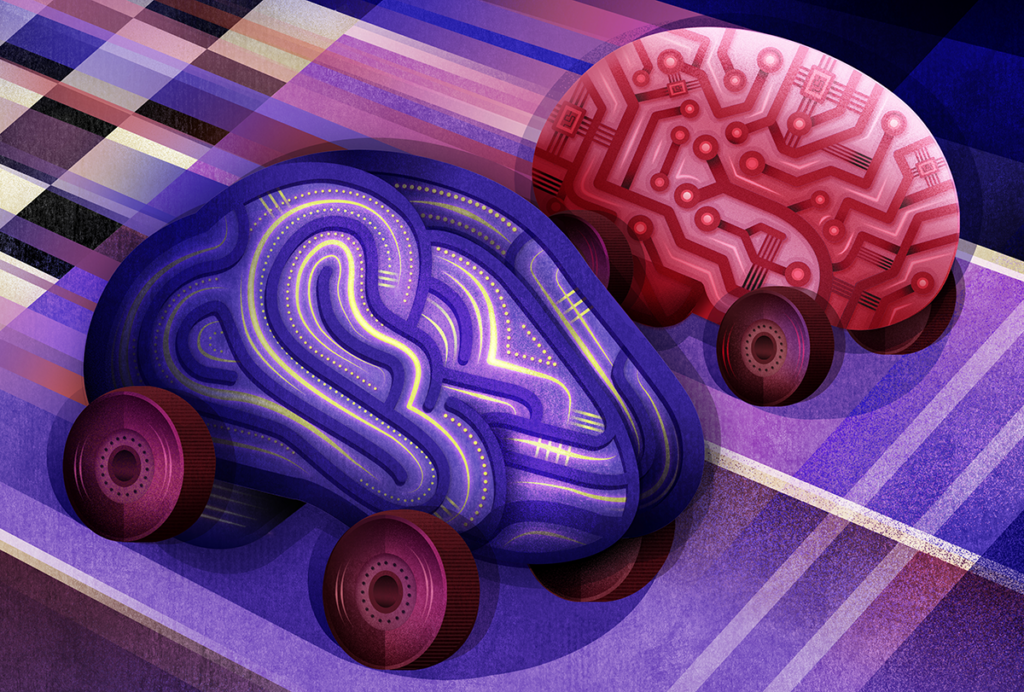
The 1,000 neuron challenge
A competition to design small, efficient neural models might provide new insight into real brains—and perhaps unite disparate modeling efforts.
The 1,000 neuron challenge
A competition to design small, efficient neural models might provide new insight into real brains—and perhaps unite disparate modeling efforts.

Exclusive: Springer Nature retracts, removes nearly 40 publications that trained neural networks on ‘bonkers’ dataset
The dataset contains images of children’s faces downloaded from websites about autism, which sparked concerns at Springer Nature about consent and reliability.
Exclusive: Springer Nature retracts, removes nearly 40 publications that trained neural networks on ‘bonkers’ dataset
The dataset contains images of children’s faces downloaded from websites about autism, which sparked concerns at Springer Nature about consent and reliability.

What are the most-cited neuroscience papers from the past 30 years?
Highly cited papers reflect the surge in artificial-intelligence research in the field and other technical advances, plus prizewinning work on analgesics, the fusiform face area and ion channels.
What are the most-cited neuroscience papers from the past 30 years?
Highly cited papers reflect the surge in artificial-intelligence research in the field and other technical advances, plus prizewinning work on analgesics, the fusiform face area and ion channels.
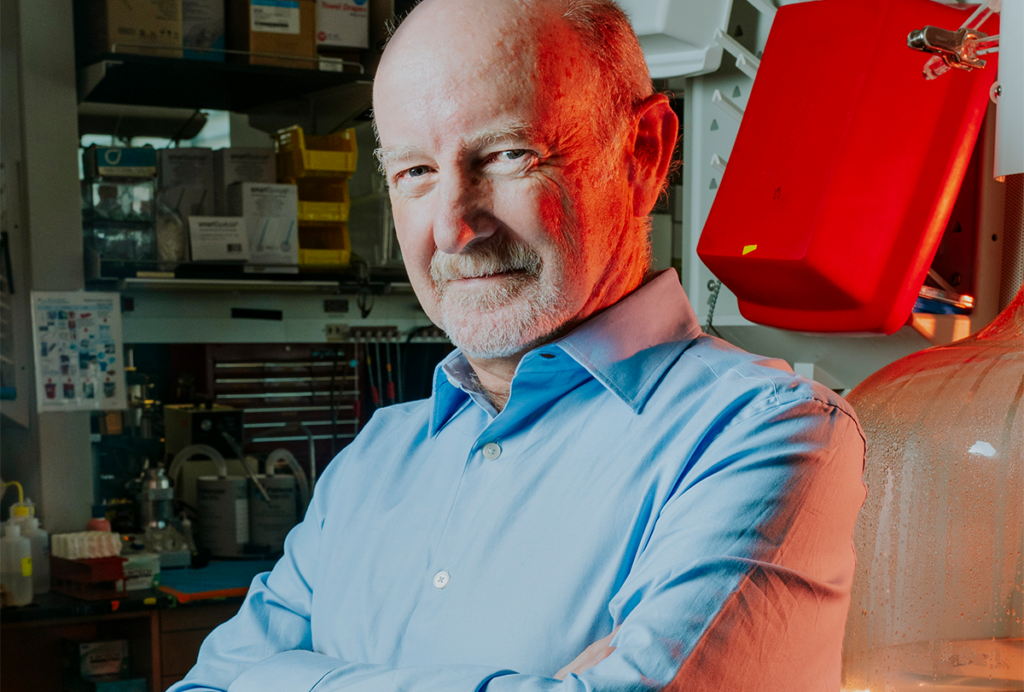
Releasing the Hydra with Rafael Yuste
Losing HHMI Investigator status prompted Yuste to study neural networks in a new way.
Releasing the Hydra with Rafael Yuste
Losing HHMI Investigator status prompted Yuste to study neural networks in a new way.

2025 Brain Prize honors pair of cancer neuroscientists
Michelle Monje and Frank Winkler share the $1.4 million award for their discovery of synapses between brain cancer cells and neurons.
2025 Brain Prize honors pair of cancer neuroscientists
Michelle Monje and Frank Winkler share the $1.4 million award for their discovery of synapses between brain cancer cells and neurons.
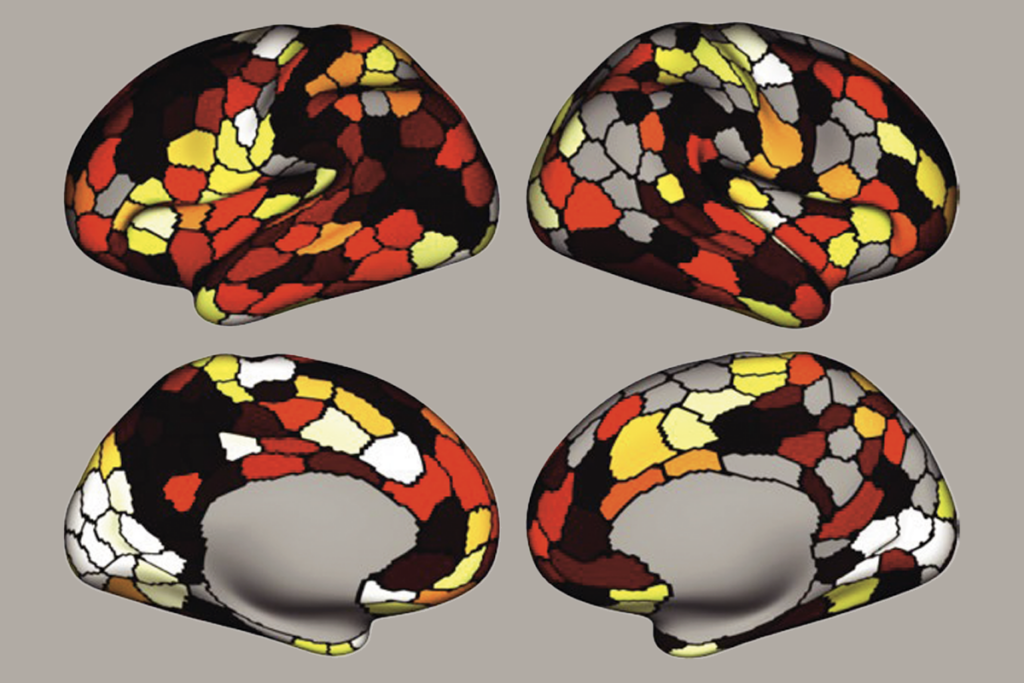
Cell ‘fingerprints’ identify distinct cortical networks
These networks align with different assemblages of cells, a finding that could reveal how cellular diversity influences brain function, according to a new study.
Cell ‘fingerprints’ identify distinct cortical networks
These networks align with different assemblages of cells, a finding that could reveal how cellular diversity influences brain function, according to a new study.
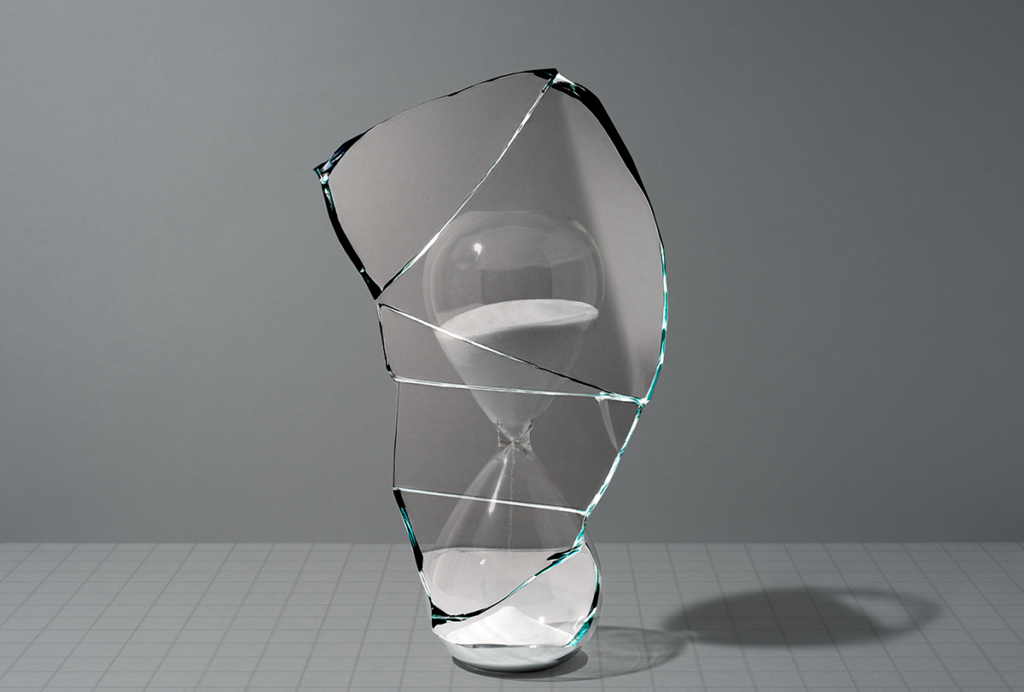
The brain holds no exclusive rights on how to create intelligence
Many of the recent developments underlying the explosive success of artificial intelligence have diverged from using neuroscience as a source of inspiration—and the trend is likely to continue.
The brain holds no exclusive rights on how to create intelligence
Many of the recent developments underlying the explosive success of artificial intelligence have diverged from using neuroscience as a source of inspiration—and the trend is likely to continue.
Explore more from The Transmitter
Funding for animal research alternatives reaches ‘inflection point’
The United States and Europe are dedicating hundreds of millions of dollars in funding to advance novel alternative methods, but not all neuroscientists see this as a positive step.
Funding for animal research alternatives reaches ‘inflection point’
The United States and Europe are dedicating hundreds of millions of dollars in funding to advance novel alternative methods, but not all neuroscientists see this as a positive step.

‘Friction-maxxing’ in school: Students should read primary literature, not AI summaries
Trainees need to learn how to identify a neuroscience paper’s major takeaways and integrate them into their understanding. This skill doesn’t come from outsourcing the work to large language models.
‘Friction-maxxing’ in school: Students should read primary literature, not AI summaries
Trainees need to learn how to identify a neuroscience paper’s major takeaways and integrate them into their understanding. This skill doesn’t come from outsourcing the work to large language models.
Head direction cells stably orient mice to outside world
The cells’ representations show little drift over time—unlike those of other navigation system neurons—and may provide a “rigid backbone” for more flexible sensory and cognitive responses.
Head direction cells stably orient mice to outside world
The cells’ representations show little drift over time—unlike those of other navigation system neurons—and may provide a “rigid backbone” for more flexible sensory and cognitive responses.