Olfaction
Recent articles
Fruit flies use memory to track odors
When flies encounter a tasty smell, they stroll in and out of the odor plume—a process that depends on encoding a memory of the angle needed to travel back to the plume, according to a new study.
Fruit flies use memory to track odors
When flies encounter a tasty smell, they stroll in and out of the odor plume—a process that depends on encoding a memory of the angle needed to travel back to the plume, according to a new study.

The secret sensory world of ticks
Carola Städele, a self-proclaimed “tick magnet,” studies the arachnids’ sensory neurobiology—in other words, how these tiny parasites zero in on their next meal.
The secret sensory world of ticks
Carola Städele, a self-proclaimed “tick magnet,” studies the arachnids’ sensory neurobiology—in other words, how these tiny parasites zero in on their next meal.
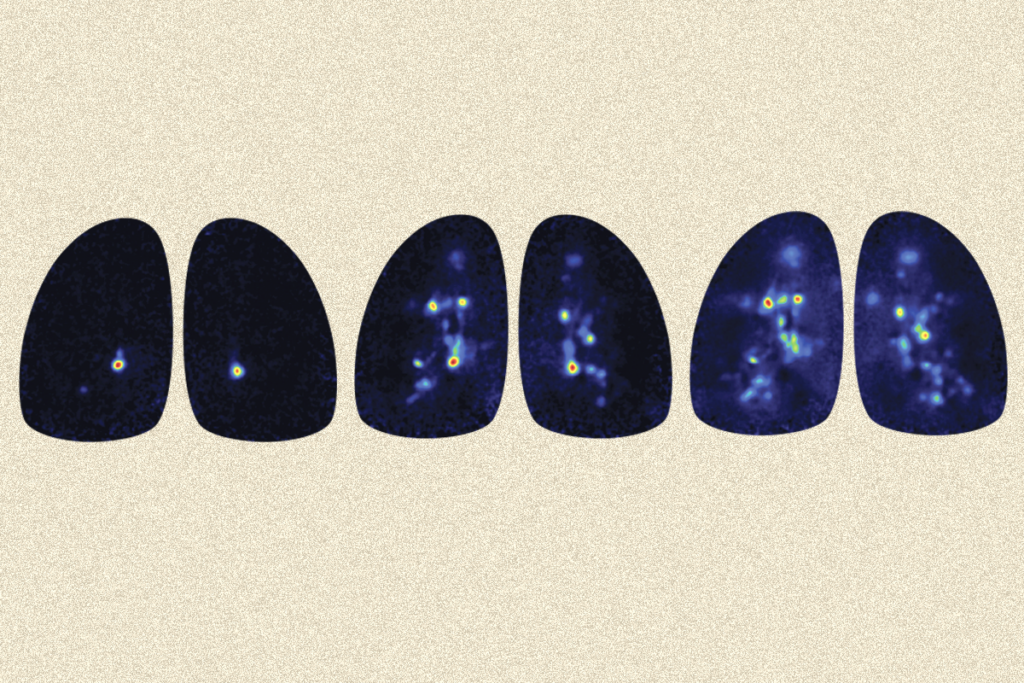
Smell studies often use unnaturally high odor concentrations, analysis reveals
It’s time to fashion olfactory neuroscience stimuli based on odor concentrations in the wild, say study investigators Elizabeth Hong and Matt Wachowiak.
Smell studies often use unnaturally high odor concentrations, analysis reveals
It’s time to fashion olfactory neuroscience stimuli based on odor concentrations in the wild, say study investigators Elizabeth Hong and Matt Wachowiak.
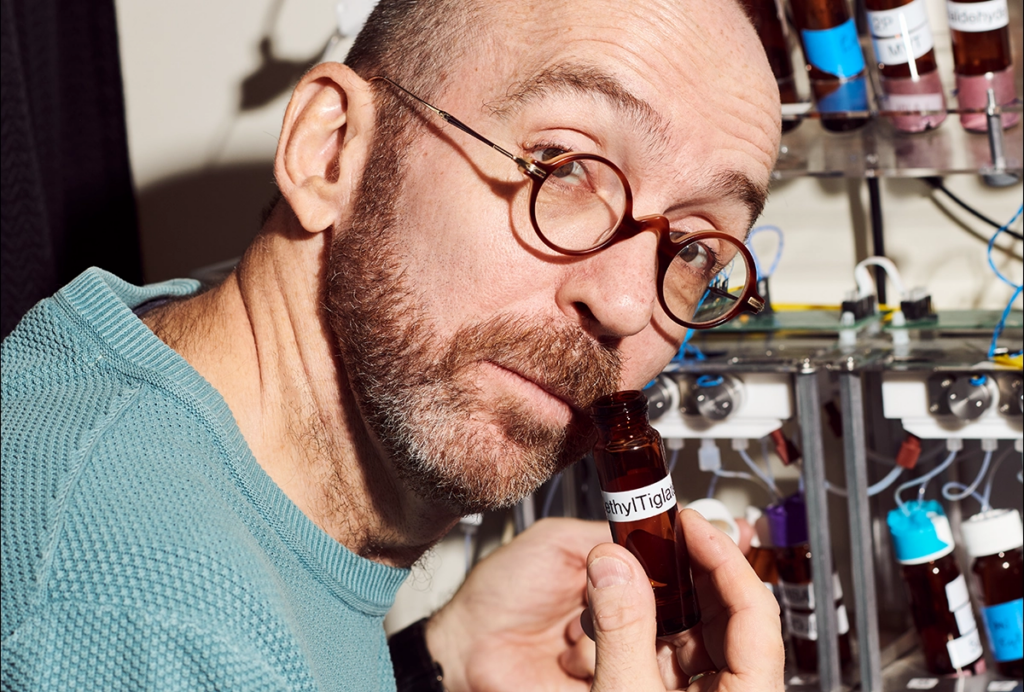
Sniffing out the mysteries of olfaction
A background in physics, and his own curiosity, have helped Dmitry Rinberg tackle the complexities of the neuroscience of smell.
Sniffing out the mysteries of olfaction
A background in physics, and his own curiosity, have helped Dmitry Rinberg tackle the complexities of the neuroscience of smell.

Consciously smelling—an edited excerpt from ‘Stinking Philosophy! Smell Perception, Cognition, and Consciousness’
In his new book, published earlier this month, Benjamin Young tackles the debates and central questions surrounding olfactory perception, cognition and consciousness.
Consciously smelling—an edited excerpt from ‘Stinking Philosophy! Smell Perception, Cognition, and Consciousness’
In his new book, published earlier this month, Benjamin Young tackles the debates and central questions surrounding olfactory perception, cognition and consciousness.
Explore more from The Transmitter

Number of autism-linked genes more than triples in new analyses
In addition to a new preprint that expands the list of genes tied to the condition, two related analyses reveal how variants in those genes contribute to genetic susceptibility.
Number of autism-linked genes more than triples in new analyses
In addition to a new preprint that expands the list of genes tied to the condition, two related analyses reveal how variants in those genes contribute to genetic susceptibility.
How does a control theorist explain cognition?
Maxim Raginsky draws on control theory, engineering and philosophy to explore what makes biological brains intelligent, what artificial intelligence is missing, and what principles underlie biological autonomy.
How does a control theorist explain cognition?
Maxim Raginsky draws on control theory, engineering and philosophy to explore what makes biological brains intelligent, what artificial intelligence is missing, and what principles underlie biological autonomy.
Holographic mesoscope reads, writes from different cortical regions simultaneously
The tool could help reveal how information transmission between areas relates to perception, cognition and behavior.
Holographic mesoscope reads, writes from different cortical regions simultaneously
The tool could help reveal how information transmission between areas relates to perception, cognition and behavior.