Systems neuroscience
Recent articles
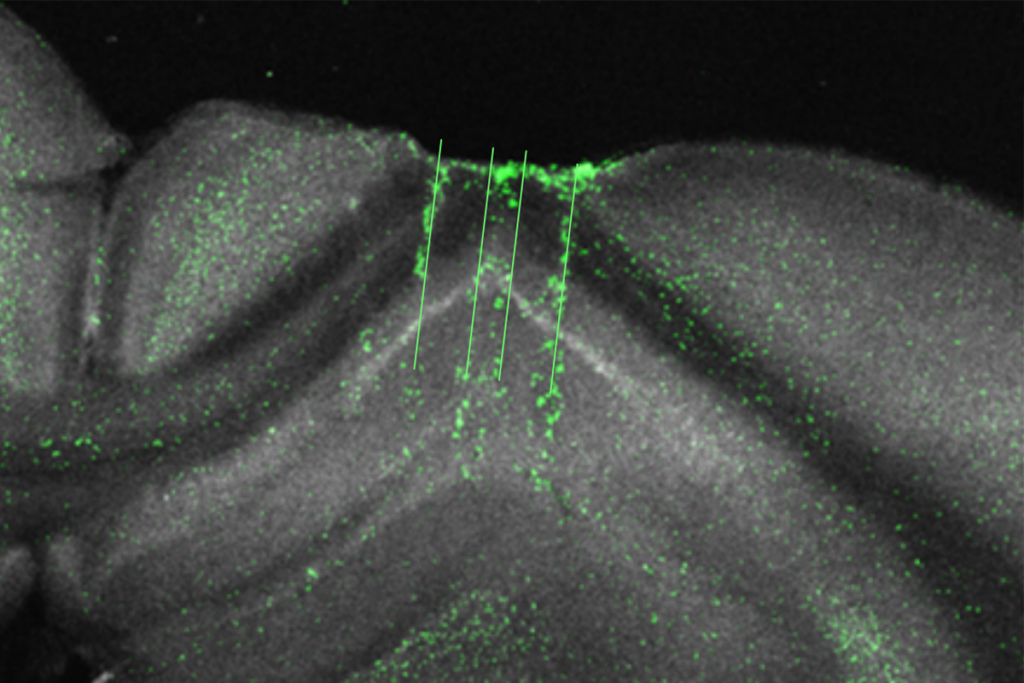
Head direction cells stably orient mice to outside world
The cells’ representations show little drift over time—unlike those of other navigation system neurons—and may provide a “rigid backbone” for more flexible sensory and cognitive responses.
Head direction cells stably orient mice to outside world
The cells’ representations show little drift over time—unlike those of other navigation system neurons—and may provide a “rigid backbone” for more flexible sensory and cognitive responses.
Hippocampus builds reputation as ‘general-purpose statistical learning machine’
New cross-species findings may help settle a long-standing debate about whether the hippocampus is required for passive learning.
Hippocampus builds reputation as ‘general-purpose statistical learning machine’
New cross-species findings may help settle a long-standing debate about whether the hippocampus is required for passive learning.

Dendrites help neuroscientists see the forest for the trees
Dendritic arbors provide just the right scale to study how individual neurons reciprocally interact with their broader circuitry—and are our best bet to bridge cellular and systems neuroscience.
Dendrites help neuroscientists see the forest for the trees
Dendritic arbors provide just the right scale to study how individual neurons reciprocally interact with their broader circuitry—and are our best bet to bridge cellular and systems neuroscience.
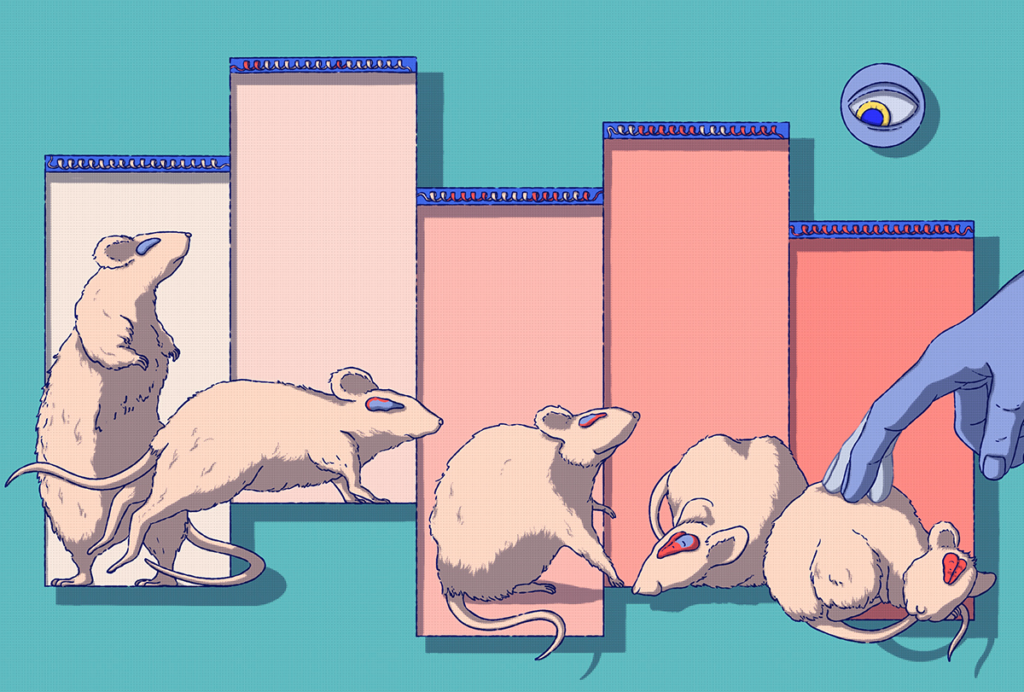
This paper changed my life: Ishmail Abdus-Saboor on balancing the study of pain and pleasure
A 2013 Nature paper from David Anderson’s lab revealed a group of sensory neurons involved in pleasurable touch and led Abdus-Saboor down a new research path.
This paper changed my life: Ishmail Abdus-Saboor on balancing the study of pain and pleasure
A 2013 Nature paper from David Anderson’s lab revealed a group of sensory neurons involved in pleasurable touch and led Abdus-Saboor down a new research path.
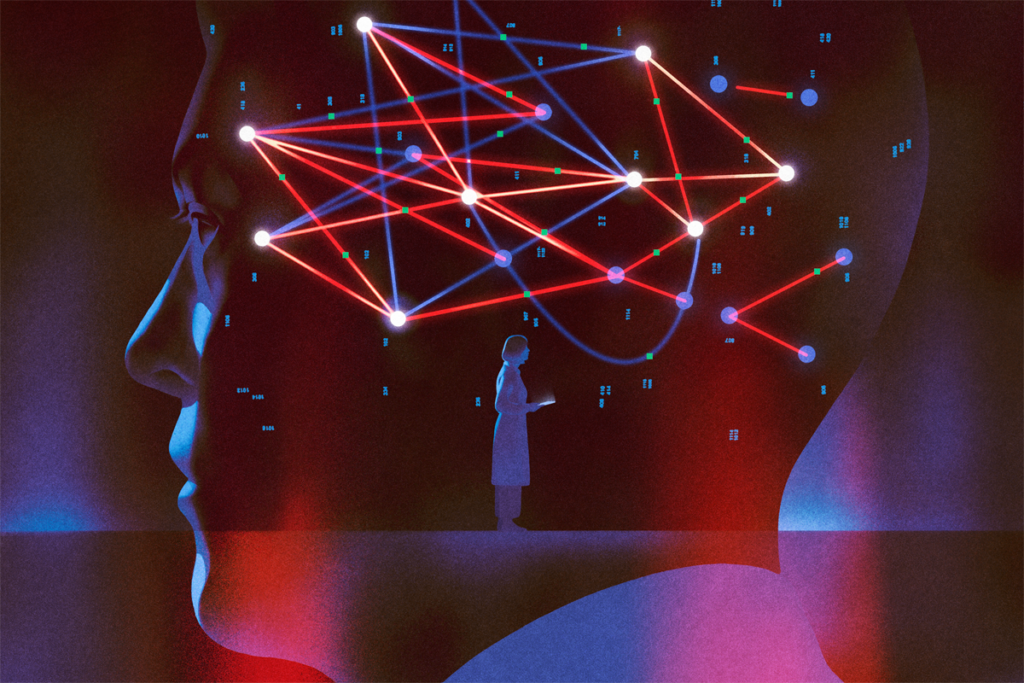
Computational psychiatry needs systems neuroscience
Dissecting different parallel processing streams may help us understand the mechanisms underlying psychiatric symptoms, such as delusions, and unite human and animal research.
Computational psychiatry needs systems neuroscience
Dissecting different parallel processing streams may help us understand the mechanisms underlying psychiatric symptoms, such as delusions, and unite human and animal research.
Explore more from The Transmitter
Juan Gallego discusses how manifolds are transforming our understanding of the coordination of neuronal population activity
A wealth of evidence supports the view that neural manifolds are real and useful, Gallego says, even if they may not completely solve the age-old mind-body problem.
Juan Gallego discusses how manifolds are transforming our understanding of the coordination of neuronal population activity
A wealth of evidence supports the view that neural manifolds are real and useful, Gallego says, even if they may not completely solve the age-old mind-body problem.
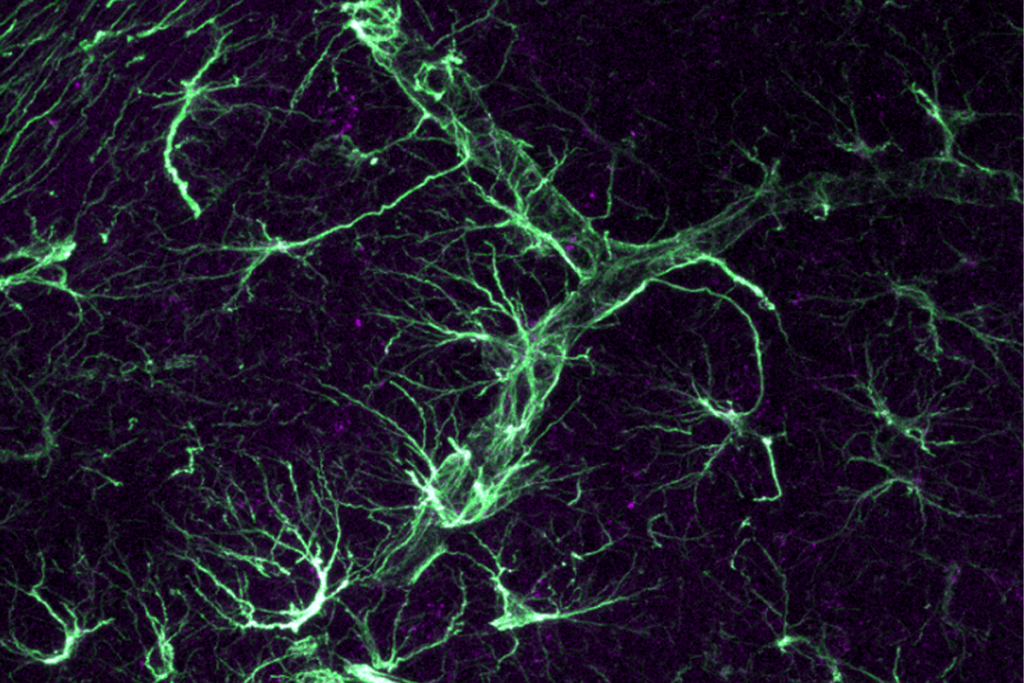
Astrocytes in mouse amygdala encode emotional state
The glial cells’ activity reliably tracks with freezing, hesitancy and other behaviors reminiscent of anxiety.
Astrocytes in mouse amygdala encode emotional state
The glial cells’ activity reliably tracks with freezing, hesitancy and other behaviors reminiscent of anxiety.

Data duplications flagged in highly cited gut-brain studies
The duplications are a product of “inadvertent errors,” the authors say.
Data duplications flagged in highly cited gut-brain studies
The duplications are a product of “inadvertent errors,” the authors say.