Circuits
Recent articles
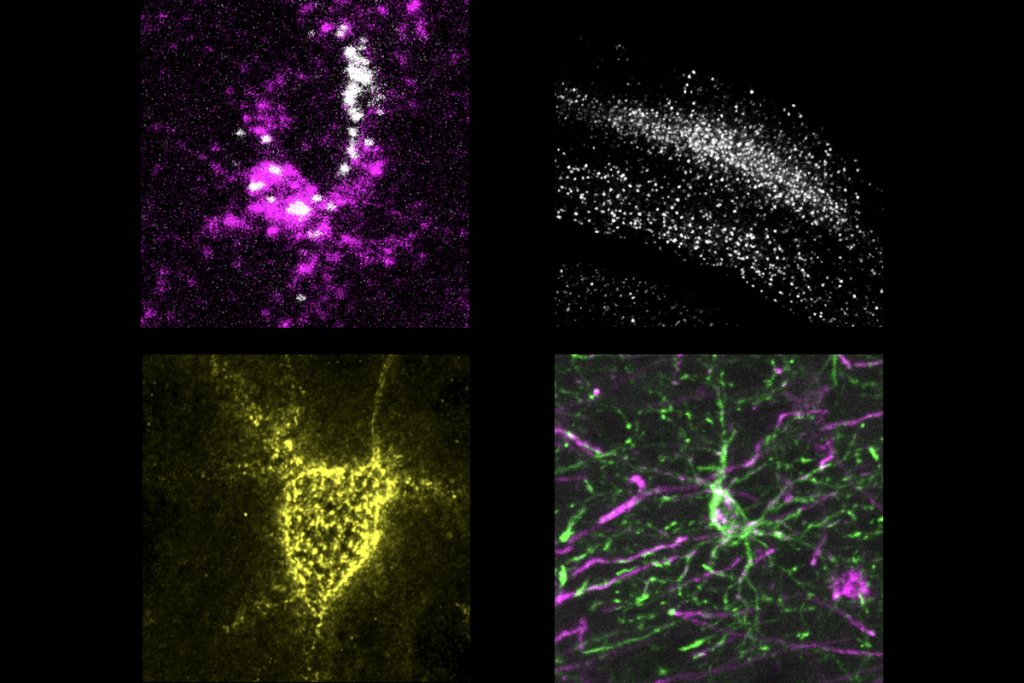
Astrocytes stabilize circuits in adult mouse brain
The glial cells secrete a protein that suppresses plasticity post-development.
Astrocytes stabilize circuits in adult mouse brain
The glial cells secrete a protein that suppresses plasticity post-development.
The best of ‘this paper changed my life’ in 2025
From a study that upended astrocyte research to one that reignited the field of spiking neural networks, experts weighed in on the papers that significantly shaped how they think about and approach neuroscience.
The best of ‘this paper changed my life’ in 2025
From a study that upended astrocyte research to one that reignited the field of spiking neural networks, experts weighed in on the papers that significantly shaped how they think about and approach neuroscience.
What should the field prioritize over the next 10 years?
Respondents pointed to a range of challenges in basic neuroscience—such as understanding naturalistic behaviors, intelligence and embodied cognition—and called for more circuit-level research, more precise brain recordings and more work in alternative models. Just as many pushed for a translational pivot.
What should the field prioritize over the next 10 years?
Respondents pointed to a range of challenges in basic neuroscience—such as understanding naturalistic behaviors, intelligence and embodied cognition—and called for more circuit-level research, more precise brain recordings and more work in alternative models. Just as many pushed for a translational pivot.
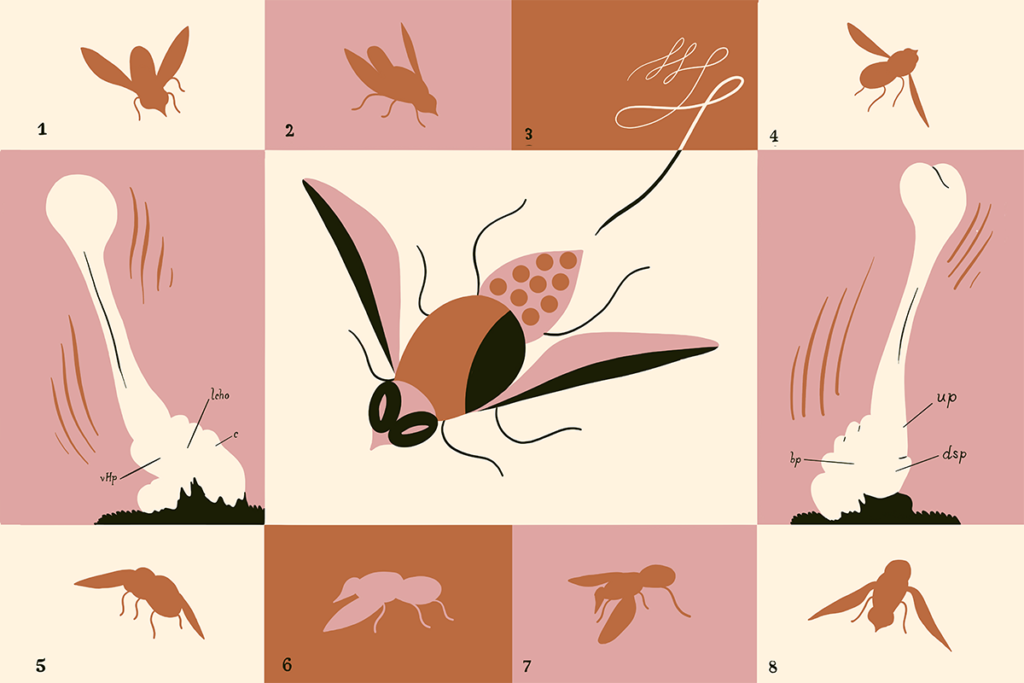
This paper changed my life: Bradley Dickerson on how a 1940s fly neuroanatomy paper influences his research to this day
This classic paper by zoologist John Pringle describes the haltere—a small structure in flies that plays a crucial role in flight control. It taught me to think about circuits and behavior as greater than the sum of their parts.
This paper changed my life: Bradley Dickerson on how a 1940s fly neuroanatomy paper influences his research to this day
This classic paper by zoologist John Pringle describes the haltere—a small structure in flies that plays a crucial role in flight control. It taught me to think about circuits and behavior as greater than the sum of their parts.
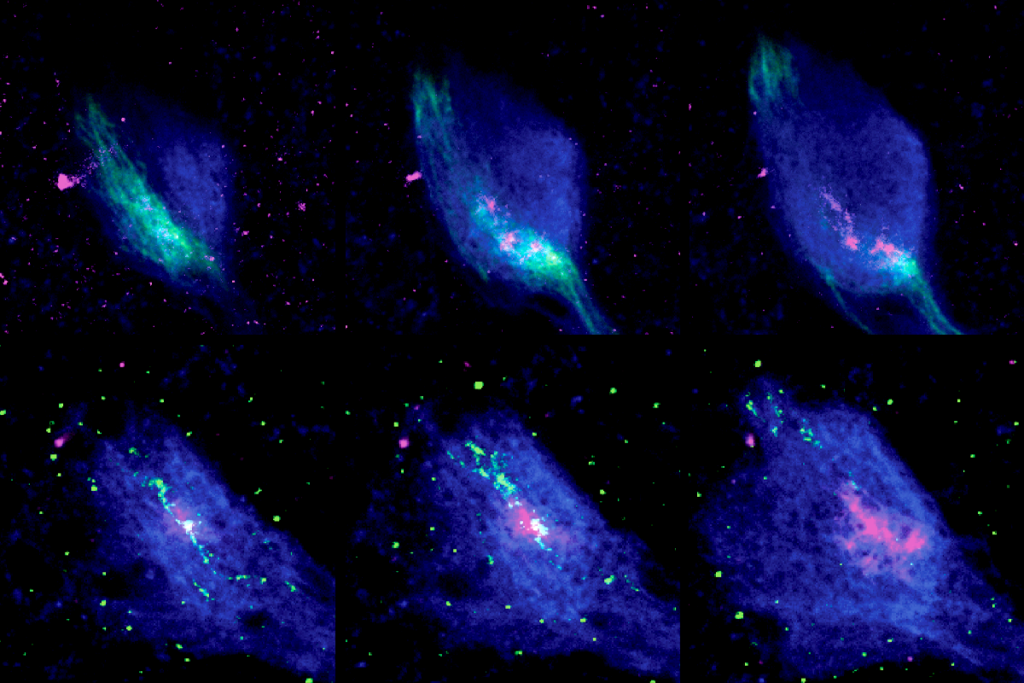
How developing neurons simplify their search for a synaptic mate
Streamlining the problem from 3D to 1D eases the expedition—a strategy the study investigators deployed to rewire an olfactory circuit in flies.
How developing neurons simplify their search for a synaptic mate
Streamlining the problem from 3D to 1D eases the expedition—a strategy the study investigators deployed to rewire an olfactory circuit in flies.
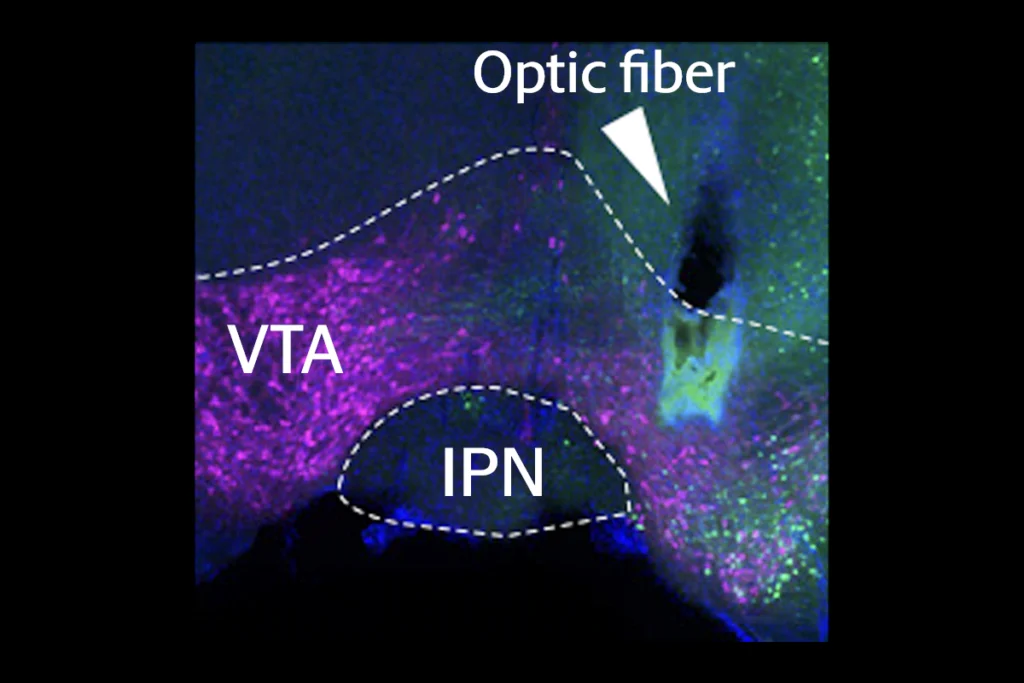
‘Understudied secret’ in brain dampens nicotine drive in mice
The interpeduncular nucleus produces an aversion to nicotine, even at low doses, and helps moderate how rewarding mice find the drug.
‘Understudied secret’ in brain dampens nicotine drive in mice
The interpeduncular nucleus produces an aversion to nicotine, even at low doses, and helps moderate how rewarding mice find the drug.
Escaping groupthink: What animals’ behavioral quirks reveal about the brain
Neuroscientists have long ignored the variability in animals’ behavioral responses in favor of studying differences across groups. But work on the brain differences that underlie that variability is beginning to pay off.
Escaping groupthink: What animals’ behavioral quirks reveal about the brain
Neuroscientists have long ignored the variability in animals’ behavioral responses in favor of studying differences across groups. But work on the brain differences that underlie that variability is beginning to pay off.
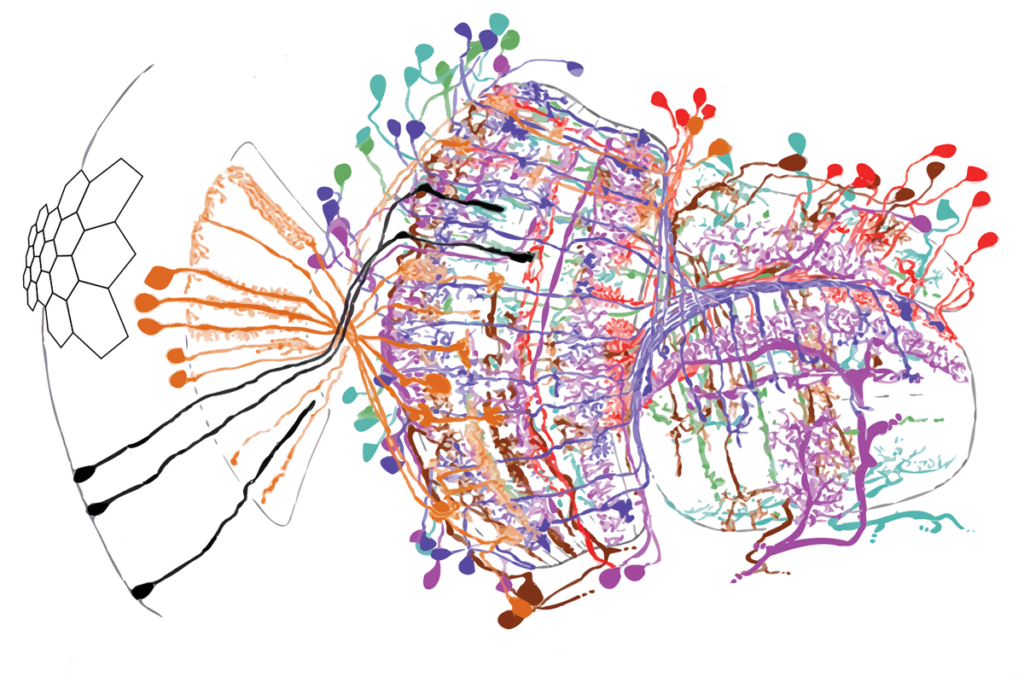
Connectomics 2.0: Simulating the brain
With a complete fly connectome in hand, researchers are taking the next step to model how brain circuits fuel function.
Connectomics 2.0: Simulating the brain
With a complete fly connectome in hand, researchers are taking the next step to model how brain circuits fuel function.
Basic pain research ‘is not working’: Q&A with Steven Prescott and Stéphanie Ratté
Prescott and Ratté critique the clinical relevance of preclinical studies in the field and highlight areas for improvement.
Basic pain research ‘is not working’: Q&A with Steven Prescott and Stéphanie Ratté
Prescott and Ratté critique the clinical relevance of preclinical studies in the field and highlight areas for improvement.
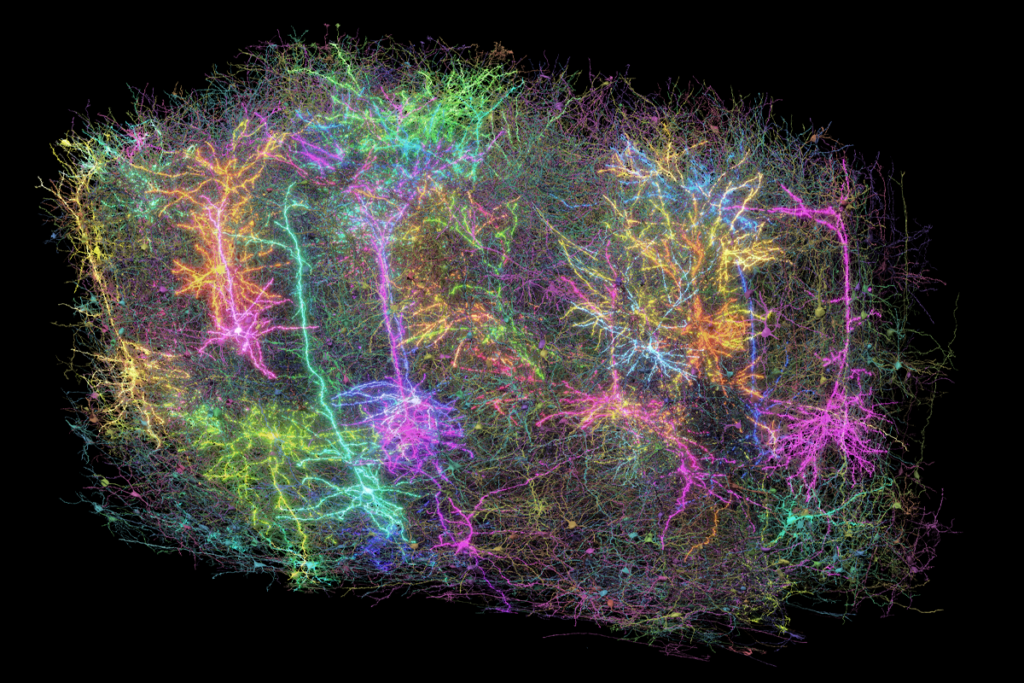
Inhibitory cells work in concert to orchestrate neuronal activity in mouse brain
A cubic millimeter of brain tissue, meticulously sectioned, stained and scrutinized over the past seven years, reveals in stunning detail the role of inhibitory interneurons in brain structure and function.
Inhibitory cells work in concert to orchestrate neuronal activity in mouse brain
A cubic millimeter of brain tissue, meticulously sectioned, stained and scrutinized over the past seven years, reveals in stunning detail the role of inhibitory interneurons in brain structure and function.
Explore more from The Transmitter
Autism-linked genes alter sleep behavior, and more
Here is a roundup of autism-related news and research spotted around the web for the week of 13 April.
Autism-linked genes alter sleep behavior, and more
Here is a roundup of autism-related news and research spotted around the web for the week of 13 April.
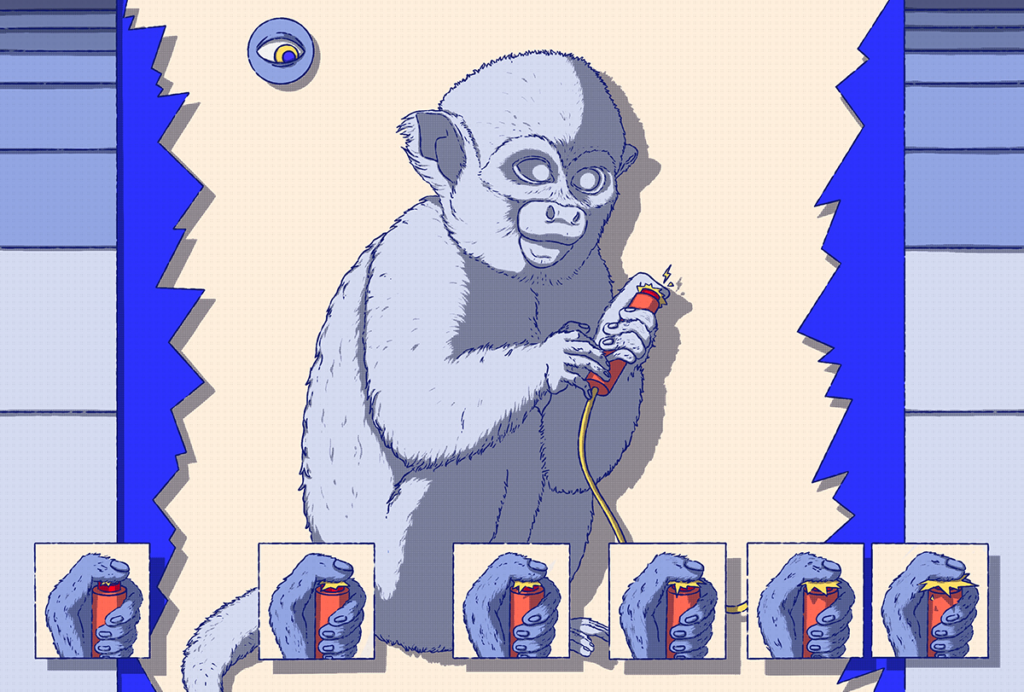
This paper changed my life: Erin Calipari ponders the nuances of rewarding and aversive stimuli
A 1960s study by Kelleher and Morse found that lever pressing in squirrel monkeys depended not on whether they received a reward or shock, but on the rules of the task. This taught Calipari to think deeply about factors that influence how behavior is generated and maintained.
This paper changed my life: Erin Calipari ponders the nuances of rewarding and aversive stimuli
A 1960s study by Kelleher and Morse found that lever pressing in squirrel monkeys depended not on whether they received a reward or shock, but on the rules of the task. This taught Calipari to think deeply about factors that influence how behavior is generated and maintained.
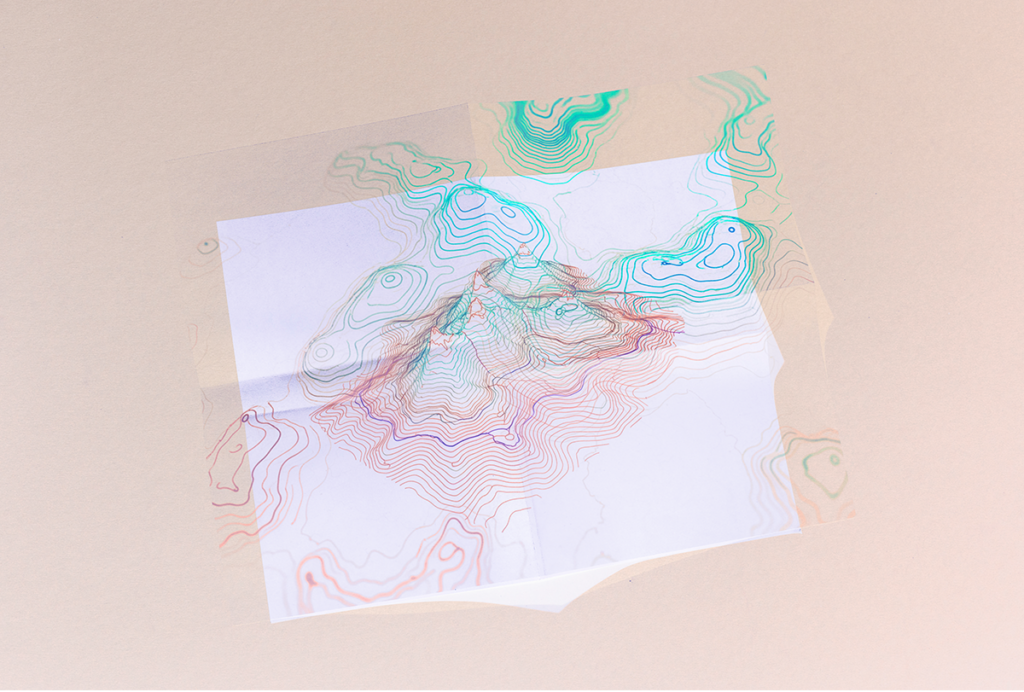
Why neural foundation models work, and what they might—and might not—teach us about the brain
These models can partly generalize across species, brain regions and tasks, suggesting that a set of machine-learnable rules govern neural population activity. But will we be able to understand them?
Why neural foundation models work, and what they might—and might not—teach us about the brain
These models can partly generalize across species, brain regions and tasks, suggesting that a set of machine-learnable rules govern neural population activity. But will we be able to understand them?