Addiction
Recent articles
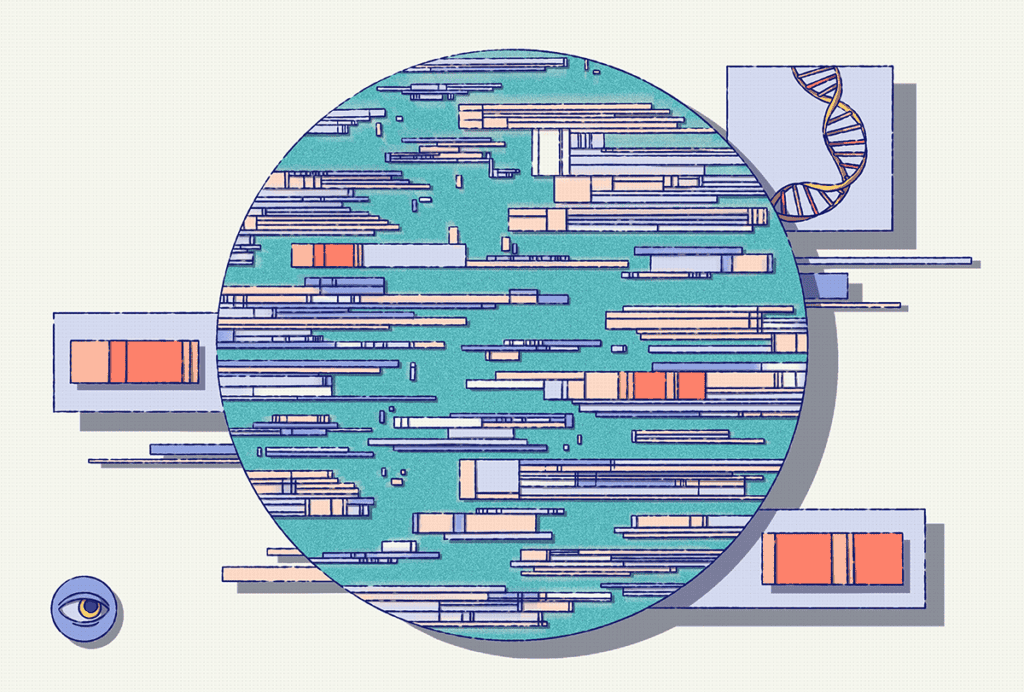
This paper changed my life: Transformative work in addiction neuroscience
A 2011 Nature study found that loss of a nicotinic receptor subunit leads to increased nicotine intake in mice. The work set the standard for how to functionally validate genetic association study findings in neuroscience.
This paper changed my life: Transformative work in addiction neuroscience
A 2011 Nature study found that loss of a nicotinic receptor subunit leads to increased nicotine intake in mice. The work set the standard for how to functionally validate genetic association study findings in neuroscience.

In memoriam: Howard Fields, pain research pioneer
Over six decades, Fields mapped out the circuits of both pain and addiction.
In memoriam: Howard Fields, pain research pioneer
Over six decades, Fields mapped out the circuits of both pain and addiction.
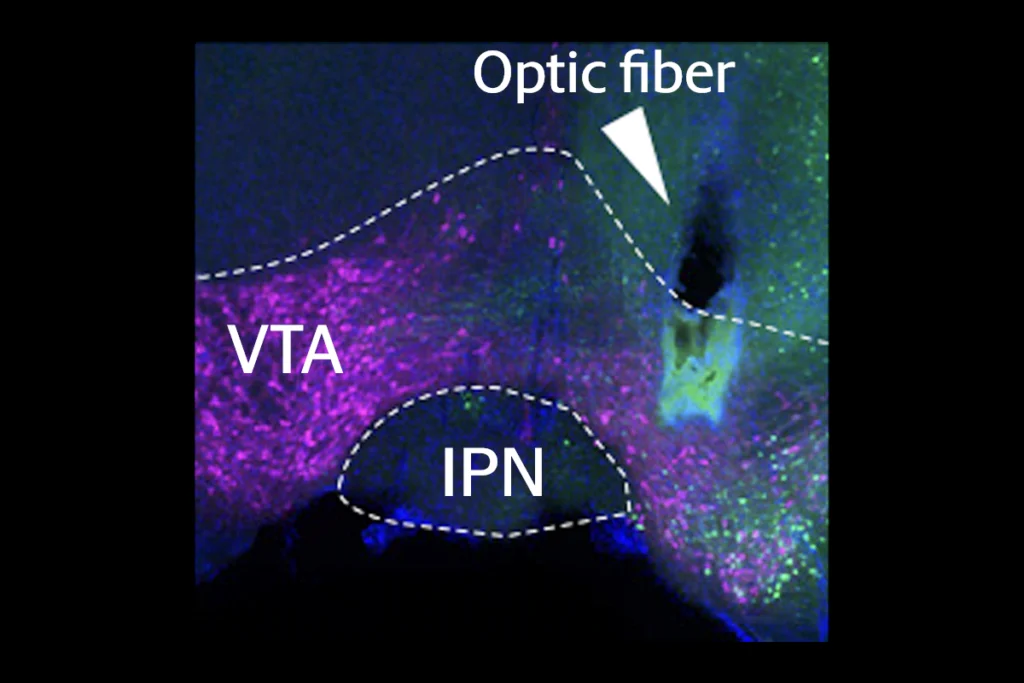
‘Understudied secret’ in brain dampens nicotine drive in mice
The interpeduncular nucleus produces an aversion to nicotine, even at low doses, and helps moderate how rewarding mice find the drug.
‘Understudied secret’ in brain dampens nicotine drive in mice
The interpeduncular nucleus produces an aversion to nicotine, even at low doses, and helps moderate how rewarding mice find the drug.
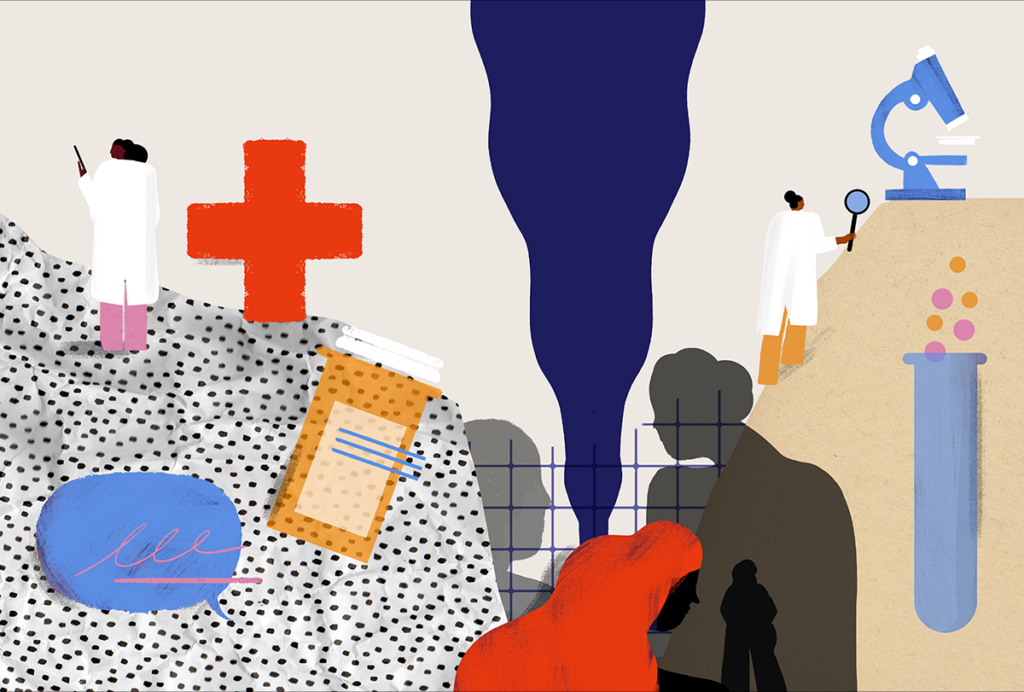
Neuroscientists need to do better at explaining basic mental health research
The knowledge gap between scientists, health-care professionals, policymakers and people with mental health conditions is growing, slowing the translation of basic science to new treatments. Like lawyers learning to present a case to the court, scientists should learn to educate nonscientists about their findings.
Neuroscientists need to do better at explaining basic mental health research
The knowledge gap between scientists, health-care professionals, policymakers and people with mental health conditions is growing, slowing the translation of basic science to new treatments. Like lawyers learning to present a case to the court, scientists should learn to educate nonscientists about their findings.
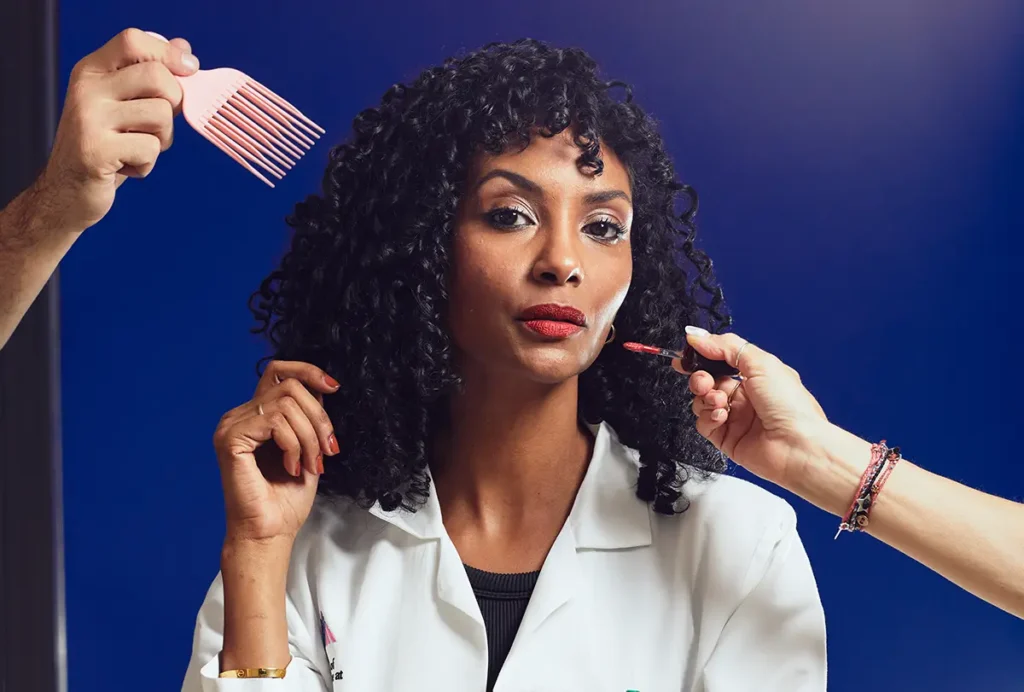
Striking a pose with Aya Osman
The neuroscientist and part-time fashion model opens up about the people who inspire her; her interest in science communication; and how she once ended up on a stage with Channing Tatum.
Striking a pose with Aya Osman
The neuroscientist and part-time fashion model opens up about the people who inspire her; her interest in science communication; and how she once ended up on a stage with Channing Tatum.
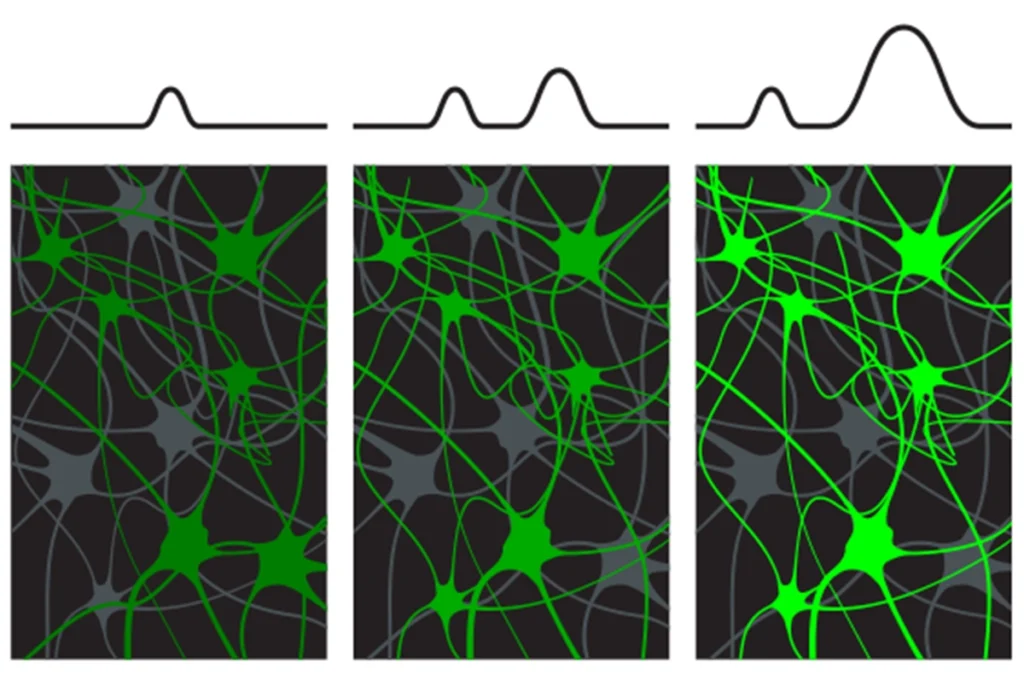
Cocaine, morphine commandeer neurons normally activated by food, water in mice
Confirming a long-held hypothesis, repeated exposure to the drugs alters neurons in the nucleus accumbens, the brain’s reward center, and curbs an animal’s urge for sustenance.
Cocaine, morphine commandeer neurons normally activated by food, water in mice
Confirming a long-held hypothesis, repeated exposure to the drugs alters neurons in the nucleus accumbens, the brain’s reward center, and curbs an animal’s urge for sustenance.
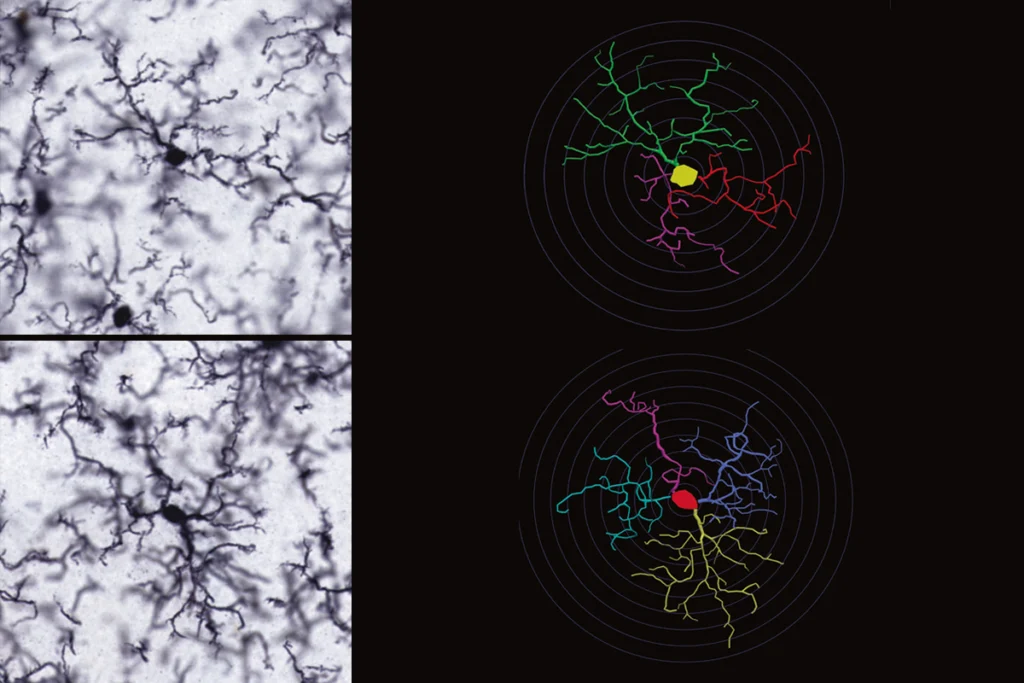
Temperament is innate but hackable, animal studies suggest
Emotional reactivity and vulnerability to stress are largely inherited in rodents — but can be modified in early life by targeting inflammation-related cells or even just adjusting an animal’s environment.
Temperament is innate but hackable, animal studies suggest
Emotional reactivity and vulnerability to stress are largely inherited in rodents — but can be modified in early life by targeting inflammation-related cells or even just adjusting an animal’s environment.
Explore more from The Transmitter
U.S. national primate research centers face an uncertain future
The facilities were meant to last 100 years. Four decades shy of that mark, amid flatlined funds and mounting political pressure, their directors are trying to find a path forward.
U.S. national primate research centers face an uncertain future
The facilities were meant to last 100 years. Four decades shy of that mark, amid flatlined funds and mounting political pressure, their directors are trying to find a path forward.
What if nonhuman primate research goes away?
As the U.S. government takes steps to stop using nonhuman primates in research, The Transmitter investigates what that shift could mean for neuroscience.
What if nonhuman primate research goes away?
As the U.S. government takes steps to stop using nonhuman primates in research, The Transmitter investigates what that shift could mean for neuroscience.
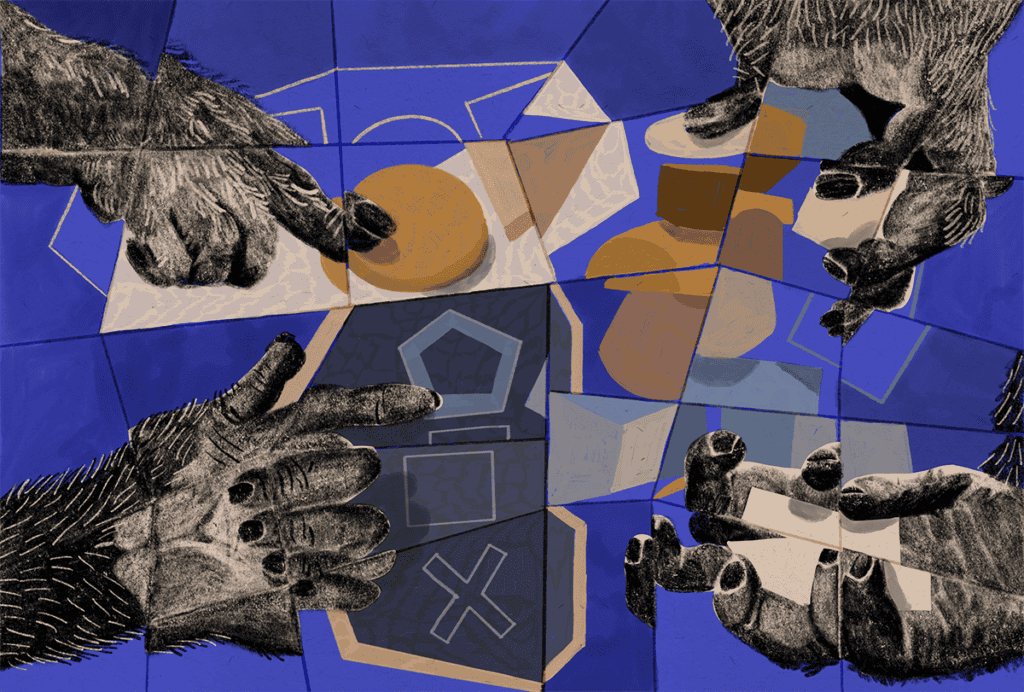
The neuroscience questions that need nonhuman primates
The Transmitter asked 17 neuroscientists what questions might remain unanswered if support for nonhuman primate research continues to decline.
The neuroscience questions that need nonhuman primates
The Transmitter asked 17 neuroscientists what questions might remain unanswered if support for nonhuman primate research continues to decline.