Francisco J. Rivera Rosario edits scientist-written essays and develops new resources for the community. He also manages the ‘This paper changed my life’ series, acquires book excerpts and writes The Transmitter Launch, a monthly newsletter for early-career researchers. Before joining The Transmitter, he spent his career in science communications and health writing, including time working as an editor for a science communications agency and freelancing for TED Conferences and Health. Prior to moving into science communication, Francisco worked in a research lab, studying the genetic basis of rare forms of autism.

Francisco J. Rivera Rosario
Associate editor, opinion and community
The Transmitter
From this contributor
Susana Carmona on the neurobiology of pregnancy
By
Francisco J. Rivera Rosario
6 October 2026 | 9 min watch
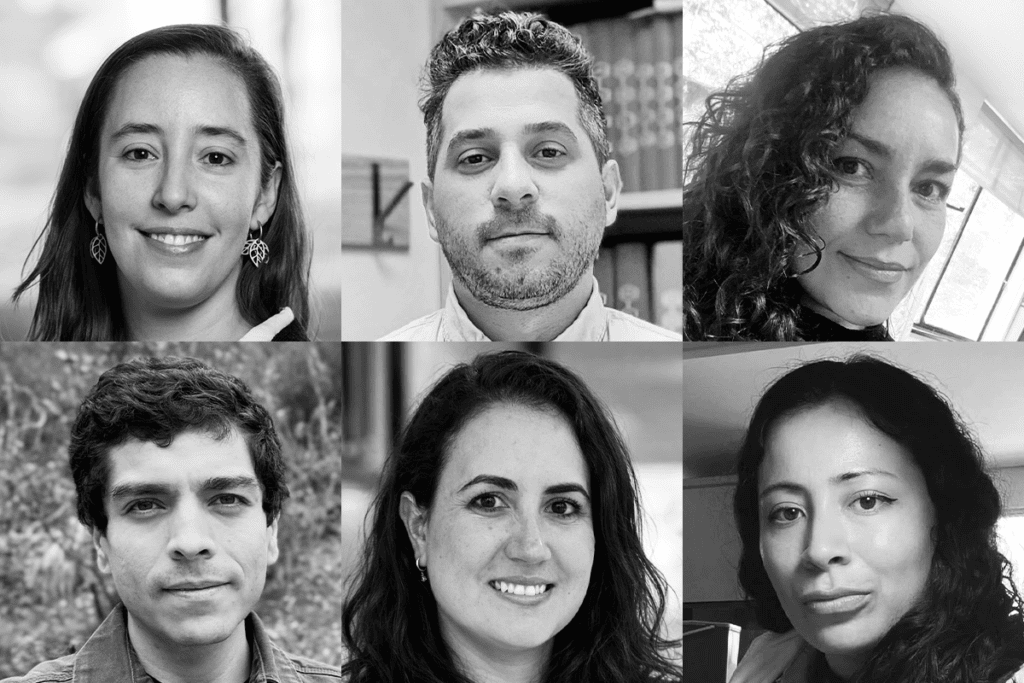
The Transmitter’s directory of new labs in Latin America
By
Francisco J. Rivera Rosario
28 August 2026 | 7 min read
The promise of open neuroscience for Latin America
By
Francisco J. Rivera Rosario
28 August 2026 | 8 min read
Education
- M.S. in biomedical sciences, Albert Einstein College of Medicine
- M.S. in molecular biotechnology, Interamerican University of Puerto Rico
- B.S. in natural sciences, University of Puerto Rico, Cayey
Explore more from The Transmitter
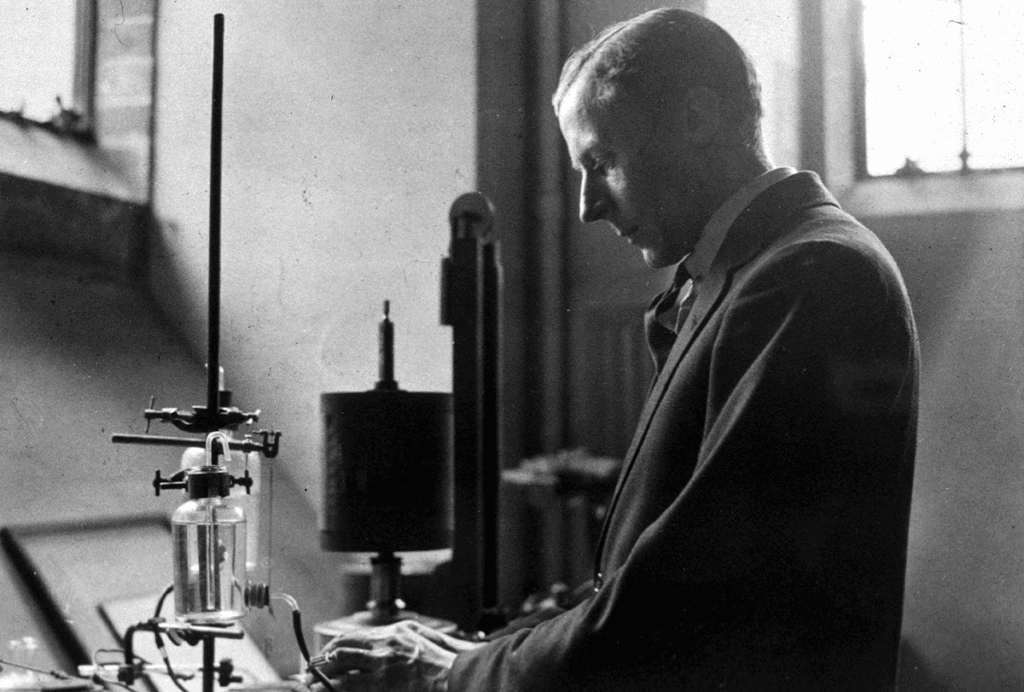
The neural code at 100
In two 1926 articles, Edgar Douglas Adrian revealed that neurons communicate through trains of spikes.
The neural code at 100
In two 1926 articles, Edgar Douglas Adrian revealed that neurons communicate through trains of spikes.
By
Matteo Carandini
12 October 2026 | 8 min read
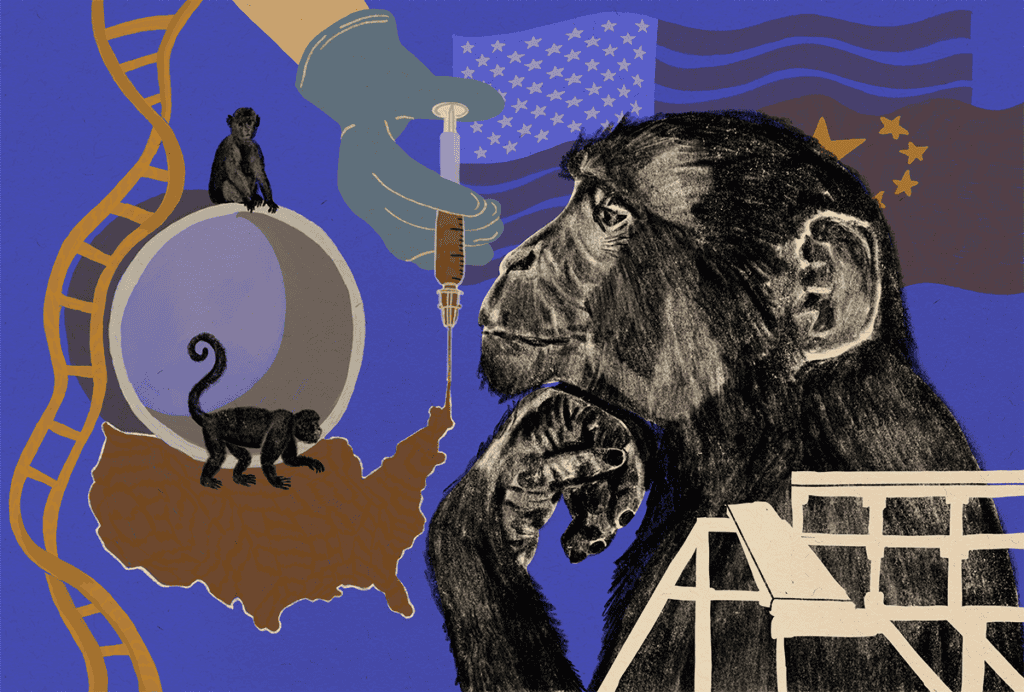
U.S. national primate research centers face an uncertain future
The facilities were meant to last 100 years. Four decades shy of that mark, amid flatlined funds and mounting political pressure, their directors are trying to find a path forward.
U.S. national primate research centers face an uncertain future
The facilities were meant to last 100 years. Four decades shy of that mark, amid flatlined funds and mounting political pressure, their directors are trying to find a path forward.
By
Calli McMurray
9 October 2026 | 12 min read
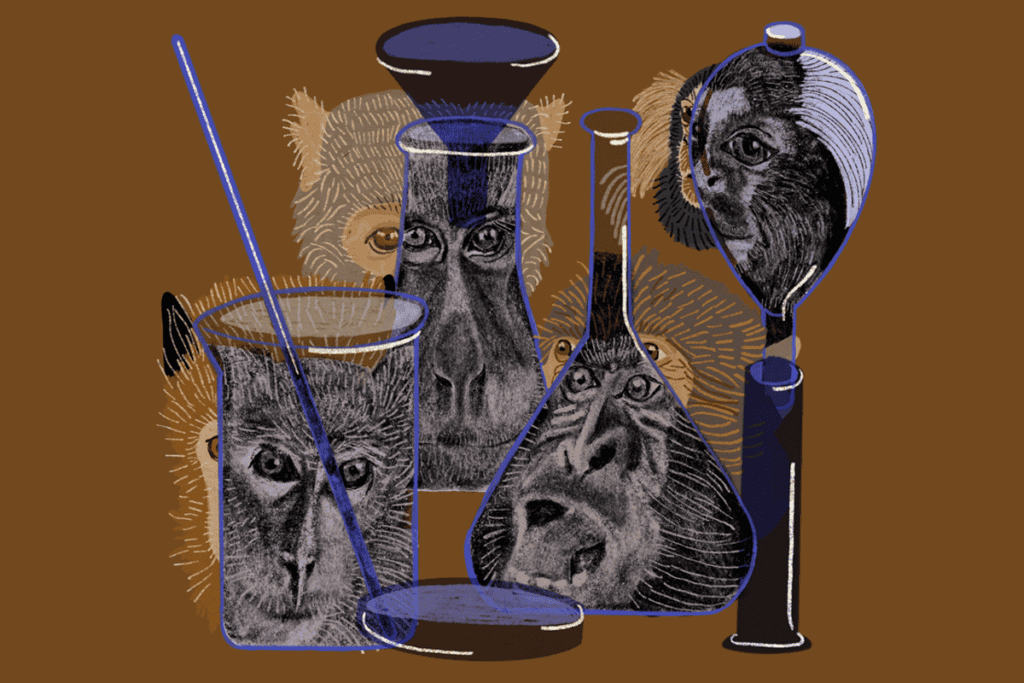
What if nonhuman primate research goes away?
As the U.S. government takes steps to stop using nonhuman primates in research, The Transmitter investigates what that shift could mean for neuroscience.
What if nonhuman primate research goes away?
As the U.S. government takes steps to stop using nonhuman primates in research, The Transmitter investigates what that shift could mean for neuroscience.
By
The Transmitter
9 October 2026 | 2 min read