Neuro education
Recent articles
Essays on how to better train and teach the next generation of neuroscientists.
How to incorporate open-science practices into neuroscience training
If we want emerging neuroscientists to implement open science throughout their careers, we need to establish its practices as a core principle of training.
How to incorporate open-science practices into neuroscience training
If we want emerging neuroscientists to implement open science throughout their careers, we need to establish its practices as a core principle of training.

Reforming neuroscience graduate education for—and with—AI
In disrupting the status quo, artificial intelligence can help us critically reassess and redefine what neuroscience graduate training should look like—and potentially address long-standing training challenges in novel and innovative ways.
Reforming neuroscience graduate education for—and with—AI
In disrupting the status quo, artificial intelligence can help us critically reassess and redefine what neuroscience graduate training should look like—and potentially address long-standing training challenges in novel and innovative ways.

‘Friction-maxxing’ in school: Students should read primary literature, not AI summaries
Trainees need to learn how to identify a neuroscience paper’s major takeaways and integrate them into their understanding. This skill doesn’t come from outsourcing the work to large language models.
‘Friction-maxxing’ in school: Students should read primary literature, not AI summaries
Trainees need to learn how to identify a neuroscience paper’s major takeaways and integrate them into their understanding. This skill doesn’t come from outsourcing the work to large language models.
Let’s teach neuroscientists how to be thoughtful and fair reviewers
Blanco-Suárez revamped the traditional journal club by developing a course in which students peer review preprints alongside the published papers that evolved from them.
Let’s teach neuroscientists how to be thoughtful and fair reviewers
Blanco-Suárez revamped the traditional journal club by developing a course in which students peer review preprints alongside the published papers that evolved from them.
Explore more from The Transmitter
How new technologies can bring primatologists and systems neuroscientists together
The two groups study the same behavioral phenomena yet rarely interact or read each other's work—a mutual blind spot that weakens both fields. New technologies offer a chance to bring them together.
How new technologies can bring primatologists and systems neuroscientists together
The two groups study the same behavioral phenomena yet rarely interact or read each other's work—a mutual blind spot that weakens both fields. New technologies offer a chance to bring them together.
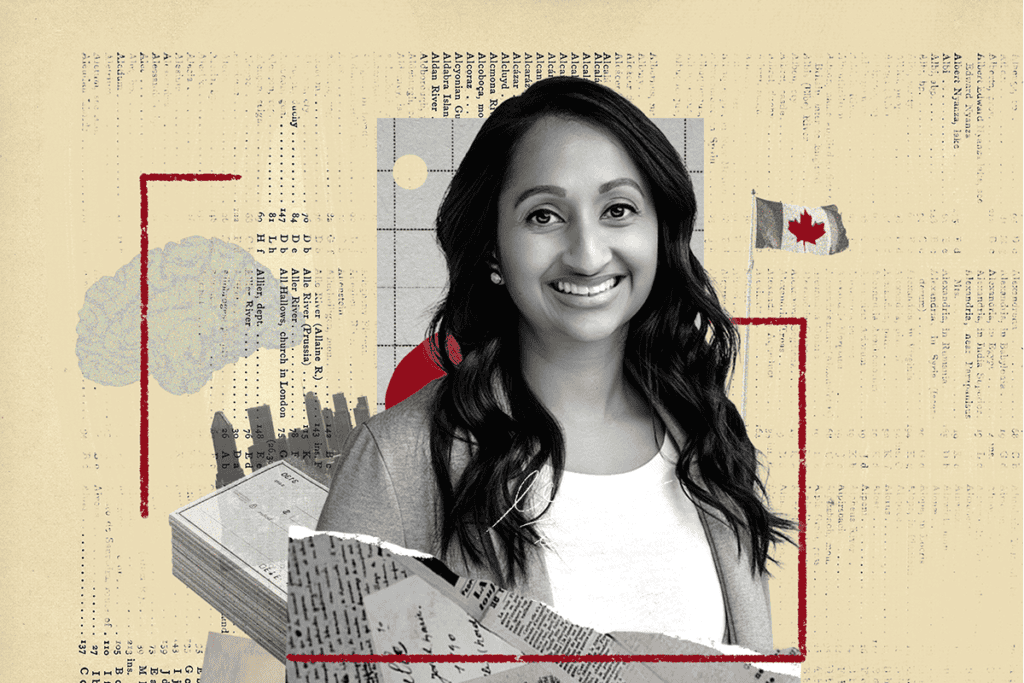
Creating community through grant support
Fiona Sanderson, a senior program manager at the Brain Canada Foundation, shares how she got into grant administration and how she helps connect researchers with funding and one another.
Creating community through grant support
Fiona Sanderson, a senior program manager at the Brain Canada Foundation, shares how she got into grant administration and how she helps connect researchers with funding and one another.
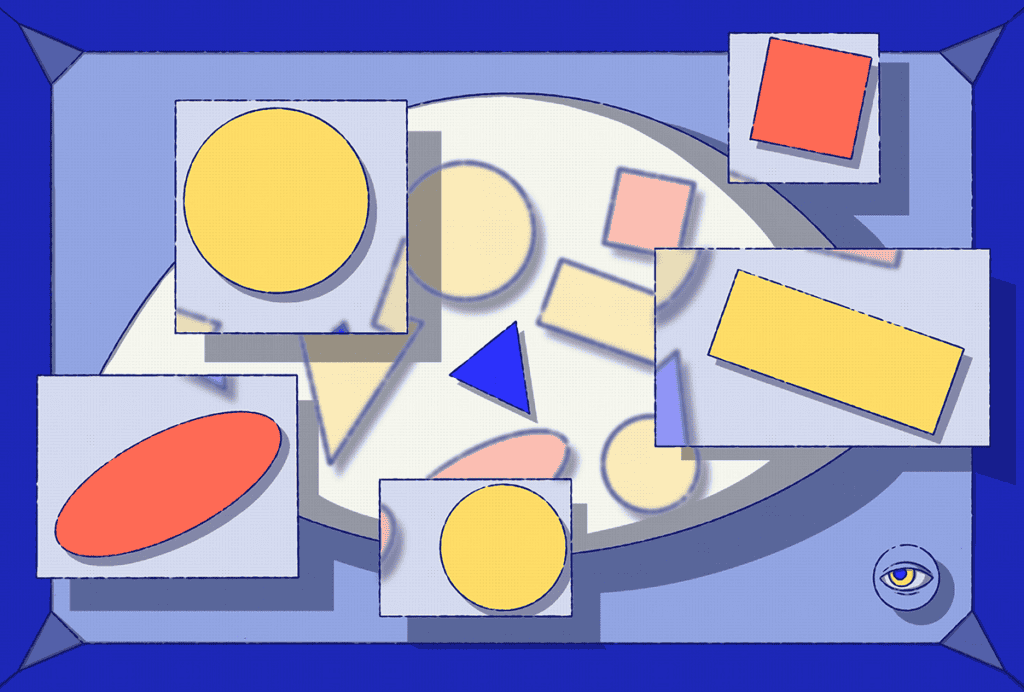
This paper changed my life: A first glimpse into the ‘middle’ of brain processing
Work by Jeffrey Moran and Robert Desimone showed that monkeys could focus their attention on different stimuli in their visual field without shifting their gaze. Their work marked a key milestone in the emergence of cognitive neuroscience.
This paper changed my life: A first glimpse into the ‘middle’ of brain processing
Work by Jeffrey Moran and Robert Desimone showed that monkeys could focus their attention on different stimuli in their visual field without shifting their gaze. Their work marked a key milestone in the emergence of cognitive neuroscience.