Social communication on the spectrum
Recent articles
Featured articles
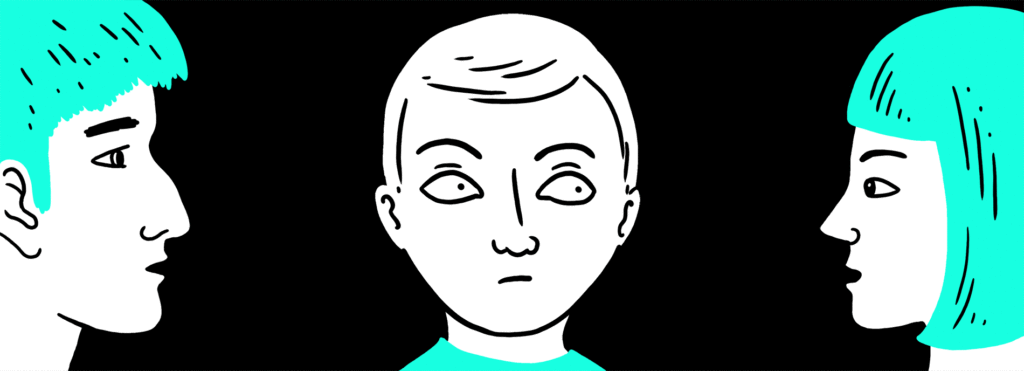
Where communication breaks down for people with autism
People on the spectrum often have subtle problems using language or making facial expressions. Pinpointing where those difficulties originate may help ease their social communication.
Where communication breaks down for people with autism
People on the spectrum often have subtle problems using language or making facial expressions. Pinpointing where those difficulties originate may help ease their social communication.
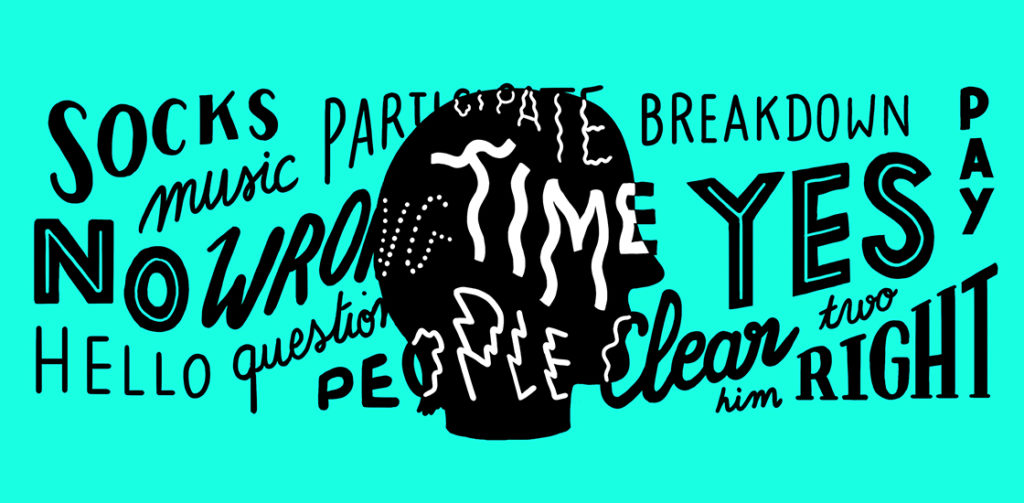
Social communication in autism, explained
Communication problems have always been considered a core feature of autism. Yet there are substantial and wide-ranging differences in how people with autism communicate.
Social communication in autism, explained
Communication problems have always been considered a core feature of autism. Yet there are substantial and wide-ranging differences in how people with autism communicate.
Spectrum Stories: Autism, in a manner of speaking
In this episode of “Spectrum Stories,” host Jacob Brogan explains how speech — from its rhythm to its emotional content — can differ in people with autism, making social communication difficult.
Spectrum Stories: Autism, in a manner of speaking
In this episode of “Spectrum Stories,” host Jacob Brogan explains how speech — from its rhythm to its emotional content — can differ in people with autism, making social communication difficult.
From the archives
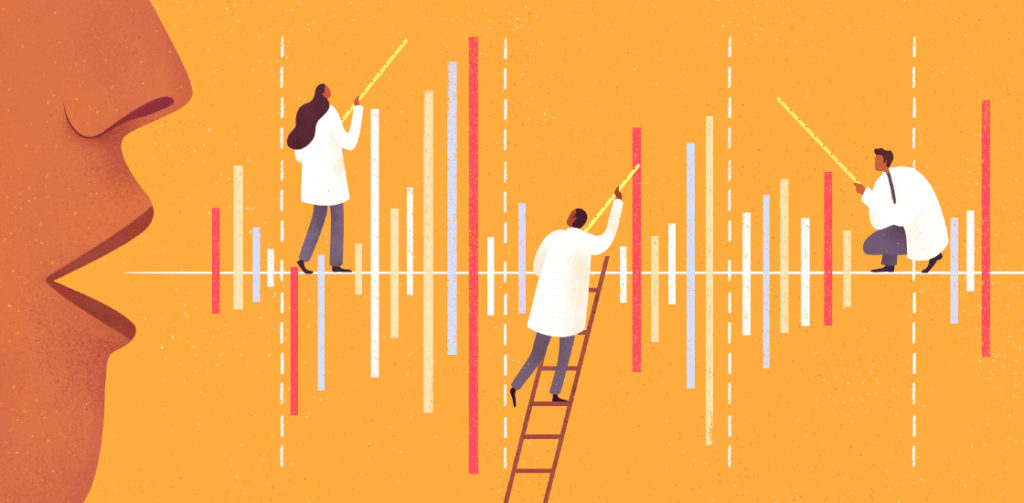
‘Tone’ of phrase may differ in autism, but meaning is clear
Adults who have autism speak with unusual emphases and tone, but their speech still conveys the intended emotions.
‘Tone’ of phrase may differ in autism, but meaning is clear
Adults who have autism speak with unusual emphases and tone, but their speech still conveys the intended emotions.
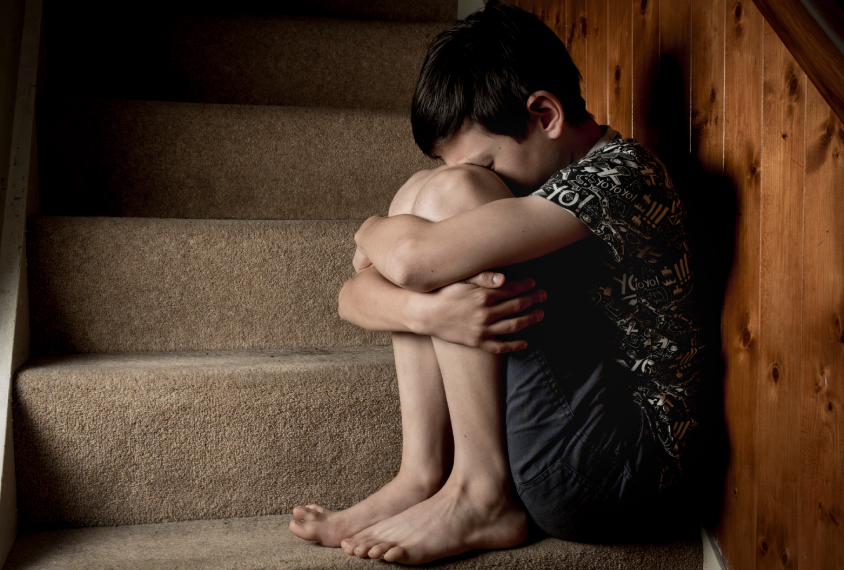
Anxiety may heighten social communication challenges in autism
Anxiety may exacerbate social communication problems in children with autism — and not the other way around.
Anxiety may heighten social communication challenges in autism
Anxiety may exacerbate social communication problems in children with autism — and not the other way around.

Questions for Letitia Naigles: Parsing pronoun confusion
Children with autism tend to mix up personal pronouns when their language skills outpace their social awareness.
Questions for Letitia Naigles: Parsing pronoun confusion
Children with autism tend to mix up personal pronouns when their language skills outpace their social awareness.
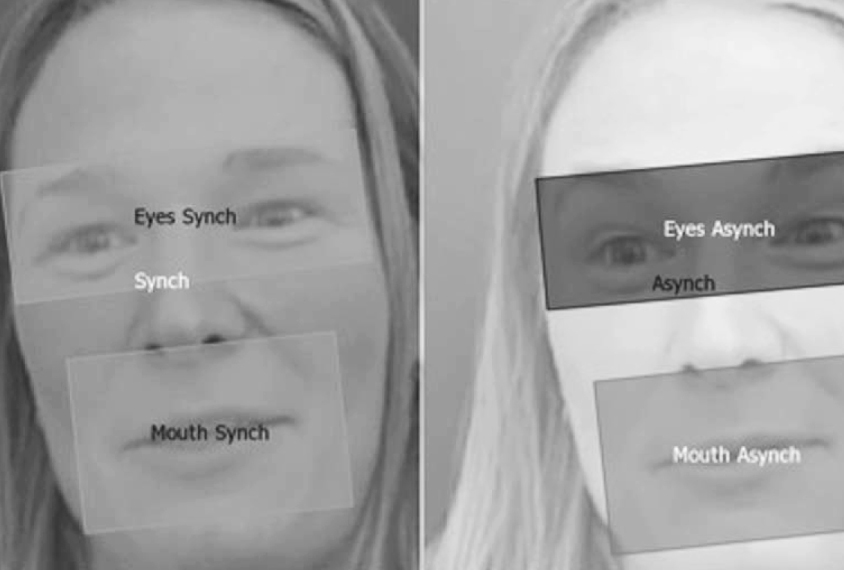
Sensory aspects of speech linked to language issues in autism
Language problems in children with autism may be partially rooted in an inability to integrate sight and sound when other people talk.
Sensory aspects of speech linked to language issues in autism
Language problems in children with autism may be partially rooted in an inability to integrate sight and sound when other people talk.
The social network: How everyday interactions shape autism
A new study is the first rigorous test of a controversial idea: that the everyday interactions between caregiver and child can shape the course of autism.
The social network: How everyday interactions shape autism
A new study is the first rigorous test of a controversial idea: that the everyday interactions between caregiver and child can shape the course of autism.
Study finds grammar tics in children with autism
Children with autism don’t follow certain grammatical rules, according to one of the few studies of the disorder from the field of linguistics.
Study finds grammar tics in children with autism
Children with autism don’t follow certain grammatical rules, according to one of the few studies of the disorder from the field of linguistics.
New diagnosis covers ‘borderlands’ of autism spectrum
Children with social communication disorder have the same features as children with autism; they just have fewer of the features.
New diagnosis covers ‘borderlands’ of autism spectrum
Children with social communication disorder have the same features as children with autism; they just have fewer of the features.
Social language lapses hint at syndrome distinct from autism
Some siblings of children with autism have social language impairments that may signal another, more controversial disorder.
Social language lapses hint at syndrome distinct from autism
Some siblings of children with autism have social language impairments that may signal another, more controversial disorder.

A call to scientists to develop communication tools for autism
People with autism who speak few or no words need tools that can help them communicate. Scientists could make this happen.
A call to scientists to develop communication tools for autism
People with autism who speak few or no words need tools that can help them communicate. Scientists could make this happen.

Why no one needs a diagnosis of ‘social communication disorder’
A diagnosis of social communication disorder only keeps people from a community and resources they desperately want and need.
Why no one needs a diagnosis of ‘social communication disorder’
A diagnosis of social communication disorder only keeps people from a community and resources they desperately want and need.
Explore more from The Transmitter
The term ‘model organism’ should be reserved for biological systems
By referring to artificial neural networks as model organisms, we run the risk of distorting funding priorities and disregard the explanatory power of a shared evolutionary history across biological organisms.
The term ‘model organism’ should be reserved for biological systems
By referring to artificial neural networks as model organisms, we run the risk of distorting funding priorities and disregard the explanatory power of a shared evolutionary history across biological organisms.
New phase of BRAIN Initiative spawns basal ganglia ‘parts list’
With a standardized cell naming system and infrastructure for data collection and analysis, the basal ganglia project sets the stage for a whole-brain primate atlas.
New phase of BRAIN Initiative spawns basal ganglia ‘parts list’
With a standardized cell naming system and infrastructure for data collection and analysis, the basal ganglia project sets the stage for a whole-brain primate atlas.
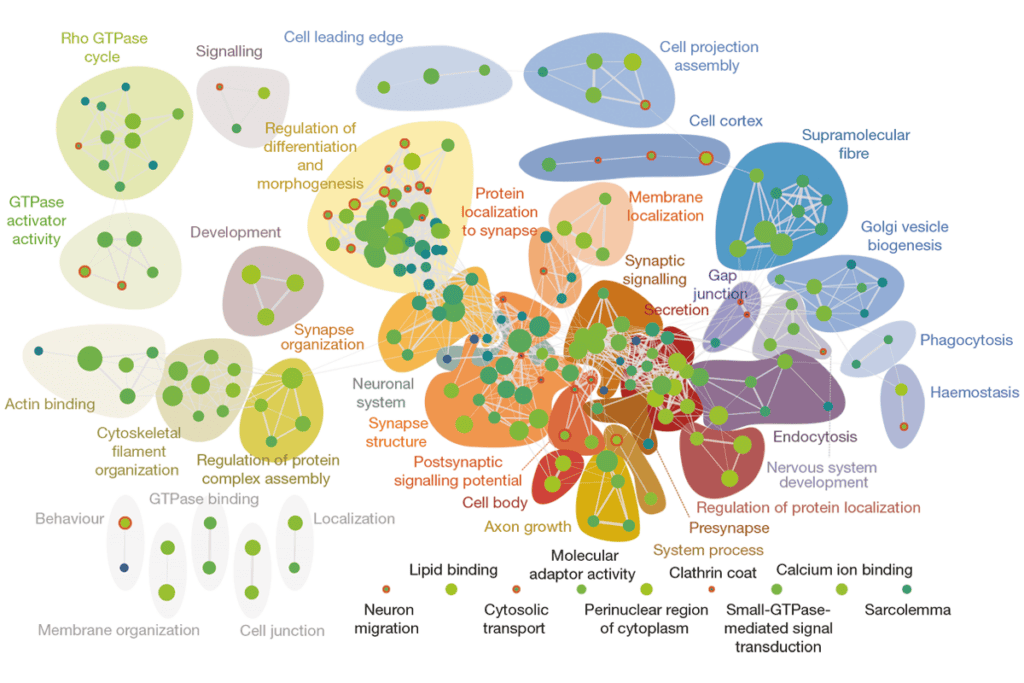
Machine-learning model spots autism-linked variants that scramble splicing
The model provides a way to investigate genetic variation in regions of the genome whose functions have been difficult to interpret.
Machine-learning model spots autism-linked variants that scramble splicing
The model provides a way to investigate genetic variation in regions of the genome whose functions have been difficult to interpret.