Defining cell types
Recent articles
This series explores how new high-throughput technologies are changing the way we define brain-cell types—and the challenges that remain.

From genes to dynamics: Examining brain cell types in action may reveal the logic of brain function
Defining brain cell types is no longer a matter of classification alone, but of embedding their genetic identities within the dynamical organization of population activity.
From genes to dynamics: Examining brain cell types in action may reveal the logic of brain function
Defining brain cell types is no longer a matter of classification alone, but of embedding their genetic identities within the dynamical organization of population activity.
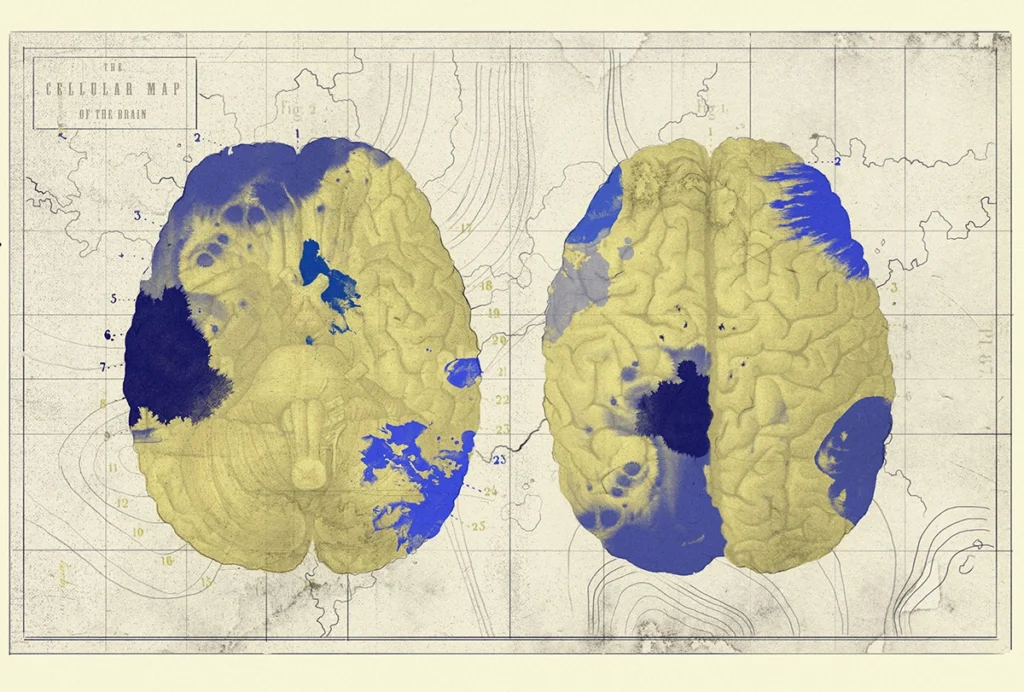
Knowledge graphs can help make sense of the flood of cell-type data
These tools, widely used in the technology industry, could provide a foundation for the study of brain circuits.
Knowledge graphs can help make sense of the flood of cell-type data
These tools, widely used in the technology industry, could provide a foundation for the study of brain circuits.
Where do cell states end and cell types begin?
High-throughput transcriptomics offers powerful new methods for defining different types of brain cells. But we need to think more explicitly about how we use these data to distinguish a cell’s permanent identity from its transient states.
Where do cell states end and cell types begin?
High-throughput transcriptomics offers powerful new methods for defining different types of brain cells. But we need to think more explicitly about how we use these data to distinguish a cell’s permanent identity from its transient states.
Building a brain: How does it generate its exquisite diversity of cells?
High-throughput technologies have revealed new insights into how the brain develops. But a truly comprehensive map of neurodevelopment requires further advances.
Building a brain: How does it generate its exquisite diversity of cells?
High-throughput technologies have revealed new insights into how the brain develops. But a truly comprehensive map of neurodevelopment requires further advances.
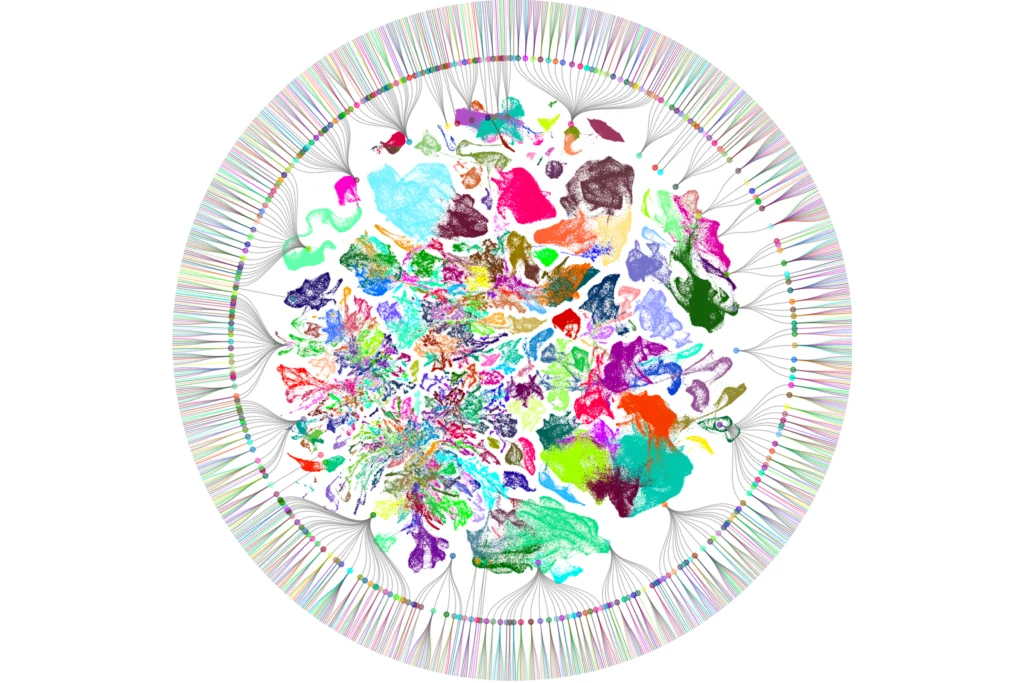
Welcome to the second single-cell revolution: New high-throughput technologies are transforming how we define neurons
This ongoing essay series will explore questions these technologies raise, as well as opportunities they provide for understanding development, evolution and disease.
Welcome to the second single-cell revolution: New high-throughput technologies are transforming how we define neurons
This ongoing essay series will explore questions these technologies raise, as well as opportunities they provide for understanding development, evolution and disease.
Explore more from The Transmitter
How new technologies can bring primatologists and systems neuroscientists together
The two groups study the same behavioral phenomena yet rarely interact or read each other's work—a mutual blind spot that weakens both fields. New technologies offer a chance to bring them together.
How new technologies can bring primatologists and systems neuroscientists together
The two groups study the same behavioral phenomena yet rarely interact or read each other's work—a mutual blind spot that weakens both fields. New technologies offer a chance to bring them together.

Creating community through grant support
Fiona Sanderson, a senior program manager at the Brain Canada Foundation, shares how she got into grant administration and how she helps connect researchers with funding and one another.
Creating community through grant support
Fiona Sanderson, a senior program manager at the Brain Canada Foundation, shares how she got into grant administration and how she helps connect researchers with funding and one another.

This paper changed my life: A first glimpse into the ‘middle’ of brain processing
Work by Jeffrey Moran and Robert Desimone showed that monkeys could focus their attention on different stimuli in their visual field without shifting their gaze. Their work marked a key milestone in the emergence of cognitive neuroscience.
This paper changed my life: A first glimpse into the ‘middle’ of brain processing
Work by Jeffrey Moran and Robert Desimone showed that monkeys could focus their attention on different stimuli in their visual field without shifting their gaze. Their work marked a key milestone in the emergence of cognitive neuroscience.