Funding and policy
Recent articles
Stories about research grants, funding models and the business of science
Latest

Funding for animal research alternatives reaches ‘inflection point’
Securing the academic pipeline amid uncertain U.S. funding climate
New autism committee positions itself as science-backed alternative to government group
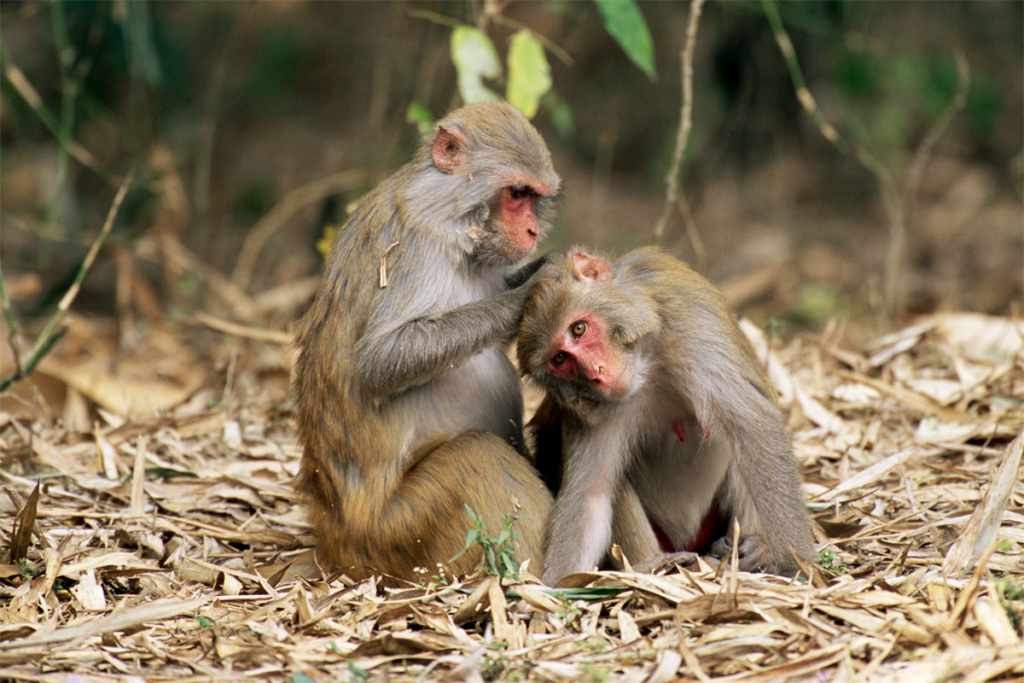
Two primate centers drop ‘primate’ from their name

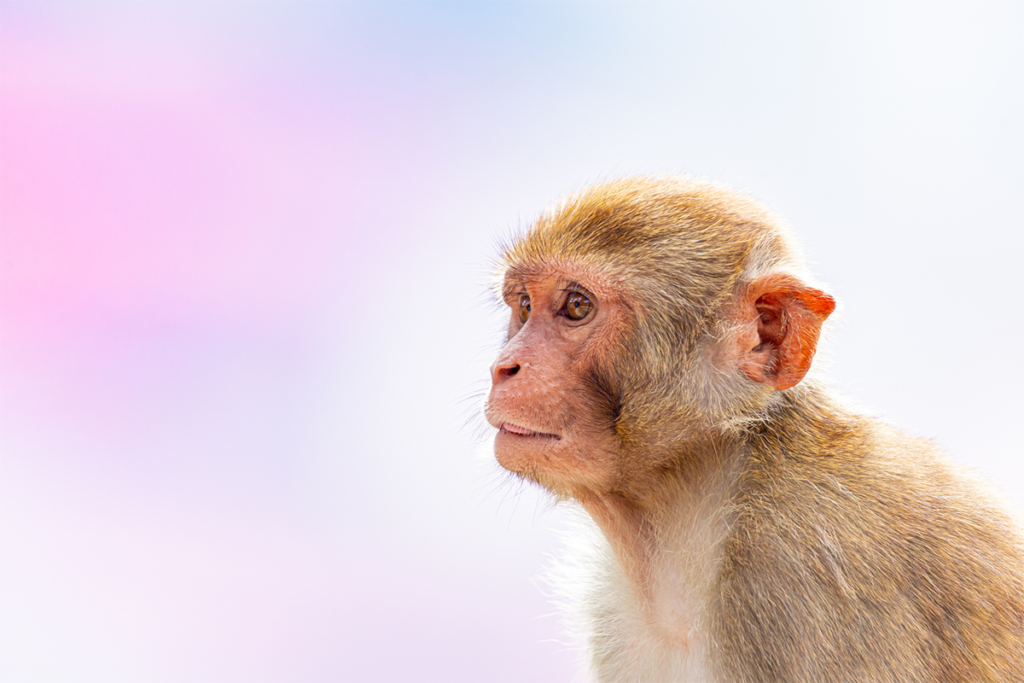
Oregon primate research center to negotiate with NIH on possible transition to sanctuary

‘Peer review is our strength’: Q&A with Walter Koroshetz, former NINDS director
BRAIN Initiative researchers ‘dream big’ amid shifts in leadership, funding
Without monkeys, neuroscience has no future

Our searchable repository of useful research can restore trust in federally funded basic science

Neuroscience, BRAIN Initiative gain budget in ‘bad’ NIH funding bill
The bill goes before the House of Representatives today and outlines increases for neuroscience-related research—including a 33 percent increase to the BRAIN Initiative—but maintains a multiyear spending approach that could limit the number of grants awarded overall.
Neuroscience, BRAIN Initiative gain budget in ‘bad’ NIH funding bill
The bill goes before the House of Representatives today and outlines increases for neuroscience-related research—including a 33 percent increase to the BRAIN Initiative—but maintains a multiyear spending approach that could limit the number of grants awarded overall.
Neuroscience’s leaders, legacies and rising stars of 2025
Here are seven stories from the past year about some of the field’s most engaging figures.
Neuroscience’s leaders, legacies and rising stars of 2025
Here are seven stories from the past year about some of the field’s most engaging figures.
The Transmitter’s top news articles of 2025
Check out some of our most-read stories, covering neuroscience funding and policy changes in the United States, and methodological issues in high-profile neuroscience papers.
The Transmitter’s top news articles of 2025
Check out some of our most-read stories, covering neuroscience funding and policy changes in the United States, and methodological issues in high-profile neuroscience papers.
Talking shop: The Transmitter’s top quotes of 2025
Find out what “may be one of the brain’s most underappreciated superpowers” and why it’s so crucial to “talk about our research in our everyday lives.”
Talking shop: The Transmitter’s top quotes of 2025
Find out what “may be one of the brain’s most underappreciated superpowers” and why it’s so crucial to “talk about our research in our everyday lives.”
The Transmitter’s favorite essays of 2025
Throughout a tumultuous year in science, researchers opined on policy changes and funding uncertainty, as well as scientific trends and the impact of artificial-intelligence tools on the field.
The Transmitter’s favorite essays of 2025
Throughout a tumultuous year in science, researchers opined on policy changes and funding uncertainty, as well as scientific trends and the impact of artificial-intelligence tools on the field.
Explore more from The Transmitter
Neuroscience conference policy draws confusion, apology
NeurIPS organizers apologized and altered course after issuing a policy that barred submissions from researchers at U.S.-government-sanctioned institutions.
Neuroscience conference policy draws confusion, apology
NeurIPS organizers apologized and altered course after issuing a policy that barred submissions from researchers at U.S.-government-sanctioned institutions.

‘Friction-maxxing’ in school: Students should read primary literature, not AI summaries
Trainees need to learn how to identify a neuroscience paper’s major takeaways and integrate them into their understanding. This skill doesn’t come from outsourcing the work to large language models.
‘Friction-maxxing’ in school: Students should read primary literature, not AI summaries
Trainees need to learn how to identify a neuroscience paper’s major takeaways and integrate them into their understanding. This skill doesn’t come from outsourcing the work to large language models.
Head direction cells stably orient mice to outside world
The cells’ representations show little drift over time—unlike those of other navigation system neurons—and may provide a “rigid backbone” for more flexible sensory and cognitive responses.
Head direction cells stably orient mice to outside world
The cells’ representations show little drift over time—unlike those of other navigation system neurons—and may provide a “rigid backbone” for more flexible sensory and cognitive responses.