Monkeys
Recent articles
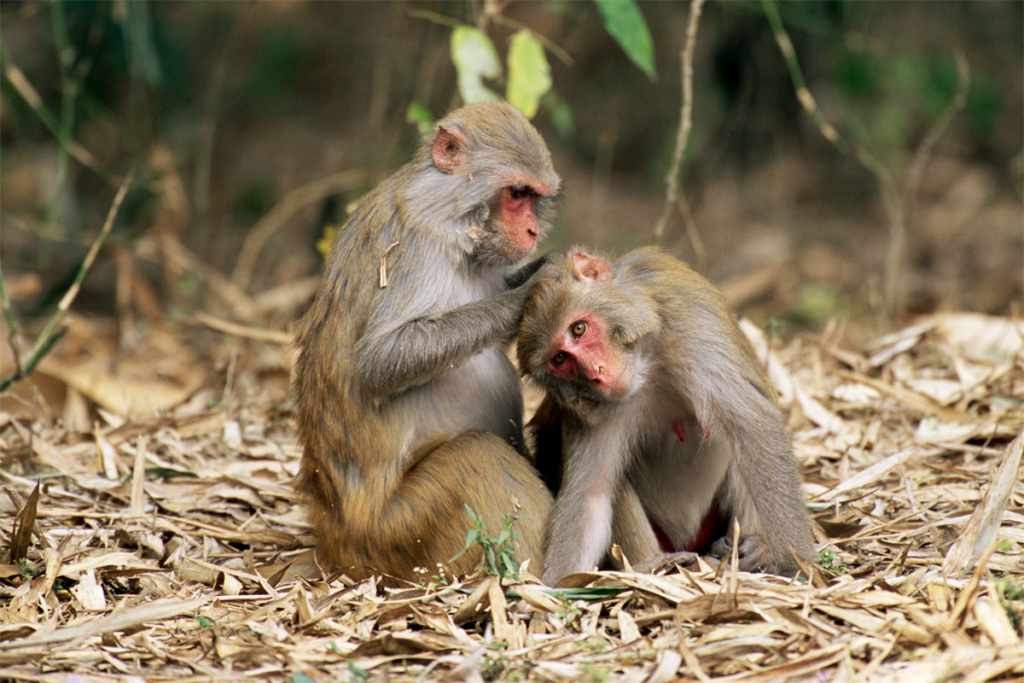
Two primate centers drop ‘primate’ from their name
The Washington and Tulane National Biomedical Research Centers—formerly called National Primate Research Centers—say they made the change to better reflect the breadth of research performed at the centers.
Two primate centers drop ‘primate’ from their name
The Washington and Tulane National Biomedical Research Centers—formerly called National Primate Research Centers—say they made the change to better reflect the breadth of research performed at the centers.
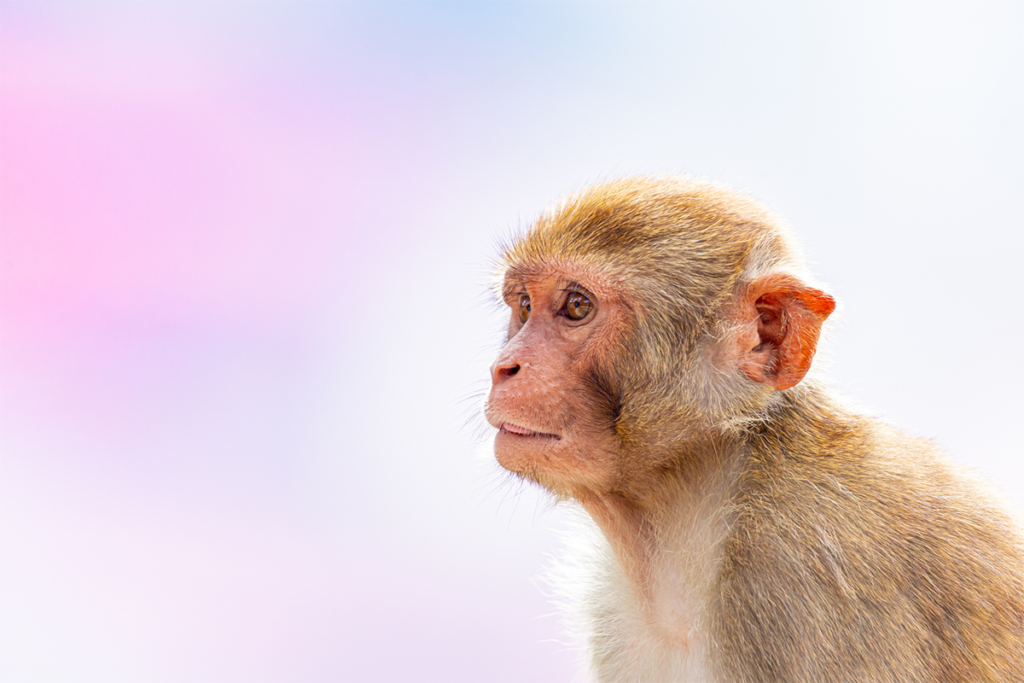
Oregon primate research center to negotiate with NIH on possible transition to sanctuary
The board of directors at Oregon Health & Science University, which runs the primate center, voted unanimously in favor of the move.
Oregon primate research center to negotiate with NIH on possible transition to sanctuary
The board of directors at Oregon Health & Science University, which runs the primate center, voted unanimously in favor of the move.
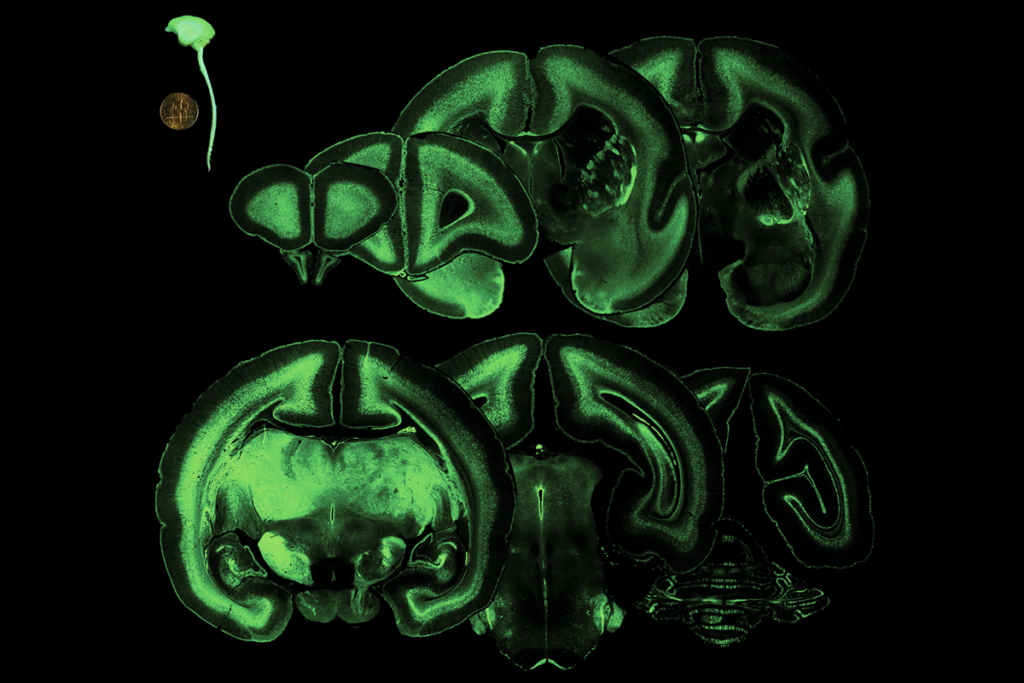
Prenatal viral injections prime primate brain for study
The approach makes it possible to deploy tools such as CRISPR and optogenetics across the monkey brain before birth.
Prenatal viral injections prime primate brain for study
The approach makes it possible to deploy tools such as CRISPR and optogenetics across the monkey brain before birth.
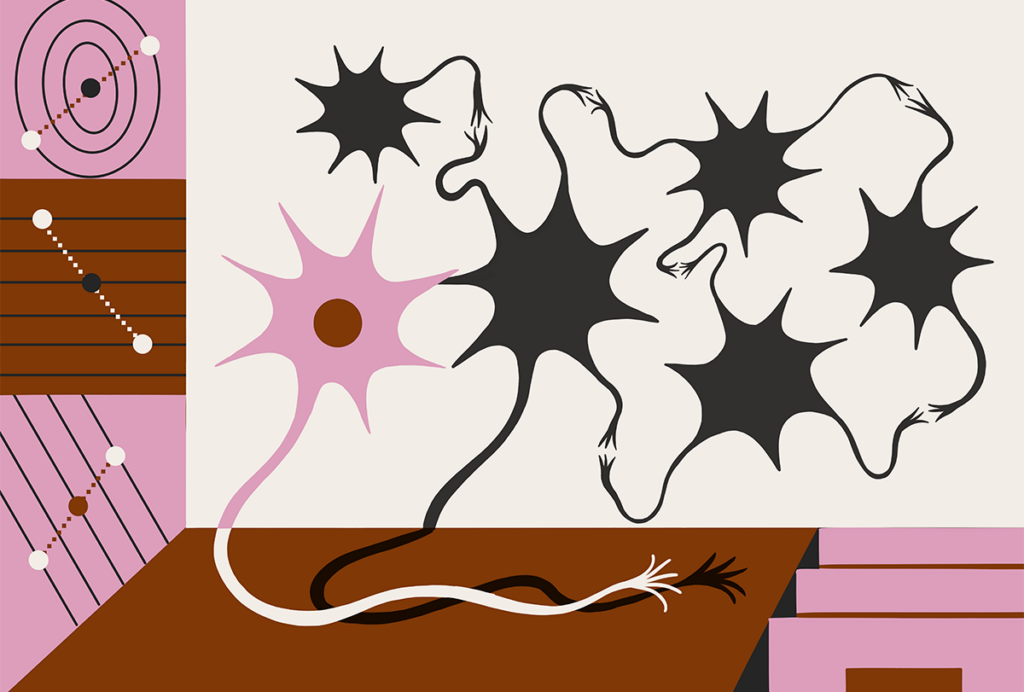
This paper changed my life: Nancy Padilla-Coreano on learning the value of population coding
The 2013 Nature paper by Mattia Rigotti and his colleagues revealed how mixed selectivity neurons—cells that are not selectively tuned to a stimulus—play a key role in cognition.
This paper changed my life: Nancy Padilla-Coreano on learning the value of population coding
The 2013 Nature paper by Mattia Rigotti and his colleagues revealed how mixed selectivity neurons—cells that are not selectively tuned to a stimulus—play a key role in cognition.
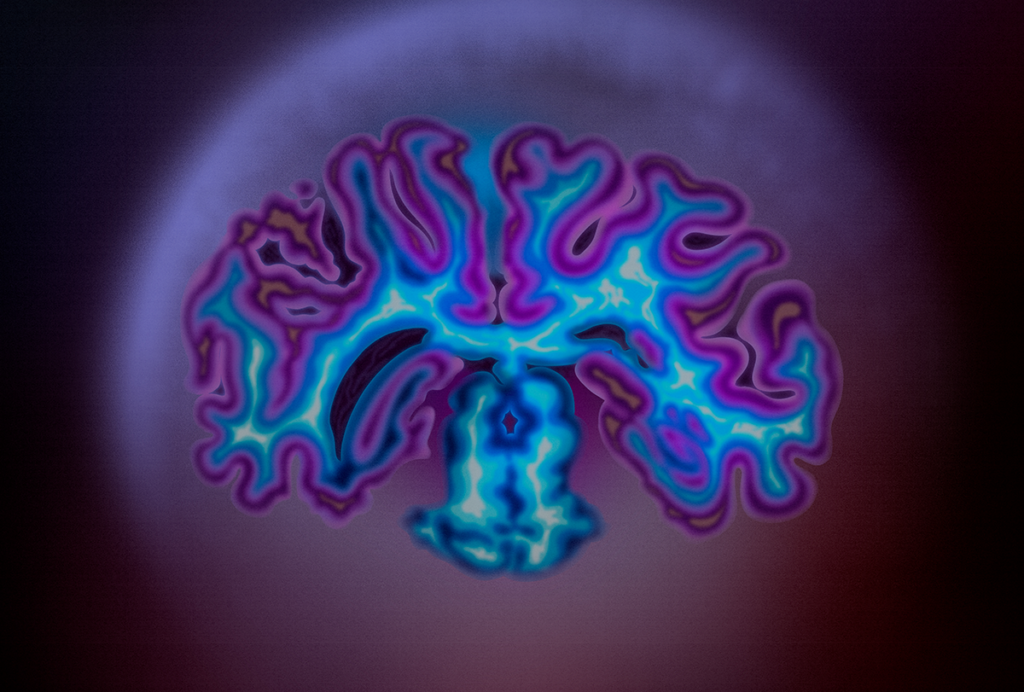
Without monkeys, neuroscience has no future
Research in primate brains has been essential for the development of brain-computer interfaces and artificial neural networks. New funding and policy changes put the future of such advances at risk.
Without monkeys, neuroscience has no future
Research in primate brains has been essential for the development of brain-computer interfaces and artificial neural networks. New funding and policy changes put the future of such advances at risk.
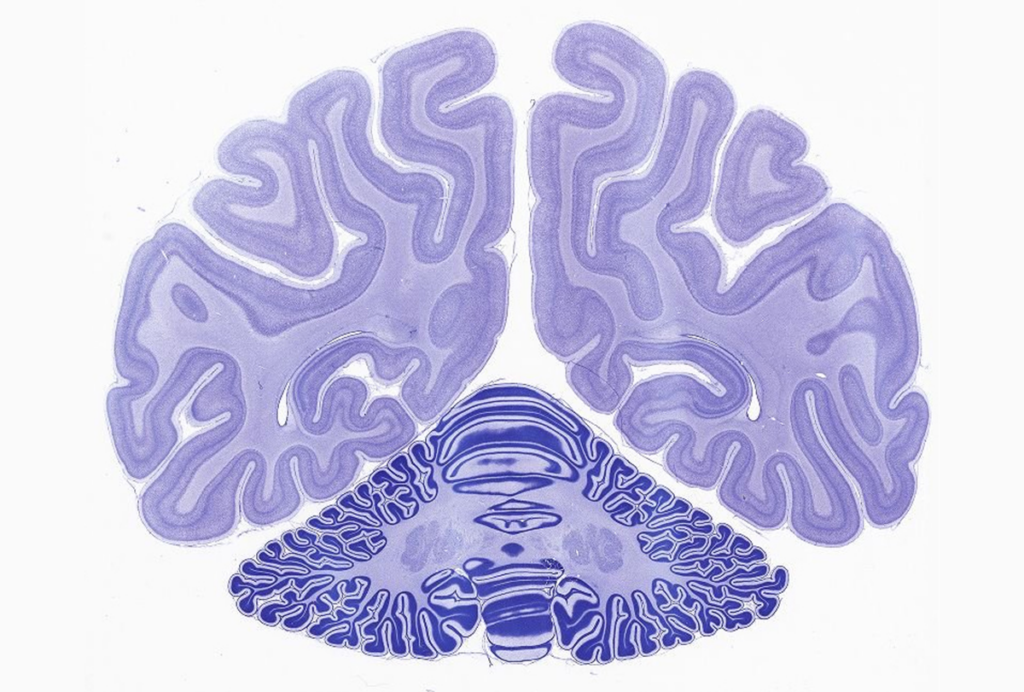
Nonhuman primate research to lose federal funding at major European facility
The Dutch Senate has ordered the Biomedical Primate Research Centre in the Netherlands to shift its funding away from primate experiments by 2030.
Nonhuman primate research to lose federal funding at major European facility
The Dutch Senate has ordered the Biomedical Primate Research Centre in the Netherlands to shift its funding away from primate experiments by 2030.

‘What Is Intelligence?’: An excerpt
In his new book, published today, Blaise Agüera y Arcas examines the fundamental aspects of intelligence in biological and artificial systems. In this excerpt from Chapter 4, he examines temporal difference, a reinforcement learning algorithm.
‘What Is Intelligence?’: An excerpt
In his new book, published today, Blaise Agüera y Arcas examines the fundamental aspects of intelligence in biological and artificial systems. In this excerpt from Chapter 4, he examines temporal difference, a reinforcement learning algorithm.
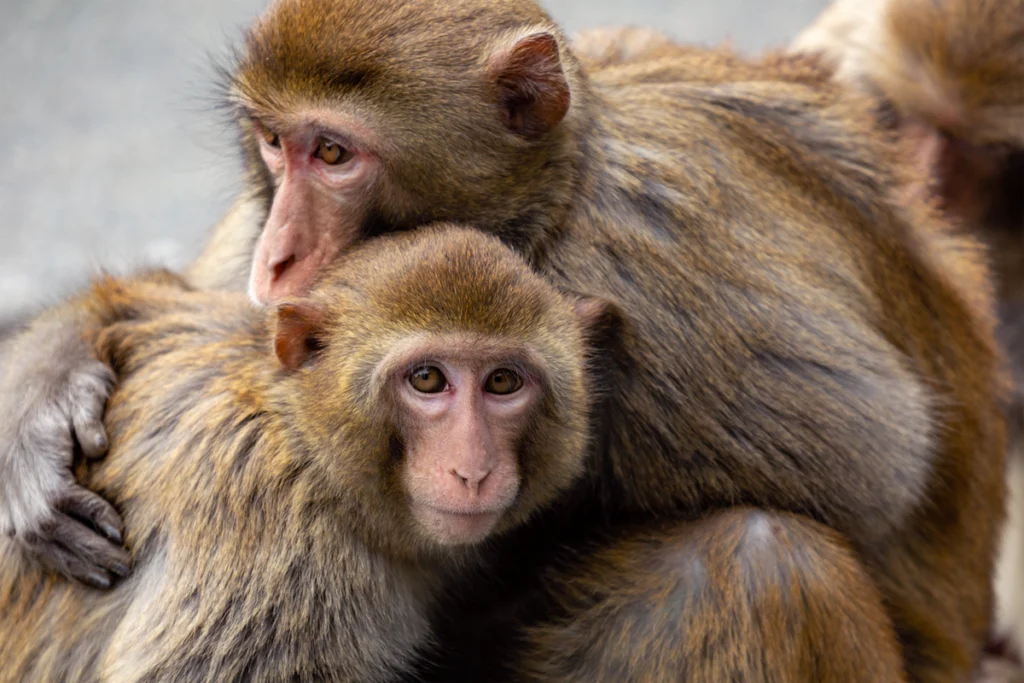
Vasopressin boosts sociability in solitary monkeys
Inhaling the hormone did not increase aggression in unsociable rhesus macaques and appears to help the animals remember faces and reciprocate friendly behaviors.
Vasopressin boosts sociability in solitary monkeys
Inhaling the hormone did not increase aggression in unsociable rhesus macaques and appears to help the animals remember faces and reciprocate friendly behaviors.
Expanding set of viral tools targets almost any brain cell type
Harmless viruses that encase short noncoding DNA elements called enhancers enable cell-type-specific gene delivery across the central nervous system in rodents and primates.
Expanding set of viral tools targets almost any brain cell type
Harmless viruses that encase short noncoding DNA elements called enhancers enable cell-type-specific gene delivery across the central nervous system in rodents and primates.
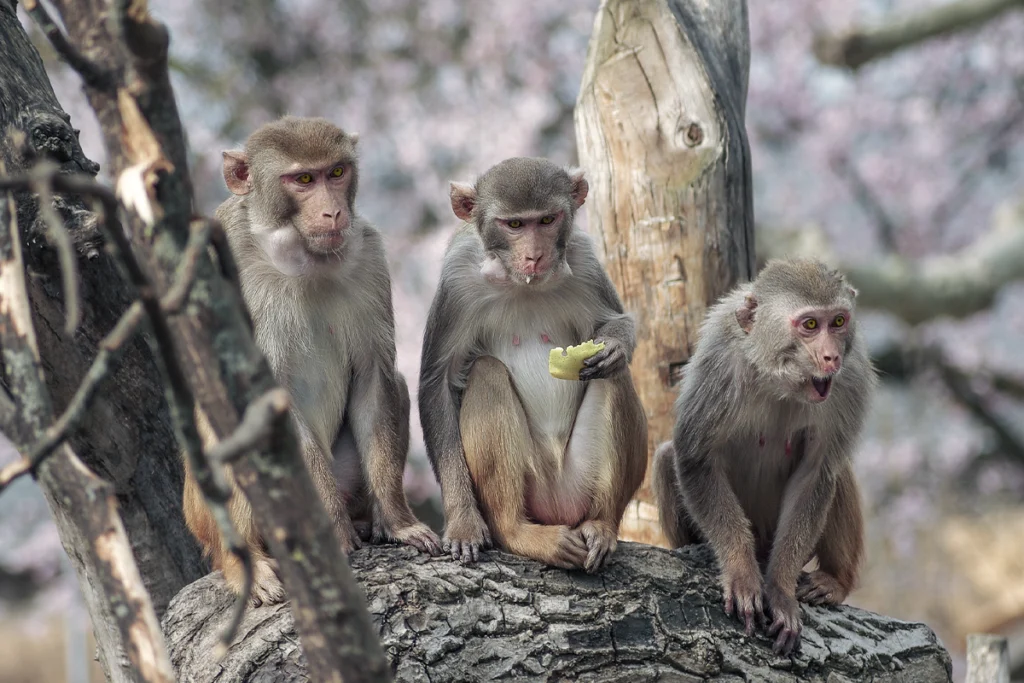
Monkeys’ amygdala cells adapt to social status
The cells’ activity reflects social hierarchies and may enable flexible behavior.
Monkeys’ amygdala cells adapt to social status
The cells’ activity reflects social hierarchies and may enable flexible behavior.
Explore more from The Transmitter
Error equation predicts brain’s ability to generalize
Four statistical measurements of neural network geometry capture how well brains and artificial networks use what they already know to solve new problems, a study suggests.
Error equation predicts brain’s ability to generalize
Four statistical measurements of neural network geometry capture how well brains and artificial networks use what they already know to solve new problems, a study suggests.

Embrace complexity to improve the translatability of basic neuroscience
Researchers must learn to view heterogeneity as an essential feature of the systems they study and a central consideration in experimental design, not a variable to control for or reduce.
Embrace complexity to improve the translatability of basic neuroscience
Researchers must learn to view heterogeneity as an essential feature of the systems they study and a central consideration in experimental design, not a variable to control for or reduce.
Romain Brette reveals fundamental flaws in commonly assumed neuroscience concepts
His new book, “The Brain, In Theory,” offers alternatives to many of the computer science frameworks currently driving theoretical neuroscience.
Romain Brette reveals fundamental flaws in commonly assumed neuroscience concepts
His new book, “The Brain, In Theory,” offers alternatives to many of the computer science frameworks currently driving theoretical neuroscience.