Parkinson’s disease
Recent articles
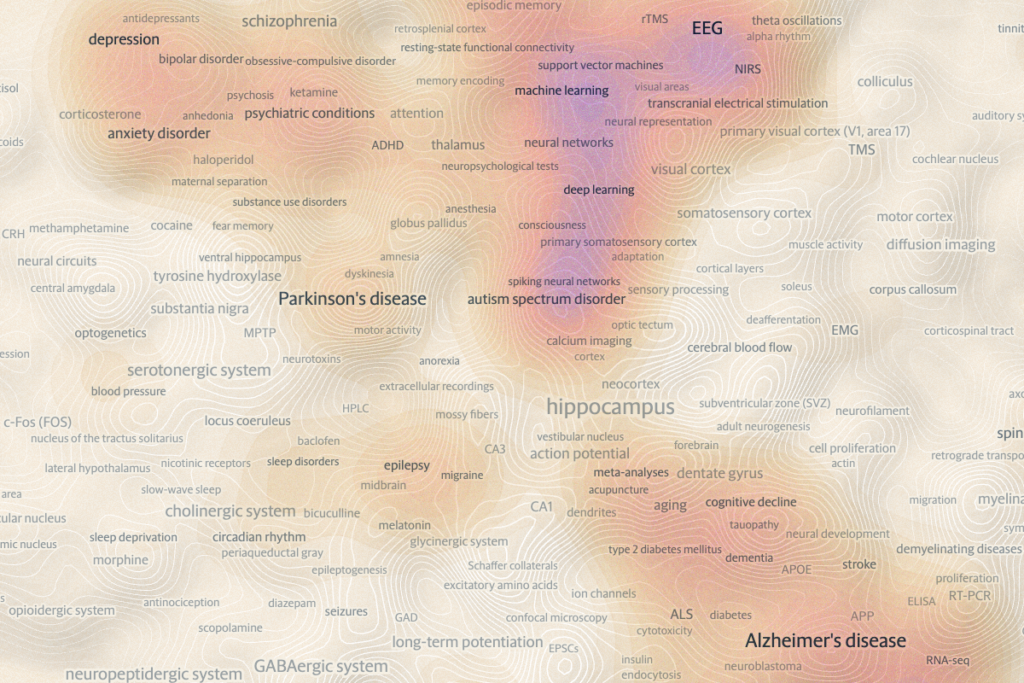
Putting 50 years of neuroscience on the map
Navigate the rise and fall of research topics over five decades using our interactive map, which is based on a semantic analysis of nearly 350,000 abstracts in leading neuroscience journals.
Putting 50 years of neuroscience on the map
Navigate the rise and fall of research topics over five decades using our interactive map, which is based on a semantic analysis of nearly 350,000 abstracts in leading neuroscience journals.
‘Elusive Cures: Why Neuroscience Hasn’t Solved Brain Disorders—and How We Can Change That,’ an excerpt
In her new book, published today, neuroscientist Nicole Rust takes us on her personal quest to spell out the brain research community’s “Grand Plan.”
‘Elusive Cures: Why Neuroscience Hasn’t Solved Brain Disorders—and How We Can Change That,’ an excerpt
In her new book, published today, neuroscientist Nicole Rust takes us on her personal quest to spell out the brain research community’s “Grand Plan.”
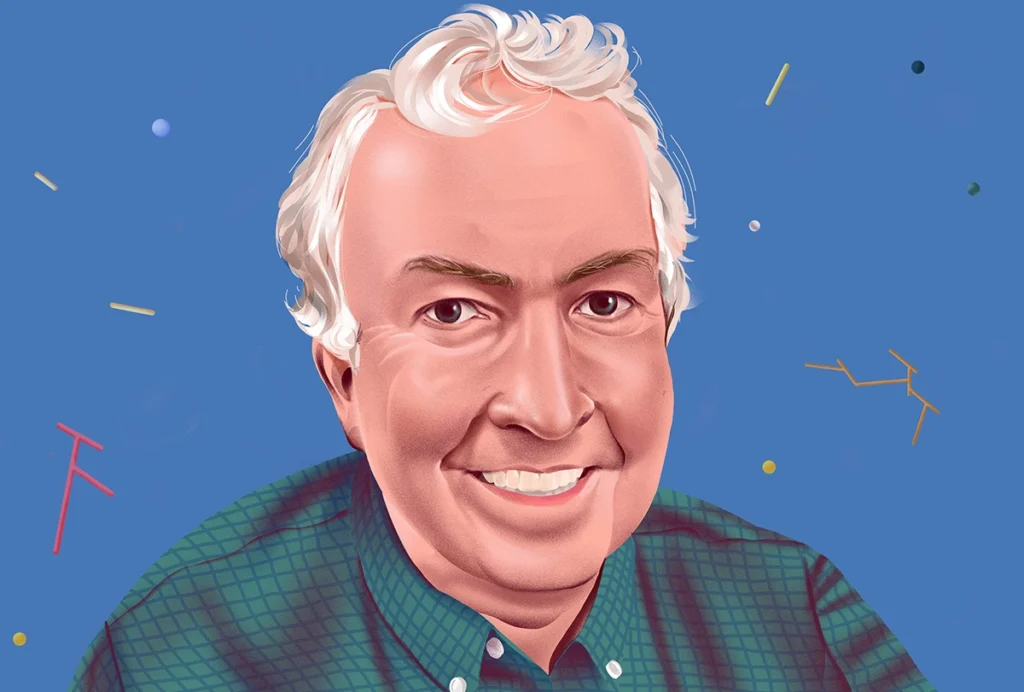
Timothy Ryan on his pivotal switch from studying particle physics to decoding synaptic transmission
Dissuaded from pursuing theoretical physics and deterred by the “long feedback loop” in experimental physics, the National Academy of Sciences member took inspiration from “polymath” Watt Webb and “visionary” Stephen Smith—and learned to work “completely outside his comfort zone.”
Timothy Ryan on his pivotal switch from studying particle physics to decoding synaptic transmission
Dissuaded from pursuing theoretical physics and deterred by the “long feedback loop” in experimental physics, the National Academy of Sciences member took inspiration from “polymath” Watt Webb and “visionary” Stephen Smith—and learned to work “completely outside his comfort zone.”
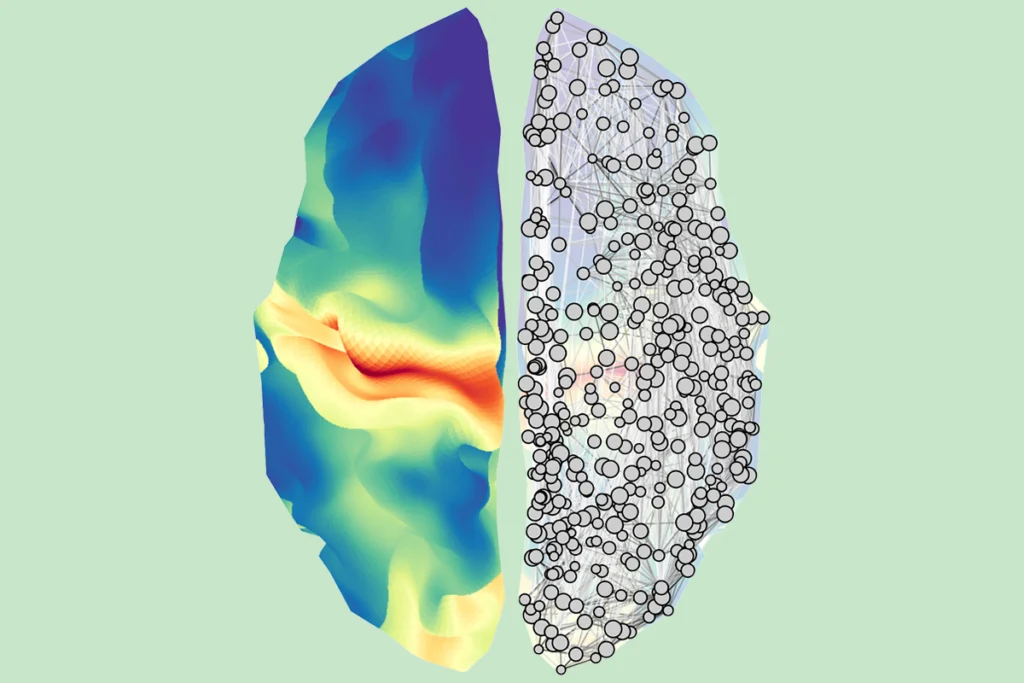
How can we fold cellular-level details into whole-brain neuroimaging networks?
I got answers from Bratislav Misic, who is inventing practical ways to connect the brain’s microscopic features with its macroscopic organization.
How can we fold cellular-level details into whole-brain neuroimaging networks?
I got answers from Bratislav Misic, who is inventing practical ways to connect the brain’s microscopic features with its macroscopic organization.
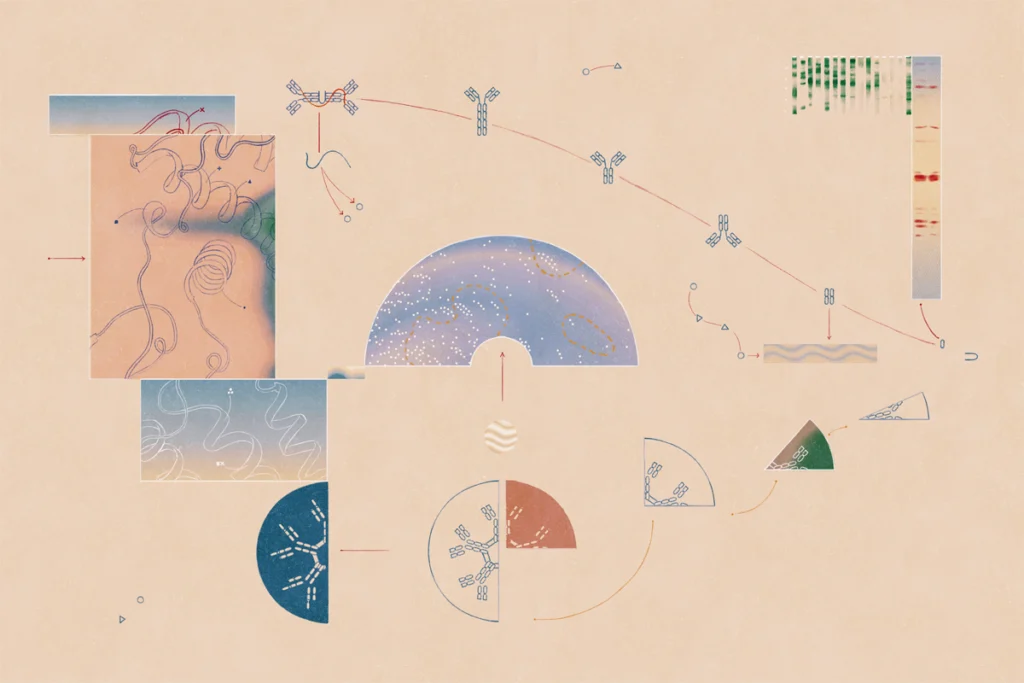
We found a major flaw in a scientific reagent used in thousands of neuroscience experiments — and we’re trying to fix it.
As part of that ambition, we launched a public-private partnership to systematically evaluate antibodies used to study neurological disease, and we plan to make all the data freely available.
We found a major flaw in a scientific reagent used in thousands of neuroscience experiments — and we’re trying to fix it.
As part of that ambition, we launched a public-private partnership to systematically evaluate antibodies used to study neurological disease, and we plan to make all the data freely available.
Explore more from The Transmitter
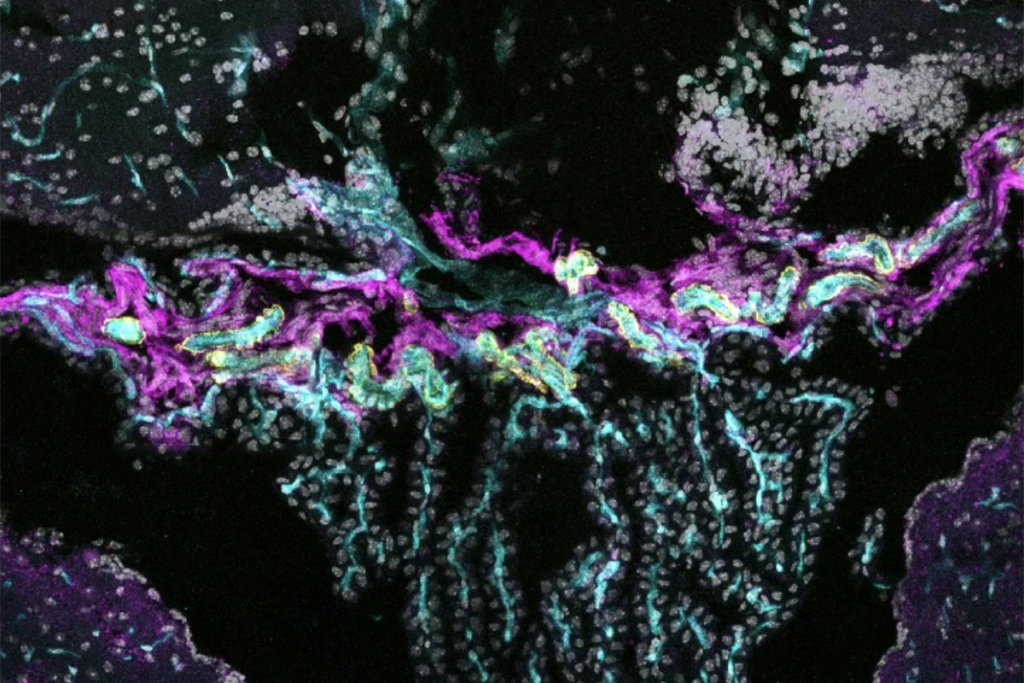
Newly identified barrier cells seal off choroid plexus from CSF, rest of brain
A long-overlooked layer of fibroblasts exists inside the choroid plexus of mice and humans, adding complexity to the area’s compartmentalization.
Newly identified barrier cells seal off choroid plexus from CSF, rest of brain
A long-overlooked layer of fibroblasts exists inside the choroid plexus of mice and humans, adding complexity to the area’s compartmentalization.
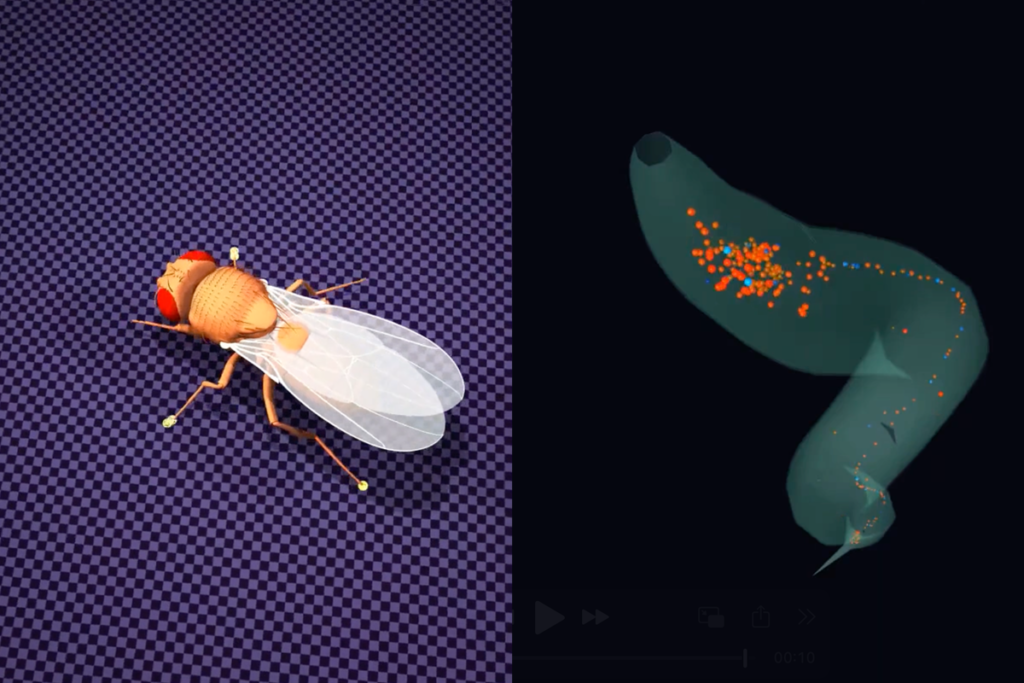
‘Digital sphinx’ raises questions about connectome models
The sphinx, with a worm’s brain and a fly’s body, illustrates the potential pitfalls of using deep-learning techniques to model biological processes.
‘Digital sphinx’ raises questions about connectome models
The sphinx, with a worm’s brain and a fly’s body, illustrates the potential pitfalls of using deep-learning techniques to model biological processes.
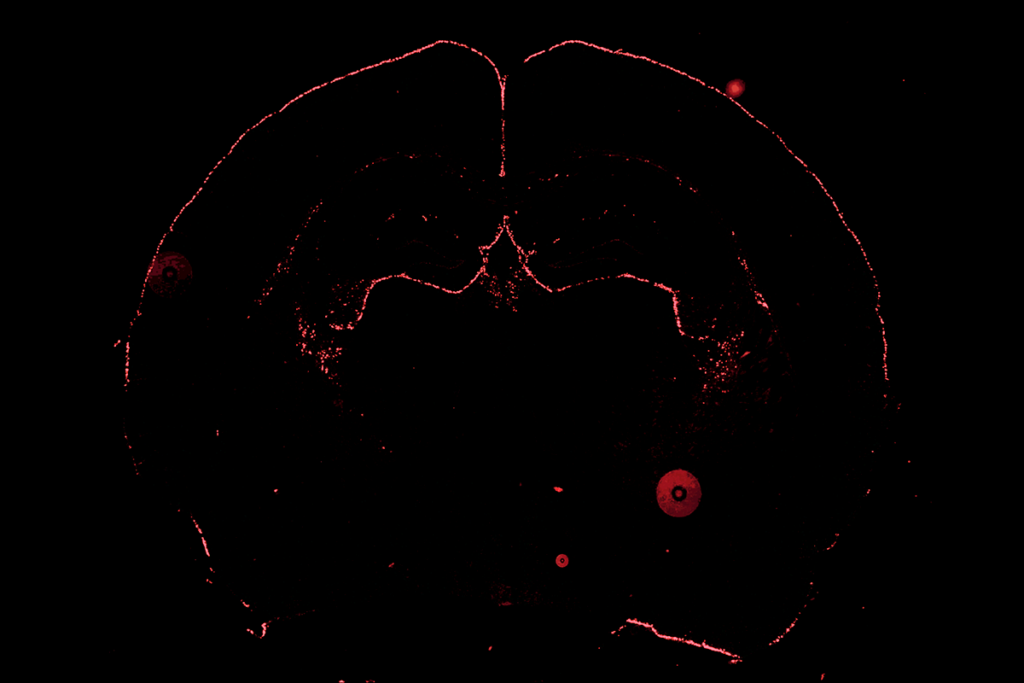
Taking a closer look at astrocytes and autism
These glial cells are increasingly linked to neurodevelopmental conditions and the regulation of social behaviors and anxiety.
Taking a closer look at astrocytes and autism
These glial cells are increasingly linked to neurodevelopmental conditions and the regulation of social behaviors and anxiety.