Population coding
Recent articles
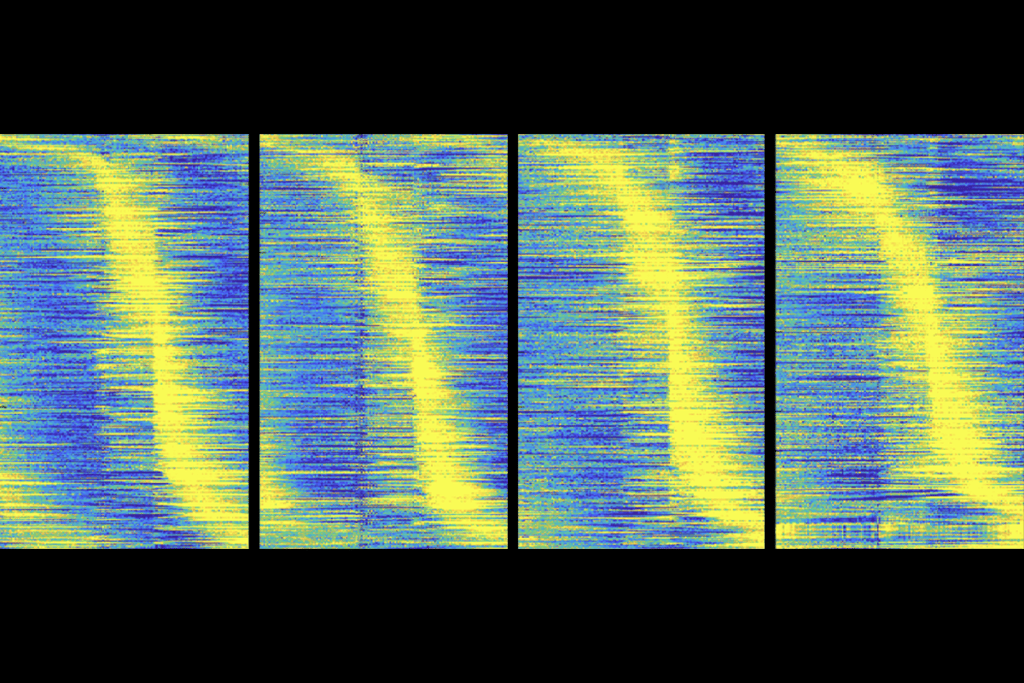
Cerebellar neurons reorient brain activity to differentiate similar behaviors
The findings provide a new perspective on how granule cells help to generalize learning across tasks.
Cerebellar neurons reorient brain activity to differentiate similar behaviors
The findings provide a new perspective on how granule cells help to generalize learning across tasks.
Liset de la Prida explains how neuron subtypes may control the activity of large neural populations, from manifolds to ripples
De la Prida's work analyzing the varieties of sharp wave ripples in the hippocampus led to her discovery that specific types of neurons control the properties of neural manifolds.
Liset de la Prida explains how neuron subtypes may control the activity of large neural populations, from manifolds to ripples
De la Prida's work analyzing the varieties of sharp wave ripples in the hippocampus led to her discovery that specific types of neurons control the properties of neural manifolds.
Juan Gallego discusses how manifolds are transforming our understanding of the coordination of neuronal population activity
A wealth of evidence supports the view that neural manifolds are real and useful, Gallego says, even if they may not completely solve the age-old mind-body problem.
Juan Gallego discusses how manifolds are transforming our understanding of the coordination of neuronal population activity
A wealth of evidence supports the view that neural manifolds are real and useful, Gallego says, even if they may not completely solve the age-old mind-body problem.
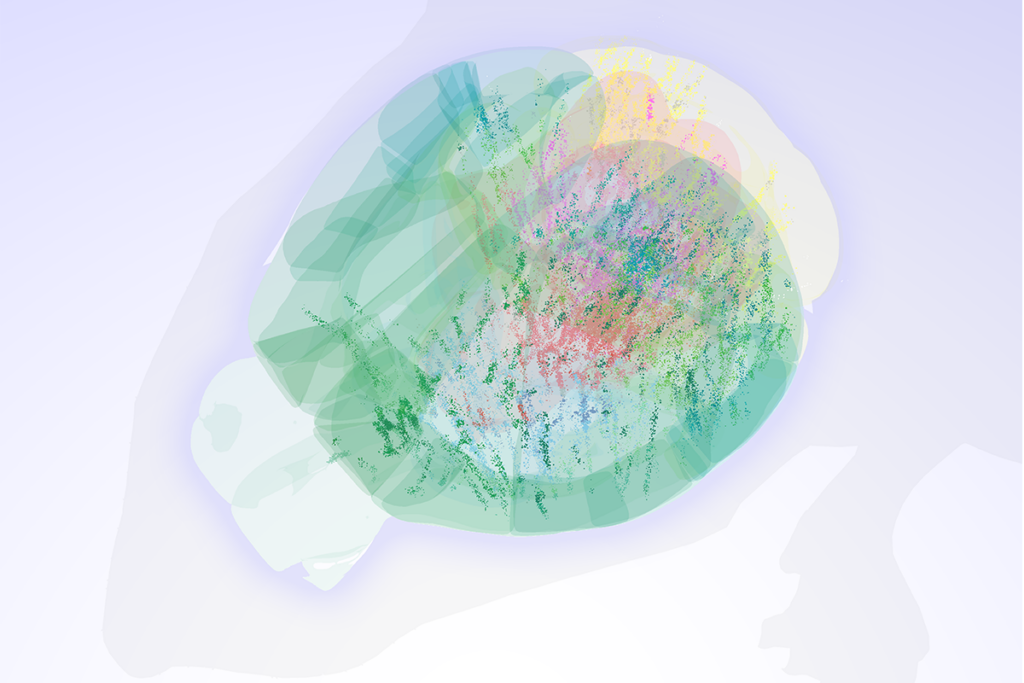
Everything everywhere all at once: Decision-making signals engage entire brain
The findings, gleaned from the most comprehensive map yet of brain activity during decision-making in mice, show that the process is even more distributed than previously thought.
Everything everywhere all at once: Decision-making signals engage entire brain
The findings, gleaned from the most comprehensive map yet of brain activity during decision-making in mice, show that the process is even more distributed than previously thought.
Neural population-based approaches have opened new windows into neural computations and behavior
Neural manifold properties can help us understand how animal brains deal with complex information, execute flexible behaviors and reuse common computations.
Neural population-based approaches have opened new windows into neural computations and behavior
Neural manifold properties can help us understand how animal brains deal with complex information, execute flexible behaviors and reuse common computations.
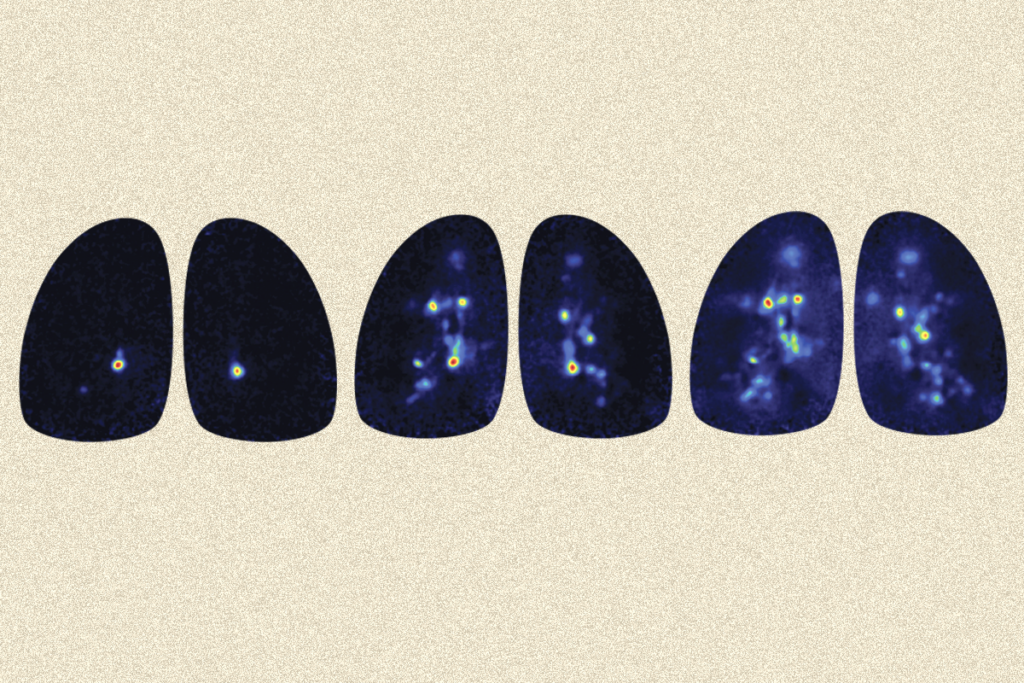
Smell studies often use unnaturally high odor concentrations, analysis reveals
It’s time to fashion olfactory neuroscience stimuli based on odor concentrations in the wild, say study investigators Elizabeth Hong and Matt Wachowiak.
Smell studies often use unnaturally high odor concentrations, analysis reveals
It’s time to fashion olfactory neuroscience stimuli based on odor concentrations in the wild, say study investigators Elizabeth Hong and Matt Wachowiak.
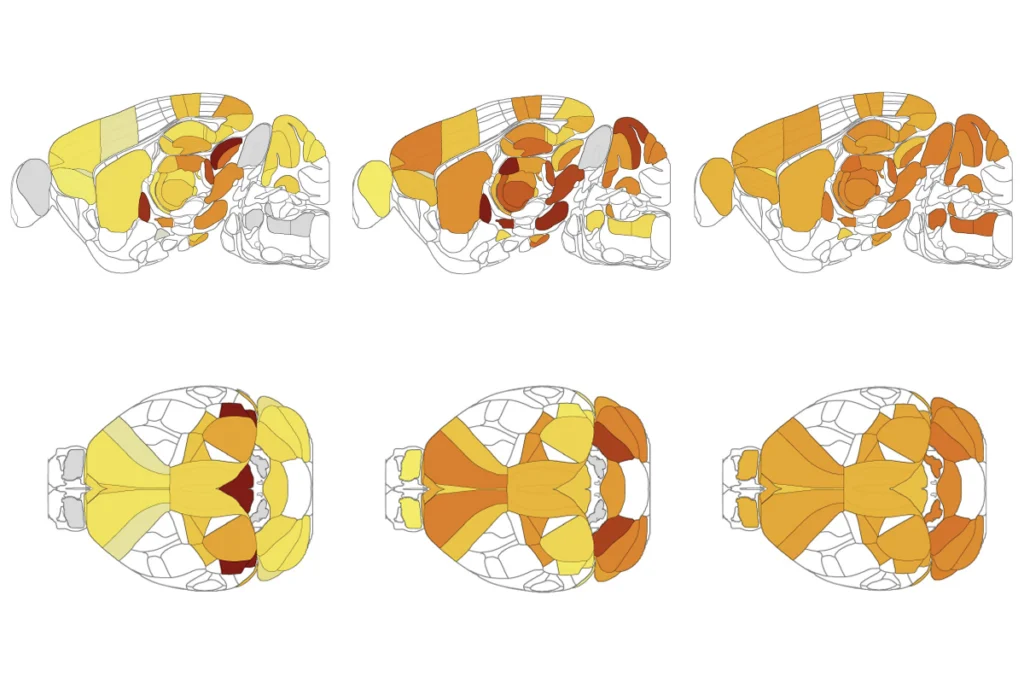
Widely distributed brain areas sync to orchestrate decisions in rodents
Multiple brain areas synchronize their activity to help a rodent accumulate the evidence it needs to make a choice, two new studies suggest.
Widely distributed brain areas sync to orchestrate decisions in rodents
Multiple brain areas synchronize their activity to help a rodent accumulate the evidence it needs to make a choice, two new studies suggest.

From a scientist’s perspective: The Transmitter’s top five essays in 2023
From big-picture debates about theories and terms to practical tips for teaching and writing, our favorite expert-written articles offer a glimpse into what neuroscientists are thinking.
From a scientist’s perspective: The Transmitter’s top five essays in 2023
From big-picture debates about theories and terms to practical tips for teaching and writing, our favorite expert-written articles offer a glimpse into what neuroscientists are thinking.
How to teach this paper: ‘Neural population dynamics during reaching,’ by Churchland & Cunningham et al. (2012)
This foundational paper, with more than 1,500 citations, is an important departure from early neuroscience research. Don’t be afraid of the math in the first paragraph.
How to teach this paper: ‘Neural population dynamics during reaching,’ by Churchland & Cunningham et al. (2012)
This foundational paper, with more than 1,500 citations, is an important departure from early neuroscience research. Don’t be afraid of the math in the first paragraph.
Explore more from The Transmitter
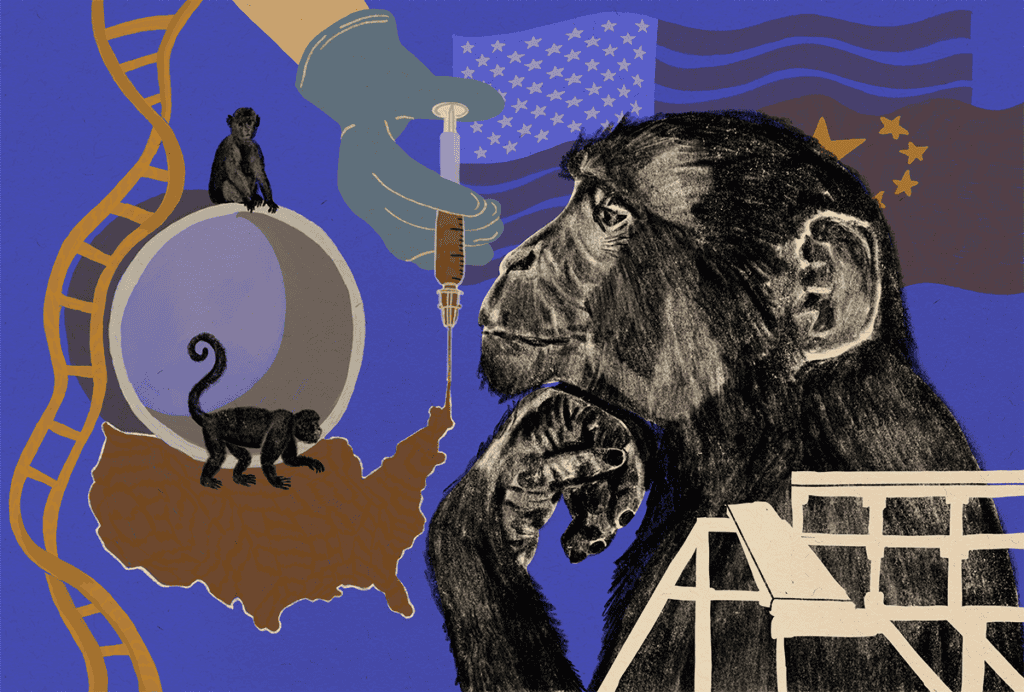
U.S. national primate research centers face an uncertain future
The facilities were meant to last 100 years. Four decades shy of that mark, amid flatlined funds and mounting political pressure, their directors are trying to find a path forward.
U.S. national primate research centers face an uncertain future
The facilities were meant to last 100 years. Four decades shy of that mark, amid flatlined funds and mounting political pressure, their directors are trying to find a path forward.
What if nonhuman primate research goes away?
As the U.S. government takes steps to stop using nonhuman primates in research, The Transmitter investigates what that shift could mean for neuroscience.
What if nonhuman primate research goes away?
As the U.S. government takes steps to stop using nonhuman primates in research, The Transmitter investigates what that shift could mean for neuroscience.
The neuroscience questions that need nonhuman primates
The Transmitter asked 17 neuroscientists what questions might remain unanswered if support for nonhuman primate research continues to decline.
The neuroscience questions that need nonhuman primates
The Transmitter asked 17 neuroscientists what questions might remain unanswered if support for nonhuman primate research continues to decline.