Q&A
Recent articles
Frameshift: How Caitlin Vander Weele made science communication her business
Her favorite part of research was talking about it. So she left academia and turned that passion into a successful company.
Frameshift: How Caitlin Vander Weele made science communication her business
Her favorite part of research was talking about it. So she left academia and turned that passion into a successful company.
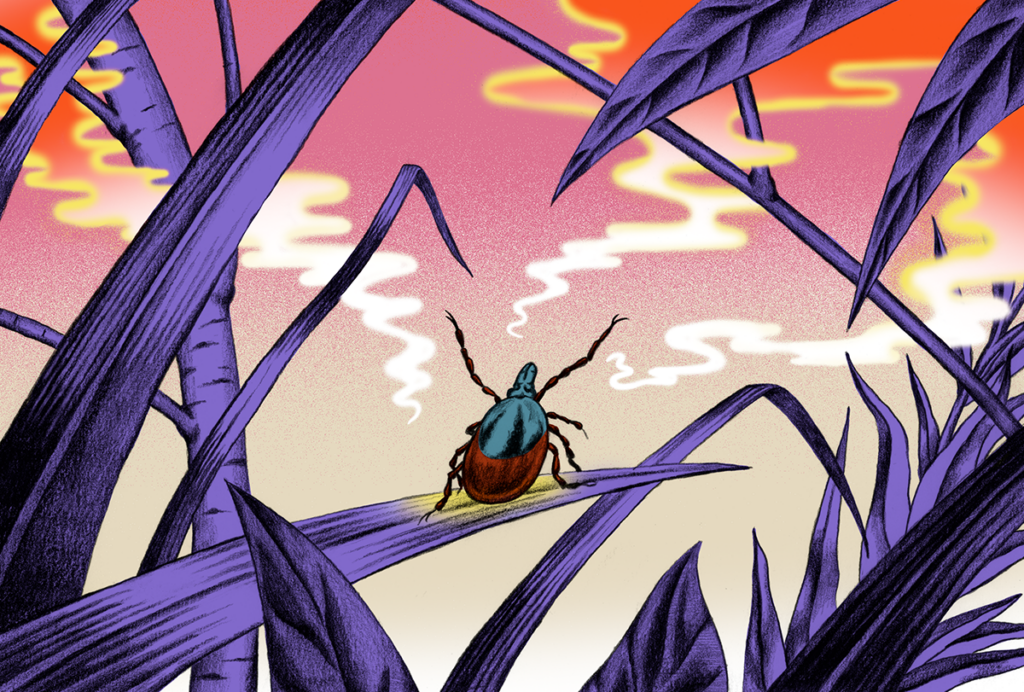
Neuro’s ark: Spying on the secret sensory world of ticks
Carola Städele, a self-proclaimed “tick magnet,” studies the arachnids’ sensory neurobiology—in other words, how these tiny parasites zero in on their next meal.
Neuro’s ark: Spying on the secret sensory world of ticks
Carola Städele, a self-proclaimed “tick magnet,” studies the arachnids’ sensory neurobiology—in other words, how these tiny parasites zero in on their next meal.
How insights from network theory can boost interdisciplinary efforts
Communication on one interdisciplinary research team improved after the researchers turned an analysis technique used to study the brain on themselves and identified the roles people played in lab meetings.
How insights from network theory can boost interdisciplinary efforts
Communication on one interdisciplinary research team improved after the researchers turned an analysis technique used to study the brain on themselves and identified the roles people played in lab meetings.
Frameshift: Raphe Bernier followed his heart out of academia, then made his way back again
After a clinical research career, an interlude at Apple and four months in early retirement, Raphe Bernier found joy in teaching.
Frameshift: Raphe Bernier followed his heart out of academia, then made his way back again
After a clinical research career, an interlude at Apple and four months in early retirement, Raphe Bernier found joy in teaching.
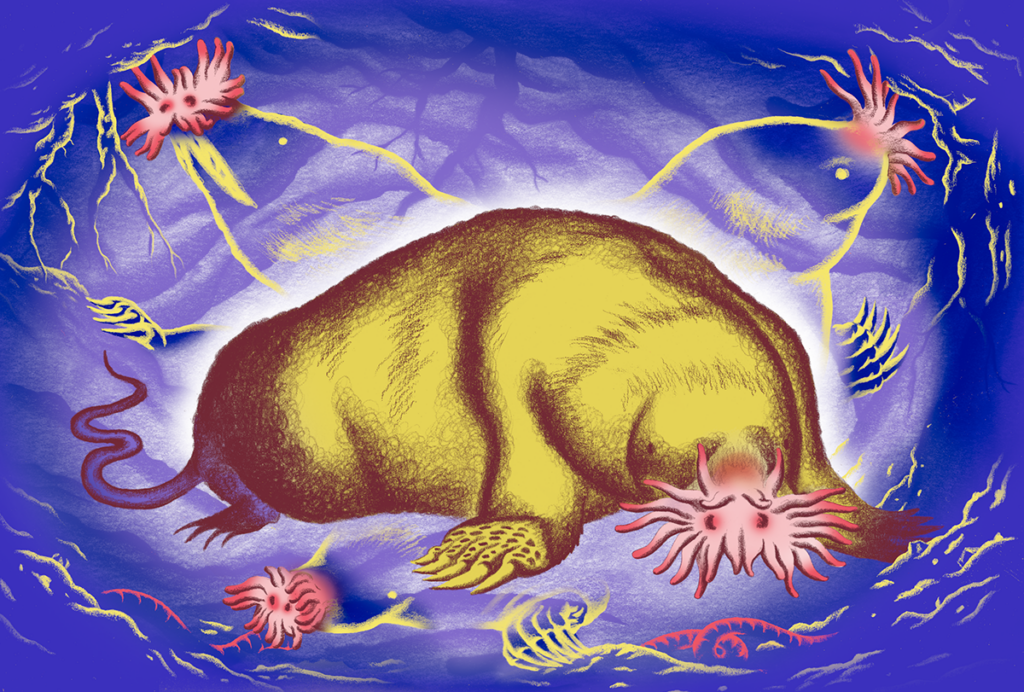
Neuro’s ark: Understanding fast foraging with star-nosed moles
“MacArthur genius” Kenneth Catania outlined the physiology behind the moles’ stellar foraging skills two decades ago. Next, he wants to better characterize their food-seeking behavior.
Neuro’s ark: Understanding fast foraging with star-nosed moles
“MacArthur genius” Kenneth Catania outlined the physiology behind the moles’ stellar foraging skills two decades ago. Next, he wants to better characterize their food-seeking behavior.
Frameshift: At a biotech firm, Ubadah Sabbagh embraces the expansive world outside academia
As chief of staff at Arcadia, Ubadah Sabbagh gets to do science while also pushing the boundaries of how science gets done.
Frameshift: At a biotech firm, Ubadah Sabbagh embraces the expansive world outside academia
As chief of staff at Arcadia, Ubadah Sabbagh gets to do science while also pushing the boundaries of how science gets done.
Neuro’s ark: How goats can model neurodegeneration
Since debunking an urban legend that headbutting animals don’t damage their brain, Nicole Ackermans has been investigating how the behavior correlates with neurodegeneration.
Neuro’s ark: How goats can model neurodegeneration
Since debunking an urban legend that headbutting animals don’t damage their brain, Nicole Ackermans has been investigating how the behavior correlates with neurodegeneration.
Frameshift: Shari Wiseman reflects on her pivot from science to publishing
As chief editor of Nature Neuroscience, Wiseman applies critical-thinking skills she learned in the lab to manage the journal’s day-to-day operations.
Frameshift: Shari Wiseman reflects on her pivot from science to publishing
As chief editor of Nature Neuroscience, Wiseman applies critical-thinking skills she learned in the lab to manage the journal’s day-to-day operations.
Home makeover helps rats better express themselves: Q&A with Raven Hickson and Peter Kind
The “Habitat”—a complex environment with space for large social groups—expands the behavioral repertoire of rodent models, Hickson and Kind say.
Home makeover helps rats better express themselves: Q&A with Raven Hickson and Peter Kind
The “Habitat”—a complex environment with space for large social groups—expands the behavioral repertoire of rodent models, Hickson and Kind say.
Going against the gut: Q&A with Kevin Mitchell on the autism-microbiome theory
A new review of 15 years of studies on the connection between the microbiome and autism reveals widespread statistical and conceptual errors.
Going against the gut: Q&A with Kevin Mitchell on the autism-microbiome theory
A new review of 15 years of studies on the connection between the microbiome and autism reveals widespread statistical and conceptual errors.
Explore more from The Transmitter
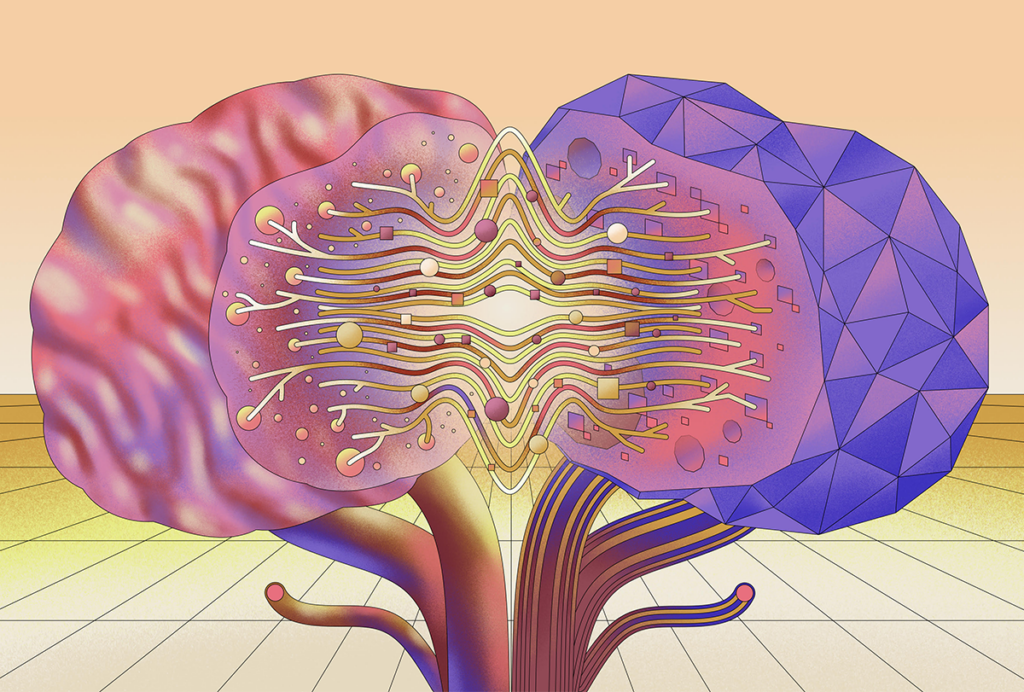
Trading places: What happens when neuroscience turns into machine learning, and machine learning turns into neuroscience?
Neuroscience has become increasingly concerned with prediction, and machine learning with causal explanation, with each field adopting methods from the other. I asked eight experts to weigh in on what we stand to learn from this exchange.
Trading places: What happens when neuroscience turns into machine learning, and machine learning turns into neuroscience?
Neuroscience has become increasingly concerned with prediction, and machine learning with causal explanation, with each field adopting methods from the other. I asked eight experts to weigh in on what we stand to learn from this exchange.
Exon-skipping approach boosts levels of key Rett syndrome protein
Deleting a small region of the MECP2 gene partially restored function in neurons derived from people with Rett-associated variants.
Exon-skipping approach boosts levels of key Rett syndrome protein
Deleting a small region of the MECP2 gene partially restored function in neurons derived from people with Rett-associated variants.
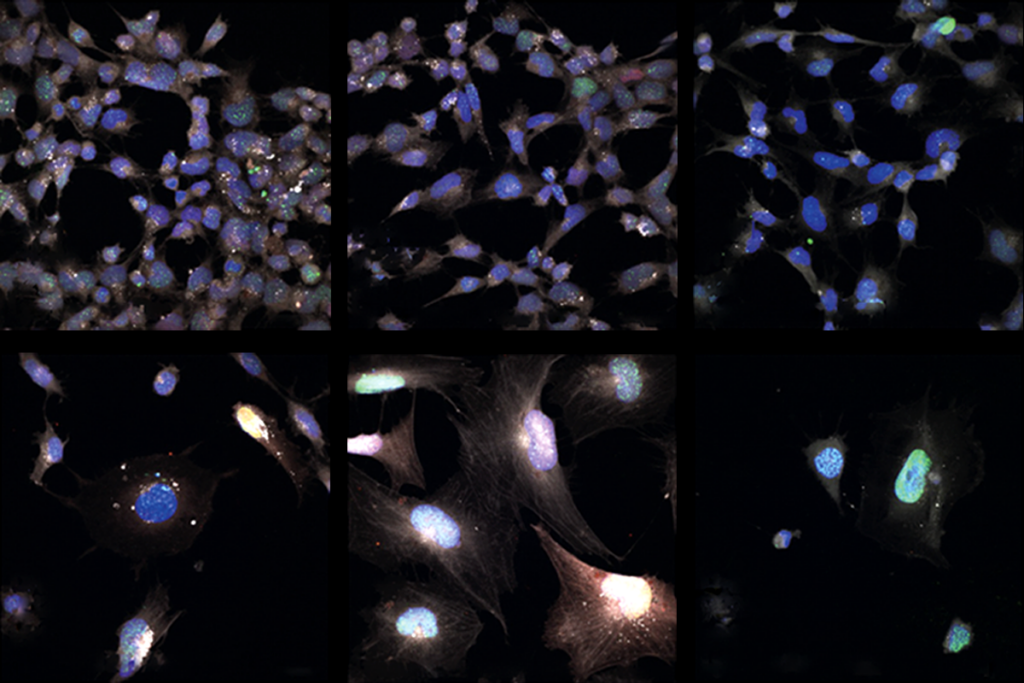
Signs of aging vary across brain cells
Senescence presents differently depending on the cell type, toxic trigger and neighboring cells, two new studies find.
Signs of aging vary across brain cells
Senescence presents differently depending on the cell type, toxic trigger and neighboring cells, two new studies find.