Rebecca Horne oversees and directs The Transmitter’s multimedia operations and commissions illustrations, photography, videos and other multimedia content. Prior to joining the team, Rebecca was photography director and photography editor for Discover magazine and The Wall Street Journal, where she won several awards for her work. Originally from California, she has also served as an art producer at the advertising agency Addison Design, a photography producer at Airbnb and the multimedia app Storehouse. She has also taught photography at the California College of the Arts and Rutgers University, and has written on art and science for Wired, CNN, The Wall Street Journal, Nautilus and others.
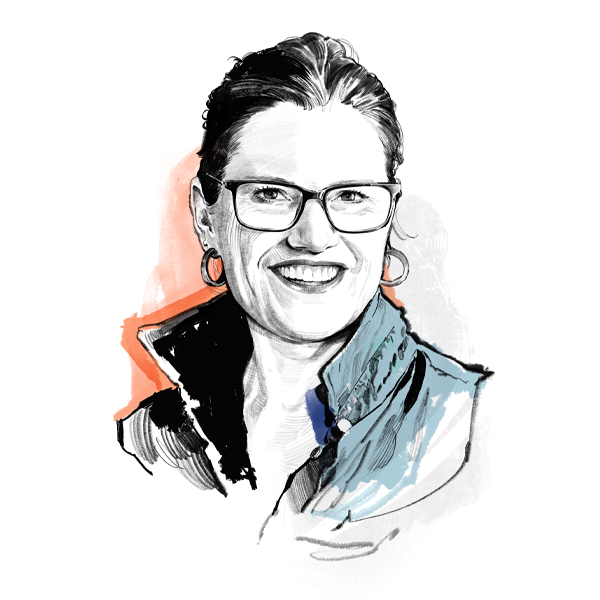
Rebecca Horne
Art director
The Transmitter
From this contributor
How BCIs reveal the speaking brain
By
Claudia López Lloreda, Rebecca Horne
17 July 2026 | 4 min watch
Scientists push back against stricter European Research Council grant application rules
By
Lauren Schenkman
29 April 2026 | 5 min read
What neuroscientists want from a new NINDS director
By
Helena Kudiabor
15 April 2026 | 4 min read
Letter asks Congress for nearly $500 million to sustain BRAIN Initiative
By
Angie Voyles Askham
31 March 2026 | 3 min read
Marcelle Lapicque: A forgotten pioneer in neuroscience
By
Angie Voyles Askham, Rebecca Horne
24 February 2026 | 3 min watch
Education
- M.F.A., Rutgers University
- B.F.A., San Francisco Art Institute
Explore more from The Transmitter
Amid funding uncertainty, neuroscientists report a mix of cynicism, persistence
Two years into one of the most tumultuous tenures in U.S. federal funding, researchers outline how they are coping with ongoing changes and reflect on the impact these changes are having on the system more broadly.
Amid funding uncertainty, neuroscientists report a mix of cynicism, persistence
Two years into one of the most tumultuous tenures in U.S. federal funding, researchers outline how they are coping with ongoing changes and reflect on the impact these changes are having on the system more broadly.
By
Emily Singer
28 August 2026 | 5 min read
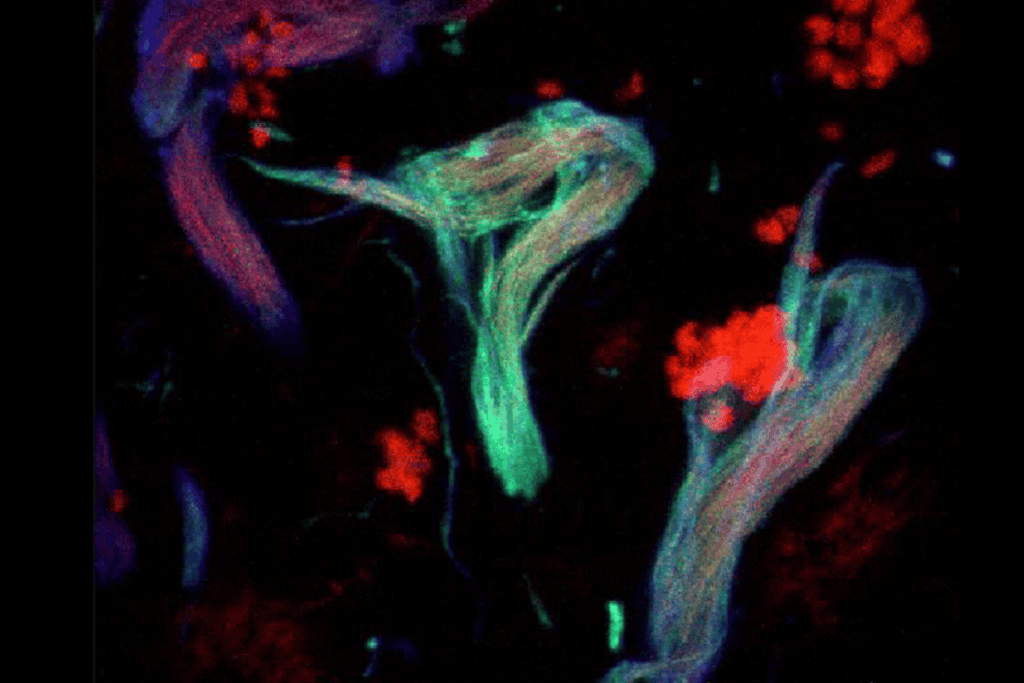
Reimagining Mexico’s brain bank
Since Alzheimer’s disease researcher José Luna-Muñoz assumed leadership of the facility—Latin America’s oldest—in 2011, he has been acquiring additional tissue types and is working to expand donor recruitment to rural areas.
Reimagining Mexico’s brain bank
Since Alzheimer’s disease researcher José Luna-Muñoz assumed leadership of the facility—Latin America’s oldest—in 2011, he has been acquiring additional tissue types and is working to expand donor recruitment to rural areas.
By
Alejandra Manjarrez
28 August 2026 | 7 min read
Revealing how crabs make their escape
Houdini-like Neohelice granulata offers a rare opportunity to record intracellularly from awake, behaving animals.
Revealing how crabs make their escape
Houdini-like Neohelice granulata offers a rare opportunity to record intracellularly from awake, behaving animals.
By
Natalia Mesa
28 August 2026 | 0 min watch