Naturalistic research
Recent articles
Home makeover helps rats better express themselves: Q&A with Raven Hickson and Peter Kind
The “Habitat”—a complex environment with space for large social groups—expands the behavioral repertoire of rodent models, Hickson and Kind say.
Home makeover helps rats better express themselves: Q&A with Raven Hickson and Peter Kind
The “Habitat”—a complex environment with space for large social groups—expands the behavioral repertoire of rodent models, Hickson and Kind say.
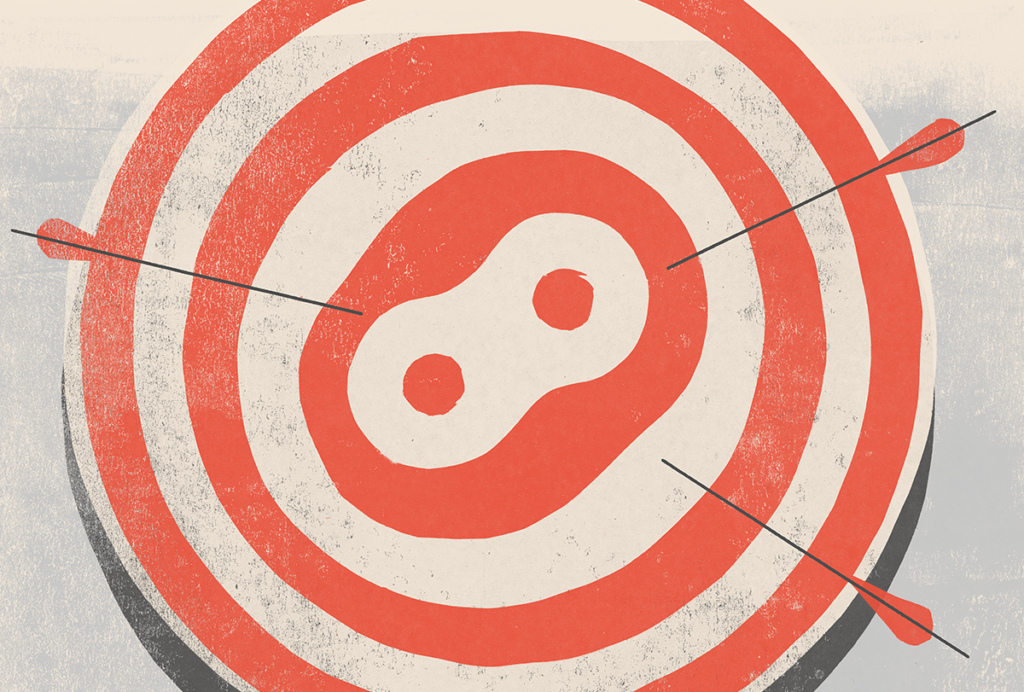
What should the field prioritize over the next 10 years?
Respondents pointed to a range of challenges in basic neuroscience—such as understanding naturalistic behaviors, intelligence and embodied cognition—and called for more circuit-level research, more precise brain recordings and more work in alternative models. Just as many pushed for a translational pivot.
What should the field prioritize over the next 10 years?
Respondents pointed to a range of challenges in basic neuroscience—such as understanding naturalistic behaviors, intelligence and embodied cognition—and called for more circuit-level research, more precise brain recordings and more work in alternative models. Just as many pushed for a translational pivot.
Hitting city streets to record rat behaviors: Q&A with Emily Mackevicius, Ralph Peterson
Capturing the rodents’ vocalizations and movements in the wild offers an opportunity to study naturalistic behaviors in a complex urban environment, Mackevicius and Peterson say.
Hitting city streets to record rat behaviors: Q&A with Emily Mackevicius, Ralph Peterson
Capturing the rodents’ vocalizations and movements in the wild offers an opportunity to study naturalistic behaviors in a complex urban environment, Mackevicius and Peterson say.
Explore more from The Transmitter
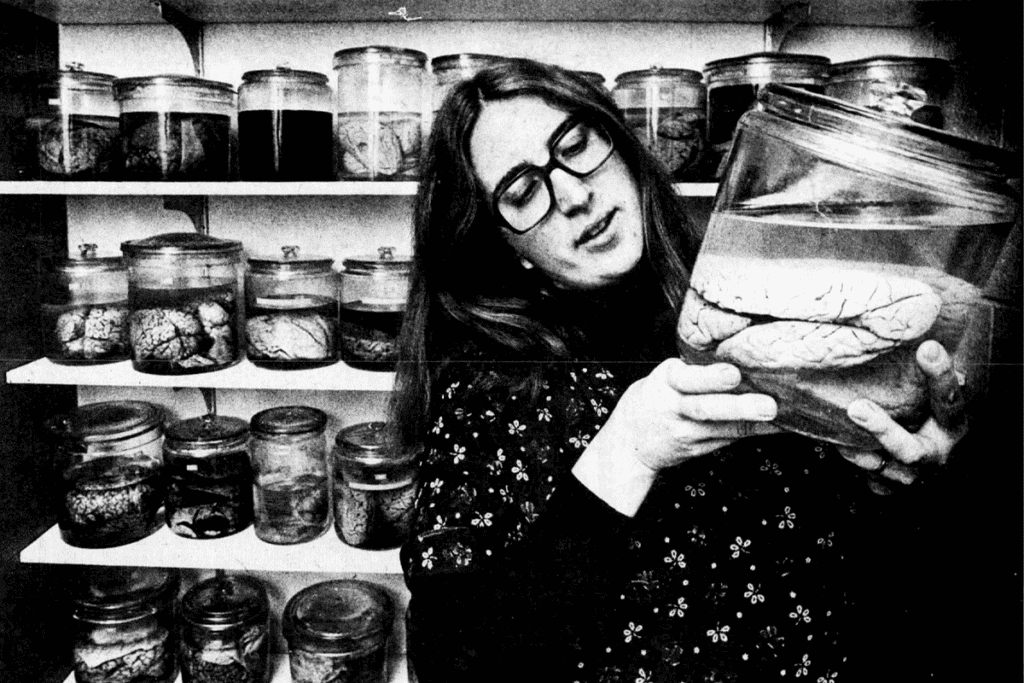
Remembering Barbara Finlay, ‘maverick’ of evolutionary neuroscience
Finlay, who died on 12 September, championed the idea that developmental constraints dictate how evolution sculpts brains, a concept she used to model the timing of hundreds of events and align them across mammalian species.
Remembering Barbara Finlay, ‘maverick’ of evolutionary neuroscience
Finlay, who died on 12 September, championed the idea that developmental constraints dictate how evolution sculpts brains, a concept she used to model the timing of hundreds of events and align them across mammalian species.
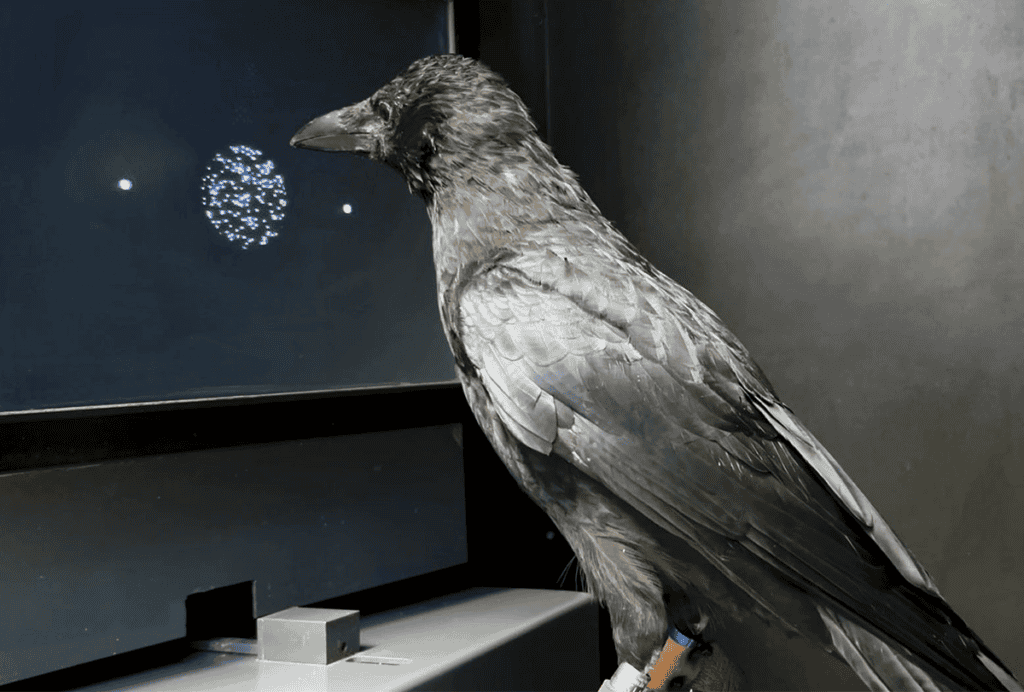
Crows have brains ‘in the fast lane’
The birds accurately complete decision-making tasks twice as fast as primates, although their endbrains look considerably different.
Crows have brains ‘in the fast lane’
The birds accurately complete decision-making tasks twice as fast as primates, although their endbrains look considerably different.

Prevalence of profound autism declines with new definition
The updated, more precise definition used in a CDC study includes adaptive scores.
Prevalence of profound autism declines with new definition
The updated, more precise definition used in a CDC study includes adaptive scores.