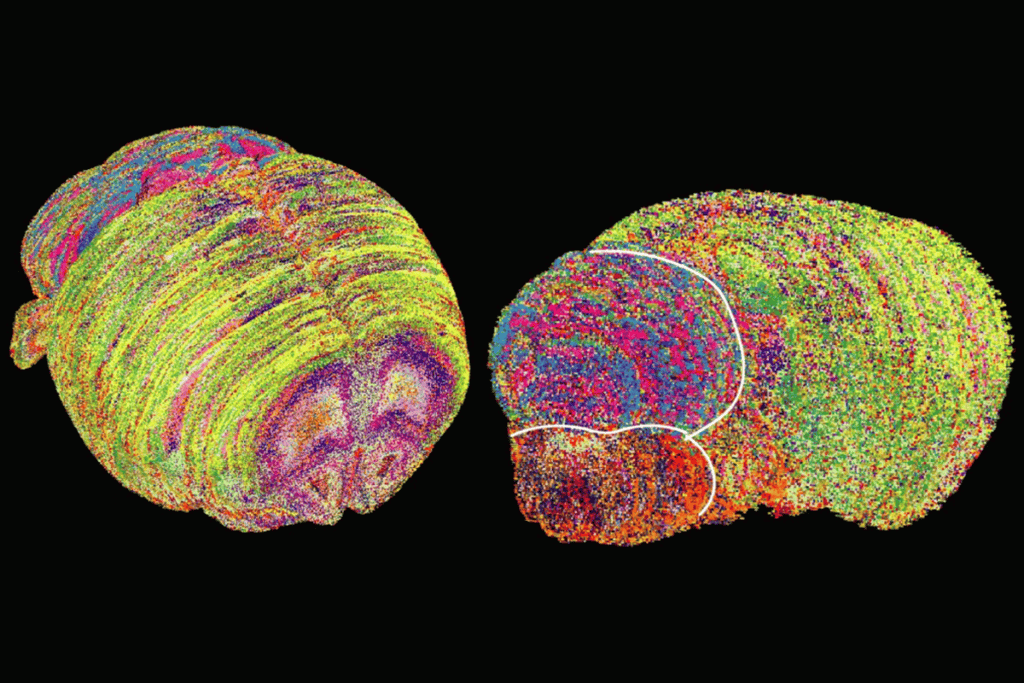
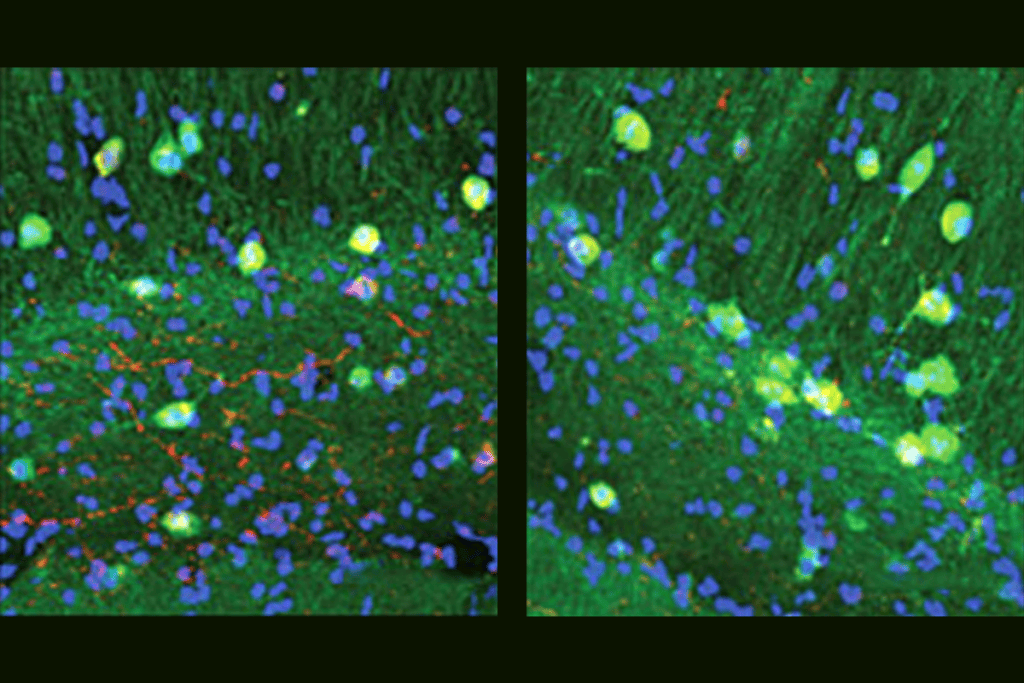
Immune power: Maternal-fetal type 1 interferon may be a key factor in the association between maternal infection during pregnancy and having an autistic child, according to a new mouse study. Maternal immune activation, modeled in mice, increased interferon 1, which, in offspring, altered excitatory synapse function and reduced a microglial regulator of synapse formation. Further, blocking interferon 1 signaling restored these effects on synapses. The Transmitter has reported on the idea that some women have a genetic predisposition that contributes to the infection-autism association. The new findings suggest that monitoring the cytokine during pregnancy may help identify—and potentially treat—those that have elevated chances of having a baby with a neurodevelopmental condition.
Autism research spotted this week:
- “Appraising familial prediction of proband outcomes in neurogenetic disorders” medRxiv
See also: “Extra Y chromosomes are linked to autism” - “Convergent and divergent brain-cognition development in early adolescence” Nature Communications
- “CSNK2B gene replacement rescues autism-related phenotypes and establishes translational EEG biomarkers” Cell Reports Medicine
- “Recurrent copy number variants and psychiatric outcomes in the context of polygenic scores” JAMA Psychiatry
- “Defective ventral neurogenesis due to midfetal CHD8 mutation drives autistic-like behavior in mice” Nature Communications
- “Changes in the profile of adults diagnosed as autistic since 2010: Population based studies in the United Kingdom and Sweden” medRxiv
- “Limited discrepancy between cognitive ability and daily living skills in autism: A longitudinal study from ages 2-25” Autism Research