Data from children in Africa have helped uncover emerging, novel links between neurodevelopmental conditions and more than 30 genes, according to a new preprint.
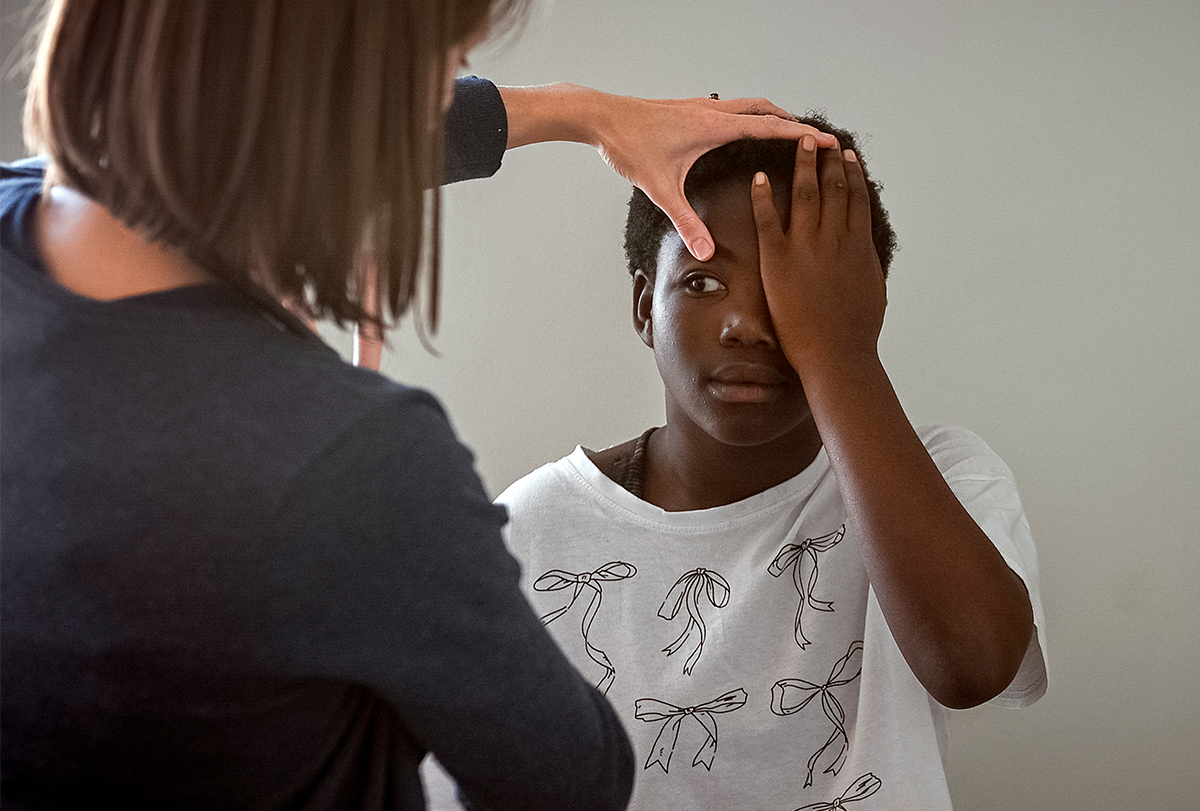
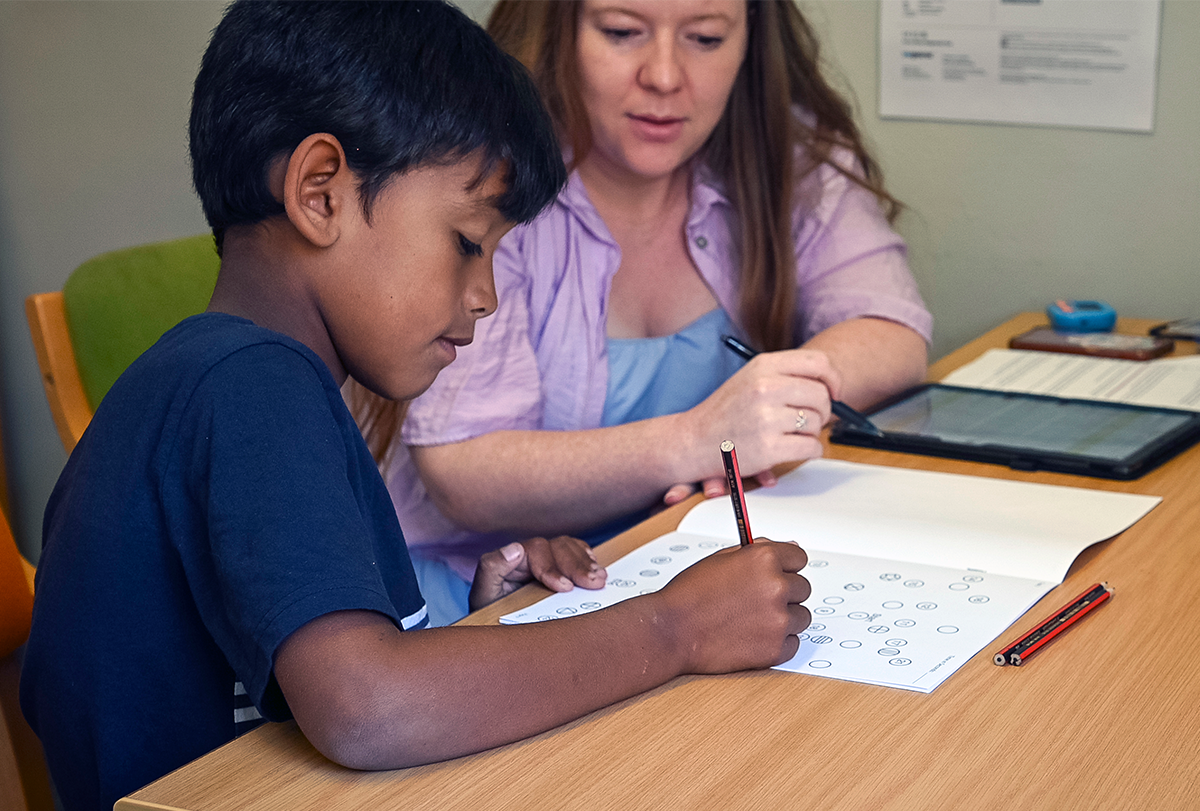
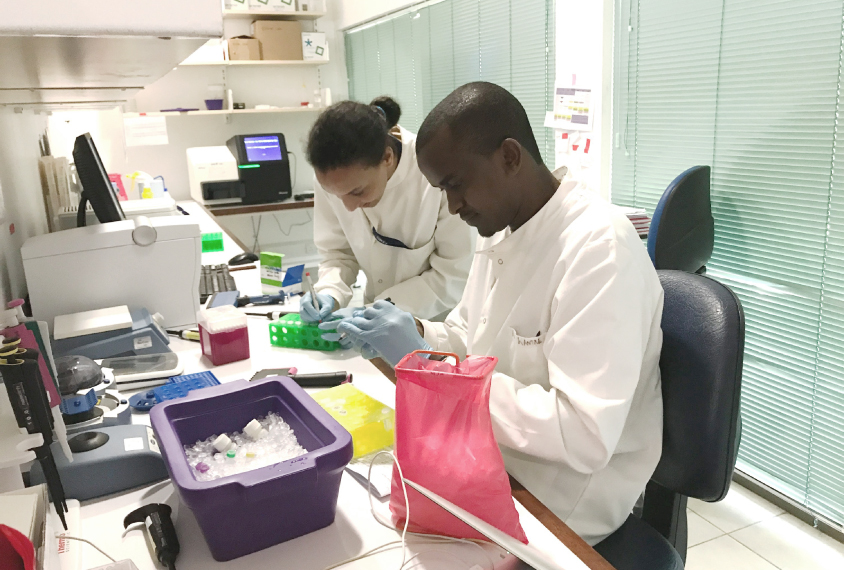
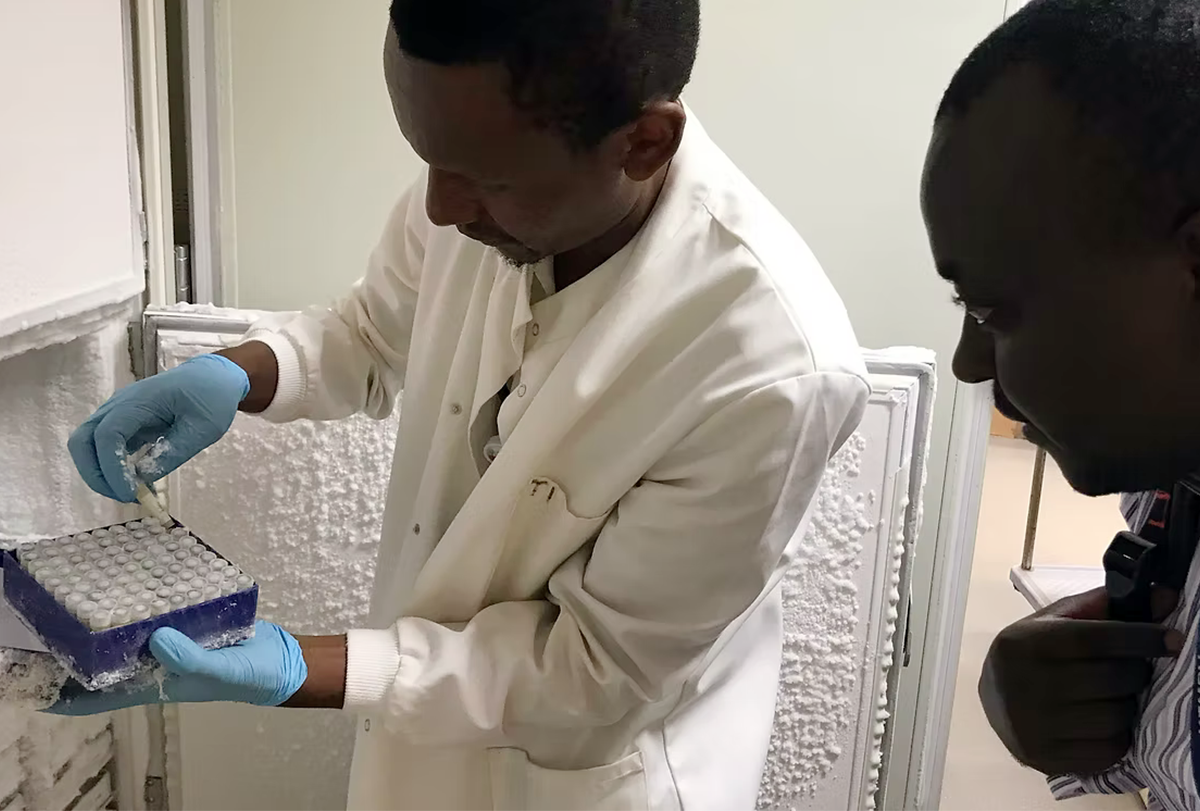
The findings are among the first from the NeuroDev study, which recruits participants from families in South Africa and Kenya and aims to map the genetics of child development, with an emphasis on autism and other neurodevelopmental conditions.
“There is a lot of previously unseen variation in the NeuroDev cohort,” says study investigator Elise Robinson, an institute member at the Broad Institute of MIT and Harvard. Incorporating such variation into clinical databases could improve health outcomes for people around the world with African ancestry, she says.
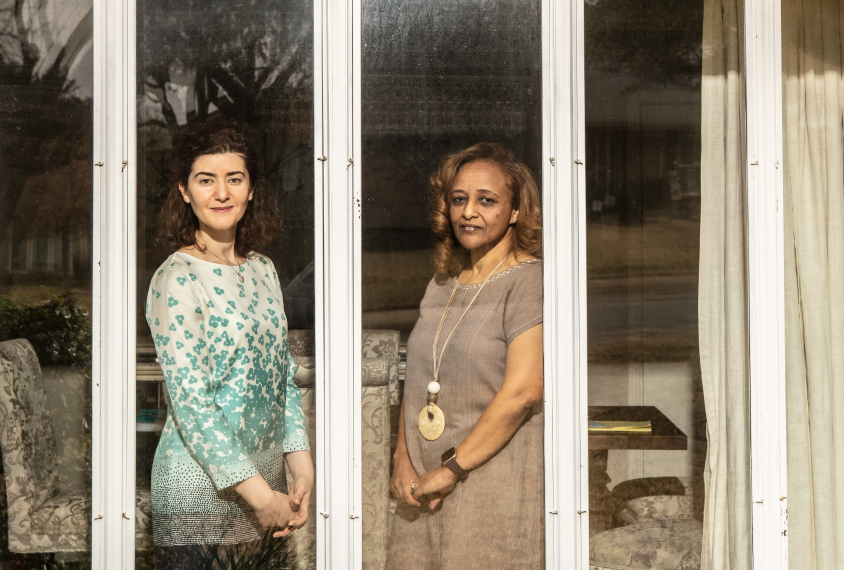
Africa’s population is the world’s most genetically diverse, but it is largely missing from clinical databases, which skew heavily European. The field’s grasp on the genetics of neurodevelopmental conditions is incomplete without data from diverse populations, says Maria Chahrour, associate professor of neuroscience at the University of Texas Southwestern Medical Center, who was not involved in the new work but created the first cohort of African children with autism.
“We’re actually generating essential data that will give us new insights into the genetic architecture of neurodevelopmental diseases,” Chahrour says. “I love to see studies like that, and NeuroDev is one of those.”