Dup15q 2015
Recent articles
Brain-wave patterns distinguish dup15q syndrome
Children with an extra copy of the 15q11-13 chromosomal region, the second most common genetic abnormality in people with autism, have unusually strong brain waves called beta oscillations. The preliminary findings, presented Friday at the Dup15q Alliance Scientific Meeting in Orlando, Florida, suggest that beta oscillations could distinguish children with dup15q syndrome from those with other forms of autism.
Brain-wave patterns distinguish dup15q syndrome
Children with an extra copy of the 15q11-13 chromosomal region, the second most common genetic abnormality in people with autism, have unusually strong brain waves called beta oscillations. The preliminary findings, presented Friday at the Dup15q Alliance Scientific Meeting in Orlando, Florida, suggest that beta oscillations could distinguish children with dup15q syndrome from those with other forms of autism.

Dispatches from the 2015 Dup15q Alliance Scientific Meeting
These short reports from our reporter, Nicholette Zeliadt, give you the inside scoop on developments at the 2015 Dup15q Alliance Scientific Meeting.
Dispatches from the 2015 Dup15q Alliance Scientific Meeting
These short reports from our reporter, Nicholette Zeliadt, give you the inside scoop on developments at the 2015 Dup15q Alliance Scientific Meeting.
Explore more from The Transmitter
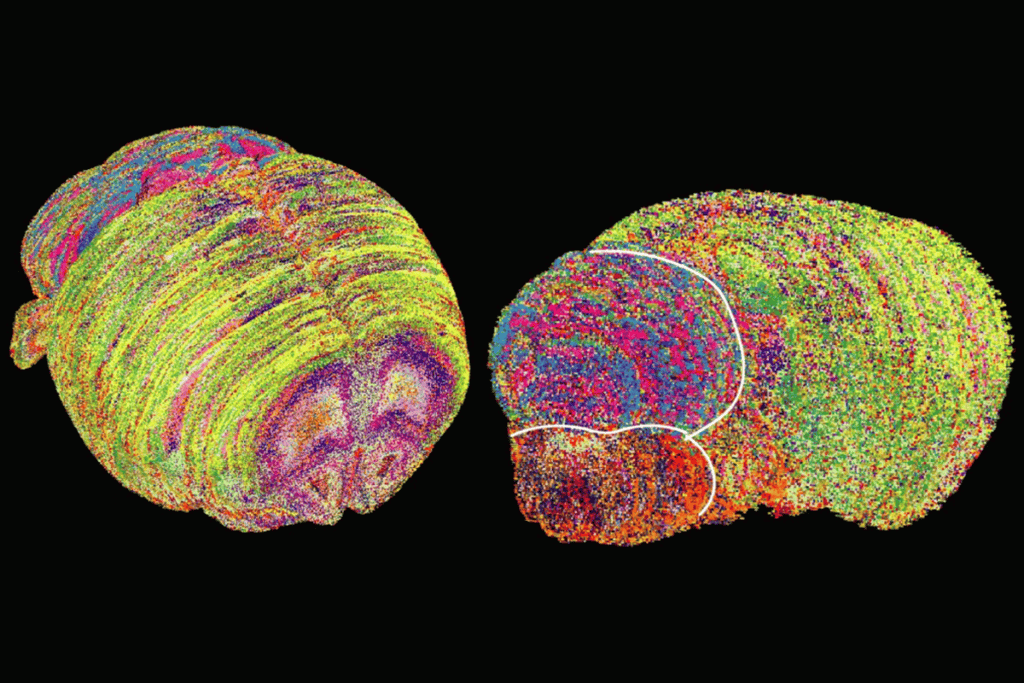
Lipids enter brain mapping limelight
Two new studies, including the first whole-brain lipid atlas in mice, uncover unforeseen complexity and influence during pregnancy and aging.
Lipids enter brain mapping limelight
Two new studies, including the first whole-brain lipid atlas in mice, uncover unforeseen complexity and influence during pregnancy and aging.
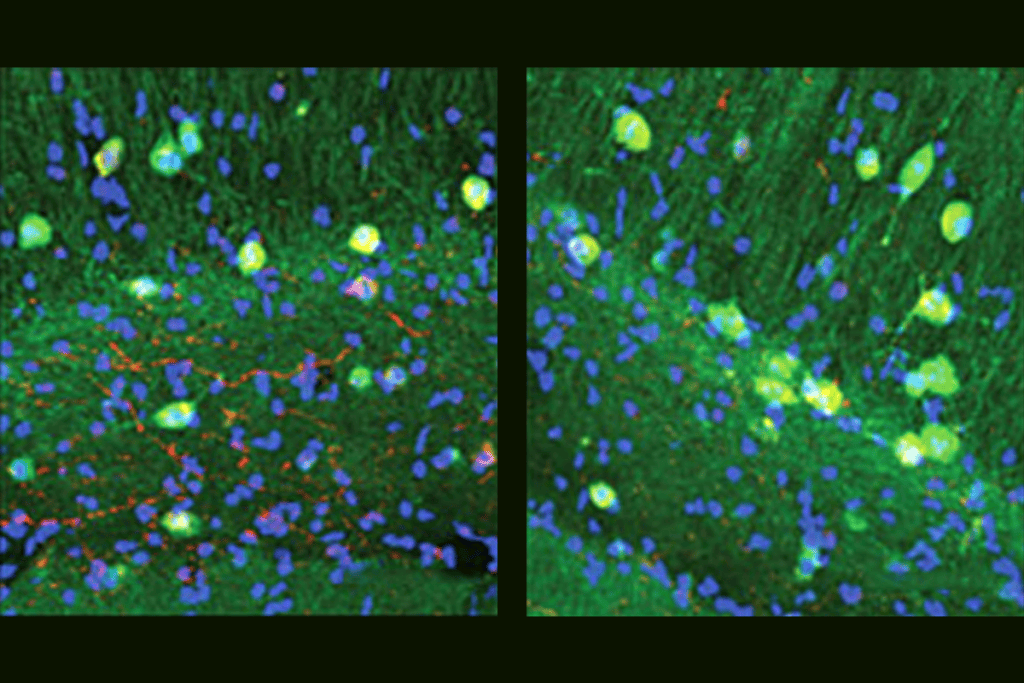
Behavioral phenomics in zebrafish; and more
Here is a roundup of autism-related news and research spotted around the web for the week of 26 October.
Behavioral phenomics in zebrafish; and more
Here is a roundup of autism-related news and research spotted around the web for the week of 26 October.
Neuroscience gave AI its start. What happens now?
David Sussillo maps the two fields' divergent paths, and where they might still meet.
Neuroscience gave AI its start. What happens now?
David Sussillo maps the two fields' divergent paths, and where they might still meet.