Gene regulation
Recent articles

Highlights from the first-ever Neural Genetics and Epigenetics Gordon Research Conference
The meeting’s organizers recap the science to watch.
Highlights from the first-ever Neural Genetics and Epigenetics Gordon Research Conference
The meeting’s organizers recap the science to watch.
This paper changed my life: Learning the molecular rules of cell identity
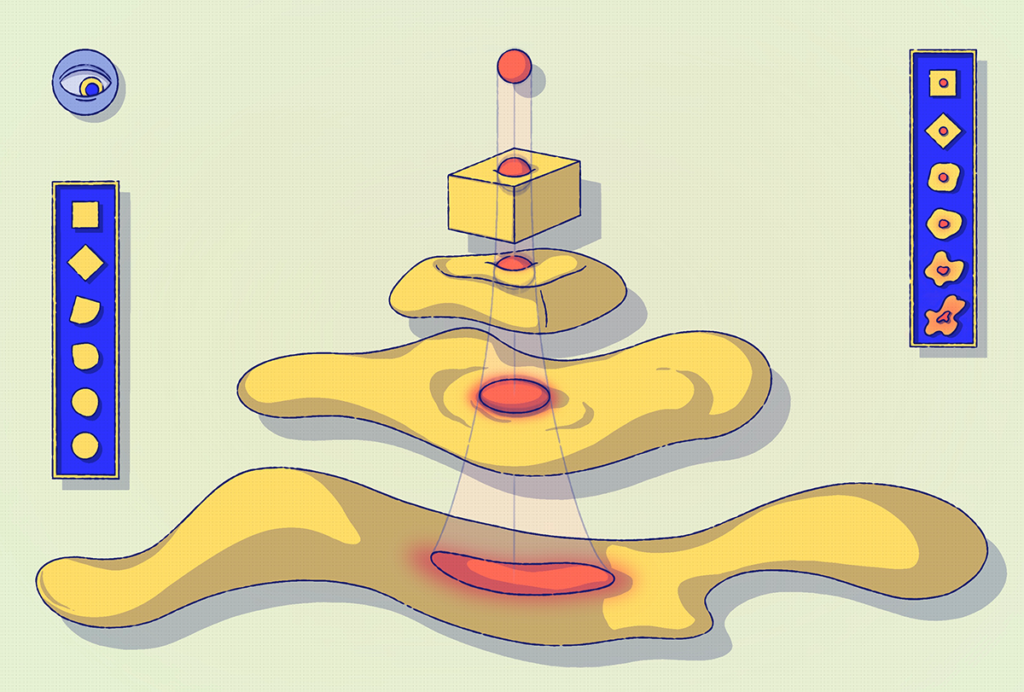
A 1987 Cell paper showed that a single transcription factor could turn fibroblasts into muscle cells. The work inspired Ardem Patapoutian to think about the molecular codes that define neuronal subtypes.
This paper changed my life: Learning the molecular rules of cell identity
A 1987 Cell paper showed that a single transcription factor could turn fibroblasts into muscle cells. The work inspired Ardem Patapoutian to think about the molecular codes that define neuronal subtypes.
Ant olfactory neurons reveal new ‘transcriptional shield’ mechanism of gene regulation
A protective screen of spurious transcriptional activity enables each olfactory neuron to express exactly one out of hundreds of olfactory receptors.
Ant olfactory neurons reveal new ‘transcriptional shield’ mechanism of gene regulation
A protective screen of spurious transcriptional activity enables each olfactory neuron to express exactly one out of hundreds of olfactory receptors.
Explore more from The Transmitter
The term ‘model organism’ should be reserved for biological systems
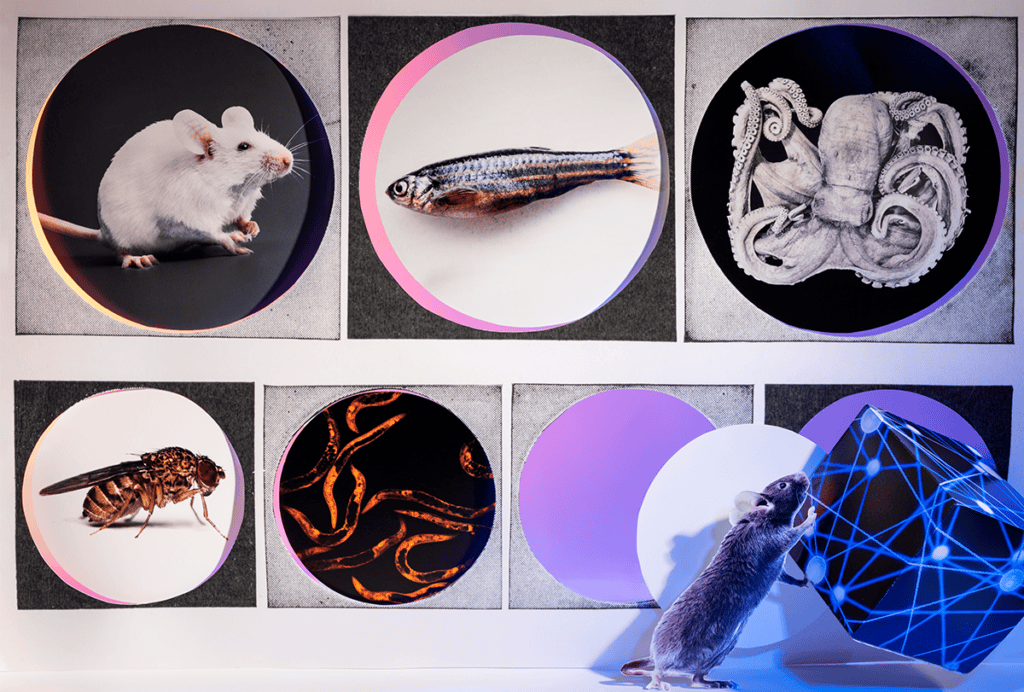
By referring to artificial neural networks as model organisms, we run the risk of distorting funding priorities and disregard the explanatory power of a shared evolutionary history across biological organisms.
The term ‘model organism’ should be reserved for biological systems
By referring to artificial neural networks as model organisms, we run the risk of distorting funding priorities and disregard the explanatory power of a shared evolutionary history across biological organisms.
New phase of BRAIN Initiative spawns basal ganglia ‘parts list’
With a standardized cell naming system and infrastructure for data collection and analysis, the basal ganglia project sets the stage for a whole-brain primate atlas.
New phase of BRAIN Initiative spawns basal ganglia ‘parts list’
With a standardized cell naming system and infrastructure for data collection and analysis, the basal ganglia project sets the stage for a whole-brain primate atlas.
Machine-learning model spots autism-linked variants that scramble splicing
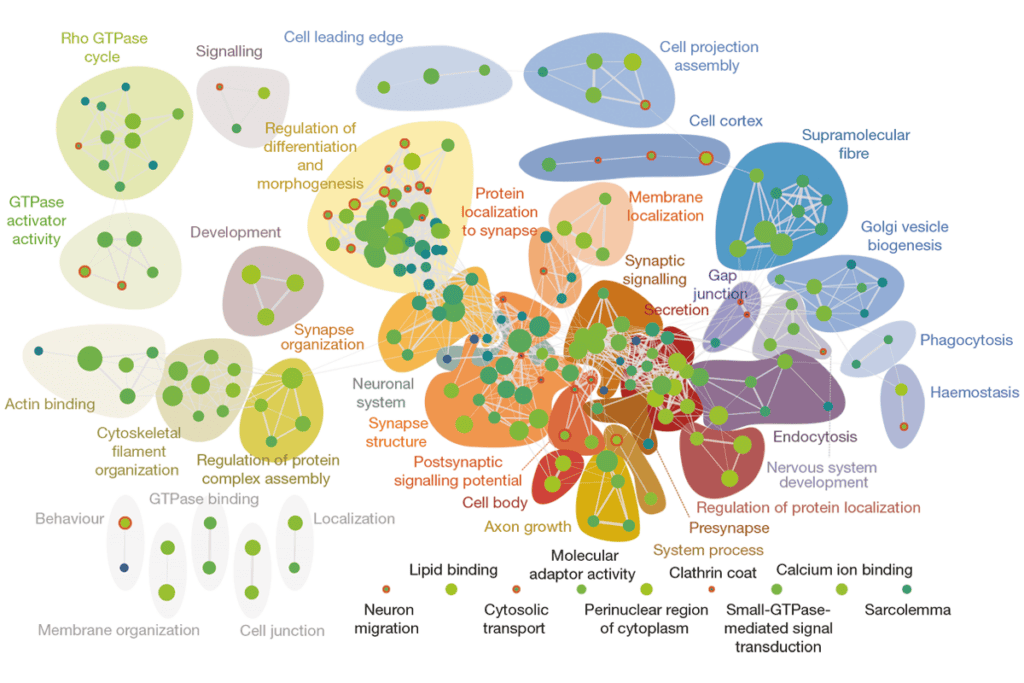
The model provides a way to investigate genetic variation in regions of the genome whose functions have been difficult to interpret.
Machine-learning model spots autism-linked variants that scramble splicing
The model provides a way to investigate genetic variation in regions of the genome whose functions have been difficult to interpret.