Open neuroscience
Recent articles
Govern neurodata by how it’s used, not where it’s from
New neurodata laws will shape how researchers gather, share and reuse brain data. A use-based governance protects basic researchers and those whose data are being used, without freezing science.
Govern neurodata by how it’s used, not where it’s from
New neurodata laws will shape how researchers gather, share and reuse brain data. A use-based governance protects basic researchers and those whose data are being used, without freezing science.
The promise of open neuroscience for Latin America
Two Uruguayan researchers explain how their work on computational tools to decode breathing from mouse video recordings could spark more open science initiatives in Latin America.
The promise of open neuroscience for Latin America
Two Uruguayan researchers explain how their work on computational tools to decode breathing from mouse video recordings could spark more open science initiatives in Latin America.
A promessa da neurociência aberta para a América Latina
Dois pesquisadores uruguaios explicam como seu trabalho com ferramentas computacionais para decodificar a respiração a partir de gravações em vídeo de camundongos pode inspirar novas iniciativas de ciência aberta na América Latina.
A promessa da neurociência aberta para a América Latina
Dois pesquisadores uruguaios explicam como seu trabalho com ferramentas computacionais para decodificar a respiração a partir de gravações em vídeo de camundongos pode inspirar novas iniciativas de ciência aberta na América Latina.
La promesa de la neurociencia abierta para Latinoamérica
Dos investigadores uruguayos explican cómo su trabajo en herramientas computacionales para decodificar la respiración a partir de grabaciones de video de ratones podría impulsar más iniciativas de ciencia abierta en América Latina.
La promesa de la neurociencia abierta para Latinoamérica
Dos investigadores uruguayos explican cómo su trabajo en herramientas computacionales para decodificar la respiración a partir de grabaciones de video de ratones podría impulsar más iniciativas de ciencia abierta en América Latina.
How to use artificial intelligence to strengthen scientific processes and scholarly output
As AI-driven systems are integrated into all aspects of science, we need to make sure that they read and write to a shared data and knowledge space.
How to use artificial intelligence to strengthen scientific processes and scholarly output
As AI-driven systems are integrated into all aspects of science, we need to make sure that they read and write to a shared data and knowledge space.
AI can’t solve the brain without data that fit together
The brain's first foundation models exist because some areas of neuroscience did the slow work of developing and adopting standards to help integrate data. Artificial intelligence cannot do that work for us.
AI can’t solve the brain without data that fit together
The brain's first foundation models exist because some areas of neuroscience did the slow work of developing and adopting standards to help integrate data. Artificial intelligence cannot do that work for us.
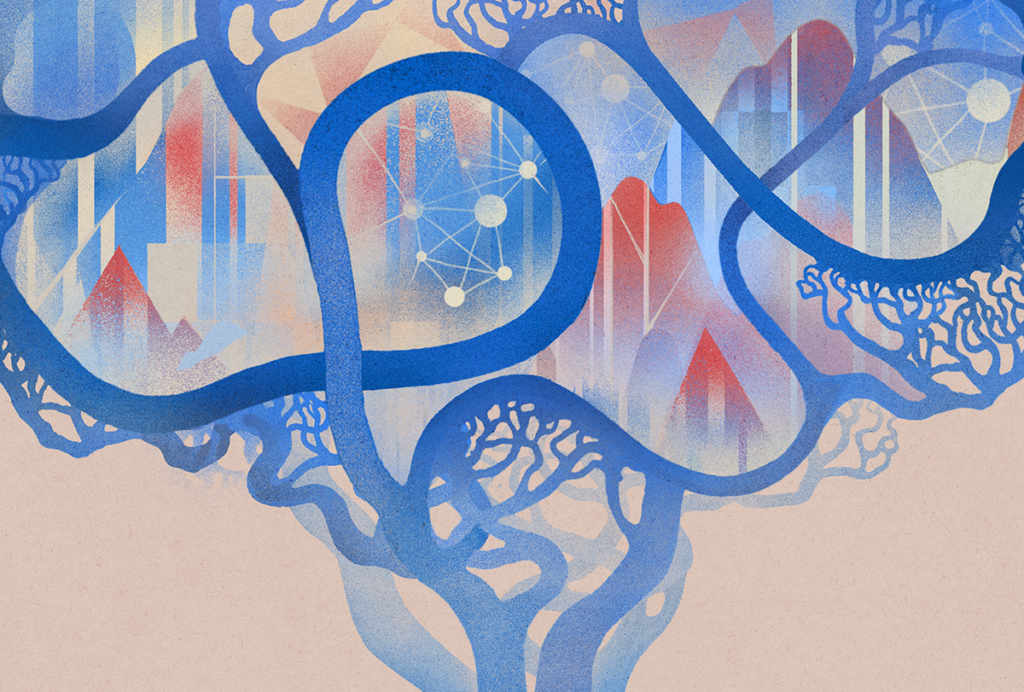
Tracing neuroscience’s family tree to track its growth
By mapping connections among researchers, Neurotree makes it possible to see how the field has evolved and how shifts in lab size, publication rates and training, among other factors, shape its direction.
Tracing neuroscience’s family tree to track its growth
By mapping connections among researchers, Neurotree makes it possible to see how the field has evolved and how shifts in lab size, publication rates and training, among other factors, shape its direction.
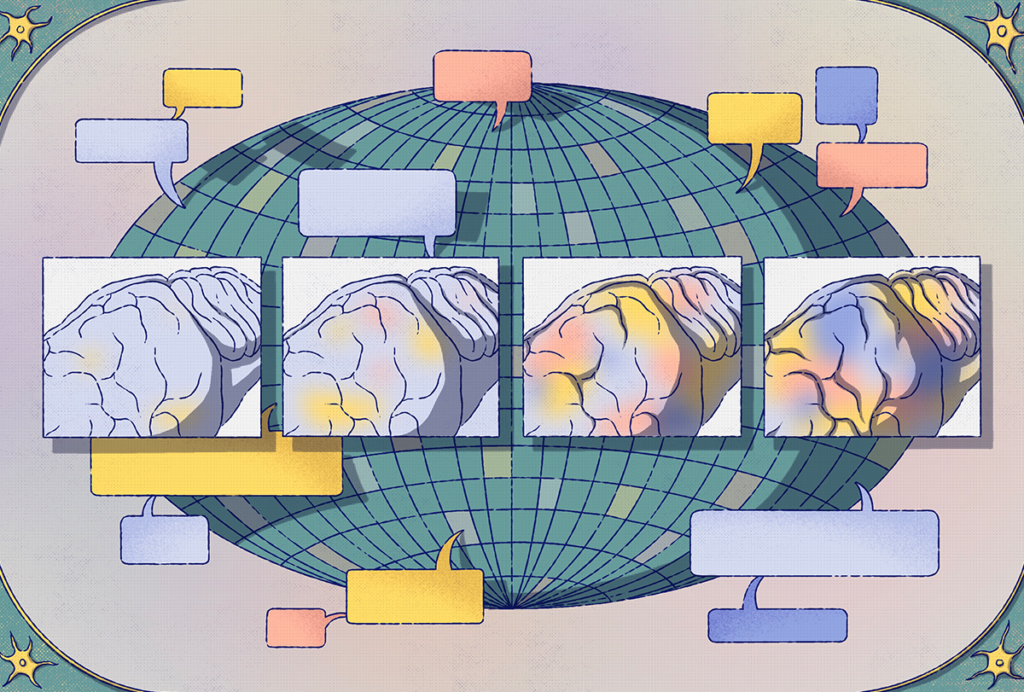
A community-designed experiment tests open questions in predictive processing
More than 50 scientists came together to identify the key missing data needed to rigorously test theoretical models.
A community-designed experiment tests open questions in predictive processing
More than 50 scientists came together to identify the key missing data needed to rigorously test theoretical models.
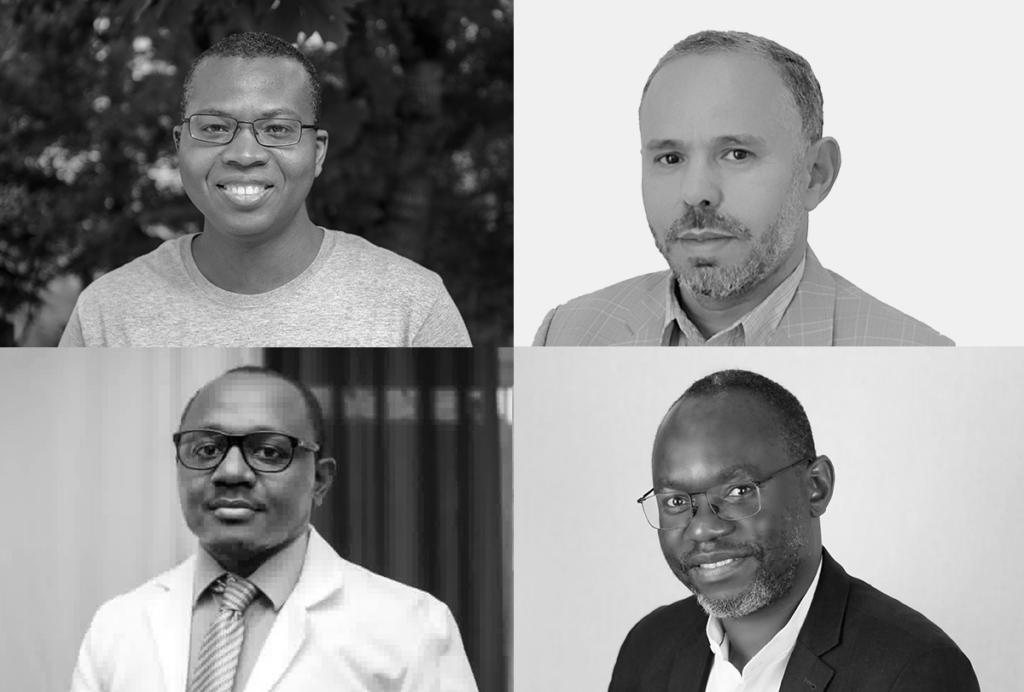
First Pan-African neuroscience journal gets ready to launch
With lower-than-average article processing fees, and issues dedicated to topics important to the continent, the journal hopes to give African neuroscience research much-needed international visibility.
First Pan-African neuroscience journal gets ready to launch
With lower-than-average article processing fees, and issues dedicated to topics important to the continent, the journal hopes to give African neuroscience research much-needed international visibility.
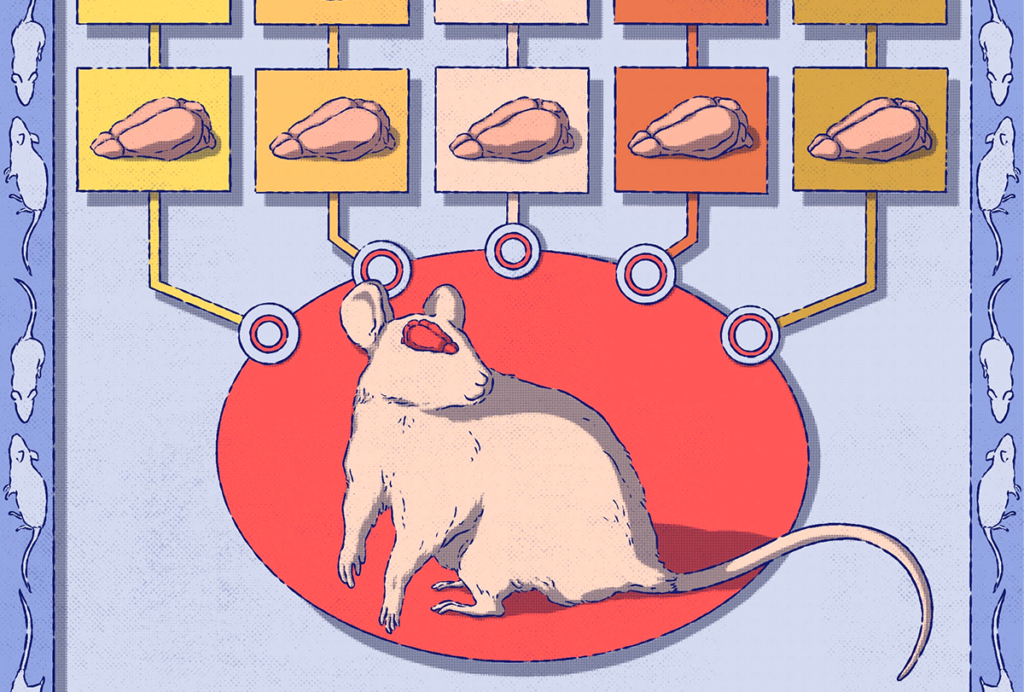
Reproducibility is a team sport: Lessons from a large-scale collaboration
Building reproducible systems across labs is possible, even in large-scale neuroscience projects. You just need rigor, collaboration and the willingness to look your own practices dead in the eye.
Reproducibility is a team sport: Lessons from a large-scale collaboration
Building reproducible systems across labs is possible, even in large-scale neuroscience projects. You just need rigor, collaboration and the willingness to look your own practices dead in the eye.
Explore more from The Transmitter
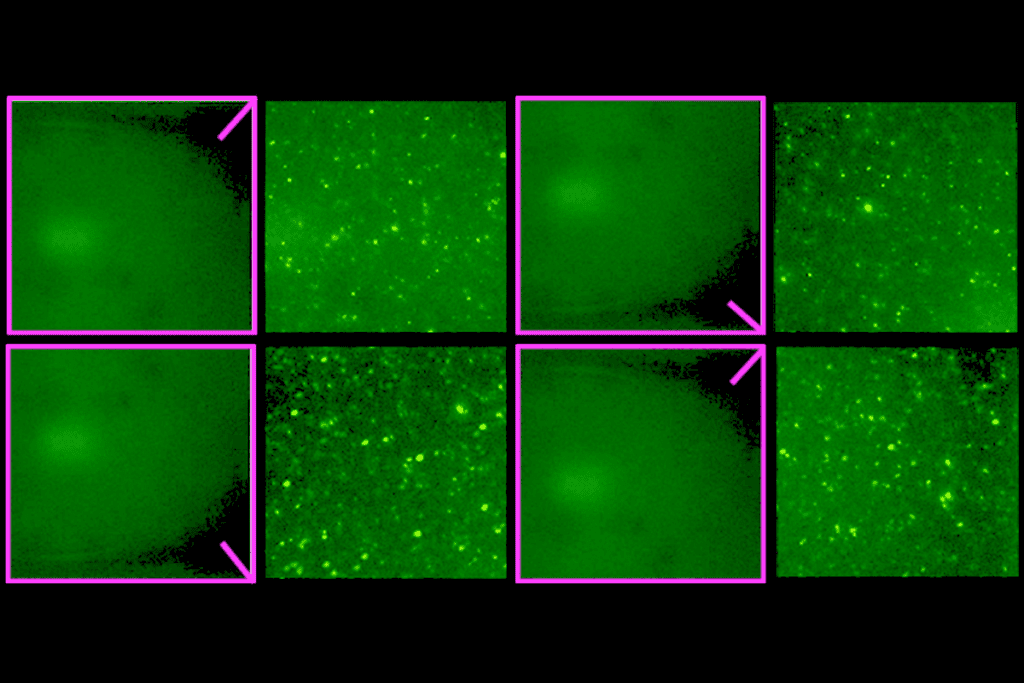
University probe leads to retraction of four neural tube studies
The University of Maryland conducted an internal investigation that identified image duplications and other data integrity issues in the studies, according to the retraction notices.
University probe leads to retraction of four neural tube studies
The University of Maryland conducted an internal investigation that identified image duplications and other data integrity issues in the studies, according to the retraction notices.

Highly cited autism paper earns expression of concern over data duplications
The notice, published in Nature last week, also addressed an image duplication identified by a prominent research-integrity sleuth.
Highly cited autism paper earns expression of concern over data duplications
The notice, published in Nature last week, also addressed an image duplication identified by a prominent research-integrity sleuth.
How new technologies can bring primatologists and systems neuroscientists together
The two groups study the same behavioral phenomena yet rarely interact or read each other's work—a mutual blind spot that weakens both fields. New technologies offer a chance to bring them together.
How new technologies can bring primatologists and systems neuroscientists together
The two groups study the same behavioral phenomena yet rarely interact or read each other's work—a mutual blind spot that weakens both fields. New technologies offer a chance to bring them together.