SYNGAP1 2020
Recent articles
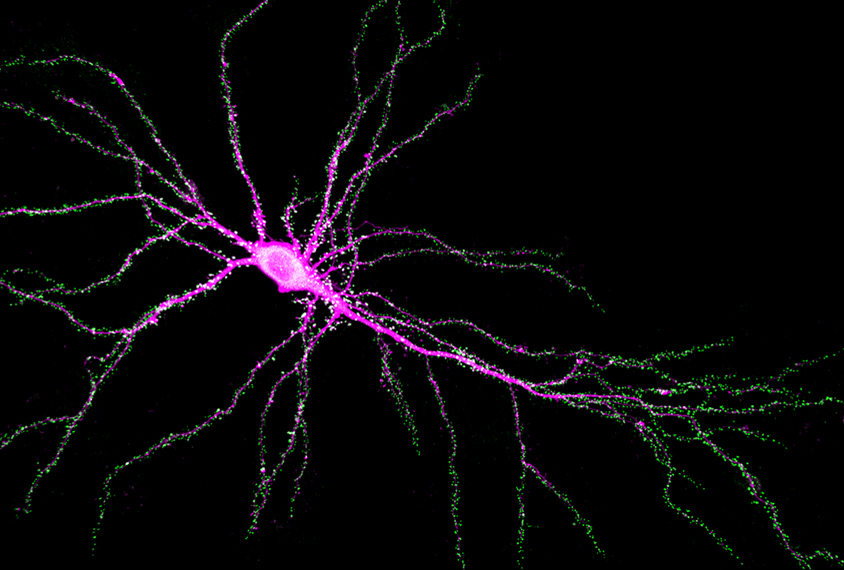
Reactions from the 2020 SYNGAP1 Scientific Conference
Spectrum is covering the 2020 International SYNGAP1 Scientific Conference, which took place virtually because of the coronavirus pandemic. Here we’re highlighting researchers’ reactions to noteworthy presentations.
Reactions from the 2020 SYNGAP1 Scientific Conference
Spectrum is covering the 2020 International SYNGAP1 Scientific Conference, which took place virtually because of the coronavirus pandemic. Here we’re highlighting researchers’ reactions to noteworthy presentations.
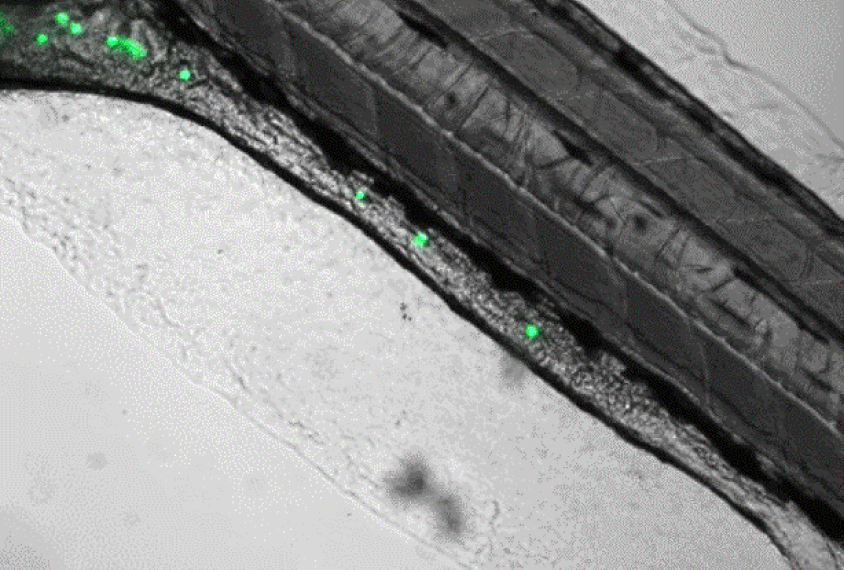
Zebrafish and ‘Smurf cakes’ link autism gene mutation to digestive woes
Mutations in a top autism gene called SYNGAP1 slow the rate at which zebrafish digest food and pass waste, and may also disrupt gut function in people.
Zebrafish and ‘Smurf cakes’ link autism gene mutation to digestive woes
Mutations in a top autism gene called SYNGAP1 slow the rate at which zebrafish digest food and pass waste, and may also disrupt gut function in people.
Mice reveal roots of sensory issues tied to top autism gene
Mice with mutations in the autism-linked gene SYNGAP1 have trouble sensing touch, which may stem in part from brain-circuit alterations and dulled alertness.
Mice reveal roots of sensory issues tied to top autism gene
Mice with mutations in the autism-linked gene SYNGAP1 have trouble sensing touch, which may stem in part from brain-circuit alterations and dulled alertness.
Explore more from The Transmitter
Highly cited autism paper earns expression of concern over data duplications
The notice, published in Nature last week, also addressed an image duplication identified by a prominent research-integrity sleuth.
Highly cited autism paper earns expression of concern over data duplications
The notice, published in Nature last week, also addressed an image duplication identified by a prominent research-integrity sleuth.
Govern neurodata by how it’s used, not where it’s from
New neurodata laws will shape how researchers gather, share and reuse brain data. A use-based governance protects basic researchers and those whose data are being used, without freezing science.
Govern neurodata by how it’s used, not where it’s from
New neurodata laws will shape how researchers gather, share and reuse brain data. A use-based governance protects basic researchers and those whose data are being used, without freezing science.
How new technologies can bring primatologists and systems neuroscientists together
The two groups study the same behavioral phenomena yet rarely interact or read each other's work—a mutual blind spot that weakens both fields. New technologies offer a chance to bring them together.
How new technologies can bring primatologists and systems neuroscientists together
The two groups study the same behavioral phenomena yet rarely interact or read each other's work—a mutual blind spot that weakens both fields. New technologies offer a chance to bring them together.